Mental Health Apps: What Research Says About Effectiveness
Exploring the evidence on whether mental health apps truly deliver relief for depression, anxiety, and beyond in today's digital age.
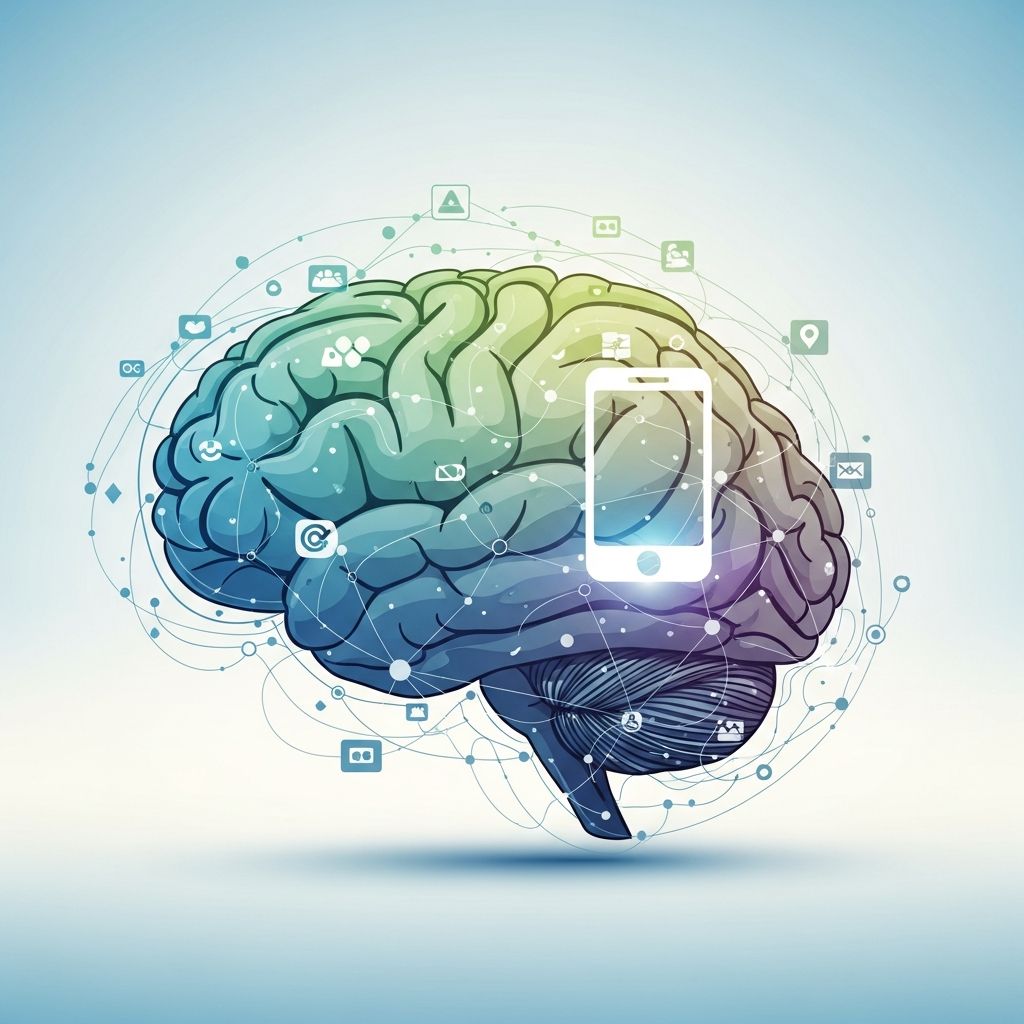
Mental health apps have surged in popularity, offering convenient tools for managing depression, anxiety, and other conditions amid global access gaps. While many promise quick relief, evidence from systematic reviews shows mixed but often positive outcomes, particularly for evidence-based apps using cognitive behavioral techniques.
What are mental health apps?
Mental health apps are mobile applications designed to support psychological well-being, delivering interventions like cognitive behavioral therapy (CBT), mindfulness exercises, mood tracking, and crisis support directly to users’ smartphones. With over 325,000 mHealth apps available by 2018 and hundreds launched daily, they aim to bridge the gap where over 70% of people needing mental health services lack access.
These apps typically fall into categories such as treatment apps (delivering structured therapy), self-monitoring tools (tracking moods and symptoms), and multipurpose platforms combining features like predictive analytics and personalized feedback. Popular examples include Headspace for mindfulness, SilverCloud for CBT-based programs, BlueIce for self-harm prevention, and MoodMission for coping strategies.
Apps leverage scalability to reach underserved populations in remote areas, providing self-help strategies that can prevent symptom escalation. However, only a fraction—around 8 out of 3,000 reviewed—are truly evidence-based, emphasizing the need for caution in selection.
Do mental health apps work?
Research indicates that mental health apps can be effective, especially evidence-based ones targeting depression and anxiety. A PLOS One study reviewing 38 studies across 35 apps found significant improvements in depressive symptoms (32 apps), anxiety (multiple apps), and suicidal behaviors (e.g., BlueIce, TEC, LKM apps). Similarly, a NIH systematic review of treatment apps showed four out of six studies reporting reductions in symptoms like acrophobia, depression, and anxiety, alongside quality-of-life gains.
Randomized trials confirm comparative effectiveness: A JAMA Network Open study compared Headspace, SilverCloud, and enhanced personalized feedback, finding all significantly reduced depression and anxiety symptoms, with no major differences between apps. Michigan Medicine research echoed this, noting measurable decreases in depression, anxiety, and suicidality via mindfulness, CBT, and mood-enhancing prompts.
| App Example | Target Condition | Key Outcomes | Study Size |
|---|---|---|---|
| MoodMission | Depression/Anxiety | Significant symptom reduction, especially moderate cases | N=617 |
| Headspace/Smiling Mind | Anxiety | Improved symptoms | N=208 |
| BlueIce | Self-harm/Suicidality | Reduced self-harm and ideation | Varied |
| SilverCloud | Depression/Anxiety | Significant improvements | RCT |
Context engagement (personalized activities) and cognitive change (reframing thoughts) emerged as top CBT techniques driving success. Larger studies (e.g., N=626 for iPST/Project EVO) consistently showed benefits, unlike some smaller trials.
How do mental health apps work?
Most effective apps employ evidence-based therapies digitized for self-use. CBT apps guide users through thought challenging and behavioral activation; mindfulness apps like Headspace offer guided meditations to reduce rumination. Self-monitoring features track moods, identifying triggers, while crisis tools provide distress tolerance and safety plans.
For instance, MoodPrism uses ecological momentary assessments for real-time mood tracking, leading to better outcomes in larger cohorts. Apps like TEC reduce self-cutting via targeted interventions. Integration with clinician support amplifies results, as low-bias studies show significant improvements only with professional oversight.
- CBT Techniques: Cognitive restructuring, behavioral experiments.
- Mindfulness: Meditation, breathing exercises.
- Self-Monitoring: Daily journals, symptom logs.
- Crisis Management: Safety plans, emergency contacts.
Feasibility is high, with 92% retention and frequent interactions in reviewed studies, though limited to certain disorders.
What does the evidence say?
Systematic evidence supports apps as adjuncts or standalone tools. The PLOS review highlighted variability: 35 studies showed positives, but apps like Mental App and MindSurf failed to deliver. NIH analysis found treatment apps effective in 4/6 cases, multipurpose apps generally so, with self-monitoring consistently helpful.
Related Stories



Biases plague smaller studies; robust RCTs like Michigan’s (2020-2022) affirm reductions across interventions. Patient.info notes limited but promising research, with apps excelling in symptom monitoring and on-demand stress relief—e.g., helping phobics fly via relaxation audio.
Long-term data is scarce; preliminary suicide prevention evidence warrants caution for high-risk cases.
What are the limitations of mental health apps?
Despite promise, limitations abound. Evidence is preliminary for severe conditions; apps suit mild-moderate symptoms best. Variability in effectiveness ties to sample size, population, and support—smaller clinical trials (e.g., N=48 MoodMission) showed mixed anxiety results.
Privacy concerns deter engagement; users worry about data security without clinician backing. Only evidence-based apps work reliably; most lack validation. Inclusivity gaps exist—few suit diverse demographics, and long-term retention drops without personalization.
High-risk interventions like suicide prevention need more rigor; apps alone can’t replace therapy for crises.
Which mental health apps are recommended?
Seek apps with clinical evidence, privacy policies, and endorsements. Top picks:
- Headspace: Mindfulness for anxiety/depression (RCT-backed).
- SilverCloud: CBT programs (effective in trials).
- BlueIce: Self-harm/suicidality (reduces episodes).
- MoodMission: Coping skills (broad population benefits).
- iPST: PTSD/depression (large-scale success).
Check for ORCHA ratings, NHS approvals, or research citations. Mass General Brigham advises reputable sources.
How to choose a mental health app
Evaluate evidence (peer-reviewed studies), usability (high retention), privacy (GDPR-compliant), and fit (your needs). Avoid unverified claims; prioritize free/basic versions first.
- Verify evidence via PubMed/PLOS.
- Read user reviews from trusted sites.
- Ensure data encryption.
- Test engagement features.
- Consult professionals for integration.
Frequently Asked Questions (FAQs)
Are mental health apps effective for depression?
Yes, many evidence-based apps significantly reduce depressive symptoms, as shown in 32 apps across 35 studies.
Can apps help with anxiety?
Absolutely; apps like Headspace and MoodMission lower anxiety, confirmed in multiple RCTs.
Do apps work for suicidal thoughts?
Preliminary evidence from BlueIce and TEC shows reductions, but use alongside professional care.
Are mental health apps safe?
Reputable ones are, but check privacy and avoid for crises without support.
How long until apps show results?
Benefits often appear in 4-6 weeks, per trials, with consistent use.
Expert opinions
Experts view apps as future tools for monitoring and self-help. Dr. [from patient.info] notes patients conquering phobias via relaxation features. Reviews stress scalability for global crises but urge long-term studies.
Michigan Medicine highlights interim relief while awaiting care. Overall, apps complement—not replace—therapy.
References
- Effectiveness of evidence based mental health apps on user health outcomes — PLOS One. 2024. https://journals.plos.org/plosone/article?id=10.1371/journal.pone.0319983
- Smartphone apps for mental health: systematic review — NIH/PMC. 2024. https://pmc.ncbi.nlm.nih.gov/articles/PMC11815452/
- Mobile Apps for Mental Health Are Effective — Infectious Disease Advisor/JAMA Network Open. 2024. https://www.infectiousdiseaseadvisor.com/news/mobile-apps-for-mental-health-are-effective/
- Mental health apps may help those waiting for care — Michigan Medicine. 2024. https://www.michiganmedicine.org/health-lab/mental-health-apps-may-help-those-waiting-care-study-finds
- How effective are mental health apps? — Patient.info. 2024. https://patient.info/features/treatment-medication/how-effective-are-mental-health-apps
- Methods for Navigating the Mobile Mental Health App Landscape — NIH/PMC. 2023. https://pmc.ncbi.nlm.nih.gov/articles/PMC10206563/
Similar Articles








Read full bio of Sneha Tete