Mind-Body Connection: How Emotions Affect Your Body, 6 Strategies
Discover the powerful connection between your emotions and physical health.
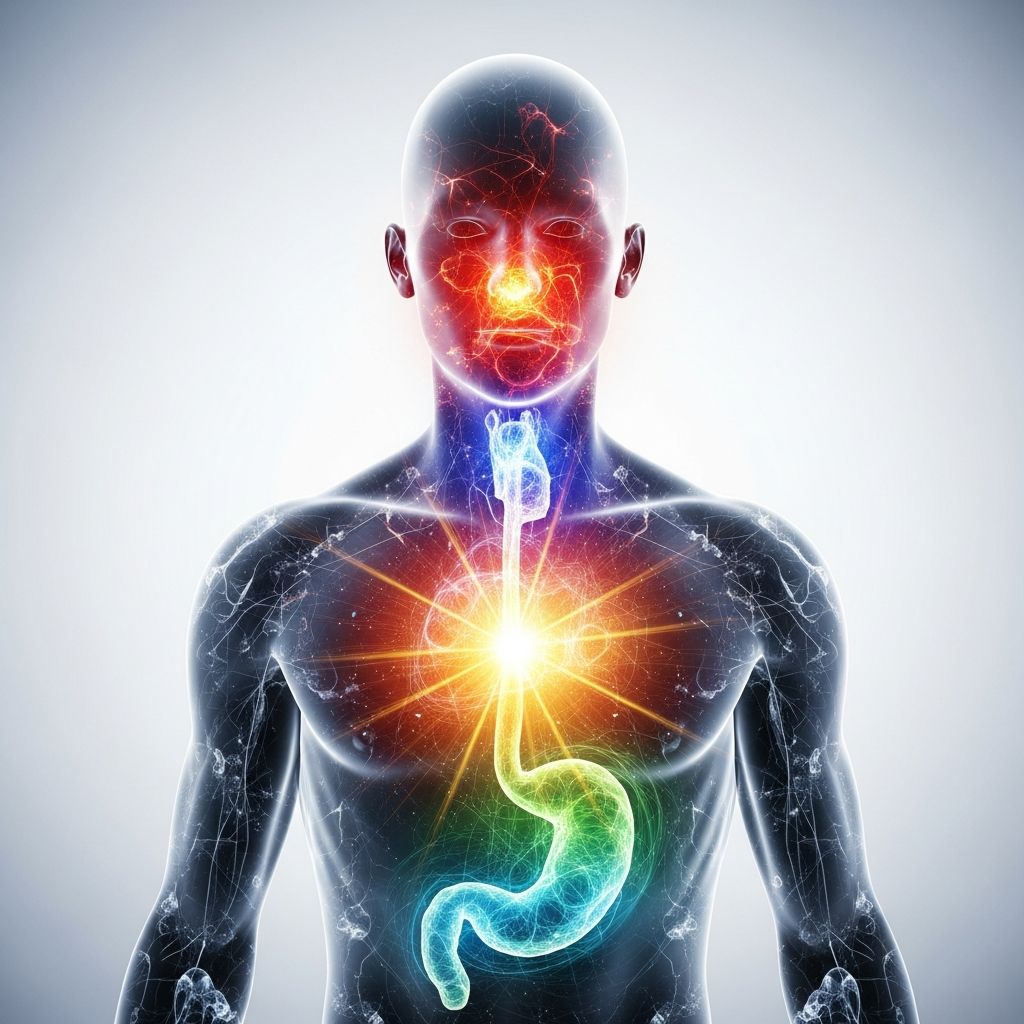
How Do Emotions Show Up in Your Body?
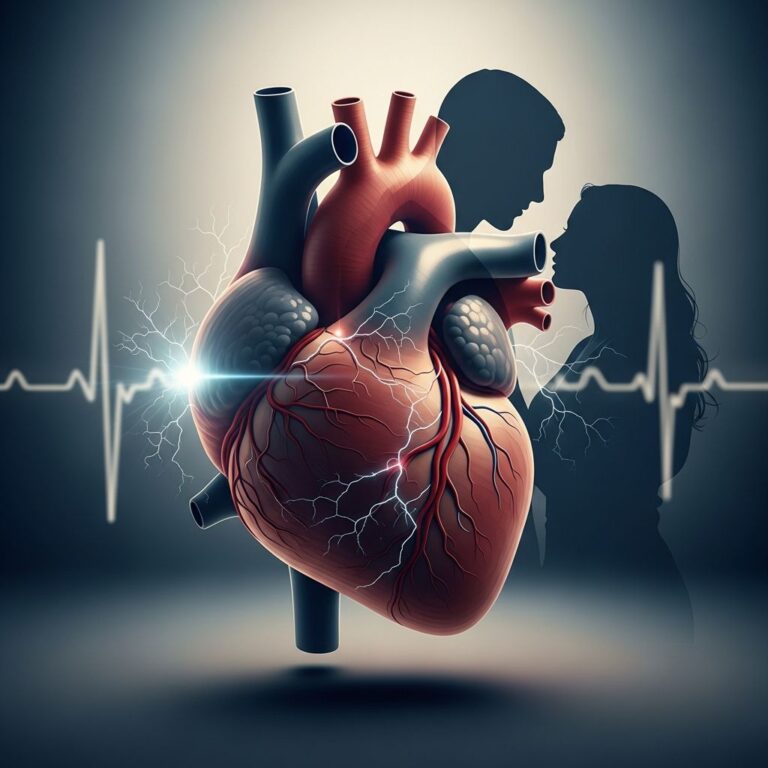
Have you ever noticed your stomach churning when you’re nervous about a test, or felt your heart racing when you’re excited? Your emotions don’t just exist in your mind—they have real, physical effects on your body. The mind-body connection is a powerful force that shapes how you feel physically, mentally, and emotionally. Understanding this connection can help you recognize when your emotions are affecting your body and give you tools to manage both your mental and physical health.
What Is the Mind-Body Connection?
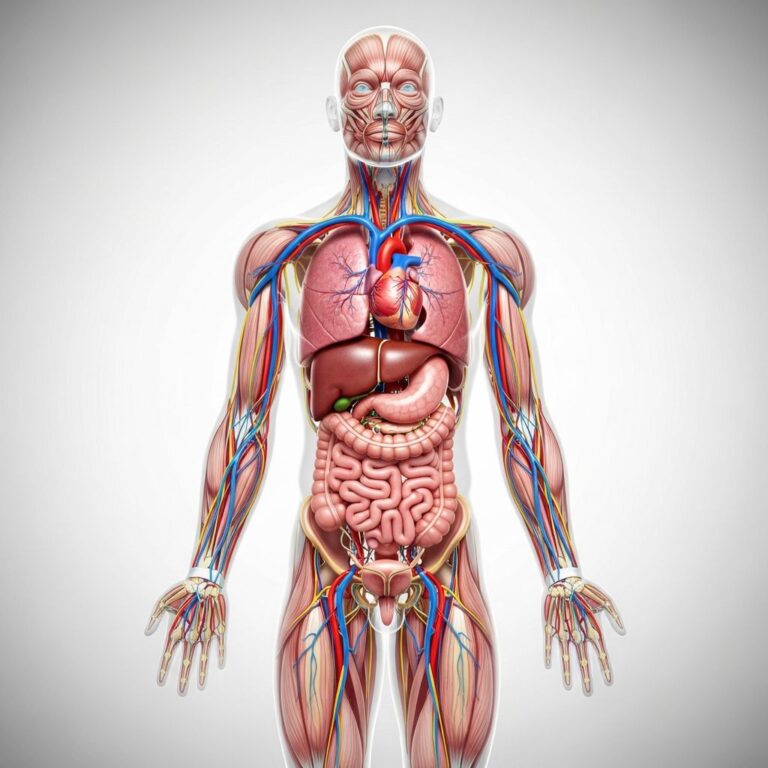
The mind-body connection refers to the intricate relationship between your thoughts, emotions, and physical health. Your mind and body are constantly communicating with each other through complex systems in your nervous system. When something happens in your mind—like stress or excitement—your body responds. At the same time, what happens in your body can influence your thoughts and emotions.
Think of it as a two-way street. If you’re nervous before giving a presentation, your body might respond with sweaty palms, trembling hands, or butterflies in your stomach. That’s your mind influencing your body. On the flip side, if you’re sick with the flu, you might feel sad or irritable. That’s your body influencing your mind. This constant interplay between your thoughts, feelings, and physical responses is what makes the mind-body connection so important.
How Emotions Trigger Physical Responses
When you experience an emotion, your brain sends signals throughout your body through your nervous system. These signals cause a cascade of physical changes that happen almost instantly. Understanding these responses can help you recognize when your emotions are affecting your physical health.
The Fight-or-Flight Response
One of the most powerful physical responses to emotions is the fight-or-flight response. When you encounter stress or feel threatened, your brain releases hormones like cortisol and adrenaline. These hormones cause your body to shift into high alert mode, preparing you to either face the challenge or escape from it.
During this response, several physical changes occur:
- Your heart rate increases, pumping faster to deliver oxygen to your muscles
- Your breathing becomes shallow and rapid
- Your blood pressure rises
- Your muscles tense up, ready for action
- Your digestion slows down
- Your pupils dilate to help you see better
While this response is helpful when you’re facing genuine danger, chronic stress can keep your body in this heightened state for extended periods, which can be harmful to your health.
The Relaxation Response
Fortunately, your body also has a relaxation response that counteracts the stress response. When you feel calm and safe, your nervous system triggers this relaxation response, which helps your body recover from stress. During this state:
Related Stories



- Your heart rate slows down
- Your blood pressure decreases
- Your breathing becomes slower and deeper
- Your muscles relax
- Your stress hormones decrease
- Your digestion improves
You can deliberately activate your relaxation response through various techniques like deep breathing, meditation, and gentle exercise.
The Gut-Brain Axis: Your Second Brain
Have you ever had a “gut feeling” about something? There’s actually science behind this common phrase. Your gut and brain are connected through a communication system called the gut-brain axis, which operates primarily through a large nerve called the vagus nerve.
Remarkably, more information is exchanged between your brain and your gut than between your brain and any other system in your body. This connection explains why emotions often show up in your digestive system. When you’re anxious, you might experience nausea, stomach upset, or constipation. When you’re excited or happy, your digestion typically works smoothly. This is why people often describe emotional experiences using gut-related language—they’re “gutted” by bad news, they have “butterflies” in their stomach before a big event, or they “go with their gut” when making decisions.
The gut-brain axis is bidirectional, meaning your gut health can also influence your mood and mental state. Research shows that the bacteria in your gut (your microbiome) can affect your brain chemistry and mental health. This is why maintaining good digestive health through proper nutrition and stress management is important for both physical and mental wellbeing.
Common Physical Manifestations of Emotions
Emotions show up in your body in many different ways. Recognizing these physical signs can help you understand what you’re feeling and take action to manage your emotions effectively.
Stress and Anxiety
When you experience stress or anxiety, your body responds with a range of physical symptoms:
- Tension headaches or migraines
- Muscle tension and pain, especially in the neck and shoulders
- Rapid heartbeat
- Shortness of breath
- Stomach upset or digestive issues
- Insomnia or sleep disturbances
- Fatigue and low energy
- Weak immune function, leading to more frequent illness
Depression
Depression is not just an emotional state—it has real physical effects on your body:
- Persistent fatigue and low energy
- Changes in appetite and weight
- Sleep problems, either sleeping too much or too little
- Body aches and chronic pain
- Difficulty concentrating
- Reduced immune function
Excitement and Joy
Positive emotions also have physical manifestations:
- Increased energy and motivation
- Improved digestion and appetite
- Better sleep quality
- Enhanced immune function
- Faster heart rate and increased blood flow
- Improved focus and concentration
The Role of Neurotransmitters and Hormones
The physical effects of emotions are largely due to the release of neurotransmitters and hormones in your body. These chemical messengers play crucial roles in regulating your mood, stress response, and physical health.
Key Neurotransmitters
Serotonin, dopamine, and norepinephrine are three neurotransmitters that significantly influence your mood and emotional state. Serotonin promotes feelings of happiness and contentment. Dopamine is associated with motivation and pleasure. Norepinephrine affects attention and arousal. When these neurotransmitters are balanced, you typically feel good. When they’re out of balance, you might experience depression, anxiety, or other mood disorders.
Stress Hormones
When you experience stress, your body releases cortisol and adrenaline. These hormones prepare your body for action, but when they’re elevated for extended periods, they can damage your health. Chronic elevation of cortisol has been linked to weight gain, weakened immune function, and increased risk of heart disease.
Endorphins: Natural Pain Relievers
Your body also produces endorphins, which are natural painkillers that create feelings of wellbeing. This is why people often feel euphoric after intense exercise—a sensation commonly called the “runner’s high.” Endorphins block pain receptors and reduce stress, helping to improve your mood naturally.
How Chronic Stress Affects Your Health
While occasional stress is normal and your body can handle it, chronic stress—prolonged stress that lasts weeks or months—can seriously damage your health. When you’re constantly in fight-or-flight mode, your body doesn’t get the chance to recover and repair itself.
Chronic stress has been linked to:
- High blood pressure and increased heart disease risk
- Weakened immune system
- Increased inflammation throughout the body
- Digestive problems and irritable bowel syndrome (IBS)
- Depression and anxiety disorders
- Sleep disorders
- Weight gain and metabolic problems
- Premature aging and skin problems
- Reduced cognitive function and memory problems
Mind-Body Strategies to Manage Emotions
The good news is that you can actively manage your emotions and their physical effects on your body using evidence-based mind-body strategies. These techniques help activate your relaxation response and bring balance to your nervous system.
Breathing Exercises
Simple breathing techniques can calm your nervous system within minutes. Try deep belly breathing: inhale slowly through your nose for a count of four, hold for four, and exhale through your mouth for a count of four. Repeat this several times to activate your relaxation response.
Meditation and Mindfulness
Meditation involves focusing your attention and clearing your mind of stressful thoughts. Regular meditation practice can reduce anxiety, depression, and stress while improving focus and emotional resilience. Mindfulness, which is paying attention to the present moment without judgment, can help you recognize and manage emotions as they arise.
Progressive Muscle Relaxation
This technique involves systematically tensing and then relaxing different muscle groups throughout your body. This body scan helps you recognize where you hold tension and teaches your muscles to relax, reducing physical stress symptoms.
Gentle Movement and Exercise
Physical activity is one of the most powerful ways to influence the mind-body connection. Exercise stimulates the release of endorphins and other feel-good chemicals, reduces inflammation, and improves cardiovascular health. You don’t need intense workouts—even gentle activities like walking, yoga, or tai chi can activate your relaxation response.
Guided Imagery
Guided imagery involves visualizing peaceful, calming scenarios. By directing your imagination to positive places or situations, you can shift your nervous system state and reduce stress symptoms.
Social Connection and Support
Spending time with friends and family, talking about your feelings, and seeking professional help when needed are all important ways to manage emotions and support your overall health. Social support buffers against stress and promotes wellbeing.
Building Emotional Resilience
Understanding the mind-body connection should empower you to take better care of both your mental and physical health. Building emotional resilience—the ability to handle challenges and bounce back from adversity—is an important life skill that supports long-term wellbeing.
Some strategies for building resilience include:
- Practicing optimism and positive thinking
- Developing healthy coping strategies
- Maintaining strong social relationships
- Engaging in regular physical activity
- Getting adequate sleep
- Eating a balanced, nutritious diet
- Setting realistic goals and celebrating small wins
- Practicing self-compassion and acceptance
The Importance of Mind-Body Health
The mind-body connection is a fundamental aspect of human health and wellbeing. By recognizing how your emotions affect your physical body and learning to manage both your mental and physical state, you can improve your overall quality of life. Taking care of your mind isn’t separate from taking care of your body—they’re interconnected, and supporting one naturally supports the other.
Start paying attention to how your emotions show up in your body. Notice where you feel tension, what makes your stomach churn, and what activities help you feel calm and centered. Use the mind-body strategies outlined in this article to develop a personalized approach to managing stress and emotions. Remember, small changes in how you manage your thoughts and emotions can lead to significant improvements in your physical health and overall wellbeing.
Frequently Asked Questions (FAQs)
Q: How quickly do emotions affect the body?
A: Emotions can trigger physical responses almost instantly. For example, when you feel embarrassed, you might blush within seconds. When you experience fear, your heart rate can increase immediately. The fight-or-flight response happens in milliseconds through your nervous system.
Q: Can positive emotions improve my physical health?
A: Yes, absolutely. Positive emotions like happiness, joy, and optimism trigger the release of beneficial neurotransmitters and hormones that improve immune function, reduce inflammation, lower blood pressure, and promote overall health. People with positive outlooks often experience better physical health outcomes.
Q: What is the vagus nerve and why is it important?
A: The vagus nerve is the main nerve connecting your brain and gut, facilitating the gut-brain axis. It carries signals between your brain and digestive system, influencing stress response, heart rate, digestion, and inflammation. Stimulating the vagus nerve through techniques like deep breathing can activate your relaxation response.
Q: Can I control my stress response?
A: While you can’t always control what stressful situations occur, you can influence how your body responds to them. Techniques like deep breathing, meditation, exercise, and progressive muscle relaxation can activate your relaxation response and help manage your stress symptoms.
Q: How does exercise help with emotions?
A: Exercise triggers the release of endorphins and other feel-good neurotransmitters like serotonin and dopamine. It also reduces inflammation, improves sleep quality, boosts confidence, and provides a healthy outlet for managing stress, all of which improve mood and emotional wellbeing.
Q: Is the mind-body connection real or just psychological?
A: The mind-body connection is very real and is supported by extensive scientific research. It involves actual physiological mechanisms including nervous system signaling, hormone release, immune system changes, and inflammation. It’s not “just” psychological—your thoughts and emotions create measurable physical changes in your body.
References
- Everything You Need to Know About the Mind-Body Connection — WonderMind. 2024. https://www.wondermind.com/article/mind-body-connection/
- The Brain-Body Connection: How Exercise Boosts Mental Health — Sunny Health & Fitness. 2024. https://sunnyhealthfitness.com/blogs/health-wellness/brain-body-connection-how-exercise-boosts-mental-health
- Psychological Health, Well-Being, and the Mind-Heart-Body Connection — American Heart Association. 2021. https://www.ahajournals.org/doi/10.1161/CIR.0000000000000947
- Mind–Body Research Moves Towards the Mainstream — National Center for Biotechnology Information (NCBI). 2006. https://pmc.ncbi.nlm.nih.gov/articles/PMC1456909/
Similar Articles








Read full bio of Sneha Tete