How Endoscopy Detects Stomach Cancer: What To Expect
Comprehensive guide to endoscopic techniques for detecting gastric cancer early.
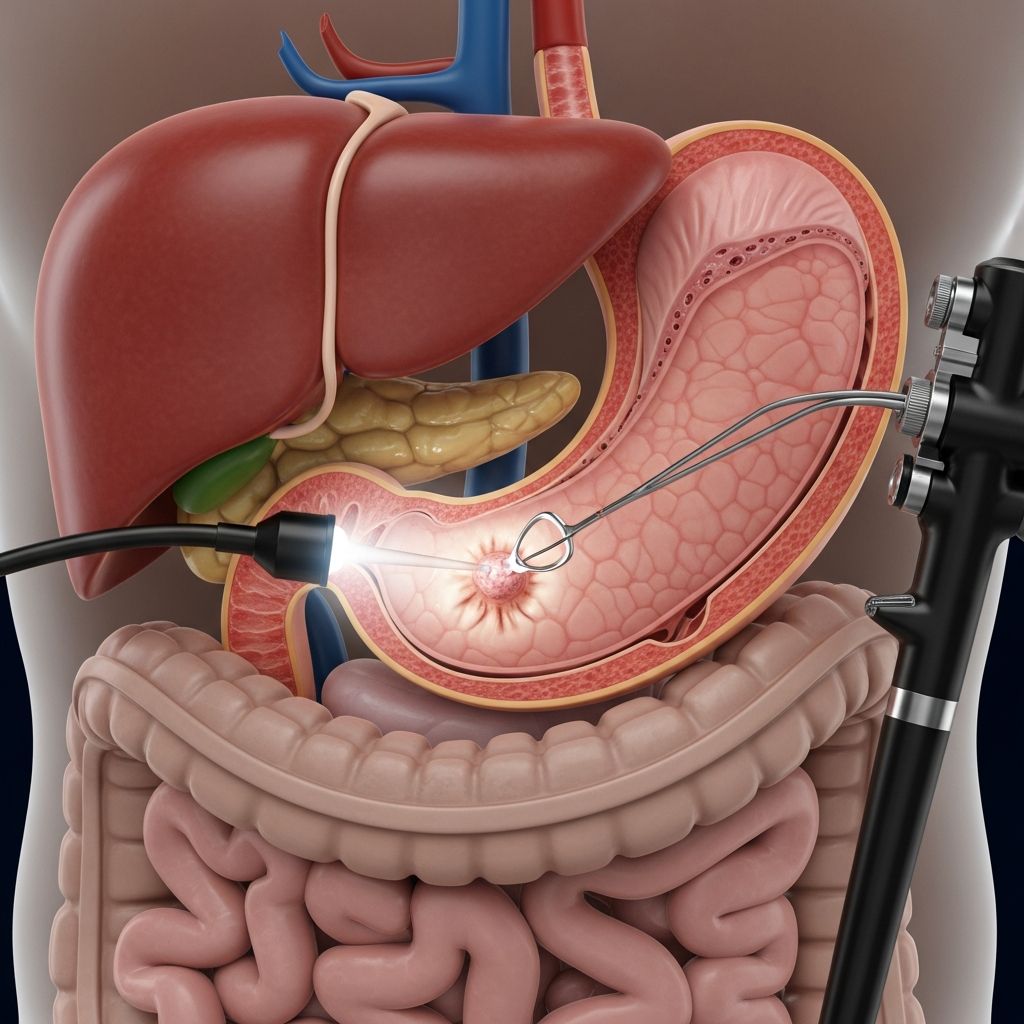
How Endoscopy Detects Stomach Cancer
Endoscopy is a crucial diagnostic tool in the detection and management of stomach cancer, also known as gastric cancer. This minimally invasive procedure allows physicians to directly visualize the interior of the stomach and obtain tissue samples for pathological examination. Understanding how endoscopy detects stomach cancer is essential for patients and healthcare providers alike, as early detection significantly improves treatment outcomes and survival rates. The advancement in endoscopic technology has revolutionized the way gastric cancers are identified, staged, and managed.
What Is Endoscopy?
Endoscopy, particularly upper endoscopy (also called esophagogastroduodenoscopy or EGD), is a medical procedure that involves inserting a thin, flexible, lighted tube called an endoscope through the mouth, down the throat, and into the stomach. The endoscope is equipped with a tiny video camera on its tip, allowing physicians to see the inner lining of the esophagus, stomach, and the first portion of the small intestine in real-time. During this procedure, the doctor can examine the gastric mucosa for any abnormal areas, polyps, lesions, or other signs of cancer. If suspicious areas are identified, the physician can pass specialized instruments through the endoscope to obtain tissue samples (biopsies) for laboratory analysis.
Types of Endoscopic Imaging Techniques
White-Light Endoscopy
White-light endoscopy, also known as conventional endoscopy, is the standard imaging modality used for evaluating the stomach. This technique utilizes standard white-light illumination to examine the gastric mucosa. Research demonstrates that endoscopists who spend adequate time carefully observing the stomach detect a greater number of early gastric cancer lesions compared to those performing rapid examinations. The sensitivity of white-light endoscopy for detecting gastric cancer and premalignant lesions ranges from 30% to 70%, depending on the experience of the endoscopist and the thoroughness of the examination. To optimize visualization, defoaming agents such as simethicone can be used to cleanse the stomach during evaluation, improving the visibility of the stomach lining. Contemporary practice includes standardized mapping protocols that ensure systematic examination of the entire gastric mucosa, preventing any areas from being overlooked during the procedure.
Narrow-Band Imaging (NBI)
Narrow-band imaging is an advanced endoscopic imaging technique that uses specific blue and green wavelengths of light to enhance visualization of the mucosal surface pattern and microvascular structures. These wavelengths correspond to the light absorption characteristics of hemoglobin, creating greater contrast and better visualization of capillaries in the endoscopic image. During NBI examination, lesions are evaluated for the presence of a demarcation line, which represents the border of the lesion where an abrupt change in microvascular and microsurface patterns occurs. If a demarcation line is present, the lesion is further evaluated for an irregular microvascular pattern (IMVP) and an irregular microsurface pattern (IMSP). When either an IMVP or IMSP is identified, a diagnosis of early gastric cancer is typically made. Studies show that while high-definition white-light endoscopy and NBI have similar overall detection rates for gastric cancer, NBI performs notably better in identifying intestinal metaplasia, a precancerous condition. For depressed small gastric cancers measuring less than 1 centimeter, magnifying NBI demonstrates accuracy and specificity rates exceeding 90%, with significantly superior sensitivity compared to white-light endoscopy alone.
Chromoendoscopy
Chromoendoscopy involves the application of chemical dyes to the gastric mucosa to enhance visualization of subtle mucosal abnormalities and facilitate detection of early gastric cancer. Meta-analytical reviews of chromoendoscopy’s diagnostic efficacy indicate improved detection of early gastric cancer and premalignant gastric lesions, with reported sensitivity of 90% and specificity of 82%. These superior diagnostic capabilities make chromoendoscopy a valuable adjunct in identifying lesions that might be overlooked with standard white-light endoscopy. However, it is important to note that no randomized controlled trials have definitively established the superiority of chromoendoscopy over other advanced imaging techniques, and further research is warranted.
Confocal Laser Endomicroscopy
Related Stories



Confocal laser endomicroscopy (CLE) is an innovative endoscopic technique that utilizes a low-power laser to obtain extraordinarily high magnification of the mucosal layer of the gastrointestinal tract, providing cellular-level visualization. This technology allows for in vivo microscopic examination of the gastric tissue during the endoscopic procedure. Prior studies and meta-analyses evaluating the diagnostic value of confocal laser endomicroscopy demonstrate that CLE provides high sensitivity and specificity for the diagnosis of gastric cancer, making it a promising tool for improving diagnostic accuracy, particularly for early-stage cancers.
Endoscopic Ultrasound (EUS) for Staging
Endoscopic ultrasound represents a pivotal advancement in the assessment and staging of gastric cancer. This technique combines endoscopy with ultrasound technology, allowing physicians to evaluate the depth of gastric cancer invasion and determine the extent of disease spread. During an EUS procedure, a small ultrasound probe is positioned on the tip of the endoscope. While the patient is appropriately sedated, the endoscope is advanced through the mouth and into the stomach, where the probe is placed against the gastric wall at the site of cancer. The probe emits sound waves and detects echoes as they bounce back from tissue layers, which are then converted into detailed images.
Assessing Depth of Invasion
The gastric wall consists of five distinct layers, each with characteristic ultrasound appearances (alternating hyperechoic and hypoechoic patterns). EUS is uniquely capable of distinctly identifying these individual layers, enabling precise determination of how deeply the cancer has invaded the gastric wall. This assessment is critical for staging purposes and determining whether the cancer qualifies as early gastric cancer (limited to the mucosa and submucosa) or more advanced disease. Meta-analysis of 54 clinical studies demonstrates that EUS successfully differentiates T1 and T2 stages from T3 and T4 stages, with reported sensitivity of 86% and specificity of 91%. Specifically for distinguishing T1 tumors from more advanced stages, EUS achieves sensitivity of 83% and specificity of 96%, highlighting its exceptional accuracy in identifying early-stage cancers that may be candidates for endoscopic resection.
Lymph Node Assessment
Beyond assessing the primary tumor, EUS also serves as a valuable modality for determining lymph node involvement in gastric cancer. Endosonographers evaluate multiple characteristics to identify lymph node metastases, including nodal size, margin characteristics, and echogenicity patterns. Larger lymph nodes with sharp, well-defined margins and hypoechoic appearance are more suggestive of malignant involvement. Meta-analytical data indicates that while EUS remains useful for nodal staging, its performance for lymph node assessment is somewhat less robust than for primary tumor staging, with sensitivity of 69% and specificity of 84%. This variation reflects the inherent heterogeneity among studies and the technical challenges in differentiating benign from malignant lymph nodes based on imaging characteristics alone.
Tissue Sampling and Biopsy
One of the most significant advantages of endoscopy in stomach cancer detection is the ability to obtain tissue samples during the same procedure. When abnormal areas are visualized during endoscopy, specialized instruments can be passed through the working channel of the endoscope to obtain biopsy samples. These tissue samples are then sent to a pathology laboratory, where they are examined under a microscope by pathologists to determine whether cancer cells are present and to characterize the type and grade of cancer. Biopsy confirmation is essential for definitive diagnosis and guides subsequent treatment planning.
Preparation and Procedure Details
Prior to endoscopy, patients receive detailed instructions regarding fasting requirements, typically nothing by mouth for 6-8 hours before the procedure. During the procedure, patients are sedated to ensure comfort and reduce anxiety. The endoscope is gently advanced through the mouth and pharynx into the esophagus and then into the stomach. Systematic examination of all gastric regions follows standardized protocols to ensure comprehensive visualization. The entire procedure typically takes 15-30 minutes, depending on the complexity of findings and whether biopsies are obtained.
Complementary Imaging Modalities
While endoscopy is the primary diagnostic tool for detecting stomach cancer, complementary imaging studies are often employed to assess the extent of disease and evaluate for metastatic spread. Computed tomography (CT) scans can provide detailed cross-sectional images of the stomach and surrounding structures, confirming cancer location and evaluating potential spread to the liver, peritoneum, and distant lymph nodes. Positron emission tomography (PET) scans utilize radioactive glucose to identify areas of increased metabolic activity characteristic of cancer cells, though their utility in gastric cancer is variable depending on histological type. Some stomach cancers, particularly gastric adenocarcinomas, may not accumulate sufficient radioactive tracer for effective detection. Combination PET/CT imaging enhances diagnostic capabilities by providing both functional and anatomical information simultaneously.
Advanced Technologies and Artificial Intelligence
Recent innovations in endoscopic technology include the integration of artificial intelligence and computer-aided detection systems. These systems can assist in identifying suspicious lesions during white-light endoscopy examination and predicting invasion depth using deep learning algorithms. Studies demonstrate that artificial intelligence methods achieve accuracy and specificity significantly superior to experienced endoscopists in determining tumor invasion depth. Real-time AI systems such as ENDOANGEL now encompass multiple aspects of early gastric cancer diagnosis, including detection with white-light endoscopy, magnifying narrow-band imaging analysis, and invasion depth prediction, representing a paradigm shift in how endoscopy contributes to cancer detection.
Clinical Significance and Outcomes
The detection of stomach cancer through endoscopy has profound implications for patient outcomes. Early detection through screening endoscopy, particularly in high-risk populations, enables diagnosis at earlier stages when curative treatment options such as endoscopic resection are feasible. In countries with established screening programs, early gastric cancer detection significantly improves five-year survival rates compared to detection of advanced cancers. The combination of multiple endoscopic imaging modalities and tissue sampling capability makes endoscopy an indispensable tool in modern gastric cancer management.
Frequently Asked Questions
Q: Is endoscopy painful?
A: No, endoscopy is not painful. Patients receive sedation before the procedure, which makes them drowsy and prevents discomfort. Some patients may experience mild throat soreness afterward, which typically resolves within a few days.
Q: How long does an upper endoscopy take?
A: The procedure typically takes 15-30 minutes. However, patients should plan for 2-3 hours total, accounting for pre-procedure preparation, sedation administration, recovery time, and post-procedure monitoring.
Q: What are the risks associated with endoscopy?
A: Endoscopy is generally very safe. Serious complications are rare and may include perforation of the stomach wall, bleeding from biopsy sites, or adverse reactions to sedation. Your physician will discuss specific risks based on your individual circumstances.
Q: Can endoscopy detect all types of stomach cancer?
A: Endoscopy is highly effective for detecting most gastric cancers, particularly those involving the mucosa and submucosa. However, early detection depends on the thoroughness of examination and the expertise of the endoscopist. Advanced imaging techniques significantly improve detection rates.
Q: What happens if cancer is found during endoscopy?
A: If cancer is suspected, tissue samples (biopsies) are obtained for pathological analysis. Once the biopsy results confirm cancer diagnosis, your physician will discuss staging studies and treatment options with you.
Q: How soon after endoscopy will I receive results?
A: Preliminary results may be available immediately after the procedure. However, final pathology results from tissue samples typically take 5-7 business days, as they require detailed microscopic examination and analysis by pathologists.
Q: Can endoscopy be used to treat stomach cancer?
A: Yes, endoscopy can serve therapeutic functions for early-stage gastric cancers. Endoscopic mucosal resection (EMR) and endoscopic submucosal dissection (ESD) are minimally invasive techniques that can completely remove certain early cancers without requiring surgical resection of the stomach.
References
- Endoscopic advances in the management of gastric cancer and premalignant gastric lesions — National Center for Biotechnology Information (NCBI/PMC). 2023-03-15. https://pmc.ncbi.nlm.nih.gov/articles/PMC10080555/
- How is stomach cancer diagnosed? — American Cancer Society. 2024. https://www.cancer.org/cancer/types/stomach-cancer/detection-diagnosis-staging/how-diagnosed.html
- Endoscopic diagnosis and treatment in gastric cancer — Frontiers in Surgery. 2023-05-22. https://www.frontiersin.org/journals/surgery/articles/10.3389/fsurg.2023.1122454/full
- Stomach Cancer: Diagnosis and Treatment — Mayo Clinic. 2024. https://www.mayoclinic.org/diseases-conditions/stomach-cancer/diagnosis-treatment/drc-20352443
- Stomach Cancer Diagnosis and Tests — National Cancer Institute (NCI). 2024. https://www.cancer.gov/types/stomach/diagnosis
- Tests for stomach cancer and next steps — National Health Service (NHS). 2024. https://www.nhs.uk/conditions/stomach-cancer/tests-and-next-steps/
Similar Articles








Read full bio of medha deb