How Fast Does Hair Grow? What You Need To Know For 2025
Understand the science of hair growth rates, factors influencing speed, and tips to optimize healthy hair development.
Hair grows at an average rate of about 0.5 inches (1.25 cm) per month, or roughly 6 inches per year, though this varies by individual factors such as genetics, age, and health.
This growth occurs through a cyclic process involving three main phases: anagen (growth), catagen (transition), and telogen (resting). Understanding these phases and influences helps explain why hair doesn’t grow uniformly and how to support its health.
The Hair Growth Cycle
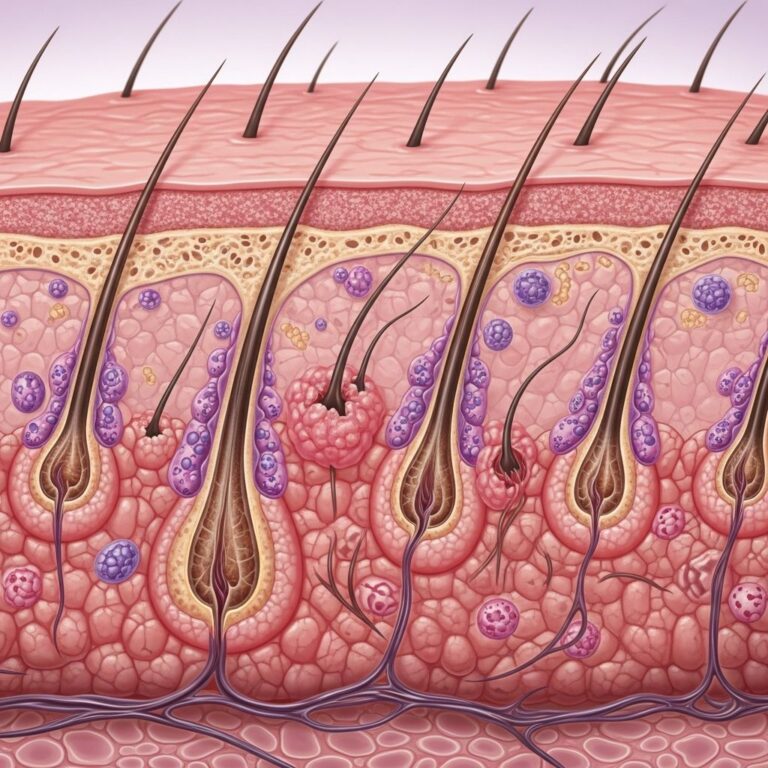
The hair growth cycle is a continuous process that each follicle undergoes independently, with about 85-90% of scalp hairs in the active growth phase at any time.
Anagen Phase (Growth): This active phase lasts 2-7 years, during which hair grows approximately 1 cm per month. The length of anagen determines maximum hair length; longer phases allow for longer hair. Around 85-90% of follicles are in this phase.
Catagen Phase (Transition): Lasting 2-3 weeks, growth stops as the follicle shrinks and detaches from its blood supply.
Telogen Phase (Resting): For 3-6 months, the hair rests before shedding, with 10-15% of follicles in this stage. After shedding, a new anagen phase begins.
| Phase | Duration | Percentage of Follicles | Description |
|---|---|---|---|
| Anagen | 2-7 years | 85-90% | Active growth at ~1 cm/month |
| Catagen | 2-3 weeks | ~1% | Transition; growth ceases |
| Telogen | 3-6 months | 10-15% | Resting; hair sheds |
This cycle repeats asynchronously across the scalp, ensuring steady growth and renewal.
Factors That Affect Hair Growth Rate
Several biological and environmental factors influence hair growth speed and cycle length.
Genetics and Ethnicity
Genetics primarily dictate growth rate, thickness, and texture. Asian hair often grows faster (up to 0.8 inches/month) due to longer anagen phases, while African descent hair grows slower (~0.2 inches/month). Thicker hair (>60 μm) grows faster (11.4 mm/month) than thinner strands.
Age
Hair grows fastest between ages 15-30, declining ~0.5% annually after 30 due to reduced follicular activity. Older age leads to thinner, slower growth or follicle shutdown.
Sex and Hormones
Male hair may grow slightly faster, but differences are minimal. Hormones like DHT shorten anagen in susceptible individuals, causing thinning; pregnancy estrogen boosts growth.
Nutrition and Diet
Nutrients are vital: protein for keratin, iron, zinc, biotin, vitamins A/C/D/E. Deficiencies slow growth.
- Protein: Primary hair component; aim for 46-56g daily.
- Iron: Prevents anemia-related loss; found in spinach, red meat.
- Omega-3s: Reduce inflammation; in fish, nuts.
- Vitamin D: Supports follicles; from sun, fortified foods.
Health and Lifestyle
Stress triggers telogen effluvium, pushing hairs into resting phase. Smoking restricts blood flow, slowing growth. Seasonal variations occur, with faster summer growth from better circulation.
How to Make Your Hair Grow Faster
While genetics limit maximum rate, optimize conditions for health.
Scalp Massage
Daily 4-minute massages increase blood flow, thickening hair after 24 weeks per study.
Related Stories



Gentle Hair Care
Avoid heat tools, tight styles, harsh chemicals. Use wide-tooth combs, silk pillowcases to minimize breakage.
Stress Management
Meditation, exercise reduce cortisol, preventing cycle disruption.
Trims and Protection
Trim ¼ inch every 8-12 weeks to remove split ends without slowing growth. Protect from sun/UV.
Medical Conditions and Hair Growth
Certain conditions disrupt cycles:
- Alopecia Areata: Autoimmune; patchy loss.
- Telogen Effluvium: Stress/nutrition-induced shedding.
- Thyroid Disorders: Slow growth, thinning.
- PCOS/Androgenic Alopecia: Hormonal imbalances.
Consult dermatologists for treatments like minoxidil or PRP.
Hair Growth Myths
Myth: Shaving makes hair grow faster/thicker. No; it blunts tips temporarily.
Myth: Cutting increases speed. No; supports health by preventing breakage.
Myth: Frequent washing slows growth. No; dirt blocks follicles.
Recent Research on Hair Growth
A 2025 Nature Communications study identified MCL-1 protein as key for follicle stem cell survival, potentially extending anagen for treatments. Ongoing research targets growth factors and stem cells.
Frequently Asked Questions
How fast does hair grow in a year?
On average, 6 inches, but up to 15 cm depending on factors.
Does hair grow faster at night?
No evidence; growth is continuous but measured monthly.
Can diet really speed up hair growth?
Yes, nutrient deficiencies slow it; balanced diet optimizes.
Why does hair grow slower as we age?
Follicles miniaturize, anagen shortens.
Is hair growth different by body part?
Yes; scalp fastest, leg/arms slower.
References
- How Fast Does Hair Grow? — Dyson. 2025. https://www.dyson.com/discover/insights/hair/science/how-fast-does-hair-grow
- How fast does hair grow? Facts and healthy hair growth tips — Medical News Today. 2023-10-27. https://www.medicalnewstoday.com/articles/326764
- How fast does hair grow? — Live Science. 2014-06-06. https://www.livescience.com/42868-how-fast-does-hair-grow.html
- The Fastest Growing Tissue in Human Body: Surprising Hair Facts — Restore Hair. N/A. https://restorehair.com/surprising-hair-facts/
- Human hair growth — Wikipedia (references primary studies). N/A. https://en.wikipedia.org/wiki/Human_hair_growth
Similar Articles








Read full bio of Sneha Tete