How Fat Affects Gout: A Comprehensive Guide To Reducing Risk
Understand how excess body fat, especially belly fat, heightens gout risk and learn strategies to manage weight for better joint health.
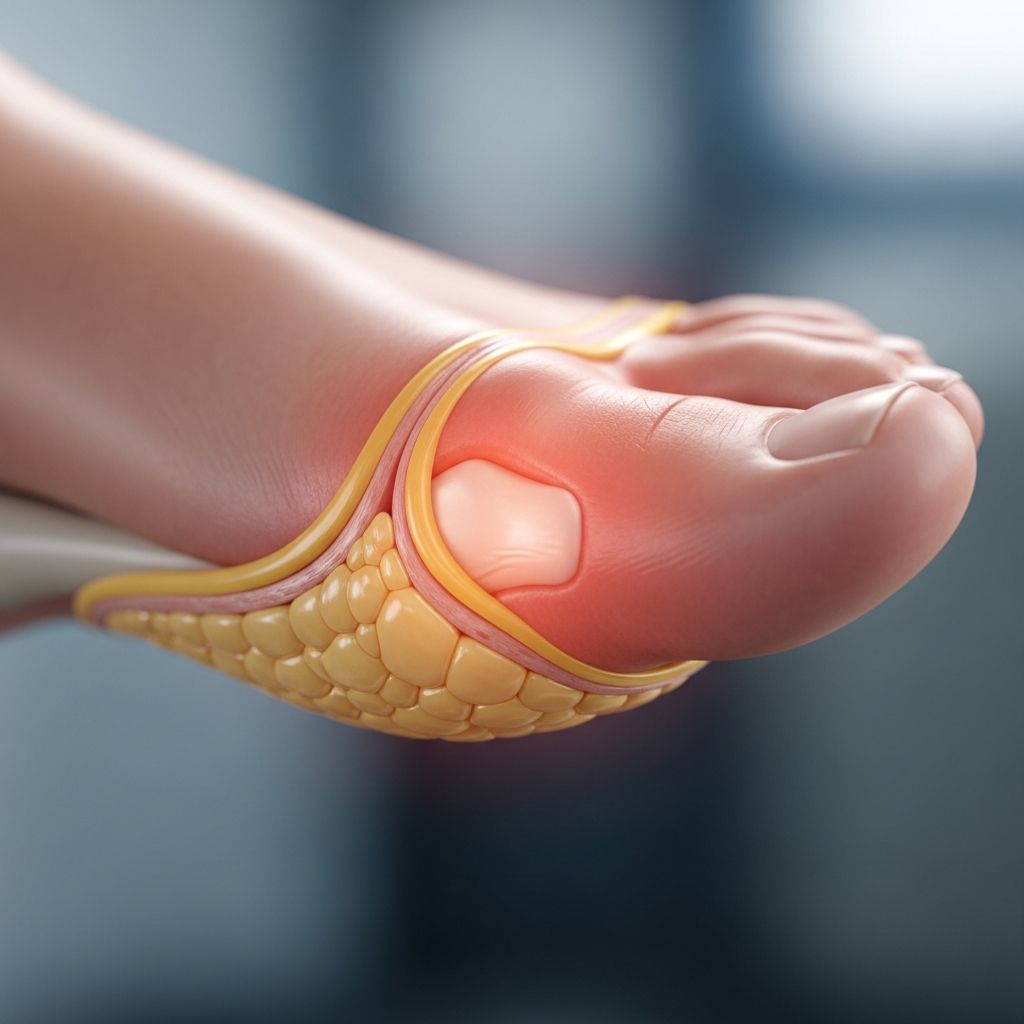
Excess body fat plays a critical role in elevating the risk of gout, a painful form of inflammatory arthritis caused by uric acid crystal buildup in joints. People with higher body weight, particularly visceral fat around the abdomen, face significantly higher chances of developing gout earlier and more severely.
Why Fat Matters
Gout develops when uric acid accumulates in the blood, forming sharp crystals that lodge in joints, most commonly the big toe, triggering intense pain and inflammation. Uric acid is a byproduct of purine breakdown, found in foods like red meat, shellfish, and beer. Healthy kidneys filter and excrete uric acid efficiently, but excess body fat impairs this process.
The heavier a person is, the less effectively the kidneys eliminate uric acid, leading to hyperuricemia – elevated blood uric acid levels. Research indicates that the heaviest individuals have a tenfold or higher risk of gout compared to those at healthy weights. Moreover, gout onset occurs about a decade earlier in obese people.
Location of fat is equally vital. Visceral fat (deep belly fat surrounding organs) is more dangerous than subcutaneous fat (under the skin, like on thighs). Even individuals not classified as overweight but with high visceral fat are prone to gout. Visceral fat releases more inflammatory chemicals, exacerbating uric acid crystal formation and joint attacks.
Studies confirm obesity’s strong link: about 70% of gout patients are overweight, and 14% are obese. Women with obesity are three times more likely to develop gout, while men face a 2.2-fold increase. Genetics amplify this; a high genetic risk score raises gout odds by 60-80%, and combined with overweight status, the risk multiplies beyond additive effects – especially in women.
Other Health Problems
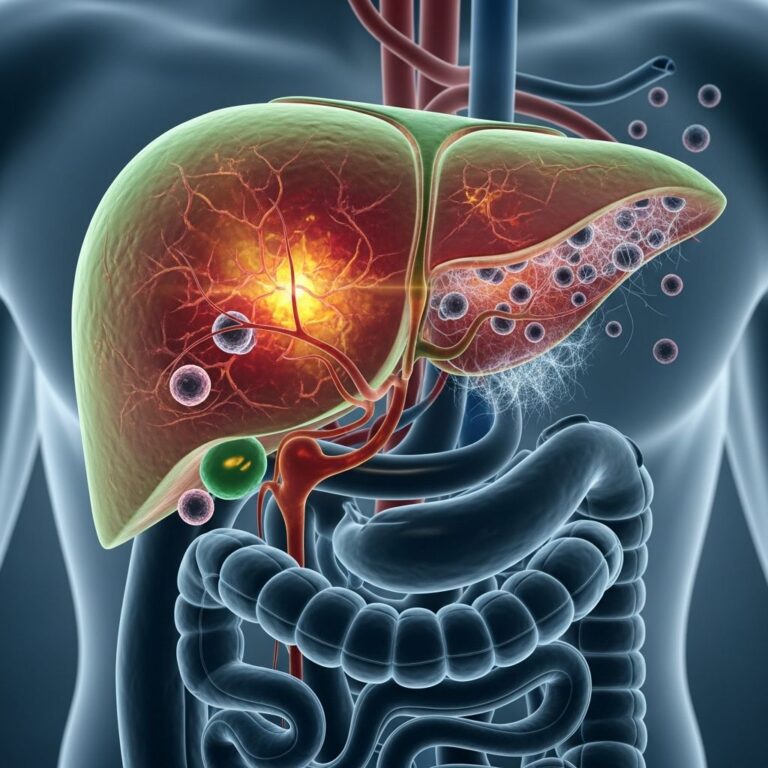
Gout rarely occurs in isolation. It clusters with serious conditions like type 2 diabetes, high blood pressure, heart disease, stroke, chronic kidney disease, and hypertension. Inflammation links these comorbidities, not gout alone. Excess fat tissue acts as an active endocrine organ, secreting pro-inflammatory adipokines, tumor necrosis factor-alpha (TNF-alpha), and interleukin-1 (IL-1), which fuel systemic inflammation.
Obesity worsens these risks. For instance, obese gout patients develop the disease years earlier. Gout affects more than joints; it impacts organs like the heart. Experts emphasize that while gout causes pain, its associated inflammation drives broader health damage.
High-fructose corn syrup (HFCS), common in processed foods, indirectly worsens gout via weight gain and direct uric acid spikes. Consuming HFCS rapidly elevates uric acid levels, purines are released during its metabolism, doubling gout risk in obese individuals.
Lifestyle Matters
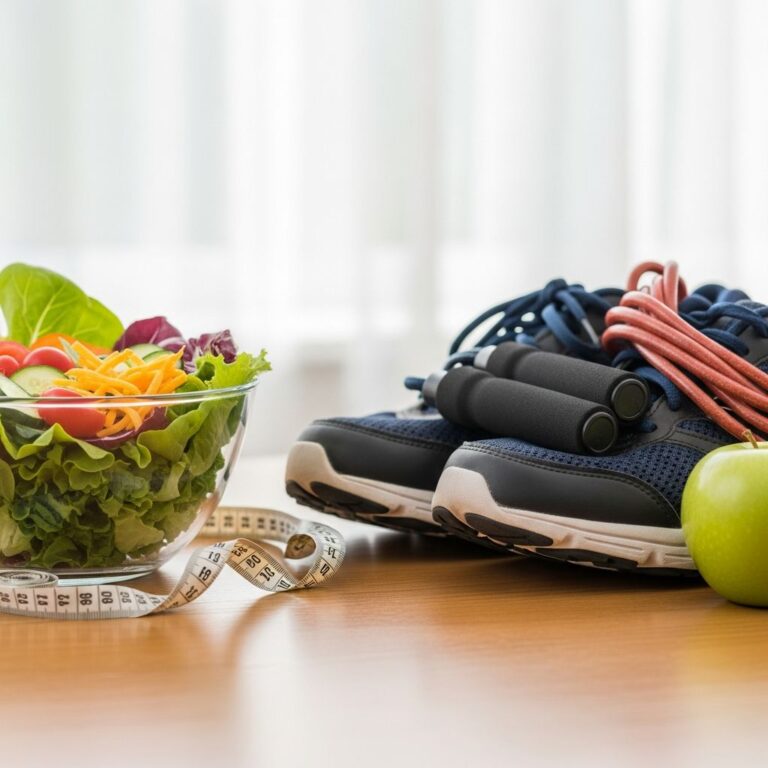
Managing gout requires more than avoiding purine-rich foods; a holistic approach targeting weight loss is essential. Diets like DASH (Dietary Approaches to Stop Hypertension) or Mediterranean emphasize fruits, vegetables, whole grains, low-fat dairy, and healthy fats like olive oil, while limiting red meat, sugars, and processed items.
Related Stories



Low-fat dairy products lower uric acid: studies show more dairy consumption correlates with reduced levels and fewer flares. Fish oil supplements may help, with one study noting reduced gout attacks without weight gain.
Exercise and weight loss are powerful. Losing just 16 pounds in a trial dropped uric acid by 3 points, preventing flares. A low-calorie diet in gout patients achieved 7.7 kg loss over 16 weeks, slashing monthly attacks from 2.1 to 0.6 by boosting renal urate excretion and curbing production.
Reducing body fat minimizes gout risk, particularly for genetically predisposed women. While genetics are fixed, weight management – though challenging – offers substantial protection.
Frequently Asked Questions
Does losing weight cure gout?
No, but it significantly lowers uric acid levels, reduces flare frequency, and delays onset. Aim for gradual loss through diet and exercise.
Is belly fat worse for gout than other fat?
Yes, visceral fat promotes more inflammation and impairs kidney function more than subcutaneous fat.
Can diet alone manage gout without meds?
Diet and lifestyle help many, but medications like allopurinol may be needed for frequent flares or tophi. Consult a doctor.
Are women at higher gout risk from obesity?
Obese women face triple the risk, amplified by genetics more than in men.
Does HFCS directly cause gout attacks?
It spikes uric acid quickly and promotes obesity, doubling risk in overweight people.
| BMI Category | Risk Increase (Women) | Risk Increase (Men) |
|---|---|---|
| Overweight | 2x | 2x |
| Obese | 3x | 2.2x |
Key Takeaway: Prioritize sustainable weight loss to combat gout’s root causes.
References
- Reducing Body Fat helps to Minimize the Risk of Developing Gout — Arthritis Research Canada. 2022-10-03. https://www.arthritisresearch.ca/reducing-body-fat-minimizes-risk-of-gout/
- The Fructose-Gout Connection — Arthritis Foundation. Accessed 2026. https://www.arthritis.org/health-wellness/healthy-living/nutrition/healthy-eating/fructose-gout-link
- How Fat Affects Gout — Arthritis Foundation. Accessed 2026. https://www.arthritis.org/health-wellness/about-arthritis/related-conditions/other-diseases/how-fat-affects-gout
- How Fat Can Worsen Arthritis — Arthritis Foundation. Accessed 2026. https://www.arthritis.org/health-wellness/about-arthritis/understanding-arthritis/fat-and-arthritis
- The Obesity Paradox in Recurrent Attacks of Gout — PMC (PubMed Central). 2016. https://pmc.ncbi.nlm.nih.gov/articles/PMC5179319/
Similar Articles








Read full bio of medha deb