How Fat Affects Osteoarthritis And 4 Other Arthritis Types
Understand how excess fat worsens osteoarthritis through mechanical stress and inflammation, plus strategies for effective weight management.
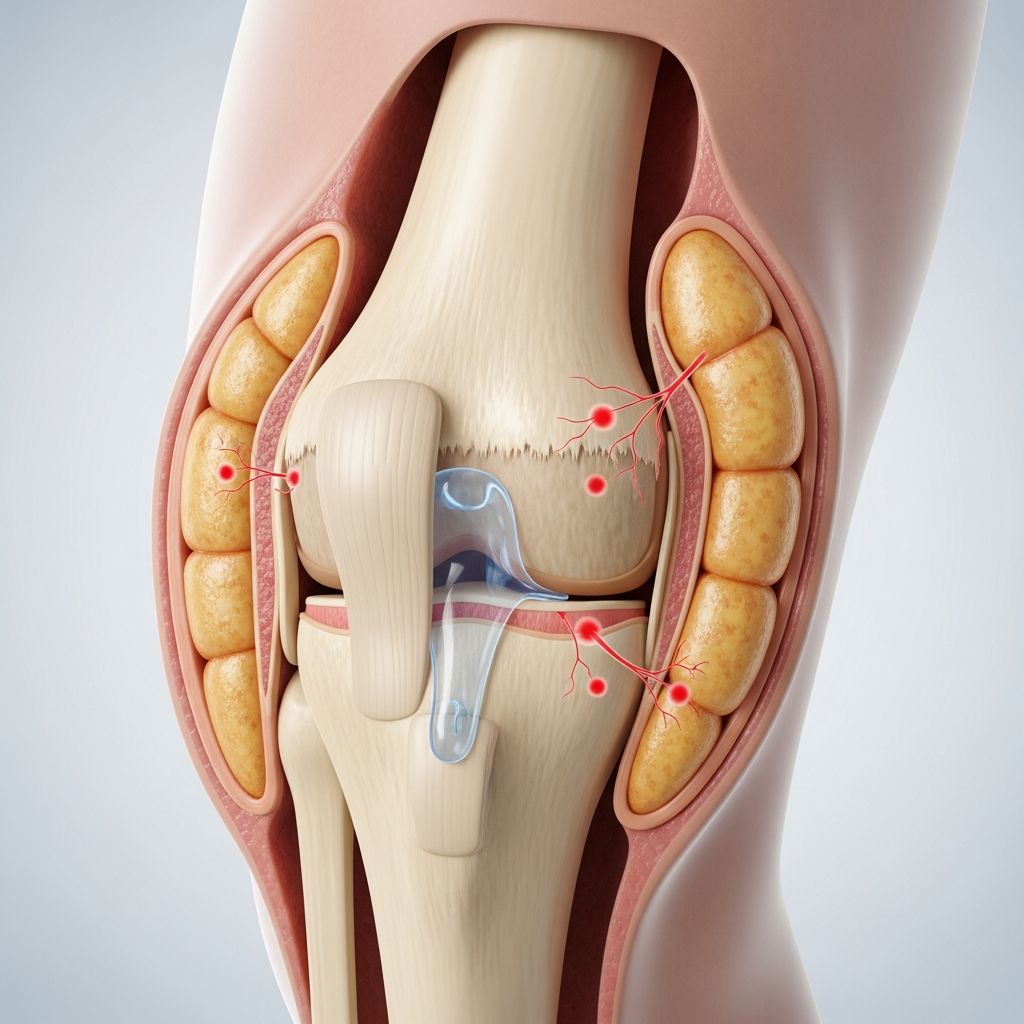
Excess body fat plays a significant role in worsening osteoarthritis (OA) through both mechanical stress on weight-bearing joints and the release of pro-inflammatory chemicals from adipose tissue. Losing weight can dramatically reduce joint pressure and inflammation, improving pain and function.
Osteoarthritis
Osteoarthritis is the most prevalent form of arthritis, impacting over 32.5 million Americans. It involves the gradual breakdown of cartilage, the protective tissue covering bone ends in joints, influenced by factors like age, injury, genetics, and lifestyle.
Why Obesity Matters
The connection between obesity and OA is straightforward: additional body weight increases mechanical load on joints, particularly weight-bearing ones such as knees and hips. Each extra pound adds approximately four pounds of pressure to the knees, accelerating cartilage wear and damage.
“Weight plays an important role in joint stress, so when people are very overweight, it puts stress on their joints, especially their weight-bearing joints like the knees and the hips,” explains Eric Matteson, MD, emeritus chair of the rheumatology division at the Mayo Clinic.
Beyond mechanics, fat tissue is metabolically active, secreting cytokines and adipokines that promote inflammation. These chemicals can infiltrate joints, exacerbating OA even in non-weight-bearing areas like hands.
Research from mouse studies demonstrates that fat directly influences cartilage health. Mice without fat showed protection from cartilage damage post-injury, suggesting fat ‘communicates’ with cartilage via inflammatory signals.
Rheumatoid Arthritis
Rheumatoid arthritis (RA) affects up to 1.5 million Americans as an autoimmune condition where the immune system attacks joint tissues, causing widespread inflammation, erosion, and pain.
Why Obesity Matters
Fat tissue releases cytokines like adipokines, tumor necrosis factor-alpha (TNF-alpha), and interleukin-1 (IL-1), which heighten inflammation in RA. These pro-inflammatory mediators affect musculoskeletal and cardiovascular systems, worsening disease outcomes.
“Fat tissue is not inert,” notes Jeffrey N. Katz, MD, from Harvard Medical School. Obese individuals with RA experience amplified symptoms due to this ‘double whammy’ of mechanical stress and biochemical inflammation.
Psoriatic Arthritis
Psoriatic arthritis often follows psoriasis, creating a cycle where initial skin inflammation leads to joint involvement. Obesity compounds this through elevated cytokines.
Why Obesity Matters
The metabolic changes in obesity, including increased leptin, adiponectin, and pro-inflammatory cytokines, drive psoriatic arthritis progression. “First they get psoriasis, then they get psoriatic arthritis,” says Dafna Gladman, MD, from the University of Toronto.
Lupus
Lupus, or systemic lupus erythematosus, is an autoimmune disease causing inflammation across organs, including joints. Its relationship with obesity involves both inflammation and body mechanics.
Why Obesity Matters
Obese lupus patients release more inflammatory cytokines, potentially elevating cardiovascular risks—a major concern in lupus. Extra weight also intensifies joint loading, worsening pain.
Fat and Fibromyalgia
Fibromyalgia affects up to 6% of Americans, primarily women, with symptoms including widespread pain, fatigue, sleep disturbances, cognitive issues, and tender points.
While direct links are less defined, obesity correlates with heightened fibromyalgia symptoms via inflammation from fat-derived cytokines and increased body stress.
The Science Behind Fat and Inflammation
Related Stories



Adipose tissue produces adipokines (e.g., leptin promotes inflammation, adiponectin may protect) and cytokines like TNF-alpha and IL-1, fueling low-grade systemic inflammation. This ‘metaflammation’ damages cartilage and synovial fluid, even in non-loaded joints.
Gut microbiome imbalances exacerbate this; obesity alters microbiota, reducing anti-inflammatory short-chain fatty acids from fiber and increasing pro-inflammatory species like Streptococcus, which infiltrate joints.
| Mediator | Effect on Arthritis | Source |
|---|---|---|
| Adipokines (e.g., leptin) | Promotes inflammation, worsens RA/OA | |
| TNF-alpha | Joint erosion, pain amplification | |
| IL-1 | Cartilage breakdown | |
| Short-chain fatty acids (deficient in OA) | Protective when from fiber; low in obese |
Weight Loss Benefits for Arthritis
Losing 10-20% of body weight yields superior improvements in pain, function, and quality of life compared to 5% loss. Each pound shed relieves four pounds of knee pressure and reduces inflammatory cytokines.
- Joint Protection: Slows cartilage loss, especially post-OA diagnosis.
- Inflammation Reduction: Diminishes body-wide metaflammation.
- Overall Health: Lowers comorbidity risks like heart disease.
A 2015 study showed OA patients on plant-based diets reduced pain in two weeks without calorie counting. Mediterranean diets prevent frailty in OA patients, halving risk vs. typical American diets.
Practical Tips for Weight Management
Achieving healthier weight involves sustainable changes:
- Adopt a Mediterranean diet: Emphasize plants, fiber-rich foods to boost short-chain fatty acids and microbiome health.
- Aim for 10% loss: Targets pain mitigation without extreme measures.
- Incorporate exercise: Low-impact activities preserve muscle while burning fat.
- Focus on body composition: Preserve lean mass during loss for better outcomes.
Frequently Asked Questions (FAQs)
Does losing weight reverse osteoarthritis?
Weight loss cannot fully reverse OA but significantly slows progression, reduces pain, and protects remaining cartilage.
How much weight loss helps knee OA?
10% body weight reduction markedly improves pain and function; every pound lost eases four pounds of knee stress.
Is fat inflammation a factor in non-weight-bearing joints?
Yes, cytokines from fat affect all joints, including hands and shoulders.
What’s the best diet for OA and obesity?
Mediterranean or plant-based diets reduce inflammation, aid weight loss, and improve frailty scores.
Can microbiome affect OA via fat?
Yes, obesity disrupts gut bacteria, reducing anti-inflammatory compounds and promoting joint-damaging species.
References
- How Fat Can Worsen Arthritis — Arthritis Foundation. 2023. https://www.arthritis.org/health-wellness/about-arthritis/understanding-arthritis/fat-and-arthritis
- Mediterranean Diet for Osteoarthritis — Arthritis Foundation. 2023. https://www.arthritis.org/health-wellness/healthy-living/nutrition/healthy-eating/mediterranean-diet-for-osteoarthritis
- Beyond Weight: Fat & Arthritis Podcast EP 67 — Arthritis Foundation. 2023. https://www.arthritis.org/liveyes/podcast/new-podcast/beyond-weight-fat-and-arthritis
- Microbiome’s Role in Osteoarthritis — Arthritis Foundation. 2023. https://www.arthritis.org/diseases/more-about/microbiomes-role-in-osteoarthritis
- Weight Loss Benefits for Arthritis — Arthritis Foundation. 2023. https://www.arthritis.org/health-wellness/healthy-living/nutrition/weight-loss/weight-loss-benefits-for-arthritis
- OA Diagnosis: Why Weight Loss Matters — Arthritis Foundation. 2023. https://www.arthritis.org/health-wellness/healthy-living/nutrition/weight-loss/oa-diagnosis-why-weight-loss-matters
Similar Articles








Read full bio of Sneha Tete