How Fat Affects Psoriatic Arthritis: 4 Practical Strategies
Understand the powerful connection between excess body fat and psoriatic arthritis symptoms, risks and management strategies for better health.

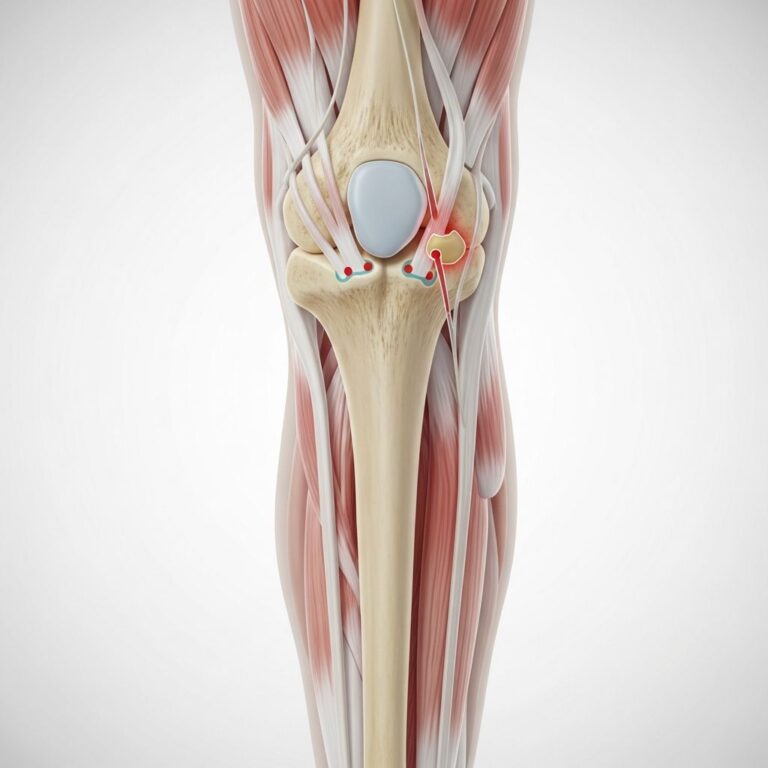
Psoriatic arthritis (PsA) is an inflammatory autoimmune condition affecting up to 30% of people with psoriasis, causing joint pain, swelling, and skin symptoms. Excess body fat plays a significant role in worsening PsA through chronic low-grade inflammation produced by adipose tissue. Obese individuals face higher risks of developing PsA, more severe symptoms, poorer treatment responses, and elevated cardiovascular comorbidities.
Adipose tissue releases pro-inflammatory mediators like tumor necrosis factor alpha (TNFα), interleukin-6 (IL-6), leptin, and adiponectin, creating a persistent inflammatory state that exacerbates PsA. Studies show patients with higher body mass index (BMI) are less likely to achieve minimal disease activity (MDA) and experience greater disease burden. This article explores the mechanisms, impacts, and strategies for managing fat-related effects in PsA.
Obesity as a Risk Factor for Psoriatic Arthritis
Obesity significantly elevates the risk of developing PsA, particularly in those with psoriasis. Research indicates that psoriasis patients obese at age 18 have triple the risk of PsA compared to those with normal BMI, with earlier onset. A higher BMI correlates with increased PsA incidence, possibly due to adipose-driven inflammation.
Patients with PsA exhibit higher obesity prevalence than the general population or those with rheumatoid arthritis (RA). In the CORRONA Registry, 45% of PsA patients were obese versus 39% in RA, with mean BMI of 30.6 kg/m² versus 29.3 kg/m². Over 50% of PsA patients have at least one comorbidity, with obesity among the most common.
- Psoriasis patients with obesity develop PsA earlier and more severely.
- Adipose tissue promotes immuno-inflammatory responses via pathways like JNK, upregulated in obesity.
- Mechanical joint loading and dyslipidemia from obesity may contribute.
Mechanisms: How Fat Fuels PsA Inflammation
Fat is metabolically active, producing adipokines and cytokines that drive inflammation. In PsA, leptin levels are elevated, and adiponectin (anti-inflammatory) is reduced in obese patients. TNFα and IL-6 from fat tissue amplify joint and skin inflammation, mirroring PsA pathology.
Obesity creates systemic low-grade inflammation, sustaining autoimmune responses. This ‘double whammy’—psoriasis followed by PsA—is worsened by obesity-related metabolic changes. Even after controlling for obesity, PsA patients have higher diabetes risk, suggesting disease-specific inflammatory contributions.
| Pro-Inflammatory Factor | Source in Obesity | Impact on PsA |
|---|---|---|
| TNFα | Adipose tissue | Increases joint inflammation and erosion |
| IL-6 | Visceral fat | Elevates disease activity measures like CRP |
| Leptin | Higher in obese psoriasis patients | Promotes Th17 cells, worsening autoimmunity |
| Adiponectin (low) | Obesity suppresses | Reduces anti-inflammatory protection |
Impact on Disease Activity and Treatment Response
Obese PsA patients experience higher disease severity, including more joint counts, elevated C-reactive protein (CRP), worse HAQ-DI scores, and higher composite indices like cDAPSA. They have longer diagnostic delays and reduced chances of remission.
Obesity impairs response to therapies. Higher BMI patients show poorer outcomes with DMARDs and TNFi. Fewer achieve EULAR good/moderate response. Metabolic syndrome, prevalent in PsA, further hinders minimal disease activity.
Related Stories



- Obese PsA: Higher CRP, joint counts, HAQ-DI.
- Reduced MDA achievement.
- Poorer TNFi response; weight loss improves ACR20 rates.
Comorbidities: Metabolic Syndrome and Cardiovascular Risks
PsA patients have elevated cardio-metabolic issues: obesity, hypertension, diabetes, hyperlipidemia. Metabolic syndrome—central obesity, hypertension, insulin resistance, dyslipidemia—is more common in PsA than psoriasis or controls. Inflammation from PsA and fat clogs arteries, raising heart disease risk.
Obesity adds to PsA’s cardiovascular morbidity. Over 40% have multiple comorbidities. PsA with high activity increases diabetes risk independently of obesity.
Benefits of Weight Loss in PsA Management
Weight reduction dramatically improves PsA outcomes. Dietary interventions reduce DAS28-CRP, DAPSA, HAQ-DI in a dose-response manner. Losing weight lowers inflammation, enhances drug efficacy, and cuts comorbidity risks like diabetes and heart disease.
Even modest loss decreases uric acid and joint pressure. Combined diet-exercise outperforms either alone. Obesity reduces remission chances in PsA/RA; weight loss reverses this.
- 5-10% weight loss: Better ACR20, reduced DAS28.
- Lowers overall inflammation from fat.
- Improves psoriasis skin symptoms.
Practical Strategies for Weight Management in PsA
Managing weight requires tailored approaches. Portion control combats obesity’s inflammatory role. Exercise, despite joint pain, preserves muscle and reduces fat.
- Diet: Anti-inflammatory foods; reduce processed sugars/fats.
- Exercise: Low-impact like swimming, walking; aim 150 min/week.
- Monitoring: Track BMI, waist circumference for metabolic syndrome.
- Medical Support: Discuss GLP-1 agonists or bariatrics with rheumatologist.
Studies affirm dieting plus exercise best for PsA pain/skin relief.
Frequently Asked Questions (FAQs)
Does obesity cause psoriatic arthritis?
Obesity increases PsA risk up to threefold via inflammation, but does not directly cause it. It’s a strong modifiable risk factor.
Can weight loss improve my PsA symptoms?
Yes, weight loss reduces disease activity (DAS28, DAPSA), enhances treatment response, and lowers comorbidities in a dose-dependent way.
How does fat tissue contribute to PsA inflammation?
Fat releases TNFα, IL-6, leptin—pro-inflammatory signals that amplify PsA’s autoimmune joint/skin attacks.
Is metabolic syndrome common in PsA?
Yes, more prevalent than in psoriasis or general population; links to severe symptoms and poor outcomes.
What lifestyle changes help manage weight with PsA?
Combine calorie-controlled diet, regular low-impact exercise, and medical oversight for sustainable loss and symptom relief.
References
- Obesity and Psoriatic Arthritis: A Narrative Review — PMC/NCBI. 2020-07-24. https://pmc.ncbi.nlm.nih.gov/articles/PMC7410935/
- Metabolic Comorbidities of Psoriatic Arthritis — Arthritis Foundation. 2023. https://www.arthritis.org/health-wellness/about-arthritis/related-conditions/other-diseases/metabolic-comorbidities-of-psoriatic-arthritis
- How Fat Can Worsen Arthritis — Arthritis Foundation. 2024. https://www.arthritis.org/health-wellness/about-arthritis/understanding-arthritis/fat-and-arthritis
- Beyond Joints: How Psoriatic Arthritis Affects the Body — Arthritis Foundation. 2023. https://www.arthritis.org/health-wellness/about-arthritis/related-conditions/other-diseases/how-psoriatic-arthritis-affects-the-body
- How Losing Weight Can Help Your Arthritis — Arthritis Foundation. 2024. https://www.arthritis.org/partnership/atwork/at-work-well-being/well-being-content/losing-weight-helps-arthritis
- Healthy Lifestyle Habits When You Have PsA — Arthritis Foundation. 2023. https://www.arthritis.org/health-wellness/treatment/treatment-plan/tracking-your-health/healthy-lifestyle-habits-when-you-have-psa
Similar Articles








Read full bio of Sneha Tete