How High a Fever is Too High: Temperature Guide
Understanding fever temperatures and when to seek medical attention for your health.
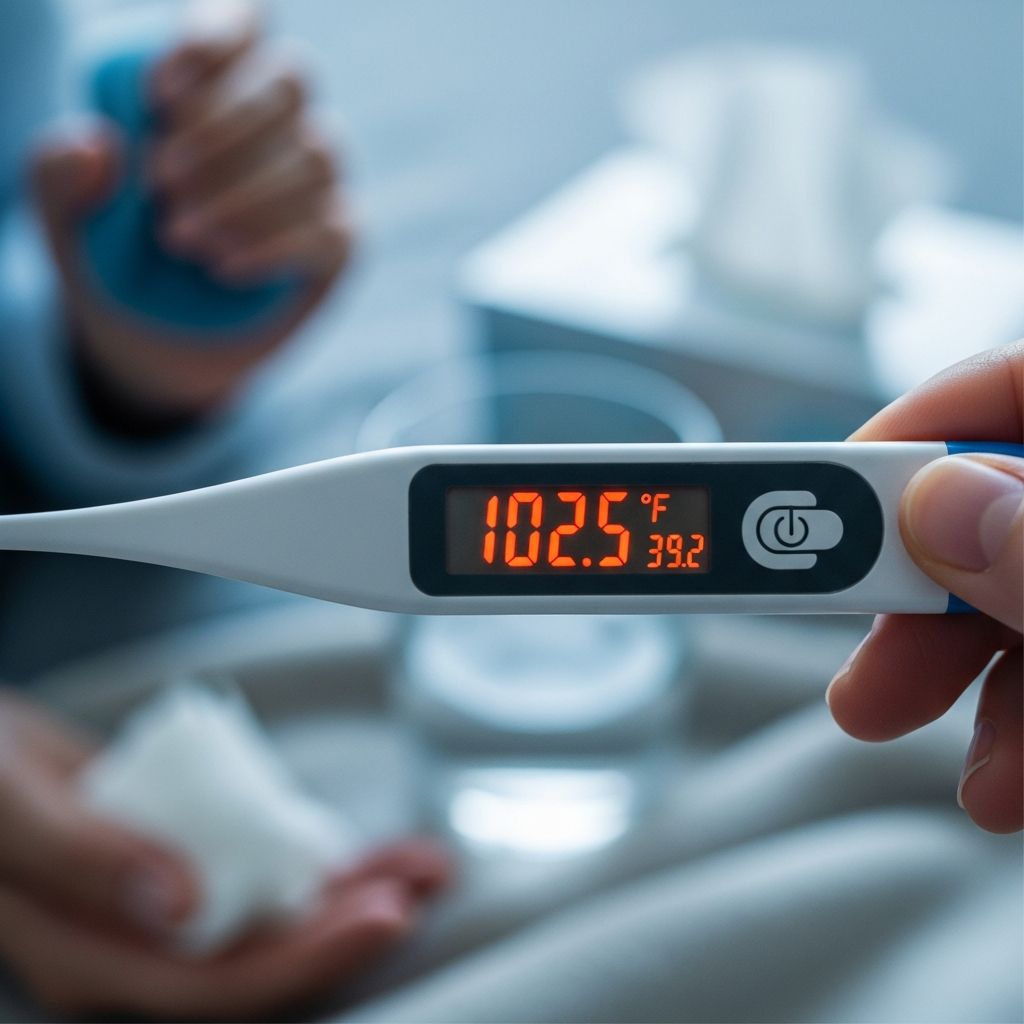
A fever is one of the most common health concerns people experience, yet many individuals remain uncertain about what temperature readings actually warrant concern. Understanding the difference between a mild, manageable fever and one requiring immediate medical intervention can help you make informed decisions about your health and when to seek professional care. This comprehensive guide explores fever temperatures, symptoms, danger signs, and practical management strategies.
Understanding What Constitutes a Fever
Your body maintains a carefully regulated internal temperature controlled by the hypothalamus, a region in your brain that functions as your body’s personal thermostat. Normal body temperature typically hovers around 98.6°F, though this baseline can fluctuate throughout the day based on several factors including metabolic activity, sleep-wake cycles, hormonal changes, and physical activity levels.
When your core body temperature rises to 99.1°F or higher, you are experiencing a fever. This elevation represents your immune system’s response to infection or illness, though fevers can occasionally result from medication side effects or vaccinations. Rather than representing a problem in itself, a fever typically indicates that your body is actively fighting off an infection or responding to a health challenge.
The fever response triggers your body to increase temperature as a defensive mechanism. Higher body temperatures can inhibit the growth of certain bacteria and viruses while simultaneously enhancing your immune system’s ability to combat infection. Understanding this natural process helps explain why mild fevers often resolve without intervention as your immune system successfully addresses the underlying issue.
Recognizing Fever Symptoms
Fever presents with a characteristic constellation of symptoms that vary in intensity depending on the fever’s severity and the underlying cause. Recognizing these symptoms helps you identify when you have a fever and monitor your condition over time.
Common fever symptoms include:
- Body aches and muscle pain
- Chills, shivering, and shaking sensations
- Increased heart rate and faster heartbeat
- Fatigue and general tiredness
- Flushed complexion and hot skin sensation
- Headaches and head pressure
- Excessive sweating
These symptoms often appear suddenly and can significantly impact daily functioning. However, most fever symptoms resolve as body temperature normalizes, either through your immune system successfully fighting infection or through fever-reducing interventions.
Fever Temperature Ranges and Classifications
Medical professionals categorize fevers into distinct temperature ranges, with each range indicating different severity levels and appropriate response measures. Understanding these classifications helps you assess whether your fever requires professional medical evaluation or can be safely managed at home.
Low-Grade Fever: 99.1°F to 100.4°F
A low-grade fever indicates mild immune system activation in response to a minor infection or health challenge. These fevers often accompany mild viral infections, minor bacterial infections, or post-vaccination responses. Most low-grade fevers resolve independently as your immune system addresses the underlying cause, typically within 24 to 48 hours.
Low-grade fevers generally do not require medical intervention for otherwise healthy individuals. Home care measures including rest, hydration, and comfort-promoting strategies typically suffice. However, maintaining awareness of your fever’s persistence and any accompanying warning symptoms remains important, as development of additional concerning signs warrants professional evaluation.
Related Stories



Moderate-Grade Fever: 100.6°F to 102.2°F
Moderate-grade fevers indicate more substantial immune system engagement, typically corresponding to more significant infections or illnesses. These fevers may cause considerable discomfort through body aches, fatigue, and general malaise. Most moderate fevers respond well to home management strategies, though monitoring becomes increasingly important.
Individuals with underlying lung or heart conditions face particular concerns with moderate fevers, as the elevated temperature increases breathing and heart rates, potentially straining compromised respiratory or cardiovascular systems. If you have preexisting cardiac or pulmonary conditions, contacting your healthcare provider when fever reaches moderate levels ensures appropriate medical oversight.
High-Grade Fever: 102.4°F to 105.8°F or Greater
High-grade fevers indicate significant infection or serious underlying health concerns. These temperatures cause pronounced discomfort and substantially impair normal functioning. While some high-grade fevers accompany treatable infections that resolve with appropriate medical care, the elevated temperature itself requires careful monitoring.
High-grade fevers warrant medical evaluation to identify the underlying cause and determine appropriate treatment. Your healthcare provider can assess whether the fever reflects a serious condition requiring specific interventions or a less concerning illness amenable to supportive care.
Critical Temperature Threshold: When Fever Becomes a Medical Emergency
Understanding the critical temperature threshold that constitutes a medical emergency represents perhaps the most important knowledge regarding fevers. If your temperature reaches or exceeds 104°F, this is considered a medical emergency requiring immediate medical attention.
Temperatures at or above 104°F risk causing serious complications including febrile seizures in young children, delirium or confusion in older individuals, and potential organ damage if the fever climbs higher. Seeking emergency care immediately upon reaching this temperature ensures rapid medical assessment and intervention to bring your temperature down and identify serious underlying causes.
Warning Signs Requiring Medical Attention
While not all fevers require immediate medical evaluation, certain warning signs indicate that professional medical assessment becomes necessary. You should contact a medical professional if your fever persists for more than 24 to 48 hours while accompanied by any of these warning signs:
- Confusion or altered mental status
- Severe headache, stiff neck, or both
- Flat, small, purplish-red spots on the skin indicating possible bleeding
- Low blood pressure
- Rapid heartbeat or rapid breathing rate
- Shortness of breath or difficulty breathing
- Persistent vomiting or inability to keep down fluids
- Severe abdominal pain
- Unresponsiveness or severe lethargy
These warning signs may indicate serious infections such as meningitis, sepsis, or other conditions requiring prompt medical intervention. Additionally, fever lasting longer than 48 hours without obvious cause warrants evaluation to exclude potentially serious underlying conditions.
Special Populations and Fever Considerations
Certain individuals require modified fever management approaches due to age, underlying health conditions, or medication use. Infants and very young children often experience higher fever temperatures more easily and face increased risk of febrile seizures. Older adults may have diminished fever responses to serious infections, making seemingly modest temperature elevations potentially concerning.
Immunocompromised individuals, including those with HIV/AIDS, those undergoing cancer treatment, or those taking immunosuppressive medications, warrant more conservative fever management with lower thresholds for seeking medical evaluation. Pregnant individuals should consult healthcare providers regarding fever management strategies, as certain medications and elevated temperatures during specific pregnancy stages may carry increased risks.
Individuals with chronic conditions affecting the heart, lungs, brain, or other organ systems should discuss fever management approaches with their healthcare providers, as elevated temperatures may complicate these preexisting conditions.
Effective Strategies for Managing Fever at Home
For low to moderate fevers without warning signs, several evidence-based home management strategies can reduce temperature and improve comfort while allowing your immune system to address the underlying infection.
Maintain Adequate Hydration
Fever increases fluid loss through perspiration, making dehydration a common complication. Staying well-hydrated supports your immune system’s function and helps regulate body temperature. Drink plenty of fluids including water, herbal tea, juice, or broth throughout the day. Avoid sugary drinks and caffeinated beverages, which may worsen dehydration or cause additional discomfort.
Consume Light, Easily Digestible Foods
While fever often suppresses appetite, consuming easily digestible foods when hungry provides necessary energy and nutrients. Crackers, soup, toast, and other bland options present good choices during fever. Avoid dairy products like milk and cheese, which some individuals find difficult to digest when fevered.
Prioritize Rest and Sleep
Rest is crucial for effective immune response. Get plenty of sleep and reduce physical activity, allowing your body to direct energy toward fighting infection. Remaining in a cooler environment also facilitates temperature regulation and may improve comfort.
Use Cooling Techniques
Several cooling strategies can promote comfort and help reduce fever temperature:
- Apply damp cloths to your forehead and neck
- Use ice packs to relieve fever symptoms and lower body temperature
- Take lukewarm (not cold) baths or showers
- Wear loose-fitting, lightweight clothing to allow heat dissipation
Avoid very cold water or ice baths, which can cause shivering and paradoxically increase core body temperature as your body attempts to compensate for the extreme cold sensation.
Consider Fever-Reducing Medications
Over-the-counter fever-reducing medications containing ibuprofen or acetaminophen can temporarily relieve fever and associated discomfort. Follow package directions carefully and consult your healthcare provider before using these medications if you have underlying health conditions or take other medications.
When to Seek Medical Care
Beyond the critical 104°F threshold and warning signs previously discussed, several situations warrant medical evaluation:
- Fever in infants under three months old
- Fever exceeding 103°F in children
- Fever lasting longer than three days in children or five days in adults
- Fever accompanying severe symptoms like difficulty breathing or chest pain
- Recurrent fevers with pattern changes
- Fever in immunocompromised individuals
- Fever following recent travel to areas with endemic tropical diseases
- Fever in elderly individuals with chronic conditions
FAQs About Fever Temperatures
Is 99.5°F considered a fever?
Yes, temperatures of 99.1°F or higher are technically considered fevers, though 99.5°F represents a low-grade fever that often resolves without intervention in otherwise healthy individuals.
Can a fever be too low to be concerning?
While elevated temperatures cause the most concern, unusually low body temperatures (hypothermia) can also indicate serious health problems and warrant medical evaluation.
How long do fevers typically last?
Most fevers resolve within 24 to 48 hours as the immune system addresses the underlying cause. Fevers persisting longer warrant medical evaluation to exclude serious underlying conditions.
Should I always treat a fever with medication?
Not necessarily. Low-grade fevers often resolve independently. Medications can provide symptom relief but do not necessarily speed recovery. Focus on comfort measures and hydration unless your healthcare provider recommends medication.
Can stress cause a fever?
While stress can affect immune function, stress alone typically does not cause fever. Fever generally indicates infection or other physiological challenges.
Is it safe to exercise while fevered?
Rest is generally recommended during fever, as physical exertion diverts resources from immune response. Resume normal activity only after fever resolves and you feel well.
Summary and Key Takeaways
Fever represents a natural immune response to infection or illness, and understanding appropriate temperature thresholds and warning signs enables you to respond appropriately to fevers. Low-grade and moderate fevers often resolve with home management including hydration, rest, and cooling techniques. However, temperatures reaching or exceeding 104°F require immediate medical attention, as do fevers accompanied by warning signs or persisting longer than 48 hours.
Pay attention to your body’s signals, monitor your temperature when concerned, and do not hesitate to contact your healthcare provider if uncertainty exists regarding whether your fever warrants professional evaluation. Your healthcare provider can assess your individual situation, identify underlying causes, and recommend appropriate management strategies tailored to your specific health circumstances.
References
- Concerned About a Fever? A Guide to Fever Temperature, Symptoms, and Home Remedies — Motrin. 2024. https://www.motrin.com/adults/cold-flu/managing-fever
Similar Articles








Read full bio of Sneha Tete