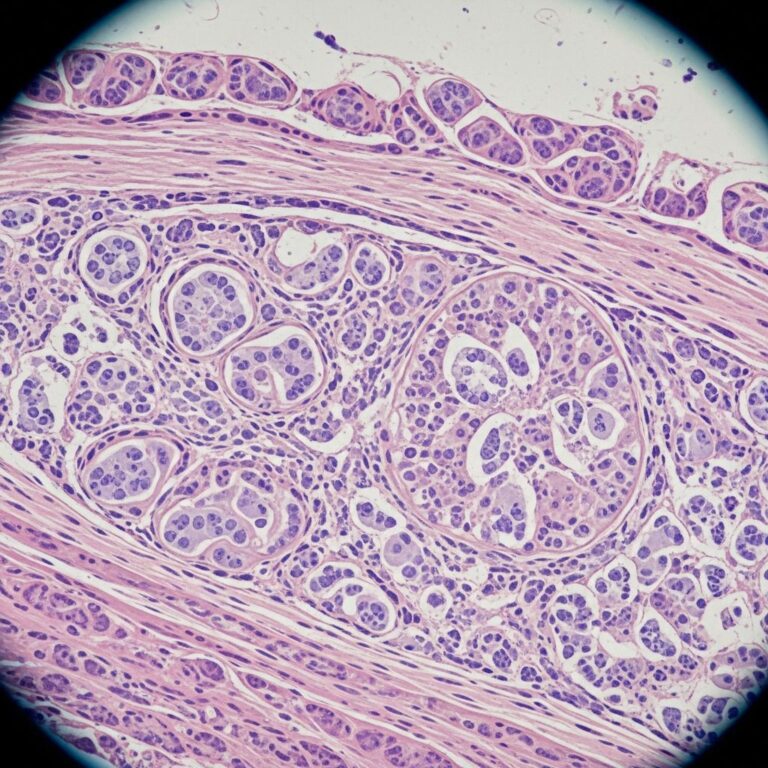
ATTR-CM Diagnosis: 7 Essential Tests For Accurate Detection
Understanding the diagnostic process for transthyretin amyloid cardiomyopathy (ATTR-CM), from symptoms to advanced imaging and genetic tests.
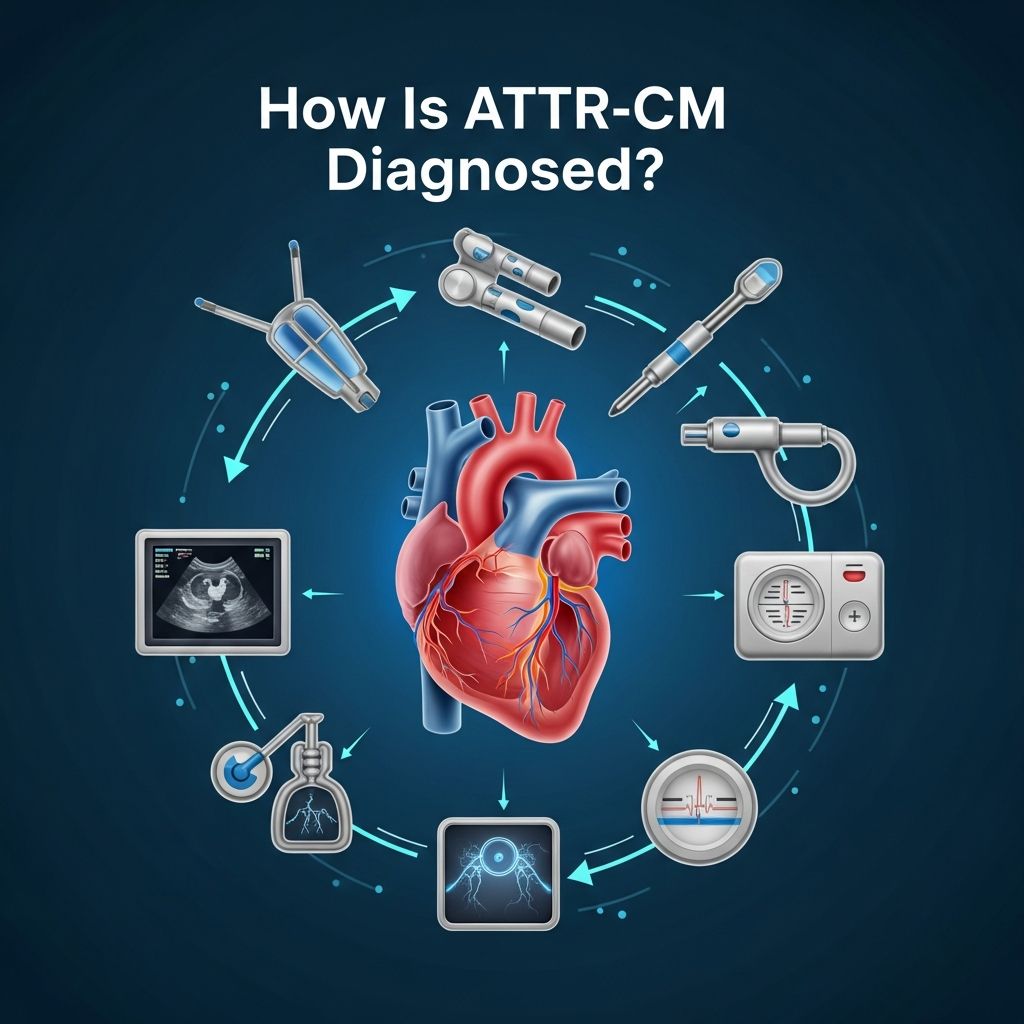
Transthyretin amyloid cardiomyopathy (ATTR-CM) is a rare but progressive heart condition caused by the buildup of amyloid proteins in the heart muscle, leading to thickening and stiffness that impairs pumping function. Diagnosis often requires a multi-step approach combining clinical evaluation, imaging, laboratory tests, and sometimes invasive procedures, as symptoms mimic common heart failure.
What Is ATTR-CM?
ATTR-CM occurs when misfolded transthyretin (TTR) proteins form amyloid deposits in the heart, restricting its ability to fill and pump blood effectively. There are two main types: wild-type ATTR-CM (wtATTR-CM), more common in older men with no genetic mutation, and hereditary ATTR-CM (hATTR-CM), caused by TTR gene mutations affecting both sexes earlier in life. Both forms present with heart failure symptoms but can also involve nerves, gastrointestinal tract, and other organs.
Early diagnosis is crucial because new treatments like tafamidis can slow progression, but ATTR-CM is frequently misdiagnosed as hypertensive heart disease or hypertrophic cardiomyopathy due to overlapping features like left ventricular hypertrophy.
Signs and Symptoms of ATTR-CM
Symptoms of ATTR-CM develop gradually and resemble heart failure with preserved ejection fraction (HFpEF). Common cardiac symptoms include:
- Shortness of breath (dyspnea), especially during activity, at rest, or when lying down (orthopnea or paroxysmal nocturnal dyspnea).
- Swelling (edema) in the legs, ankles, feet, or abdomen due to fluid retention.
- Fatigue and weakness, limiting exercise tolerance.
- Irregular heart rhythms like atrial fibrillation (present in 40-60% at diagnosis) or palpitations.
- Chest congestion, coughing, or wheezing, worse when lying down.
Additional “red flag” symptoms suggesting amyloidosis include:
- Peripheral neuropathy: Numbness, tingling, or pain in hands and feet; loss of temperature sensation.
- Bilateral carpal tunnel syndrome, often years before heart symptoms.
- Autonomic dysfunction: Orthostatic hypotension, alternating diarrhea/constipation, unexplained weight loss.
- Orthopedic issues: Biceps tendon rupture, lumbar spinal stenosis.
- Intolerance to heat, dizziness, syncope, or cognitive changes.
In women, symptoms like fatigue and edema are often misattributed to aging or menopause, contributing to diagnostic delays.
Risk Factors for ATTR-CM
Certain factors raise suspicion for ATTR-CM:
- Age over 60, especially for wtATTR-CM in men.
- Family history of cardiomyopathy, neuropathy, or early carpal tunnel.
- Low-voltage ECG despite thick ventricular walls on echo (voltage-to-mass mismatch).
- Co-existing conditions: Aortic stenosis, atrial fibrillation, or HFpEF unresponsive to standard therapy.
- Male sex for wtATTR-CM; both sexes for hereditary forms.
| Risk Factor | Associated Type | Prevalence Notes |
|---|---|---|
| Age >60, male | wtATTR-CM | Most common presentation |
| TTR gene mutation | hATTR-CM | Family history key |
| Bilateral carpal tunnel | Both | Often precedes cardiac symptoms by 5-10 years |
| Aortic stenosis + LV thickening | Both | Paradoxical low-flow pattern |
How Doctors Suspect ATTR-CM
Diagnosis begins with clinical suspicion based on symptoms, risk factors, and initial tests like ECG or echocardiogram showing discrepancies such as low QRS voltage with LV hypertrophy. Atrial fibrillation or HFpEF in older adults without typical causes prompts further evaluation.
Diagnostic Tests for ATTR-CM
Confirmation involves non-invasive imaging, labs, and rarely biopsy. A stepwise algorithm is used.
1. Electrocardiogram (ECG)
Related Stories



ECG often shows low-voltage QRS complexes disproportionate to LV wall thickness, pseudo-infarct Q waves, or poor R-wave progression. Atrial fibrillation is common.
2. Echocardiogram
Key initial test revealing biventricular thickening, preserved ejection fraction with diastolic dysfunction, and “apical sparing” on strain imaging (bull’s-eye pattern). Granular sparkling appearance of myocardium may be seen.
3. Cardiac MRI
Provides detailed images of fibrosis, late gadolinium enhancement in subendocardium, and characteristic difficulty nulling myocardium.
4. Nuclear Scintigraphy (Bone-Avid Tracer Scan)
Gold standard non-invasive test: Technetium-99m pyrophosphate (Tc-PYP) or DPD scan. Grade 2-3 uptake with no monoclonal protein confirms ATTR-CM without biopsy (99% specificity). Detects early amyloid before structural changes.
5. Laboratory Tests
- Serum/urine immunofixation and free light chains to rule out AL amyloidosis.
- NT-proBNP and troponin elevated in heart failure.
6. Genetic Testing
Sequencing of TTR gene distinguishes hereditary from wild-type. Recommended for all confirmed cases.
7. Tissue Biopsy
Gold standard if imaging inconclusive: Cardiac or fat pad biopsy stained with Congo red (apple-green birefringence) and mass spectrometry for typing.
| Test | Purpose | Sensitivity/Specificity |
|---|---|---|
| Echocardiogram | Detect LV hypertrophy, strain pattern | High sensitivity for suspicion |
| Tc-PYP Scan | Confirm cardiac amyloid | 100% specificity (Grade 2-3 + no monoclonals) |
| Genetic Test | Identify hATTR-CM | Definitive for mutations |
| Biopsy | Confirm amyloid type | Gold standard |
Challenges in Diagnosing ATTR-CM
ATTR-CM is underdiagnosed, with average delays of 3-5 years. Challenges include:
- Nonspecific symptoms overlapping with common conditions.
- Gender bias: Viewed as a “man’s disease,” missing women.
- Need for specialist referral: Cardiologists or amyloid centers.
- Differentiating from AL amyloidosis, which requires urgent chemotherapy.
Treatment After Diagnosis
Once diagnosed, options include TTR stabilizers (tafamidis), silencers (patisiran, vutrisiran), or tafamidis for wtATTR. Supportive heart failure therapy is essential.
Frequently Asked Questions (FAQs)
What are the first signs of ATTR-CM?
Shortness of breath, leg swelling, fatigue, and irregular heartbeat are common early signs.
Can ATTR-CM be diagnosed without a biopsy?
Yes, non-invasive Tc-PYP scan with grade 2-3 uptake and no light chain abnormalities confirms it.
Is ATTR-CM hereditary?
HATTR-CM is; wtATTR-CM is not, but genetic testing is advised for all.
How is ATTR-CM different from other cardiomyopathies?
Distinct imaging patterns like apical sparing strain and low-voltage ECG despite hypertrophy.
Who is at highest risk for ATTR-CM?
Men over 60 for wild-type; those with family history or bilateral carpal tunnel for hereditary.
References
- What Women Need to Know About ATTR-CM — WomenHeart. 2023. https://www.womenheart.org/what-women-need-to-know-about-attr-cm/
- Transthyretin Amyloid Cardiomyopathy (ATTR-CM) — American Heart Association. 2024-01-13. https://www.heart.org/en/health-topics/cardiomyopathy/what-is-cardiomyopathy-in-adults/transthyretin-amyloid-cardiomyopathy-attr-cm
- Transthyretin amyloid cardiomyopathy (ATTR-CM) — University Hospitals. 2024. https://www.uhhospitals.org/services/heart-and-vascular-services/conditions-and-treatments/cardiomyopathy/transthyretin-amyloid-cardiomyopathy
- Transthyretin-Mediated Amyloid Cardiomyopathy Diagnosis — Rare Disease Advisor. 2023. https://www.rarediseaseadvisor.com/disease-info-pages/transthyretin-mediated-amyloid-cardiomyopathy-diagnosis/
- Transthyretin Amyloid Cardiomyopathy (ATTR-CM) — NCBI StatPearls. 2024-07-24. https://www.ncbi.nlm.nih.gov/books/NBK574531/
Similar Articles








Read full bio of medha deb