How Long Can You Safely Leave a Tampon In?
Learn safe tampon wear duration, TSS risks, and best practices for menstrual health.
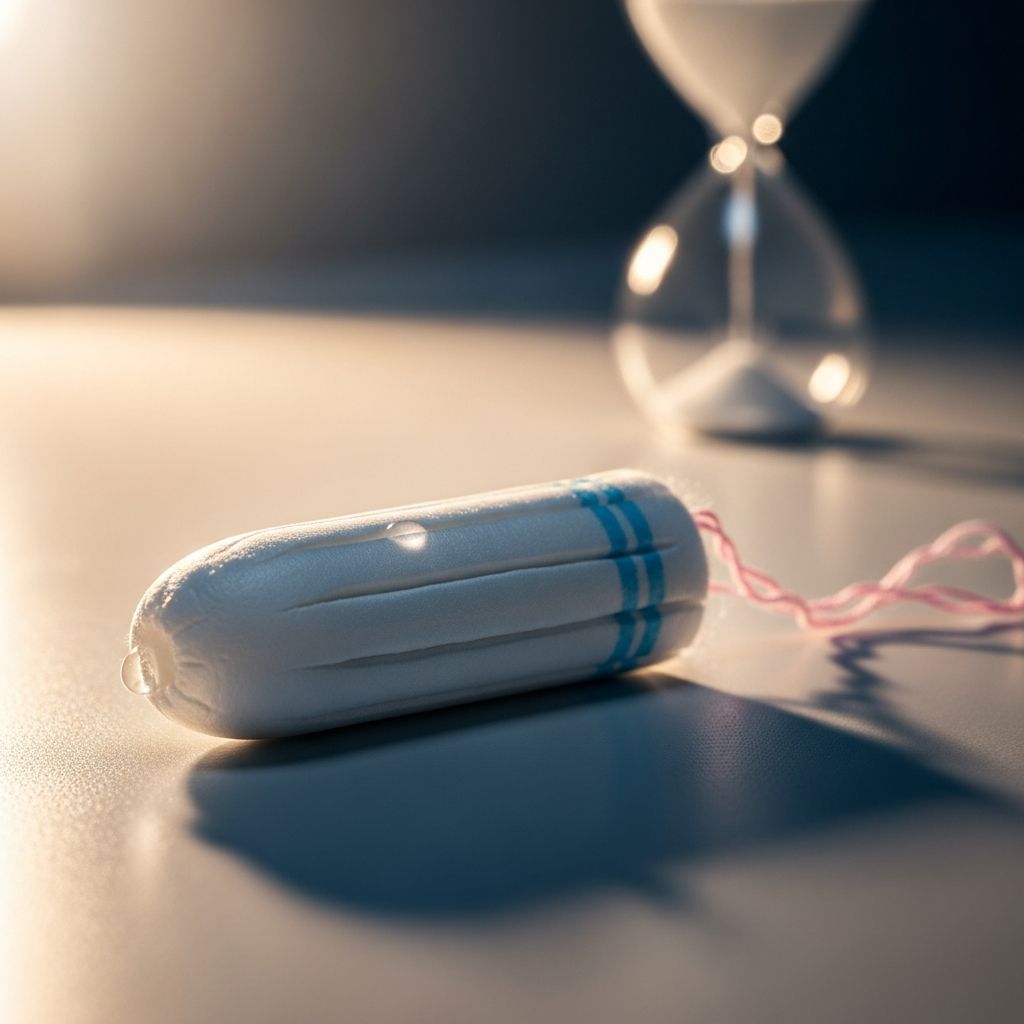
When it comes to menstrual hygiene, understanding proper tampon use is essential for your health and safety. The question of how long you can leave a tampon in your vagina is one many menstruating individuals ask, and the answer is straightforward: never leave a tampon in for longer than 8 hours. However, most health experts recommend changing your tampon every 4 to 6 hours for optimal safety and comfort.
The FDA Recommendation and Expert Guidelines
According to the Food and Drug Administration (FDA), the safest practice is to change a tampon after 4 to 8 hours of use. This timeframe isn’t arbitrary—it’s based on scientific evidence about how bacterial growth and toxin production occur in the vaginal environment. Women’s health specialists emphasize that to err on the side of caution, changing your tampon every 4 to 6 hours is the most prudent approach.
The critical thing to remember is that each time you insert a new tampon, the clock restarts. This means you have a fresh 4 to 8-hour window with each new tampon. As long as you change your tampon regularly throughout your menstrual cycle, it is completely safe to wear tampons for the duration of your period.
Why the 8-Hour Limit Matters
The 8-hour maximum isn’t just a suggestion—it’s a safety boundary established to prevent serious health complications. When you leave a tampon in your vagina for extended periods, you create an environment that encourages bacterial growth and toxin production. Your vagina is naturally dark, warm, and moist—the ideal conditions for bacteria to thrive.
While your vagina naturally contains healthy bacteria that contribute to vaginal health, leaving a tampon in too long can disrupt the delicate balance of your vaginal microbiome. This can allow bad bacteria to grow or cause beneficial bacteria to overgrow, leading to various infections and complications. After 8 hours of wear, your risk of experiencing irritation, infection, and other serious health issues increases significantly.
Understanding Toxic Shock Syndrome (TSS)
Toxic shock syndrome is the most well-known risk associated with prolonged tampon use, though it’s important to understand its actual prevalence. TSS is a rare, life-threatening bacterial infection caused by toxin-producing strains of bacteria, particularly Staphylococcus aureus. These bacteria can grow on tampons that aren’t changed frequently enough.
How Common Is TSS?
The good news is that TSS is extremely rare. The National Organization for Rare Disorders estimates that tampon-related toxic shock syndrome occurs in approximately 1 in 100,000 menstruating people each year. Some sources report the incidence as 1 to 3 cases per 100,000 women, with cases primarily affecting people ages 15 to 25 who use tampons and leave them in too long.
Additionally, reported cases of tampon-related TSS have significantly decreased in recent years, largely due to the Centers for Disease Control and Prevention’s standardized absorbency labeling system for tampons, which has improved consumer safety awareness and product safety.
Recognizing TSS Symptoms
Although TSS is rare, knowing its symptoms is critical because it is a medical emergency. Symptoms of toxic shock syndrome typically come on suddenly and include:
Related Stories



- A sudden high fever
- Low blood pressure
- Nausea and vomiting
- Diarrhea
- A sunburn-like rash
If you experience any of these symptoms while using tampons, seek emergency medical care immediately. TSS can progress rapidly and lead to life-threatening complications including dangerously low blood pressure, kidney or liver failure, respiratory distress syndrome, and heart failure.
Other Infections and Complications
While TSS receives the most attention, leaving a tampon in too long can cause other vaginal infections and complications that, while less dangerous, are still uncomfortable and require medical treatment.
Bacterial Vaginosis
One common complication of extended tampon wear is bacterial vaginosis. This occurs when your vagina’s normal, healthy bacteria overgrow, creating an imbalance in your vaginal microbiome. Bacterial vaginosis can cause uncomfortable symptoms, including vaginal discharge with an unpleasant odor, itching, or burning. The good news is that bacterial vaginosis is easily treatable with medication prescribed by your healthcare provider.
General Vaginal Irritation
Extended tampon wear can also cause general vaginal irritation, discomfort, and other minor infections. These may not be as serious as TSS or bacterial vaginosis, but they can affect your comfort and quality of life during your menstrual cycle.
Safe Tampon Practices for Daily Use
Maintaining good tampon hygiene practices is straightforward and significantly reduces your risk of infection and irritation. Here are the essential safety guidelines:
- Change every 4 to 6 hours: Aim to change your tampon every 4 to 6 hours, more frequently if you have a heavy flow or feel the tampon is saturated.
- Never exceed 8 hours: Under no circumstances should you leave the same tampon in for longer than 8 hours.
- Practice hand hygiene: Wash your hands thoroughly before and after inserting or removing a tampon.
- Use the lowest absorbency: Choose the minimum absorbency level that adequately manages your flow, as this reduces irritation risk.
- Alternate products: Consider alternating between tampons and pads throughout your cycle, or using menstrual cups as an alternative option.
Can You Sleep in a Tampon?
Yes, you can safely sleep in a tampon—with important caveats. If you sleep for 6 to 8 hours or less, it’s generally safe to wear a tampon to bed, provided you follow these guidelines:
- Insert just before bed: Put in a fresh tampon right before you go to sleep.
- Change immediately upon waking: Remove or change your tampon as soon as you wake up.
- Maximum 8 hours: Ensure your total sleep duration doesn’t exceed 8 hours while wearing the same tampon.
If you regularly sleep for longer than 8 hours, consider using a pad, menstrual cup, or other menstrual product instead of a tampon. Many people prefer to use pads at night and tampons during the day for added peace of mind and comfort.
Tampons and Water Activities
One common question is whether it’s safe to swim or sit in water while wearing a tampon. Yes, it’s completely safe. The tampon may absorb a small amount of water, which is entirely normal and poses no health risk. After swimming or water activities, change your tampon when you’re done for the day or when you take your next break, following the standard 4 to 8-hour guideline.
What If You Forget to Remove Your Tampon?
If you’ve forgotten about your tampon and realize it’s been in longer than 8 hours, don’t panic. While you should remove it immediately and monitor for symptoms, a single instance of extended wear is unlikely to cause serious harm, especially given how rare TSS actually is. However, remove the tampon right away and:
- Monitor yourself for any symptoms of TSS or infection over the next few days
- Practice good hygiene with fresh tampons going forward
- Set phone reminders if you frequently forget to change your tampon
- Consider alternative menstrual products if tampon management is difficult for you
Frequently Asked Questions
Q: Is it safe to wear a tampon overnight?
A: Yes, if you sleep for 8 hours or less. Insert a fresh tampon right before bed and change it as soon as you wake up. For longer sleep durations, use a pad or menstrual cup instead.
Q: How do I know if I have toxic shock syndrome?
A: Symptoms appear suddenly and include high fever, low blood pressure, nausea, vomiting, diarrhea, and a sunburn-like rash. Seek emergency medical care immediately if you experience these symptoms.
Q: Can I get TSS from tampons other than by wearing them too long?
A: TSS is primarily associated with prolonged tampon wear. Using tampons correctly (changing every 4 to 8 hours) significantly minimizes your risk.
Q: What should I do if I frequently forget to change my tampon?
A: Set an alarm or phone reminder every 4 to 6 hours. Alternatively, explore other menstrual products like pads, menstrual cups, or period underwear that don’t require frequent changes.
Q: Are some tampons safer than others?
A: All tampons are subject to safety standards, but choosing the lowest absorbency level that suits your flow can reduce irritation risk. Always follow manufacturer guidelines and change every 4 to 8 hours.
Q: Is bacterial vaginosis serious?
A: Bacterial vaginosis is uncomfortable but not dangerous. It’s easily treatable with antibiotics prescribed by your doctor.
The Bottom Line
To protect your menstrual health and minimize infection risk, change your tampon every 4 to 6 hours, and never leave one in for longer than 8 hours. Although toxic shock syndrome is extremely rare, other infections and irritations can occur with extended wear. By following these simple guidelines and practicing good hygiene, you can safely use tampons throughout your menstrual cycle.
If you find it challenging to remember when to change your tampon, set phone reminders or consider alternative menstrual products that better suit your lifestyle. Your menstrual health is important—make it a priority by using tampons safely and responsibly.
References
- How Long Can You Safely Leave a Tampon in For? — Healthline. 2024. https://www.healthline.com/health/how-long-can-you-leave-a-tampon-in
- What Happens if You Leave a Tampon in Too Long? — Cleveland Clinic. 2024. https://health.clevelandclinic.org/what-happens-if-you-leave-a-tampon-in-too-long
- The Safety Assessment of Tampons: Illustration of a Comprehensive Approach — National Center for Biotechnology Information (NCBI). 2023. https://pmc.ncbi.nlm.nih.gov/articles/PMC10319135/
- Are Tampons Safe? — MD Anderson Cancer Center. 2024. https://www.mdanderson.org/cancerwise/are-tampons-safe.h00-159700701.html
- Tampon Safety — National Center for Health Research. 2025. https://www.center4research.org/tampon-safety/
- First Study to Measure Toxic Metals in Tampons Shows Arsenic and Lead — UC Berkeley School of Public Health. 2021. https://publichealth.berkeley.edu/articles/spotlight/research/first-study-to-measure-toxic-metals-in-tampons-shows-arsenic-and-lead
Similar Articles








Read full bio of Sneha Tete