How Long Can You Take the Birth Control Pill?
Discover if there's a time limit for birth control pills, their long-term safety, side effects, and when to consider alternatives for effective contraception.
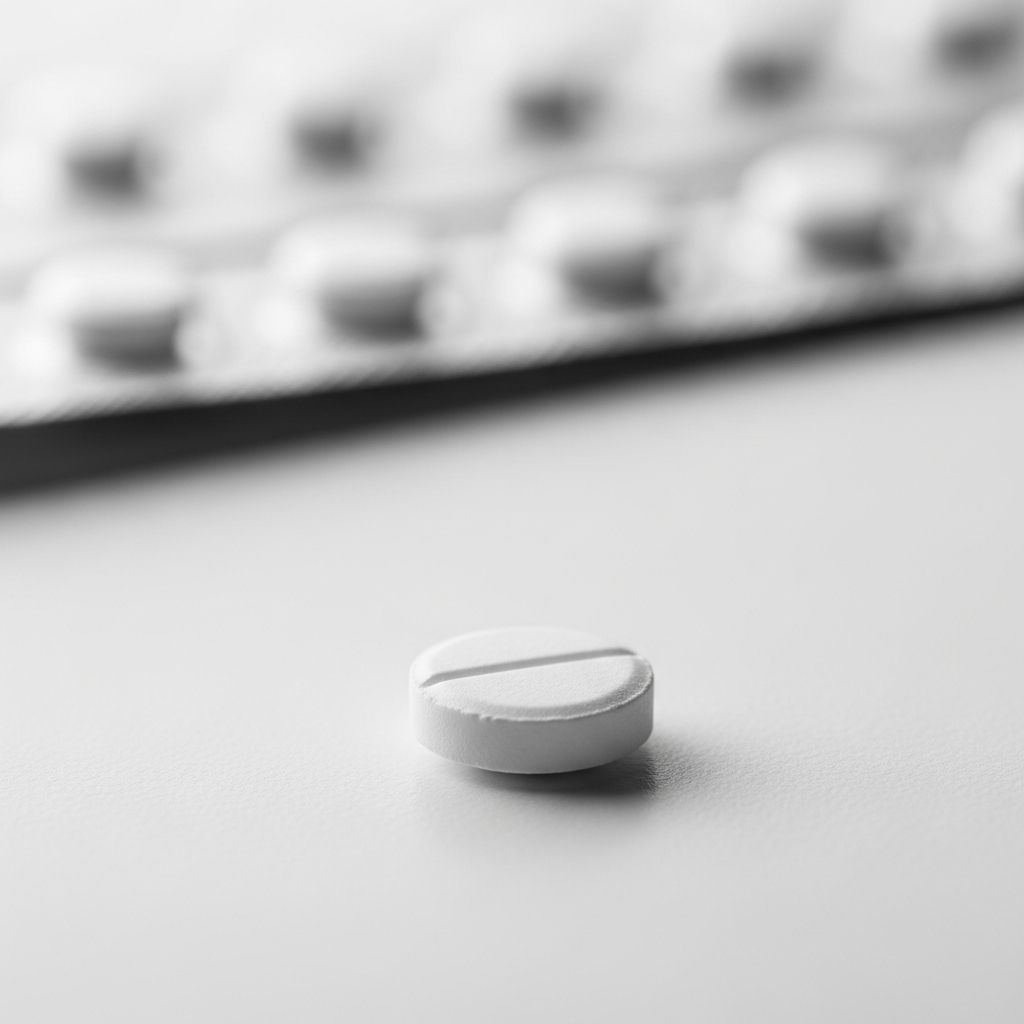
The birth control pill is one of the most popular and effective forms of contraception, offering reliable pregnancy prevention when used correctly. But a common question arises: is there a limit to how long you can safely take it? For most healthy individuals, there is no strict time limit on using birth control pills, provided regular medical checkups confirm it’s suitable. Long-term use is generally safe, with studies and health authorities affirming minimal risks for the majority of users.
Combination pills, containing both estrogen and progestin, and progestin-only pills (minipills) work by preventing ovulation, thickening cervical mucus, and thinning the uterine lining. These mechanisms make them over 99% effective with perfect use. However, individual health factors like smoking, age over 35, blood pressure issues, or history of clots may necessitate switching methods.
Is Long-Term Use of Birth Control Pills Safe?
Yes, for most people, birth control pills are safe for extended periods, even decades, without adverse health impacts. Healthline reports that if you’ve tolerated the pill well without side effects, continuing under medical supervision is typically fine. Cleveland Clinic echoes this, noting no evidence of harm from long-term use in healthy users.
Regular gynecological checkups are crucial. Discuss any new symptoms, medications, or life changes annually or sooner if needed. The CDC recommends combined hormonal contraceptives for those without contraindications, emphasizing consistent monitoring. Unlike some myths, taking breaks from the pill offers no proven medical benefit and can increase pregnancy risk if not managed properly.
Key safety considerations include:
- Age and smoking: Women over 35 who smoke should avoid combination pills due to clot risks.
- Medical history: Avoid if you have migraines with aura, breast cancer history, or uncontrolled hypertension.
- Monitoring: Annual exams track blood pressure, weight, and breast health.
Progestin-only pills may be safer for those with estrogen contraindications, though they require stricter timing adherence.
How Do You Take Birth Control Pills Correctly?
Proper use is essential for efficacy. Most combination pills come in 21-day or 28-day packs: take one active pill daily for 21 days, followed by 7 hormone-free days (or placebo pills), during which withdrawal bleeding occurs. Emerging extended regimens like Amethyst offer 365 active days for fewer periods.
Minipills require 28 active pills daily, taken at the exact same time (±3 hours) due to their shorter efficacy window of 22-27 hours. Slynd, a newer minipill, allows a 24-hour window with 24 active and 4 inactive pills.
| Pill Type | Pack Structure | Timing Requirement | Effectiveness (Perfect Use) |
|---|---|---|---|
| Combination | 21/7 or 28 days | Same time daily | >99% |
| Minipill (Traditional) | 28 active days | Exact same time | 99% |
| Slynd (Newer Minipill) | 24 active + 4 inactive | Within 24 hours | 99% |
Start within 5 days of your period for immediate protection; otherwise, use backup for 7 days. FDA guidelines stress daily swallowing, regardless of sex. Renew prescriptions promptly to avoid gaps.
What Happens If You Miss a Birth Control Pill?
Related Stories



Missing pills reduces effectiveness. For combination pills:
- 1 missed pill: Take it as soon as remembered, continue schedule. Backup not always needed if early in cycle.
- 2 missed pills: Take two immediately, use backup for 7 days.
- 3+ missed: Risk highest; consider emergency contraception, use backup 7 days.
Minipills are more sensitive: missing by over 3 hours demands immediate backup for 48 hours. Apps and reminders help adherence. Frequent misses suggest switching to long-acting methods.
Side Effects of Birth Control Pills
Side effects vary by type and individual. Short-term issues often resolve in 3 months.
Common Short-Term Side Effects
- Breakthrough bleeding: Spotting between periods, common first 3-6 months, especially minipills.
- Nausea/breast tenderness: Take at bedtime to mitigate.
- Headaches/mood changes: Usually transient.
Long-Term Risks (Rare)
- Blood clots: 3-9/10,000 users yearly for combination pills vs. 1-5 without.
- Benefits outweigh: Reduced ovarian/endometrial cancers, acne, heavy periods.
Mayo Clinic notes extended-use pills like Seasonique reduce bleeding side effects via low-dose estrogen in placebo week. Report persistent issues to your doctor.
Extended and Continuous Use Options
Reduce periods with:
- Extended (e.g., Seasonale/Jolessa): 84 active days + 7 placebo, period quarterly.
- Continuous (e.g., Amethyst): 365 active days, no breaks.
- Custom: Skip placebo pills monthly.
NIH reports popularity for fewer bleeds, with amenorrhea in many users. Ideal for heavy periods or convenience.
Alternatives to Birth Control Pills
If pills aren’t ideal:
| Method | Duration | STI Protection | Notes |
|---|---|---|---|
| Hormonal IUD (Mirena/Liletta) | 3-8 years | No | Lightens periods, 20% amenorrhea year 1. |
| Copper IUD | 10+ years | No | Non-hormonal. |
| Implant (Nexplanon) | 3 years | No | >99% effective. |
| Condoms | Single use | Yes | STI prevention. |
IUDs offer ‘set-it-and-forget-it’ reliability.
Fertility After Stopping the Pill
Fertility returns quickly: cycles resume in 1-3 months for most, with healthy pregnancies common. No long-term infertility risk. Discuss with doctor if delays occur.
When to Talk to Your Doctor
- New severe symptoms (clots, chest pain, vision changes).
- Planning pregnancy.
- Side effects persist >3 months.
- Lifestyle changes (weight gain, smoking).
Personalize with your provider.
Frequently Asked Questions (FAQs)
Is there a maximum time to take birth control pills?
No strict limit for healthy users; safe long-term with monitoring.
Do birth control pills cause infertility?
No, fertility returns promptly after stopping.
Can you skip periods indefinitely?
Yes, with continuous pills like Amethyst.
What if I miss my pill?
Take ASAP, use backup if >1 missed.
Are minipills less effective?
Equally effective if timed precisely.
References
- Is There a Limit to How Long You Can Take Birth Control Pills? — Healthline. 2023. https://www.healthline.com/health/birth-control/how-long-is-too-long-to-be-on-birth-control
- Delaying your period with hormonal birth control — Mayo Clinic. 2024-06-01. https://www.mayoclinic.org/tests-procedures/combination-birth-control-pills/in-depth/womens-health/art-20044044
- An Evidence-Based Update on Contraception — NIH/PMC. 2020-10-01. https://pmc.ncbi.nlm.nih.gov/articles/PMC7533104/
- Birth Control Pill — Nemours KidsHealth. 2024. https://kidshealth.org/en/teens/contraception-birth.html
- Birth Control Pill: Types, Side Effects & Effectiveness — Cleveland Clinic. 2024-01-25. https://my.clevelandclinic.org/health/treatments/3977-birth-control-the-pill
- Birth Control — FDA. 2024. https://www.fda.gov/consumers/womens-health-topics/birth-control
- Combined Hormonal Contraceptives — CDC. 2024. https://www.cdc.gov/contraception/hcp/usspr/combined-hormonal-contraceptives.html
Similar Articles








Read full bio of medha deb