How Long Can You Test Positive for COVID-19?
Understand COVID-19 test positivity duration, from typical cases to prolonged shedding in immunocompromised patients, with CDC guidelines.
Testing positive for COVID-19 via PCR or antigen tests can persist well beyond when you’re contagious, typically up to 10-14 days for most people, but up to 90 days or longer in immunocompromised individuals.
The duration depends on test type, immune status, variant, and symptom severity. PCR tests detect viral RNA fragments even after infectious virus is gone, leading to longer positivity windows than antigen tests, which better indicate active infection.
How Long Does COVID-19 Stay in Your Body?
SARS-CoV-2 RNA can linger in the body for weeks to months post-infection. In immunocompetent individuals, viral shedding averages 25 days from symptom onset until negative RT-PCR. Infectious virus peaks early, within 1-2 days before symptoms and up to 8-10 days after.
CDC notes NAAT/PCR tests may remain positive up to 90 days due to non-infectious RNA remnants. Antigen tests turn negative faster, often within 5-10 days if symptoms resolve.
- Typical timeline: Positive PCR/antigen days 1-10 post-symptom onset.
- Extended PCR positivity: Up to 90 days in some cases.
- Contagious period: Mostly first 5-10 days; rare beyond.
Understanding Test Positivity Windows
PCR/NAAT Tests: Highly sensitive, detect viral genetic material. Positivity can last 3-12 weeks as they pick up dead virus fragments. A 62-year-old immunocompromised man tested positive for 230 days, linked to corticosteroids and comorbidities like heart failure.
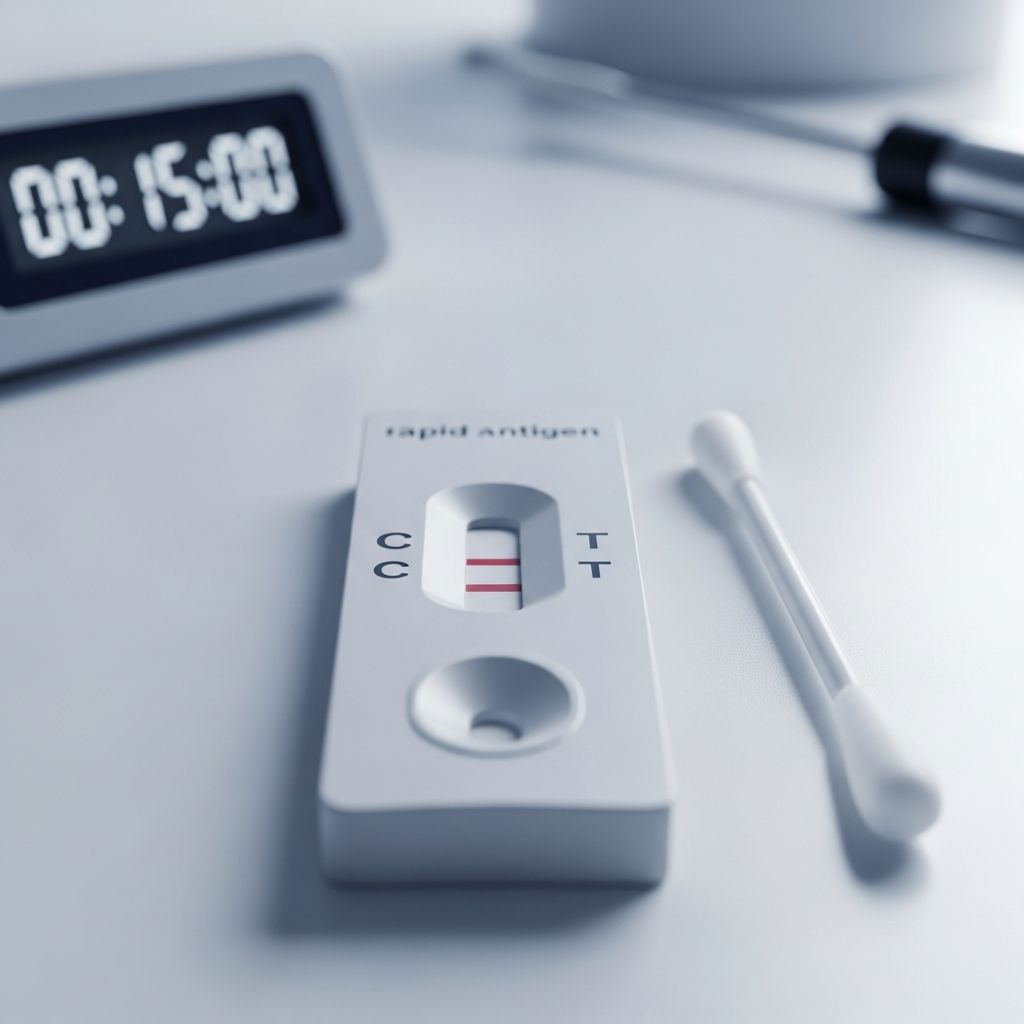
Antigen (Rapid) Tests: Detect viral proteins, correlate better with contagiousness. Negative after 5-10 days in mild cases; repeat if symptoms persist.
| Test Type | Positivity Duration | Detects Contagiousness? |
|---|---|---|
| PCR/NAAT | Up to 90+ days | No, detects RNA remnants |
| Antigen | 5-14 days | Yes, better indicator |
Factors Affecting How Long You Test Positive
Several variables influence test positivity length:
- Immune Status: Immunocompromised patients (e.g., on corticosteroids, chemotherapy) shed virus longer due to delayed antibody response. One case exceeded 230 days.
- Symptom Severity: Severe cases prolong shedding; hospitalization, fever, elevated markers like ferritin correlate with extended positivity.
- Vaccination/Boosters: Reduce severity and shedding duration.
- Age and Comorbidities: Older adults or those with heart disease, asthma show prolonged detection.
- Test Timing: Early testing catches peak viral load; later tests detect remnants.
Incubation is 2-14 days; contagious 1-2 days pre-symptoms.
Reinfection and Repeat Positivity
Positive within 31-90 days post-first test? Likely remnant RNA, not reinfection. CDC advises antigen testing for symptoms, repeating negatives per FDA. True reinfection rare within 90 days due to immunity.
Immunocompromised may lack seroconversion, testing positive months without new infection.
When Are You No Longer Contagious?
Contagiousness peaks early. CDC: Isolate until symptoms improve and fever-free 24 hours (no meds), then mask 5 more days. Most non-contagious after 10 days.
Immunocompromised: Longer monitoring needed; may shed infectious virus weeks longer.
- Fever-free 24h + improving symptoms: End primary isolation.
- Days 6-10: Mask in public.
- Asymptomatic positive: Isolate 3-5 days, mask after.
Related Stories



CDC Guidelines for Isolation and Testing
Symptomatic: Stay home 5 days min. End isolation day 6 if improving/fever-free 24h; mask through day 10.
Asymptomatic: Isolate 5 days post-positive, then mask 5 days.
Healthcare Workers: Return after 3 days if improving/fever-free; mask to day 8.
Test to end isolation only if severe/immunocompromised.
Prolonged Positivity in Immunocompromised Patients
Immunosuppression delays clearance. Case: 62yo man positive 230 days, multiple hospitalizations, on steroids. Factors: low lymphocytes, high CRP/ferritin. Monitor closely; distinguish RNA shedding vs. live virus.
Rare cases >100 days reported; average immunocompetent clear in 25 days.
Frequently Asked Questions (FAQs)
Can you test positive for COVID-19 after 90 days?
Yes, PCR can detect remnants up to 90+ days, especially immunocompromised; unlikely contagious.
How long will a rapid antigen test be positive?
Typically 5-10 days; shorter than PCR, better contagiousness gauge.
Does a positive test mean I’m still contagious?
No; follow CDC: symptoms + fever guide isolation, not test alone.
What if I test positive but have no symptoms?
Isolate 5 days, mask 5 more; monitor for symptoms.
Can vaccinated people test positive longer?
Vaccination shortens/shields severity but positivity similar; milder cases clear faster.
Healthcare worker return-to-work rules?
Symptomatic: Day 4 if improving/fever-free, mask to Day 8.
Asymptomatic: Day 4, mask to Day 8.
Key Takeaways
- Test positivity ≠ contagiousness; PCR lingers longest.
- Immunocompromised at risk for months-long positivity.
- Isolate based on symptoms/fever, not tests alone.
- Repeat antigen if concerned post-90 days.
- Vaccines/treatments shorten severe outcomes.
References
- Longest reported case of symptomatic COVID-19 reporting positive — PMC/NCBI. 2021-08-01. https://pmc.ncbi.nlm.nih.gov/articles/PMC8369853/
- How long are you contagious after testing positive for COVID-19? — Pfizer for All. 2024-01-01. https://www.pfizerforall.com/covid-19/education/how-long-are-you-contagious-after-positive-covid-19-test
- Testing for COVID-19 — Centers for Disease Control and Prevention (CDC). 2025-01-01. https://www.cdc.gov/covid/testing/index.html
- Testing Positive for COVID-19 — Harvard University Health Services. 2024-12-01. https://huhs.harvard.edu/covid-19-information/testing-positive-for-covid-19/
Similar Articles








Read full bio of medha deb