How Long Does Coronavirus Live on Clothes
Understanding COVID-19 survival on fabric and practical clothing care strategies.
How Long Does Coronavirus Live on Clothes?
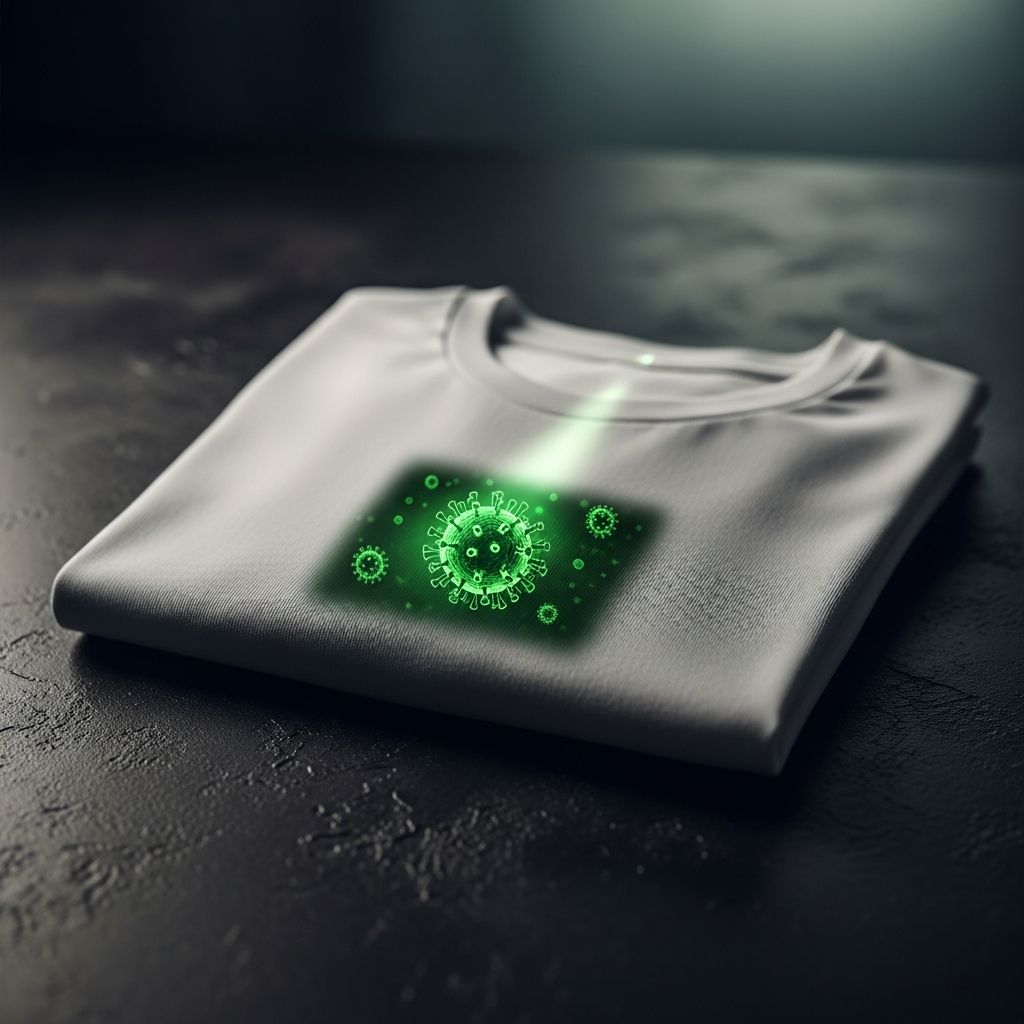
Understanding how long the COVID-19 virus survives on different surfaces, including clothing, has been a critical area of research since the pandemic began. While much attention has focused on hard surfaces like doorknobs and countertops, many people wonder about the risk posed by contaminated clothing and whether their garments could transmit the virus. Research provides reassuring evidence that coronavirus survival on fabric is significantly limited compared to hard surfaces, making clothes a relatively low-risk transmission vector.
Coronavirus Survival Times on Fabric
Laboratory studies have shown that the COVID-19 virus exhibits notably different behavior on fabric compared to hard surfaces. In controlled laboratory settings, the virus can survive on cotton cloth for varying durations depending on temperature conditions. At room temperature (approximately 20°C or 68°F), infectious COVID-19 virus was detectable on cotton for up to 14 days in one comprehensive study. However, at standard room temperature around 72°F (22°C), research indicates the virus is typically detectable on fabric for up to two days.
The dramatic difference between these findings relates to specific laboratory conditions. Initial studies conducted at cooler temperatures showed extended survival periods, while more practical room-temperature scenarios demonstrated much shorter persistence. This distinction is crucial for understanding real-world risk, as most homes and indoor environments maintain temperatures closer to the moderate range rather than the coolest laboratory conditions.
How Temperature Affects Virus Persistence
Temperature plays a decisive role in determining how long coronavirus remains viable on clothing and other surfaces. Research has consistently demonstrated that heat significantly reduces viral survival time:
- At 20°C (68°F): Infectious virus recovered from cotton cloth survived up to 14 days in laboratory conditions
- At 30°C (86°F): Infectious virus was recoverable for only three days from cotton cloth
- At 40°C (104°F): Infectious virus on cotton cloth was detectable for less than 16 hours
- At high heat exposure: When exposed to high heat, the virus became inactive within five minutes
These findings explain why warm weather and heated environments naturally reduce transmission risk. For practical applications, this means that clothing dried in warm conditions or exposed to sunlight will have significantly reduced viral loads compared to items stored in cool, dark environments.
Why Fabric Differs From Hard Surfaces
Coronavirus demonstrates a clear preference for smooth, non-porous surfaces over porous materials like fabric. This fundamental difference in viral behavior is rooted in how the virus interacts with different material structures. Viruses similar to coronavirus don’t survive well on porous surfaces, and researchers have identified specific reasons for this pattern.
Hard, non-porous surfaces such as plastic, glass, and stainless steel allow the virus to maintain structural integrity and remain infectious for extended periods. In laboratory conditions, the virus can survive on these materials for significantly longer than on fabric:
| Surface Material | Survival Duration (Laboratory) |
|---|---|
| Cotton Cloth | Up to 2-14 days (depending on temperature) |
| Plastic | Up to 3-4 days |
| Stainless Steel | Up to 7 days |
| Glass | Up to 4 days |
| Cardboard | Up to 24 hours |
| Paper | Up to 30 minutes |
Related Stories



Why Clothing Limits Virus Transmission
Soft, porous surfaces such as the sleeves of your shirt and other fabric items actually limit the likelihood of spreading the COVID-19 virus through two distinct mechanisms:
Viral Entrapment: Viruses are more likely to get trapped within the fibers and weave of permeable surfaces like fabric, making it considerably less likely for the virus to later transfer to your hand, face, or another surface. Once the virus becomes embedded in fabric fibers, it becomes substantially less mobile and infectious.
Moisture Absorption: Respiratory droplets containing the virus dry out quickly when absorbed by fabric fibers. Viruses are much less infective—potentially non-infective—when dried out, and fabrics actively absorb and draw water away from viral particles, accelerating this deactivation process. This moisture-wicking property of most fabrics creates an inherently hostile environment for viral persistence.
Real-World Versus Laboratory Conditions
It’s essential to understand that laboratory survival times, while informative, don’t directly translate to real-world risk. Studies demonstrating extended viral survival on surfaces were conducted in highly controlled environments using optimal conditions for the virus. These laboratory studies typically used larger viral quantities than you would encounter in normal circumstances and didn’t factor in variables that significantly affect viral longevity in daily life:
- Varying humidity levels
- Air circulation and ventilation
- Natural sunlight and ultraviolet radiation
- Temperature fluctuations throughout the day
- Actual respiratory droplet sizes in real-world scenarios
In real-world conditions, factors like sunlight and heat break down the virus much more quickly than laboratory predictions would suggest. This is why outdoor transmission and transmission through clothing exposed to normal environmental conditions remains exceptionally rare.
Practical Clothing Care Recommendations
While the risk of COVID-19 transmission through clothing is minimal, certain practical measures can further reduce any potential risk. The CDC and medical experts offer the following recommendations for handling clothing:
- Regular washing: Wash clothing regularly using standard detergent and warm water. Normal laundering is sufficient to eliminate any viral particles present on fabric
- Separate items cautiously: If someone in your household has active COVID-19, consider washing their clothes separately from other family members’ clothing, though this is primarily a precaution rather than a necessity
- Heat drying: Machine drying on a normal or high heat setting will further inactivate any remaining viral particles. Heat dramatically reduces viral viability on fabric
- Handle with standard hygiene: Practice normal hygiene when handling clothing, including handwashing after removing soiled items
- No special disinfection needed: You do not need to use specialized disinfectants or bleach solutions on clothing, as standard washing is effective
What the Evidence Shows About Surface Transmission
Comprehensive research demonstrates that while the COVID-19 virus can technically survive on surfaces for hours to days, there’s no evidence that the COVID virus can live on clothing outside of lab settings. Researchers believe the COVID virus is unlikely to survive on fabric under normal environmental conditions because respiratory droplets dry out quickly when absorbed by fibers.
Furthermore, even when virus is detectable on a surface, transmission through that route remains uncommon. The virus can live on surfaces for hours to days depending on the surface type, but this doesn’t necessarily mean it will cause an infection. It isn’t likely that a live virus remaining on a surface will reach someone’s respiratory tract and cause infection. This is why, despite initial pandemic concerns, surface transmission has proven to be a minor transmission route compared to respiratory droplet and aerosol transmission.
Should You Discard Contaminated Clothing?
There is no need to throw away clothing or other items that may have been exposed to COVID-19. Since the virus is unlikely to survive on fabric and actual transmission through clothing is exceptionally rare, discarding items is an unnecessary and wasteful response. Simple washing and normal handling are adequate for managing clothing safety.
However, if someone in your household has active COVID-19 infection, you may want to change out personal hygiene products that come into direct contact with mucous membranes or skin, such as toothbrushes and certain makeup and skin care products, as these items pose a more direct transmission risk.
Comparison: Clothes Versus Other Household Items
Understanding how clothing compares to other surfaces you encounter daily helps contextualize the relative risk. Hard surfaces in your home present a substantially greater transmission risk than clothing if contaminated:
- Doorknobs and railings: Non-porous hard surfaces where virus can survive longer and remain more infectious
- Electronic devices: Plastic screens and touchscreens allow extended viral survival
- Kitchen and bathroom counters: Hard surfaces frequently touched by multiple household members
- Bedding and pillowcases: Similar to clothing in terms of viral survival, with studies showing approximately two days of potential infectivity on some fabrics
- Upholstered furniture: Porous surfaces where virus behaves similarly to clothing
If surface transmission is a concern, prioritizing the cleaning of hard, frequently touched surfaces provides far greater protection than focusing on clothing or fabric items.
Frequently Asked Questions
Q: Can I get COVID-19 from wearing contaminated clothes?
A: The risk is extremely low. Research shows the virus doesn’t survive well on fabric, respiratory droplets dry quickly when absorbed by cloth fibers, and there’s no documented evidence of transmission through clothing in real-world settings. Normal handling and regular washing eliminate any theoretical risk.
Q: How should I wash clothes if someone in my home has COVID-19?
A: Standard washing with regular detergent and warm water is sufficient. You can wash infected persons’ clothing with the rest of your household laundry or separately—both approaches are safe. Machine drying on normal or high heat further inactivates any viral particles. No special disinfectants are needed.
Q: Does heat kill coronavirus on fabric?
A: Yes, heat significantly reduces viral survival on cloth. At 40°C (104°F), infectious virus on cotton is detectable for less than 16 hours. High heat exposure of around 60°C or higher can inactivate the virus within minutes. Machine drying on standard heat settings provides adequate protection.
Q: Should I throw away clothes exposed to COVID-19?
A: No, there is no need to discard clothing. COVID-19 is rarely spread through surfaces, and simple washing is effective. Discarding items is unnecessary, wasteful, and not recommended by health authorities.
Q: How long does COVID-19 last on cotton clothing specifically?
A: In laboratory settings, infectious virus on cotton cloth was detectable for up to 14 days at cool temperatures (20°C), three days at moderate temperatures (30°C), and less than 16 hours at warm temperatures (40°C). In real-world conditions with normal sunlight and ventilation, survival time is substantially shorter.
Q: Is clothing or bedding a significant COVID-19 transmission risk?
A: No. While studies show the virus can theoretically survive on bedding for about two days, transmission through fabric is unlikely. Hard, non-porous surfaces like doorknobs and counters present substantially greater transmission risks than clothing or bedding.
Q: Should I use special disinfectants on clothes?
A: No, special disinfectants are unnecessary. Regular detergent and warm water washing is completely effective for eliminating any viral particles on fabric. Bleach or specialized disinfectants offer no additional benefit and may damage clothing.
References
- How Long Does Coronavirus Last On Clothes? — Hackensack Meridian Health. 2020-08-27. https://www.hackensackmeridianhealth.org/en/healthu/2020/08/27/how-long-does-coronavirus-last-on-clothes
- How Long Can Coronavirus Survive on Clothes? — Houston Methodist. 2020-04. https://www.houstonmethodist.org/blog/articles/2020/apr/how-long-can-coronavirus-survive-on-clothes/
- How Long Does COVID Live on Surfaces Like Food and Clothing? — GoodRx. 2024. https://www.goodrx.com/conditions/covid-19/how-long-coronavirus-lives-surfaces-like-food-clothes-wood-glass-steel
- How Long the Virus Can Survive — CSIRO. 2020. https://www.csiro.au/en/research/health-medical/diseases/covid-19-research/how-long-the-virus-can-survive
- Surface Cleaning and COVID-19: What You Should Know — WebMD. 2024. https://www.webmd.com/covid/how-long-covid-19-lives-on-surfaces
- How Long Will COVID-19 Survive on Surfaces? — Cleveland Clinic. 2024. https://health.clevelandclinic.org/how-long-will-coronavirus-survive-on-surfaces
- New Coronavirus Stable for Hours on Surfaces — National Institutes of Health. 2020-03-17. https://www.nih.gov/news-events/news-releases/new-coronavirus-stable-hours-surfaces
Similar Articles








Read full bio of Sneha Tete