How Long Does It Take for Ozempic to Work?
Discover the timeline for Ozempic's effects on blood sugar, appetite, and weight loss, plus factors influencing results and expert tips.
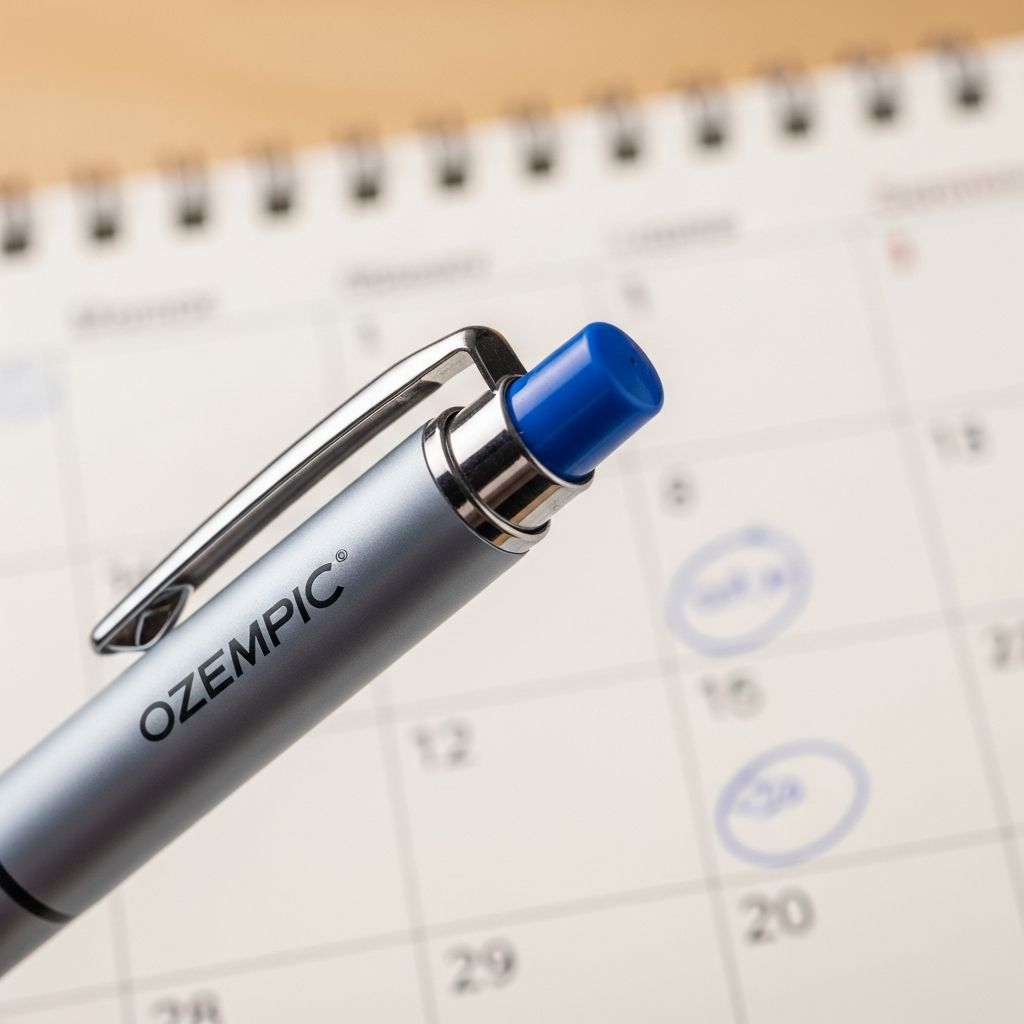
Ozempic (semaglutide), a GLP-1 receptor agonist, is primarily approved for managing type 2 diabetes but is widely used off-label for weight loss. It mimics the GLP-1 hormone to regulate blood sugar, slow gastric emptying, and suppress appetite. While individual responses vary, most people notice initial effects within the first week, with steady-state levels reached in 4-5 weeks and fuller benefits by 8-12 weeks.
What Is Ozempic?
Ozempic is a once-weekly subcutaneous injection containing semaglutide, developed by Novo Nordisk. Approved by the FDA in 2017 for type 2 diabetes in adults, it lowers blood glucose by stimulating insulin release, inhibiting glucagon, and reducing appetite. Off-label, it’s popular for chronic weight management, especially since higher-dose Wegovy (also semaglutide) was approved for obesity. Dosing starts at 0.25 mg weekly, titrating up to 2 mg to minimize side effects.
The medication’s mechanism targets the brain’s hunger centers and gut hormones, promoting satiety. Clinical trials like SUSTAIN showed A1C reductions of 1-2% and weight loss of 5-15% over 6-12 months when combined with diet and exercise.
How Ozempic Works
Ozempic activates GLP-1 receptors in the pancreas, brain, and stomach. Key actions include:
- Increasing insulin secretion in response to meals.
- Decreasing glucagon release, preventing liver glucose production.
- Slowing digestion for prolonged fullness.
- Reducing appetite via central nervous system signals.
These effects improve glycemic control and support weight loss. Steady-state plasma levels occur after 4-5 weeks due to its 1-week half-life, allowing once-weekly dosing.
Ozempic Timeline: When to Expect Results
The timeline varies by goal—blood sugar control, appetite suppression, or weight loss—but follows a phased progression with gradual dose increases.
Week 1-2: Initial Appetite Changes
Many experience reduced hunger and fewer cravings within days. Patients report feeling fuller on smaller portions, less snacking, and subtle metabolic shifts. Blood sugar may stabilize slightly, but scale changes are minimal as the body adjusts to the 0.25 mg starting dose.
- Appetite suppression: Often immediate or by day 3-7.
- Mild side effects like nausea may appear.
- No significant weight loss yet.
Weeks 3-4: Early Blood Sugar and Weight Improvements
By month 1, blood glucose levels often drop noticeably. Weight loss of 2-12 pounds is common, especially with diet tweaks. This coincides with potential dose increase to 0.5 mg. A1C begins trending down.
Weeks 5-8: Steady-State and Noticeable Progress
Ozempic reaches steady levels, enhancing effects. Expect better glycemic control, 5% body weight reduction for some, and consistent energy. Providers check A1C around week 8; doses may rise to 1 mg if targets unmet.
Months 2-3: Enhanced Weight Loss and Control
Appetite suppression strengthens, aiding calorie deficits. Average weight loss reaches 5-10%, with A1C drops of 0.5-1.5%. Full effects emerge by week 12 on higher doses.
Related Stories



Months 4-6 and Beyond: Long-Term Gains
Maintenance dosing (up to 2 mg) yields peak results: 10-15% weight loss, optimal A1C, and sustained habits. Trials show continued benefits with adherence.
| Timeframe | Blood Sugar Effects | Weight Loss | Appetite Changes |
|---|---|---|---|
| Weeks 1-2 | Subtle stabilization | Minimal | Reduced hunger |
| Weeks 3-4 | Noticeable drop | 2-12 lbs | Fuller faster |
| Weeks 5-8 | Steady control | 5% body weight | Consistent suppression |
| Months 2-3 | A1C improvement | 5-10% | Strong satiety |
| 6+ Months | Optimal A1C | 10-15%+ | Sustained |
Factors That Affect How Quickly Ozempic Works
Several variables influence Ozempic’s onset:
- Dose and Titration: Starting low (0.25 mg) delays full effects but reduces nausea.
- Consistency: Weekly injections without misses are crucial for steady levels.
- Lifestyle: Calorie-controlled diets and 150+ minutes weekly exercise amplify results.
- Individual Factors: Baseline weight, insulin resistance, age, and genetics play roles. Higher BMI often sees faster initial loss.
- Side Effects: GI issues may slow dose escalation, delaying peak efficacy.
Combining with nutrition guidance or other therapies can optimize outcomes.
Signs Ozempic Is Working
Look for these indicators:
- Lower fasting/post-meal blood sugars.
- Reduced A1C after 3 months.
- Less hunger, fewer cravings.
- Earlier satiety.
- Weight loss on the scale/clothes fitting better.
- Stable energy without sugar crashes.
If no changes by 8-12 weeks, consult your provider for dose adjustments or alternatives.
Ozempic Dosage Timeline
Standard titration minimizes side effects:
- Weeks 1-4: 0.25 mg weekly.
- Weeks 5-8: 0.5 mg.
- Weeks 9-12: 1 mg.
- Week 13+: Up to 2 mg if needed.
Doses increase every 4 weeks based on tolerance and response.
Ozempic Side Effects and Management
Common issues peak early and fade:
- Gastrointestinal: Nausea (20-44%), vomiting, diarrhea, constipation.
- Other: Fatigue, headache, injection site reactions.
- Rare/Serious: Pancreatitis, gallbladder issues, thyroid tumors (boxed warning).
Tips: Eat small bland meals, stay hydrated, use anti-nausea meds if prescribed. Gradual titration helps 80% tolerate higher doses.
Ozempic for Weight Loss vs. Diabetes
For diabetes, focus is A1C/blood sugar (effects by 4-12 weeks). For weight loss, appetite/scale changes drive use, with 5-15% loss over 6-18 months outperforming older drugs like liraglutide.
Tips to Maximize Ozempic Results
- Track blood sugar, weight, and intake via apps.
- Prioritize protein, fiber, veggies; limit sugars/carbs.
- Exercise: Mix cardio, strength training.
- Attend follow-ups for dose tweaks.
- Manage side effects proactively.
- Build habits for post-medication maintenance.
Frequently Asked Questions (FAQs)
How long does it take for Ozempic to suppress appetite?
Typically within the first week, with many noticing reduced hunger by days 3-7.
When will I lose weight on Ozempic?
2-12 pounds by month 1; 5-10% by month 3 for most.
How long for Ozempic to lower A1C?
Noticeable changes in 4-8 weeks; significant by 3 months.
What if Ozempic isn’t working after 2 months?
Discuss dose increase, adherence, or lifestyle with your doctor.
Can I stop Ozempic once I lose weight?
Weight often rebounds without lifestyle changes; taper under guidance.
Does exercise speed up Ozempic results?
Yes, combining with activity enhances weight loss and blood sugar control.
References
- How Long Does Ozempic Take to Work? Timeline and What to Expect — GoodRx. 2024. https://www.goodrx.com/ozempic/how-long-does-ozempic-take-to-work
- Ozempic Results Timeline: When You’ll See a Change — Alonso Martin MD / Bodywelle. 2024. https://alonsomartinmd.com/blog/how-long-does-it-take-for-ozempic-to-work/
- Understanding The Timeline of Ozempic For Weight Loss — Harley Street Skin Clinic. 2024. https://www.harleystreetskinclinic.com/articles/understanding-the-timeline-of-ozempic-for-weight-loss/
- How long does it take for Ozempic to work? — Medical News Today. 2024. https://www.medicalnewstoday.com/articles/drugs-how-long-does-it-take-for-ozempic-to-work
- How Long Does It Take Ozempic to Work? — HealthCentral. 2024. https://www.healthcentral.com/condition/type-2-diabetes/how-long-does-it-take-ozempic-to-work
- How Long Does It Take for Ozempic to Work? — Healthgrades. 2024. https://resources.healthgrades.com/drugs/how-long-does-it-take-for-ozempic-to-work
Similar Articles








Read full bio of Sneha Tete