How Long For Flu Shot To Be Effective: 2 Weeks To Peak Immunity
Discover when the flu shot starts working, how long protection lasts, and why timing matters for peak flu season defense.
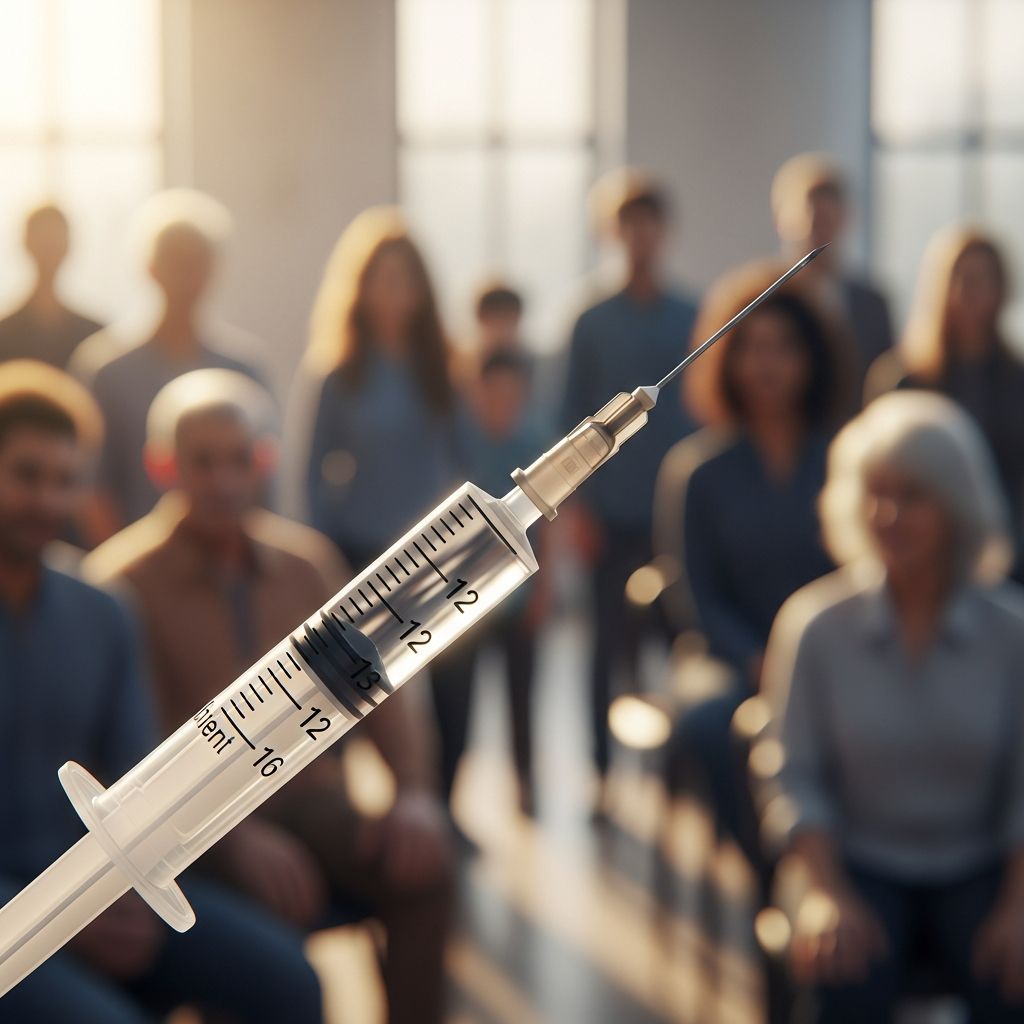
The flu shot, a cornerstone of annual influenza prevention, typically takes
about two weeks
to generate protective antibodies after vaccination. This timeline allows your immune system to build defenses before peak flu season, providing protection for up to six months while reducing severe illness risk by 40-60%.What Is the Flu Shot and How Does It Work?
The flu shot is an inactivated influenza vaccine containing killed virus strains predicted to circulate each season. Unlike live vaccines, it cannot cause flu infection. Upon injection, it stimulates the immune system to produce antibodies targeting specific flu viruses (typically three or four strains). This process mimics natural infection without illness, priming B-cells and T-cells for rapid response upon exposure.
Production begins six months in advance, with shipments starting in late summer. The CDC selects strains based on global surveillance, aiming for a match with dominant variants. Even with minor drifts, the vaccine offers cross-protection against related strains.
How Long Does It Take for the Flu Shot to Become Effective?
Immunity develops gradually post-vaccination.
It takes approximately two weeks
for sufficient antibodies to reach protective levels. During this window, exposure to flu could still result in infection, as your body hasn’t fully responded.- Days 0-7: Initial immune activation; minimal protection.
- Days 7-14: Antibody production ramps up; partial immunity emerges.
- After Day 14: Peak effectiveness achieved, with studies showing highest protection 14-29 days post-shot.
If vaccinated early in flu season (September-October), this aligns perfectly with rising cases, peaking December-February.
How Long Does Flu Shot Protection Last?
Flu vaccine protection generally lasts
up to six months
, covering most of the U.S. flu season (October-May). However, efficacy wanes over time: research indicates a decline starting around day 41, at about 8-9% per 28 days in adults, faster (10-11%) in those 65+.| Time Post-Vaccination | Estimated Protection Level | Notes |
|---|---|---|
| 0-1 Month | Peak (40-60% overall) | Highest in children (up to 53-78%); adults 36-55%. |
| 1-3 Months | Moderate Decline | Still prevents hospitalization (63-78% in kids). |
| 3-6 Months | Significant Waning | Covers peak season; annual revaccination needed. |
| >6 Months | Minimal | New strains emerge; get annual shot. |
Annual vaccination is essential due to strain changes and waning immunity. The CDC recommends it for everyone 6 months and older.
Flu Shot Effectiveness: What the Data Shows
Vaccine effectiveness (VE) varies yearly based on strain match, age, and health. Historical data (2009 onward) shows
22-60% VE
against illness; higher (up to 78%) against hospitalization.- 2024-2025 Season: 40-60% expected; even lower matches reduce severe outcomes (26% lower ICU risk, 31% lower death risk).
- Children: 53% outpatient VE; 63-78% hospitalization prevention.
- Adults 65+: 26-55%; waning pronounced.
- Mismatched Seasons: Still protects against other strains; reduces complications.
Preliminary data affirms even imperfect matches provide ‘more than good enough’ protection, boosting H3N2 antibodies from 39% to 71%.
Best Time to Get Your Flu Shot
Related Stories



**September and October** is optimal, balancing early protection with minimal waning by peak season (February).
- Too Early (July-August): Protection fades by winter; avoid unless high-risk and access issues.
- Late Season (March-May): Still beneficial if flu circulates locally.
Flu season starts October, peaks December-February, ends May. Vaccinate by October’s end for full coverage.
Who Should Get the Flu Shot?
CDC urges
everyone 6 months+
, prioritizing high-risk groups:- Pregnant people
- Adults 65+
- Chronic conditions (asthma, diabetes, heart disease)
- Healthcare workers
- Children under 5
- Caregivers of infants
High-dose or adjuvanted vaccines recommended for 65+ for stronger response.
Side Effects: Can the Flu Shot Give You the Flu?
No, the flu shot cannot cause flu**—it’s inactivated.
Common mild side effects (1-2 days):
- Soreness/redness at site
- Muscle aches
- Low fever
- Fatigue
These signal immune activation. Rare severe reactions (e.g., Guillain-Barré) occur ~1/1M doses. Benefits far outweigh risks.
Frequently Asked Questions (FAQs)
Q: How soon after the flu shot am I protected?
A: About two weeks for full antibody development.
Q: Does protection wear off before flu season ends?
A: Yes, waning starts ~41 days; lasts up to 6 months for most.
Q: Is the 2025-2026 flu shot effective?
A: Expected 40-60%; prevents severe illness even if imperfect match.
Q: Can I get flu right after vaccination?
A: Possible in first 2 weeks; wait if recently exposed.
Q: Should I get it every year?
A: Yes, due to waning and new strains.
Q: What if I’m sick when getting the shot?
A: Postpone if acute illness; mild symptoms okay. Stay home if feverish.
Why Get Vaccinated? The Bigger Picture
Beyond personal protection, flu shots reduce community spread, easing healthcare burden. They prevent millions of illnesses, hospitalizations, and deaths annually. Even moderate VE translates to substantial public health gains.
In high-risk adults, vaccination cuts ICU admissions 26% and deaths 31%. For 2025-2026, early vaccination remains key amid variable strains.
References
- How Effective Is the Flu Shot? — National Council on Aging. 2024. https://www.ncoa.org/article/how-effective-is-the-flu-shot/
- Timing Your Flu Shot: The Science Behind When to Get Vaccinated — History of Vaccines. 2024. https://historyofvaccines.org/blog/timing-your-flu-shot-science-behind-when-get-vaccinated/
- Flu shot: Your best bet for avoiding influenza — Mayo Clinic. 2024-10-15. https://www.mayoclinic.org/diseases-conditions/flu/in-depth/flu-shots/art-20048000
- Flu shot ‘more than good enough,’ says expert — Harvard T.H. Chan School of Public Health. 2024. https://hsph.harvard.edu/news/flu-shot-more-than-good-enough-says-expert/
- Key Facts About Seasonal Flu Vaccine — Centers for Disease Control and Prevention (CDC). 2025-07-30. https://www.cdc.gov/flu/vaccines/keyfacts.html
Similar Articles








Read full bio of medha deb