How Long Is A Cold Contagious: 14-Day Timeline & Tips
Understand the contagious timeline of a common cold, from incubation to recovery, to protect yourself and others effectively.
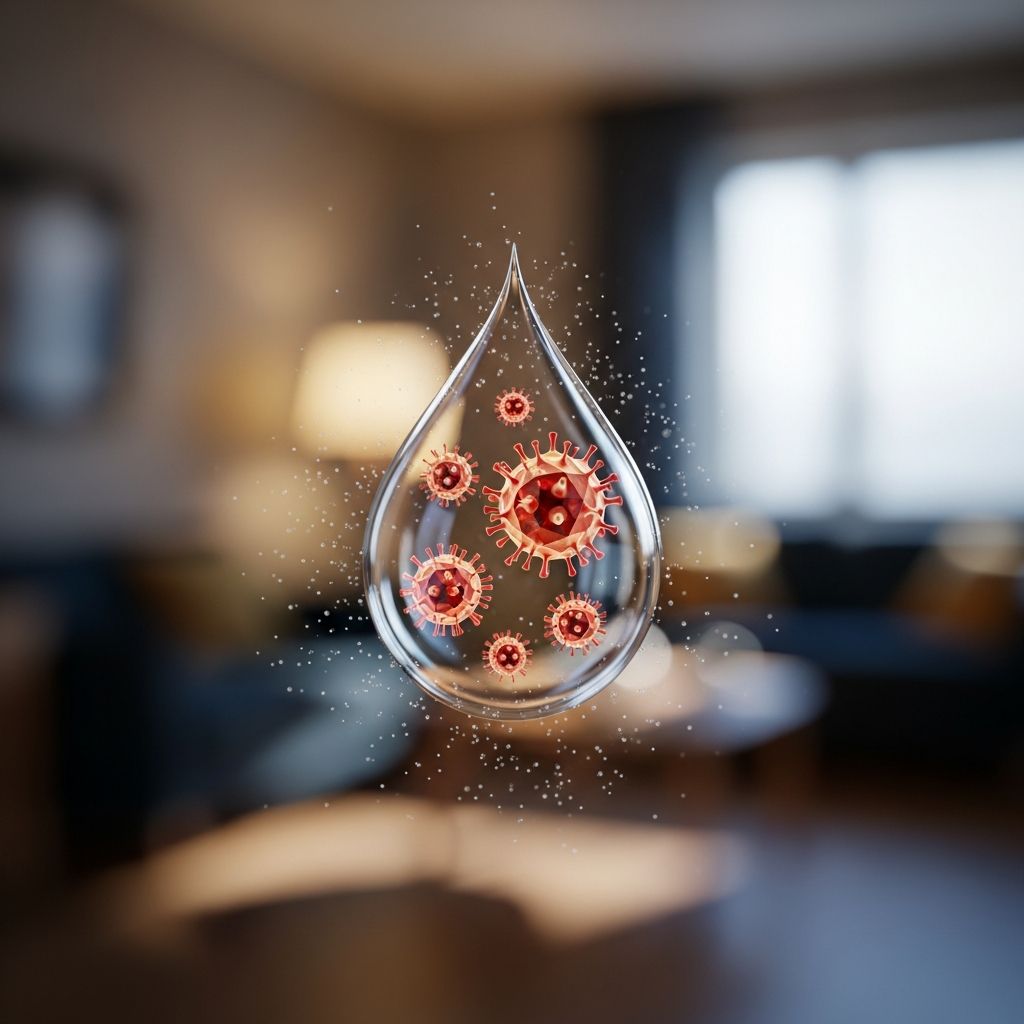
The common cold, caused by over 200 different viruses primarily rhinoviruses, spreads easily through respiratory droplets, direct contact, or contaminated surfaces. Most people experience 2-3 colds per year, with children more susceptible due to developing immunity. Understanding contagiousness helps prevent outbreaks in homes, schools, and workplaces.
How Long Does a Cold Last?
A typical cold lasts
7 to 10 days
from symptom onset, though some linger up to two weeks. Symptoms peak in the first 2-3 days, gradually improving thereafter. Full recovery occurs when all symptoms resolve, marking the end of contagiousness.- Day 1-3: Incubation and early symptoms.
- Day 4-7: Peak severity with worst discomfort.
- Day 8-14: Residual cough or congestion may persist.
Factors like age, immune health, and virus strain influence duration. Healthy adults recover faster than infants, elderly, or immunocompromised individuals.
When Are You Most Contagious With a Cold?
You are contagious from
1-2 days before symptoms appear
through the entire symptomatic period, potentially up to 2 weeks. Peak contagiousness occurs in thefirst 3-4 days
after symptoms start, when viral shedding is highest.Even asymptomatic during incubation, you can spread the virus via coughs, sneezes, or talking. Virus loads are maximal early, dropping as symptoms fade.
Timeline of a Contagious Cold
Colds progress through three stages: early (incubation), peak, and late (recovery). Contagiousness varies by stage.
Early Stage (Days 1-3)
This incubation phase begins 1-3 days post-exposure. You may feel a
tickle in the throat, fatigue, or slight runny nose
, mistaking it for allergies. Crucially, you are contagious without symptoms, shedding virus through respiratory secretions.- Common early signs: Scratchy throat, mild fatigue, watery eyes.
- Risk: High spread potential in close contacts unaware of exposure.
Peak Stage (Days 3-4)
Symptoms intensify here, making you
most contagious
. Expectrunny/stuffy nose, frequent sneezing, coughing, sore throat, headache, and low-grade fever
. Viral particles peak, increasing transmission risk via droplets or touch.| Peak Symptoms | Description |
|---|---|
| Runny nose | Clear mucus turns thicker. |
| Cough/Sneeze | Frequent, droplet-producing. |
| Fatigue/Aches | Mild body pains, low energy. |
Stay home during this phase to avoid infecting others.
Late Stage (Days 5-14)
Symptoms subside, but you remain contagious if coughing or congested.
Lingering cough and nasal stuffiness
can persist up to 14 days. Contagiousness wanes as virus clearance improves.- Improving signs: Less frequent nose-blowing, clearer mucus.
- Precautions: Mask up, hygiene focus even if feeling better.
How Colds Spread
Colds transmit via:
- Airborne droplets: Coughing/sneezing projects virus 6 feet.
- Direct contact: Handshakes, kisses.
- Fomites: Touching contaminated surfaces (doorknobs, phones) then face.
Viruses survive hours to days on surfaces, emphasizing handwashing.
Related Stories



Preventing the Spread of Colds
Key strategies reduce transmission by 20-50%:
- Hand hygiene: Wash 20 seconds or use sanitizer (>60% alcohol).
- Cover coughs/sneezes: Elbow or tissue, discard immediately.
- Avoid face touching: Eyes/nose/mouth entry points.
- Disinfect surfaces: Daily clean high-touch areas.
- Mask in crowds: Especially peak stage.
Vaccines don’t exist for colds due to viral diversity, but flu shots prevent confusion with influenza.
Treating the Common Cold
No cure exists; treatment is symptomatic and supportive:
- Rest/Hydration: Fluids thin mucus; sleep boosts immunity.
- Decongestants: Pseudoephedrine for congestion (avoid in children).
- Pain relievers: Acetaminophen/ibuprofen for aches/fever.
- Saltwater gargle: Soothes throat.
- Humidifier: Moistens air, eases breathing.
Antibiotics ineffective against viruses; reserve for bacterial complications. You’re contagious despite meds.
Signs Your Cold Is Getting Better
Recovery indicators:
- Energy return: Increased daily activity tolerance.
- Mucus changes: Clearer, less volume.
- Symptom fade: Reduced cough/sneeze frequency.
- No fever: Temperature normalizes.
Lingering mild cough normal; full resolution ends contagiousness.
Signs Your Cold Is Not Getting Better
Seek care if:
- Symptoms worsen post-10 days.
- High fever (>101°F/38.3°C) persists.
- Chest pain, wheezing, shortness breath.
- Severe ear/sinus pain, facial swelling.
- Complications: Pneumonia, sinusitis in vulnerable groups.
Children/infants: Watch for dehydration, lethargy.
Frequently Asked Questions (FAQs)
Can I spread a cold before symptoms start?
Yes, 1-2 days pre-symptoms during incubation.
How long after starting antibiotics am I non-contagious?
Antibiotics don’t treat viral colds; irrelevant.
Is a cold contagious after fever breaks?
Yes, if cough/congestion lingers up to 2 weeks.
Can colds spread through food?
Unlikely directly; via contaminated hands/surfaces.
When safe to return to work/school?
After 24 fever-free hours without meds, symptoms improving, no cough/sneeze.
Key Takeaways
- Colds last 7-10 days; contagious up to 2 weeks.
- Peak spread: First 3-4 symptomatic days.
- Prevent with hygiene, isolation during peak.
- See doctor for prolonged/worsening symptoms.
By following these guidelines, you minimize spread and recover faster.
References
- How long is a cold contagious? – Quest Diagnostics — Quest Diagnostics. 2023. https://www.questdiagnostics.com/patients/blog/articles/how-long-is-a-cold-contagious
- Am I Still Contagious? – Cedars-Sinai — Cedars-Sinai. 2018-01-13. https://www.cedars-sinai.org/stories-and-insights/expert-advice/am-i-still-contagious
- How long are you contagious when you’re sick? — Piedmont Healthcare. 2023. https://www.piedmont.org/blog/how-long-are-you-contagious-when-youre-sick
Similar Articles








Read full bio of Sneha Tete