Low Blood Sugar Dangers: 7 Symptoms, 5 Causes, 4 Risks
Understand the risks of hypoglycemia, its symptoms, causes, and life-saving treatment strategies for diabetes management.
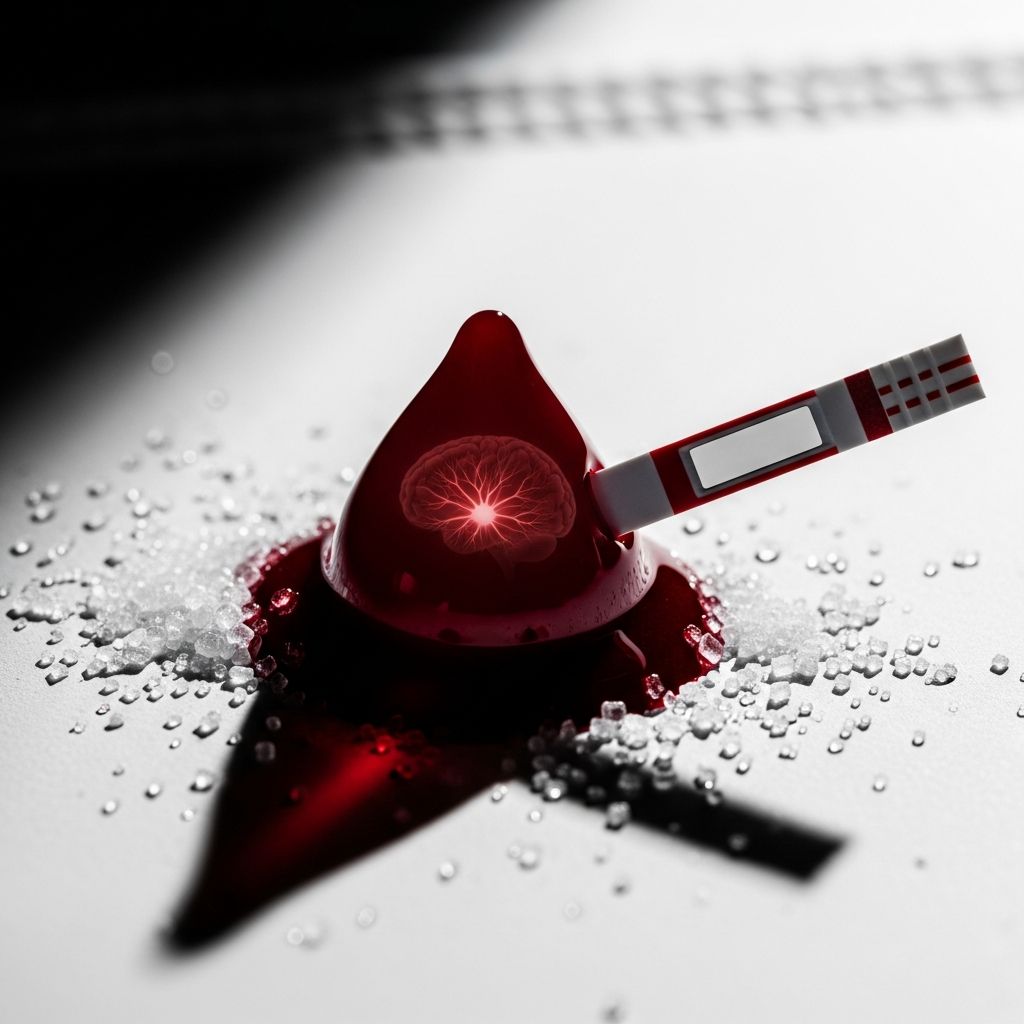
Low blood sugar, medically known as hypoglycemia, occurs when blood glucose levels drop below 70 mg/dL, posing immediate risks especially for those with diabetes. This condition can escalate rapidly from mild shakiness to life-threatening seizures or coma if untreated, making early recognition critical.
What is low blood sugar (hypoglycaemia)?
Hypoglycemia is defined as blood glucose levels below 70 mg/dL (3.9 mmol/L), a threshold where the brain and body struggle for energy since glucose is the primary fuel source. In people with diabetes, this often stems from diabetes treatments like insulin overpowering glucose availability, but it can affect non-diabetics rarely due to hormonal issues.
Normally, the body maintains balance: carbohydrates convert to glucose, insulin shuttles it into cells, and counter-regulatory hormones like glucagon release stored glucose when levels dip. In diabetes, this system falters—type 1 lacks insulin production entirely, while type 2 may involve insulin resistance or excess medication. A global study cited across sources found 4 in 5 type 1 diabetics and nearly half of insulin-using type 2 diabetics experience at least one hypo in four weeks.
Symptoms of low blood sugar
Symptoms vary but typically start mildly, providing a window for action. Early signs include:
- Shakiness or trembling
- Sweating, clamminess
- Hunger pangs
- Fast heartbeat (tachycardia)
- Anxiety or irritability
- Headache
- Blurred vision or double vision
As levels drop further (below 55 mg/dL), severe symptoms emerge: confusion, clumsiness, slurred speech, seizures, loss of consciousness, or coma. Individual experiences differ; some notice unique cues like pale skin or nightmares.
Why is low blood sugar dangerous?
The brain relies almost exclusively on glucose, so severe hypoglycemia starves it, leading to impaired function within minutes. Untreated, it causes:
- Seizures from neuronal hyperexcitability
- Coma or unconsciousness
- Brain damage from prolonged deprivation
- Rarely, death—especially if driving or operating machinery
Diabetic hypoglycemia heightens accident risks, mimicking drunkenness and contributing to falls or crashes. Frequent episodes compound dangers via hypoglycemia unawareness, where symptoms fade, delaying treatment.
How does low blood sugar happen?
For diabetics, excess insulin relative to glucose intake triggers hypos. Common precipitants include:
- Skipping or delaying meals/snacks: Reduces carbohydrate intake
- Excessive exercise: Increases glucose uptake without dose adjustment
- Insulin/medication mismatch: Too much relative to food/activity
- Alcohol: Inhibits liver glucose release, especially on empty stomach
- Illness/stress: Alters absorption or requirements
Non-diabetics face rarer causes like tumors or post-surgery reactions, but diabetes accounts for most cases.
Treating low blood sugar
Act fast with the 15-15 rule: Consume 15g fast-acting carbs, wait 15 minutes, recheck. Repeat if below 70 mg/dL. Suitable options:
| Food/Drink | Carb Amount (approx. 15g) |
|---|---|
| Glucose tablets (4 tablets) | 15g |
| 3-4 ounces fruit juice | 15g |
| 1 tablespoon honey/sugar | 15g |
| Regular soda (non-diet, 4 oz) | 15g |
| Hard candies (3-5 small) | 15g |
Follow with complex carbs/protein (e.g., peanut butter crackers) to stabilize. For unconsciousness, use glucagon injection/nasal spray—family must be trained. Call 911 if no response.
Avoid over-treating to prevent rebound hyperglycemia; set a timer post-initial treatment.
Hypoglycaemia unawareness
Repeated hypos dull warning symptoms, termed hypoglycemia unawareness, heightening severe hypo risks. More common in type 1 diabetics with frequent lows, it stems from blunted counter-regulation.
Related Stories



Reverse by:
- Aiming for tighter control (slightly higher targets temporarily)
- Avoiding lows for weeks to restore awareness
- Continuous glucose monitors (CGM) for alerts
Consult providers for regimen adjustments.
Nocturnal hypoglycaemia
Nighttime hypos strike during sleep, often unnoticed, causing nightmares, sweating, or morning fatigue. Risks include seizures/coma; check levels before bed (avoid below 100 mg/dL).
Prevention: Reduce evening insulin, bedtime snack, CGM with alarms. Symptoms may include restlessness or confusion upon waking.
Preventing low blood sugar
Proactive strategies minimize risks:
- Regular monitoring: Test before/after exercise, meals, bedtime
- Consistent meals: Don’t skip; match carbs to insulin
- Exercise adjustments: Extra snack, reduce insulin dose
- Alcohol limits: With food, monitor post-drinking
- Sick-day plans: Adjust meds, hydrate
- Hypo kit: Always carry glucose sources
For type 1, tight control increases hypo risk but protects long-term; balance with prevention.
Driving and low blood sugar
Hypos impair like alcohol, risking crashes—check levels before driving (above 90-100 mg/dL), carry hypo treatments. UK laws mandate stopping if symptomatic; inform DVLA of severe hypos. US: Similar precautions urged.
Frequently Asked Questions (FAQs)
What should my blood sugar be?
Targets vary: 70-130 mg/dL fasting, under 180 mg/dL post-meal typical, but personalize with doctor.
Can I get low blood sugar without diabetes?
Rarely, yes—from medications, alcohol, or conditions like insulinomas.
What if glucagon doesn’t work?
Call emergency services immediately; don’t delay.
How often should I check blood sugar?
Multiple times daily for insulin users, especially around risks like exercise.
Is hypoglycemia getting worse?
Frequent episodes signal need for regimen tweak to avoid unawareness.
References
- Dangers of Low Blood Sugar (Hypoglycemia) — Express Scripts. 2023. https://www.express-scripts.com/pharmacy/blog/dangers-of-low-blood-sugar
- Hypoglycemia (Low Blood Sugar): Symptoms & Treatment — Cleveland Clinic. 2023-10-19. https://my.clevelandclinic.org/health/diseases/11647-hypoglycemia-low-blood-sugar
- Low Blood Sugar (Hypoglycemia) — Centers for Disease Control and Prevention (CDC). 2024. https://www.cdc.gov/diabetes/about/low-blood-sugar-hypoglycemia.html
- Diabetic Hypoglycemia – Symptoms & Causes — Mayo Clinic. 2023-07-27. https://www.mayoclinic.org/diseases-conditions/diabetic-hypoglycemia/symptoms-causes/syc-20371525
- The Lowdown On Low Blood Sugar — American Association of Clinical Endocrinology (AACE). 2023. https://www.aace.com/disease-and-conditions/diabetes/lowdown-low-blood-sugar
- Hypoglycaemia (Hypo): Symptoms, Causes, and Treatment — Patient.info. 2024. https://patient.info/diabetes/hypoglycaemia-low-blood-sugar
Similar Articles








Read full bio of Sneha Tete