How Many Calories To Eat To Lose Weight: 2 Practical Meal Plans
Discover how to calculate your ideal calorie intake for safe, sustainable weight loss with expert-backed strategies and tips.
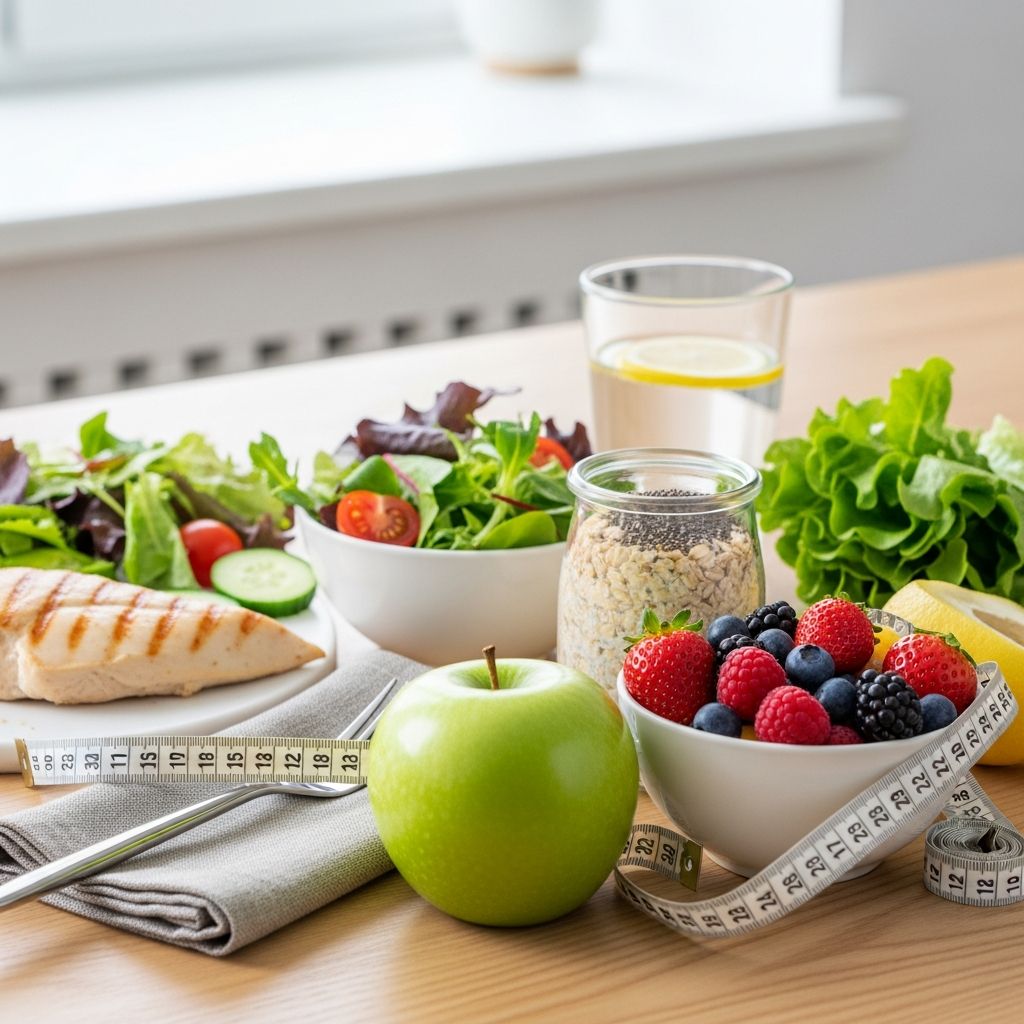
Weight loss fundamentally relies on consuming fewer calories than your body burns, creating a calorie deficit that prompts your body to use stored fat for energy. This approach, supported by foundational principles from health authorities, typically allows for 0.5 to 1 pound of weight loss per week when reducing intake by about 500 calories daily.
What Is a Calorie Deficit?
A
calorie deficit
occurs when energy intake from food falls below energy expenditure, forcing the body to tap into fat reserves. Calories serve as fuel for all bodily functions, derived primarily from carbohydrates, fats, and proteins; excess calories are stored as fat, while a deficit mobilizes these stores.The classic estimate links 3,500 calories to 1 pound of body fat, though real-world results vary due to factors like metabolic adaptations, water loss, and lean tissue changes. Research confirms that a 500-calorie daily deficit generally yields ½ to 1 pound weekly loss, adjusted for individual variables such as starting weight, sex, and activity.
How Many Calories Do You Burn in a Day?
Daily calorie burn comprises basal metabolic rate (BMR)—energy for vital functions like breathing—and total daily energy expenditure (TDEE), which adds activity and digestion. BMR can be estimated using formulas like Harris-Benedict: for men, BMR = 88.362 + (13.397 × weight in kg) + (4.799 × height in cm) – (5.677 × age in years); for women, 447.593 + (9.247 × weight in kg) + (3.098 × height in cm) – (4.330 × age in years).
TDEE multiplies BMR by activity factors: sedentary (1.2), lightly active (1.375), moderately active (1.55), very active (1.725), super active (1.9). For example, a 30-year-old woman, 5’5″, 180 lbs (82 kg, 165 cm), sedentary, has BMR ≈ 1,500 calories; TDEE ≈ 1,800 calories.
How to Calculate Calories for Weight Loss
To lose weight, subtract 500-1,000 calories from TDEE for 1-2 pounds weekly loss, ensuring intake stays above 1,200 for women and 1,500 for men to avoid nutrient deficiencies. Low-calorie diets (1,000-1,500 kcal/day) create 500-750 kcal deficits, as recommended by obesity guidelines.
| Goal | Weekly Loss | Daily Deficit |
|---|---|---|
| Safe Gradual | 0.5-1 lb | 250-500 kcal |
| Moderate | 1-2 lbs | 500-1,000 kcal |
| Aggressive (supervised) | >2 lbs | >1,000 kcal (VLCD) |
For precision, use apps or calculators, but track progress and adjust as metabolism slows with weight loss.
Low-Calorie Diet vs. Very-Low-Calorie Diet
**Low-calorie diets** (LCD, 1,000-1,500 kcal/day) restrict fats or carbs equally effectively if deficits are maintained; the DIETFITS study showed no superiority of low-fat over low-carb for weight loss. These promote sustainable habits but may plateau due to adaptive thermogenesis reducing expenditure.
**Very-low-calorie diets** (VLCD, <800 kcal/day) suit short-term use under supervision for rapid loss or plateaus. Combined with behavior programs, VLCDs yield greater long-term results; very-low-calorie ketogenic diets (VLCKD, <700-800 kcal, <30-50g carbs, high protein) preserve muscle and sustain loss up to 2 years.
- VLCD benefits: 2-6 kg more loss than standard diets; diabetes remission.
- Risks: Monitored for electrolytes, gallstones; not routine.
Macronutrient Composition for Weight Loss
While deficits drive loss, macros influence satiety and adherence. Meta-analyses rank calorie restriction primary, macros secondary; Atkins (low-carb, high-protein) excels at 6-12 months, reducing LDL modestly.
- Low-carb/ketogenic: Rapid initial loss, but fades long-term.
- High-protein: Boosts metabolism, preserves muscle (0.8-1.2g/kg ideal weight).
- Balanced: Sustainable for most.
Related Stories



Meal replacements aid VLCDs, adding 2-6 kg loss short-term.
Cutting Calories Without Feeling Hungry
Focus on nutrient-dense, low-calorie foods: vegetables, fruits, lean proteins. Strategies include:
- Swap high-calorie items (soda, latte) for zero-calorie alternatives.
- Prioritize volume-eating: salads, broths fill without calories.
- Increase protein/fiber for satiety.
Portion Control Tips
Portions often exceed needs; use smaller plates, measure initially.
| Food | Large Portion (calories) | Smaller Portion (calories) |
|---|---|---|
| Buttermilk pancake | 6-inch (175) | 4-inch (86) |
| Whole-grain noodles, cooked | 1.5 cups (355) | 1 cup (237) |
- Start with less; add veggies if hungry.
- Eat from plates, not packages.
- Use hand portions: palm=protein, fist=veggies, thumb=fats.
Sample Meal Plans for Weight Loss
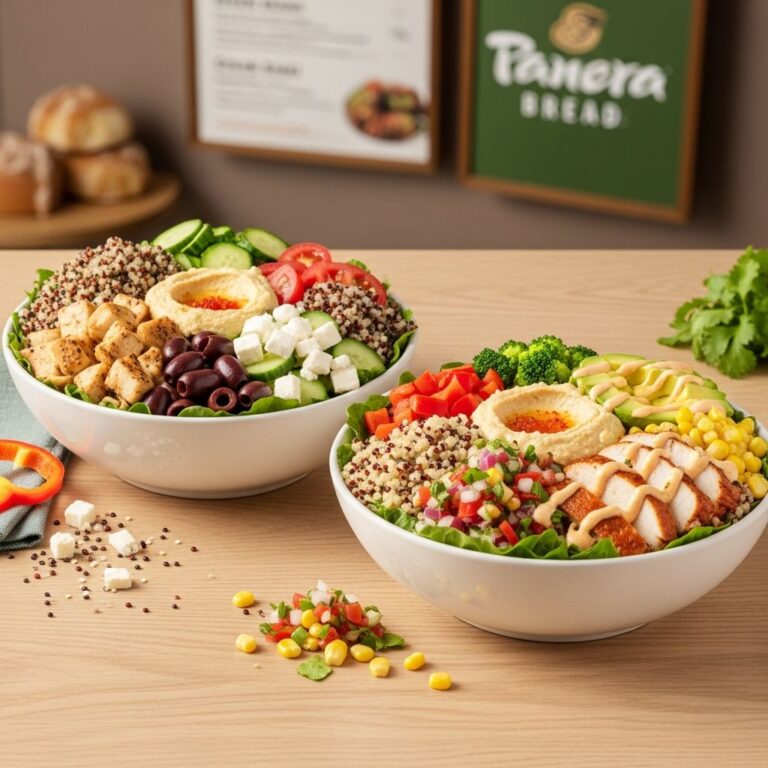
1,500-Calorie Daily Plan
- Breakfast (300 kcal): Oatmeal with berries, egg whites.
- Lunch (400 kcal): Grilled chicken salad, vinaigrette.
- Dinner (500 kcal): Baked salmon, quinoa, broccoli.
- Snacks (300 kcal): Greek yogurt, apple, carrots.
1,200-Calorie Plan (Women)
- Breakfast (250): Smoothie (spinach, protein powder, fruit).
- Lunch (350): Turkey wrap (whole-grain, veggies).
- Dinner (400): Stir-fried tofu, brown rice, greens.
- Snacks (200): Nuts, cottage cheese.
Adjust for preferences; pair with 150+ min weekly activity.
Common Mistakes to Avoid
- Underestimating intake: Track accurately first week.
- Extreme deficits: Slows metabolism, risks regain.
- Ignoring exercise: Boosts TDEE, preserves muscle.
- No sustainability: Focus long-term habits over quick fixes.
Monitoring Progress and Adjusting
Weigh weekly; expect plateaus. Recalculate TDEE every 10-20 lbs lost. If stalled, cut 100-200 more kcal or add cardio.
Frequently Asked Questions
Is a 500-calorie deficit safe for everyone?
Yes for most, yielding 1 lb/week; consult doctor if obese or with conditions.
Can I eat unlimited veggies on a deficit?
Nearly—non-starchy ones are low-cal, high-volume for fullness.
How long until I see results?
1-2 weeks for water weight, 4-6 for fat loss.
What if I plateau?
Reassess intake/activity; consider VLCD short-term under guidance.
Should I count macros too?
Optional; aids adherence but deficit is key.
Conclusion
Sustainable weight loss stems from consistent calorie deficits via mindful eating, portion control, and activity. Combine with professional advice for best outcomes.
References
- Counting calories: Get back to weight-loss basics — Mayo Clinic Staff. 2023-10-12. https://www.mayoclinic.org/healthy-lifestyle/weight-loss/in-depth/calories/art-20048065
- Optimal Diet Strategies for Weight Loss and Weight Loss Maintenance — Journal of Obesity & Metabolic Syndrome (PMC). 2021-01-30. https://pmc.ncbi.nlm.nih.gov/articles/PMC8017325/
Similar Articles








Read full bio of medha deb