How Many Grams Of Fat Per Day: Complete Guide To Healthy Intake
Discover daily fat intake recommendations, types of fats, health impacts, and practical tips for balanced nutrition.

Fat is an essential macronutrient that provides energy, supports cell growth, and aids in absorbing vitamins. Health authorities recommend that total fat should comprise 20-35% of daily calories for adults, translating to 44-78 grams on a 2,000-calorie diet. This range ensures adequate intake without exceeding limits that could raise chronic disease risks.
How Much Fat Should You Eat Per Day?
The amount of fat needed daily depends on total caloric intake, age, sex, activity level, and health goals. For a standard 2,000-calorie diet, 20-35% fat equals about 44-78 grams. On a 2,500-calorie diet, this rises to 56-97 grams. The American Heart Association (AHA) and World Health Organization (WHO) emphasize limiting total fat to no more than 30% of calories to support heart health and weight management.
Very low-fat diets (under 15% of calories, or ≤33 grams on 2,000 calories) are not generally recommended without medical supervision, as they may disrupt lipid profiles and nutrient absorption. Calculate your needs: Multiply daily calories by 0.20-0.35, then divide by 9 (calories per gram of fat).
- Sedentary adults (2,000 cal): 44-78g total fat
- Active adults (2,500 cal): 56-97g total fat
- Athletes (3,000 cal): 67-117g total fat
Daily Fat Intake Recommendations
Guidelines from authoritative bodies provide clear targets:
- Total fat: 20-35% of calories (WHO/AHA)
- Saturated fat: <10% of calories (≤22g on 2,000 cal)
- Trans fat: <1% of calories (≤2g on 2,000 cal)
- Polyunsaturated fats: 6-11% of calories, including essential omega-3 and omega-6
Children over 2 years follow similar percentages, adjusted for lower calories. WHO specifies at least 250g fruits/vegetables daily for ages 2-5, scaling up, to balance fats with fiber-rich carbs.
References
- Very Low Fat Diets — American Heart Association. 1998-09-01. https://www.ahajournals.org/doi/10.1161/01.CIR.98.9.935
- WHO updates guidelines on fats and carbohydrates — World Health Organization. 2023-07-17. https://www.who.int/news/item/17-07-2023-who-updates-guidelines-on-fats-and-carbohydrates
Understanding Dietary Fat Types
Fats are categorized by chemical structure, each with distinct health effects:
- Saturated fats: Solid at room temperature; found in butter, red meat, cheese. Limit to <10% calories to reduce LDL cholesterol.
- Unsaturated fats: Liquid; include monounsaturated (avocados, olive oil) and polyunsaturated (fish, nuts). Prioritize for heart health.
- Trans fats: Artificial or natural; in processed foods. Strictly limit to <1% as they raise heart disease risk.
- Essential fatty acids: Omega-3 (ALA: 1.1-1.6g/day women/men) and omega-6; cannot be made by the body.
| Fat Type | Sources | Recommended % Calories | Health Impact |
|---|---|---|---|
| Saturated | Meat, dairy, coconut oil | <10% | May raise LDL if excessive |
| Monounsaturated | Olive oil, nuts | 15-20% | Supports heart health |
| Polyunsaturated | Fish, seeds | 6-11% | Reduces inflammation |
| Trans | Processed snacks | <1% | Increases CVD risk |
Health Benefits of Healthy Fats
Including adequate unsaturated fats supports multiple bodily functions. They provide 9 calories per gram—more energy-dense than carbs or protein. Healthy fats aid vitamin A, D, E, K absorption, maintain cell membranes, produce hormones, and reduce inflammation. Omega-3s from fatty fish lower triglycerides and support brain health. Studies show diets with 25-30% fat from quality sources promote satiety, aiding weight control.
Related Stories



Low-fat diets (<15-20% calories) can lower HDL cholesterol and raise triglycerides, especially in those with insulin resistance. Balanced intake (20-35%) optimizes lipid profiles without weight gain risks.
Risks of Too Little or Too Much Fat
Excess fat: Over 35% calories, particularly saturated/trans, elevates LDL cholesterol, heart disease, and obesity risk. Very high-fat diets without fiber can impair postprandial lipemia.
Deficient fat: Below 20% calories risks essential fatty acid shortages (need 7-11g polyunsaturated daily), poor nutrient absorption, and hormonal imbalances. Clinical trials show very low-fat diets (<10% calories) increase small, dense LDL particles and triglycerides, despite cholesterol reductions.
- Short-term low-fat: May reduce weight/calories temporarily.
- Long-term: Often unsustainable; HDL drops, TGs rise in susceptible groups (older, male, inactive).
Factors Affecting Your Fat Needs
Individual needs vary:
- Age: Older adults may need more for hormone production.
- Sex: Pregnant/lactating women require extra omega-3s.
- Activity: Athletes tolerate higher fats (up to 30%) for energy.
- Health conditions: Diabetics limit saturated; heart patients emphasize unsaturated.
- Genetics: Some are ‘hyper-responders’ to dietary fat changes.
WHO advises replacing saturated/trans with polyunsaturated/monounsaturated or fiber-rich carbs for optimal health.
Tips to Get the Right Amount of Fat
Achieve balance with practical strategies:
- Use olive/avocado oil for cooking.
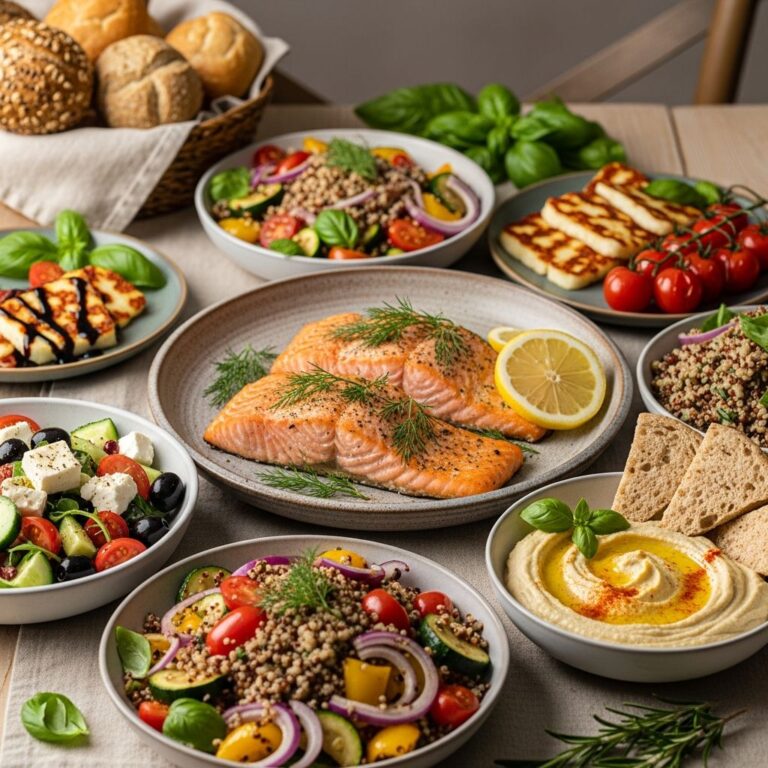
- Eat fatty fish (salmon) 2x/week for omega-3s.
- Snack on nuts/seeds (1 oz daily).
- Choose low-fat dairy but include full-fat in moderation.
- Read labels: Aim for <5g saturated per serving.
- Balance meals: Pair veggies with healthy fats.
Track via apps; adjust based on energy needs. Intensive counseling can reduce fat from 37% to 22% calories, yielding 3kg loss over 2 years.
Sample Daily Meal Plan (2,000 Calories, 60g Fat)
| Meal | Foods | Fat (g) |
|---|---|---|
| Breakfast | Oatmeal w/ almonds, berries | 12 |
| Lunch | Grilled chicken salad w/ olive oil dressing | 18 |
| Snack | Apple w/ peanut butter | 8 |
| Dinner | Baked salmon, quinoa, veggies | 20 |
| Total | – | 58 |
Frequently Asked Questions (FAQs)
Is 50 grams of fat a day too much?
It depends on calories. For 2,000 cal, 50g is ~23%—within 20-35% range. Prioritize unsaturated sources.
What’s the max saturated fat per day?
<10% calories: 22g on 2,000 cal, per WHO. Replace with unsaturated fats.
Can low-fat diets cause weight gain?
Yes, if they spike hunger or replace fat with refined carbs, raising triglycerides.
Do kids need less fat?
Percentages similar post-2 years, but total grams lower. Focus on whole foods.
How does exercise affect fat needs?
Active people can handle 25-35% fat for sustained energy.
Similar Articles








Read full bio of Sneha Tete