How Many Steps A Day For Weight Loss: 10,000 Steps
Discover the optimal daily step count to achieve sustainable weight loss and improve your health.
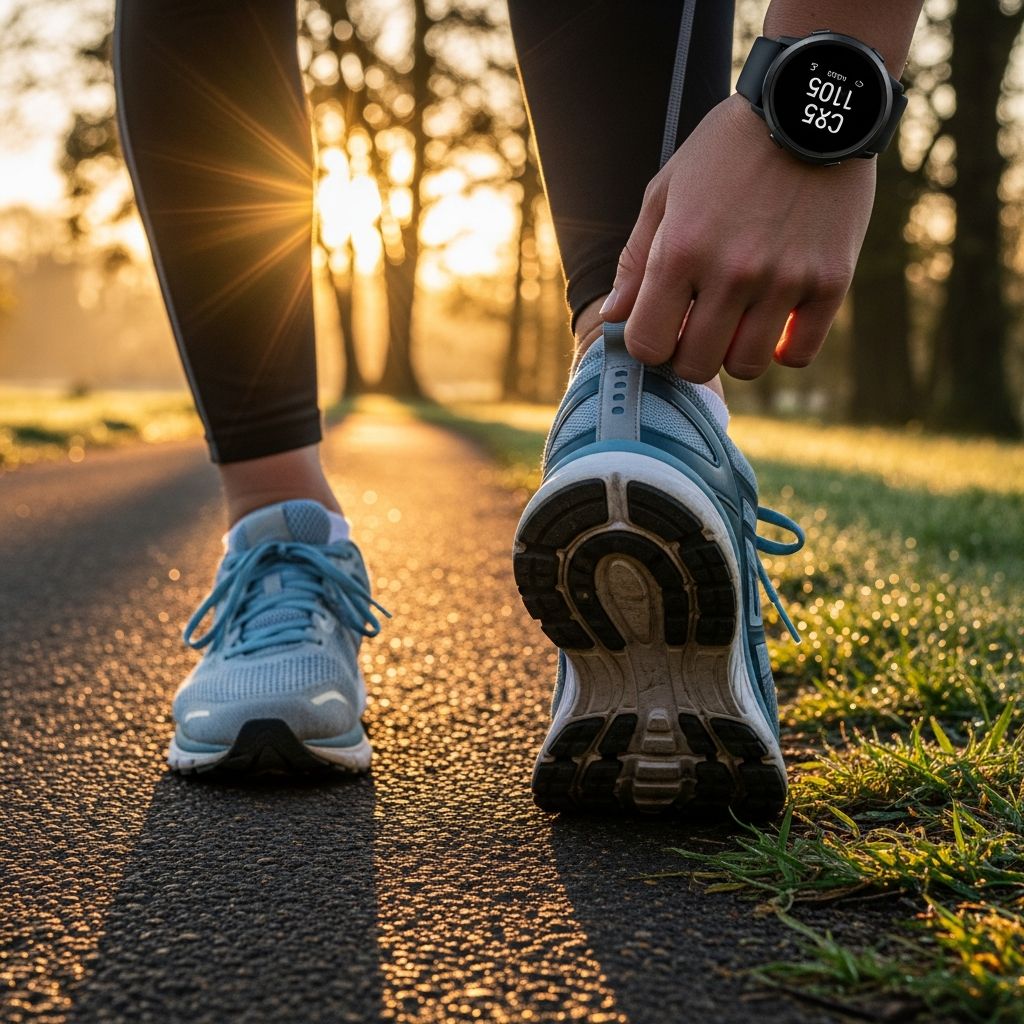
How Many Steps a Day for Weight Loss: A Science-Based Guide
Walking is one of the most accessible and sustainable forms of physical activity available. Whether you’re just beginning your fitness journey or looking to optimize your weight loss efforts, understanding the relationship between daily steps and weight loss is essential. Research has identified specific step targets that can significantly enhance your results when combined with behavioral changes and healthy lifestyle choices.
The 10,000-Step Target for Weight Loss
The most widely supported recommendation for weight loss is achieving approximately 10,000 steps per day. Research examining adults who successfully lost at least 10% of their baseline body weight over 18 months found they were consistently engaging in around 10,000 steps daily across the 6, 12, and 18-month marks of their weight loss journey.
This target aligns with decades of public health recommendations and has been validated through rigorous behavioral intervention studies. However, the total number of steps is only part of the equation—the intensity and pattern of those steps matter significantly for optimizing weight loss results.
The Role of Moderate-to-Vigorous Intensity
While 10,000 daily steps is important, the quality of movement is equally crucial. Research demonstrates that approximately 3,500 of your daily steps should be performed at a moderate-to-vigorous intensity (MVPA) in bouts of at least 10 continuous minutes.
This specification is important because it ensures you’re incorporating cardiovascular exercise into your walking routine. Moderate-to-vigorous activity means walking at a pace where you’re breathing harder than normal but can still maintain a conversation. This intensity level activates greater energy expenditure and metabolic adaptations compared to leisurely walking.
The data shows that for every additional 1,000 steps performed at moderate-to-vigorous intensity, participants experienced an extra 0.33 kg of weight loss over the 18-month intervention period. This demonstrates that pushing intensity yields measurable results beyond simply accumulating steps.
Understanding the Step-to-Weight-Loss Relationship
The relationship between daily steps and weight loss is linear and dose-dependent. Research controlling for multiple variables including randomization group, clinic location, sex, ethnicity, and baseline activity levels found that each additional 1,000 total steps per day was associated with approximately 0.21 kg of additional weight loss over 18 months.
This means that gradually increasing your step count—even beyond 10,000 steps—continues to yield weight loss benefits. However, the 10,000-step target with 3,500 moderate-to-vigorous steps represents the evidence-based sweet spot for balancing sustainability with effectiveness.
Building Your Daily Step Routine
Achieving 10,000 steps daily may seem daunting, but it becomes manageable when you incorporate walking throughout your day rather than attempting one long walk session. Here are practical strategies:
- Park farther away from store entrances and building doors to add walking distance to routine errands
- Use stairs instead of elevators whenever possible to increase daily movement and intensity
- Take multiple shorter walks throughout the day instead of one lengthy session—three 20-minute walks can be easier to schedule than one hour-long walk
- Walk during phone calls or while catching up with friends instead of sitting
- Include walking meetings at work or schedule social activities involving movement
- Pace while watching television to accumulate steps during otherwise sedentary time
- Set walking routes that are enjoyable and varied to maintain motivation and consistency
Related Stories



Intensity Guidelines for Maximum Results
To ensure you’re hitting the moderate-to-vigorous intensity target, walk at a pace of approximately 3 miles per hour or faster. At this speed, you should notice your breathing becoming more labored—what researchers classify as an average-to-brisk walking pace depending on your age and fitness level.
The 10-minute bout requirement means you need at least one continuous 10-minute session of elevated-intensity walking daily. Some people prefer multiple shorter bursts of higher intensity, while others prefer fewer longer sessions. Choose the approach that fits your schedule and maintains your adherence.
Weight Loss Expectations and Timeline
When combining the 10,000-step target with behavioral weight loss interventions, research participants achieved meaningful results. Those meeting their step goals consistently lost approximately 10% of their baseline body weight by the 18-month mark. The intervention included monthly group sessions and individualized weight loss targets (5% at 3 months, 7% at 6 months, and 10% at months 9, 12, and 15).
Your individual results will depend on multiple factors including your current weight, diet quality, sleep, stress management, and overall caloric balance. However, the research clearly demonstrates that consistent step accumulation, especially at increased intensity, strongly correlates with weight loss success.
Beyond Weight Loss: Additional Health Benefits
While weight loss is a primary goal for many, walking offers broader health benefits. Research indicates that regular walking improves cardiovascular health, lowers blood pressure, helps maintain a healthy weight, supports mental well-being, reduces stress, and decreases the risk of chronic diseases including type 2 diabetes, heart disease, and certain cancers.
For those currently least active, adding just one hour of walking daily can result in measurable health gains, potentially adding hours of healthy life for every hour walked. This demonstrates that even if you’re starting from a sedentary baseline, the health investment of walking is substantial.
Making Walking Sustainable Long-Term
The key to successful weight loss through walking is consistency rather than intensity spikes. Rather than pushing yourself to extremely high step counts occasionally, aim for steady, achievable daily targets that you can maintain across weeks and months.
Starting where you are—whether that’s a five-minute stroll or longer hikes—and gradually building from there increases the likelihood of long-term adherence. Over time, you’ll not only see physical benefits but also notice improvements in mental clarity and energy levels.
Consider turning walking into a social activity. Meeting friends or loved ones for a walk in the park instead of meeting for coffee or meals makes the activity more enjoyable and increases accountability. Walking with others also provides motivation during challenging weather or low-motivation days.
Tracking Your Progress
Use a fitness tracker, smartwatch, or smartphone step-counting app to monitor your daily steps. Seeing your progress accumulate provides motivation and helps you identify patterns in your activity levels. Many people find that tracking creates accountability and encourages them to add steps when they’re falling short of their daily goal.
Review your step data weekly rather than daily to avoid becoming discouraged by fluctuations. Some days you’ll exceed 10,000 steps; others you may fall short. What matters is the weekly and monthly average consistency.
Frequently Asked Questions
Q: Can I lose weight with fewer than 10,000 steps per day?
A: Yes, weight loss occurs at any activity level above sedentary, but research indicates 10,000 steps with 3,500 at moderate-to-vigorous intensity provides optimal results within a behavioral intervention framework. Even reaching 7,000-8,000 steps daily will support weight loss, though results may be slower.
Q: How long does it take to see weight loss results from walking?
A: Research participants targeting specific monthly weight loss goals (5% at 3 months, 7% at 6 months) while maintaining 10,000 daily steps achieved measurable results within 3 months. However, individual timelines vary based on diet, baseline weight, and other lifestyle factors.
Q: Is moderate-intensity walking better than leisurely walking for weight loss?
A: Yes, moderate-to-vigorous intensity walking is significantly more effective. Each additional 1,000 moderate-to-vigorous steps yields 0.33 kg of weight loss compared to 0.21 kg for total steps at any intensity, demonstrating that pushing intensity enhances results.
Q: Do I need to do 10,000 steps in one walk?
A: No, multiple shorter walks throughout the day are equally effective and often more sustainable. What matters is accumulating the total and ensuring at least 10 continuous minutes of moderate-to-vigorous activity.
Q: Can walking alone lead to weight loss without diet changes?
A: Walking is most effective when combined with dietary modifications and behavioral changes. The research supporting 10,000 steps involved comprehensive behavioral weight loss interventions, not walking alone.
References
- Pattern of Daily Steps is Associated with Weight Loss — National Institutes of Health (NIH), National Center for Biotechnology Information. 2018. https://pmc.ncbi.nlm.nih.gov/articles/PMC5970037/
- Scientists Find Walking This Much Could Add 11 Years to Your Life — Prevention Magazine, Baptist Health Miami Cardiac & Vascular Institute. 2024. https://www.prevention.com/health/a69930051/walking-adds-up-to-11-years-to-life-study/
Similar Articles








Read full bio of medha deb