How Medications and Supplements Can Interact
Understanding drug-supplement interactions: Learn how to safely manage your medications and supplements.
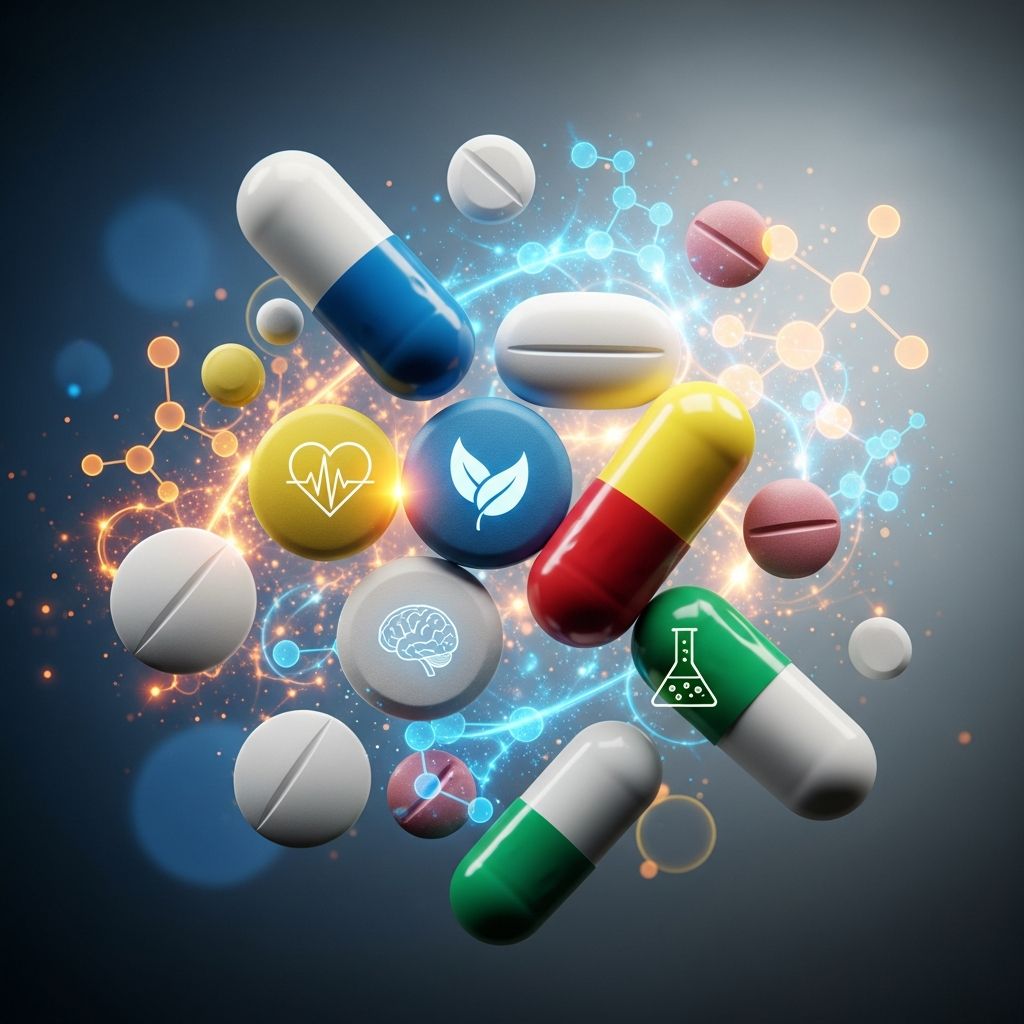
Millions of Americans incorporate dietary supplements into their daily health routines alongside prescription and over-the-counter medications. While supplements are often perceived as natural and therefore universally safe, the reality is far more complex. The interaction between medications and supplements can produce unexpected and sometimes serious consequences that significantly impact your health and treatment outcomes. Understanding these interactions is critical for anyone managing their health through pharmaceutical or supplemental means.
Understanding Medication-Supplement Interactions
When you consume medications and supplements together, they don’t always work in isolation within your body. Instead, these substances can interact in various ways that fundamentally alter how each one functions. The complexity of the human body’s biochemical processes means that these interactions can have unpredictable outcomes, ranging from minor inconveniences to potentially life-threatening complications. Healthcare professionals emphasize the importance of recognizing that supplements contain pharmacologically active compounds similar to medications, and therefore warrant the same level of scrutiny and careful consideration.
The human body processes both medications and supplements through similar metabolic pathways, particularly through enzyme systems in the liver. When multiple active compounds compete for these same pathways, they can interfere with each other’s absorption, metabolism, and elimination from your body. This fundamental principle underlies most medication-supplement interactions and explains why combining certain products can lead to dramatically different outcomes than taking either substance alone.
Three Primary Ways Supplements Can Affect Medications
Dietary supplements can impact medications through three distinct mechanisms, each producing different clinical consequences:
Increasing the Medication’s Effects
Some supplements amplify how your body processes or responds to medications, causing therapeutic effects to become dangerously strong. This intensification can lead to overdose-like symptoms even when you’re taking the prescribed dose of your medication. For instance, certain herbal products can potentiate the effects of blood thinners, increasing bleeding risk far beyond therapeutic levels. When medication effects are increased unexpectedly, patients may experience severe adverse reactions that necessitate emergency medical intervention.
Decreasing the Medication’s Effects
Conversely, many supplements reduce medication effectiveness by accelerating their breakdown in your body or interfering with their absorption. When this occurs, you receive subtherapeutic doses of your medication without realizing it. This scenario is particularly dangerous for patients managing chronic conditions like diabetes, hypertension, or depression, where consistent medication levels are essential for disease control. You may believe your treatment is working adequately when, in fact, you’re receiving insufficient therapeutic benefit.
Interacting in Harmful Ways
Beyond simple increases or decreases in medication effect, some supplements interact with medications in unpredictable ways that create entirely new health risks. These interactions might involve competing for the same metabolic pathways, altering how your body absorbs nutrients, or triggering unexpected biochemical reactions. Such interactions can produce side effects that seem unrelated to either substance individually, making them particularly difficult to identify and address.
Common Supplements That Interact with Medications
Several widely available supplements carry documented risks for significant drug interactions. Understanding these interactions helps you make informed decisions about what you consume alongside your medications.
Related Stories



St. John’s Wort
St. John’s wort, commonly used for mood support, stands out as one of the most problematic supplements regarding medication interactions. This herbal supplement accelerates the liver’s enzyme systems that break down medications into inactive substances. This means medications pass through your system more quickly, reducing their effectiveness significantly. St. John’s wort has documented interactions with numerous medication categories including antidepressants, birth control pills, heart medications like digoxin and ivabradine, HIV medications including indinavir and nevirapine, cancer drugs such as irinotecan and imatinib, warfarin (a blood thinner), and certain cholesterol-lowering statins like simvastatin. In some cases, particularly with certain antidepressants, St. John’s wort can trigger serious serotonin-related side effects through a different interaction mechanism.
Goldenseal Extract
Research funded by the National Center for Complementary and Integrative Health demonstrated that goldenseal extract reduces blood levels of metformin, the most widely prescribed medication for type 2 diabetes, by approximately 25 percent. This reduction proves significant enough to potentially compromise glucose control in diabetic patients. Since maintaining consistent blood sugar levels is crucial for preventing serious diabetic complications, this interaction represents a genuine health concern for the millions of people taking metformin.
Green Tea Supplements
While green tea consumed as a beverage offers potential health benefits, concentrated green tea supplements at high doses can significantly reduce the effectiveness of certain medications. Specifically, high-dose green tea supplements decrease blood levels of nadolol, a beta-blocker used to manage high blood pressure and heart problems. This interaction could compromise cardiovascular disease management in patients relying on nadolol therapy. Additionally, concentrated green tea may interact with other medications beyond nadolol, though research continues to clarify the full scope of these interactions.
Other Herbal Supplements of Concern
Beyond these primary examples, several other supplements warrant caution. Asian ginseng may interact with calcium channel blockers, blood pressure medications, statin medications, and certain antidepressants, though uncertainties remain about the clinical significance of these interactions in all cases. Cat’s claw carries potential interactions with anticoagulant and antiplatelet drugs, blood pressure medications, calcium channel blockers, and immunosuppressants. Chamomile may decrease oral contraceptive effects and potentially interact with liver-metabolized drugs and warfarin. Ginkgo biloba combined with warfarin significantly increases the risk of major bleeding events, representing a serious concern for patients requiring anticoagulation therapy.
Medications Requiring Special Attention
Certain medications demand particular vigilance regarding supplement interactions. These drugs have what healthcare providers call a “narrow therapeutic range” or “narrow therapeutic index,” meaning that even small variations in blood levels can produce serious, sometimes life-threatening consequences.
Medications in this high-risk category include carbamazepine (used to prevent seizures), cyclosporine (prevents organ transplant rejection), digoxin (treats heart problems), phenytoin (prevents seizures), and warfarin (blood thinner). If the blood level of any of these medications drops too low due to supplement interaction, the drug may fail to provide necessary therapeutic benefit, potentially resulting in seizures, organ rejection, or stroke. Conversely, if levels rise too high, serious toxicity can develop. Anyone taking these medications must inform their healthcare providers about any supplements they’re considering or currently taking.
Medication-Supplement Interactions and Surgery
Surgical procedures represent another critical situation where medication-supplement interactions demand special attention. Many supplements can affect blood clotting, anesthesia metabolism, or post-operative recovery in ways that complicate surgical outcomes. Patients scheduled for surgery must disclose all supplements they’re taking well in advance, allowing their surgical team to make appropriate adjustments to their perioperative medication management.
Practical Steps for Safe Medication and Supplement Use
Healthcare providers recommend several concrete steps to minimize risks from medication-supplement interactions:
Communicate Comprehensively
Discuss all dietary supplements you’re taking with every healthcare provider involved in your care, including your primary care physician, specialists, pharmacist, and surgeon if applicable. Provide specific information about supplement names, doses, frequency, and duration of use. Many dangerous interactions go undetected simply because healthcare providers weren’t aware patients were taking supplements.
Keep Updated Records
Maintain a complete list of all medications and supplements you’re taking, including prescription drugs, over-the-counter medications, herbal supplements, vitamins, and minerals. Update this list whenever you start or stop any substance. Bring this list to all healthcare appointments.
Read Supplement Labels Carefully
Review supplement labels for potential warnings about drug interactions. Look for information about contraindications, adverse effects, and recommended uses. If you don’t understand label information, consult your pharmacist or healthcare provider for clarification.
Consult Your Pharmacist
Your pharmacist possesses specialized knowledge about drug interactions and can quickly check for potential interactions between your medications and any supplements you’re considering. They serve as an accessible resource for interaction information and often catch potential problems that patients or even some healthcare providers might miss.
Report Unusual Symptoms
If you develop unexpected symptoms after starting a new medication or supplement, or if symptoms change after combining substances, report these changes to your healthcare provider promptly. These changes might indicate an interaction requiring immediate attention.
Frequently Asked Questions About Medication-Supplement Interactions
Q: Are all supplements dangerous when combined with medications?
A: No, not all combinations are dangerous. Many supplements can be safely taken with medications when appropriate precautions are taken and interactions are monitored. However, enough dangerous interactions exist that healthcare providers must review all supplements before patients start taking them with medications.
Q: Can I take supplements if I don’t tell my doctor?
A: While technically possible, this approach carries significant health risks. Your doctor cannot help identify or manage interactions they don’t know exist. This lack of transparency compromises your healthcare team’s ability to provide safe, coordinated care.
Q: How long after stopping a supplement should I wait before starting a new medication?
A: This varies depending on the supplement and medication involved. Some supplements require weeks or months to completely leave your system. Your healthcare provider can advise on appropriate waiting periods specific to your situation.
Q: Are natural supplements safer than prescription medications?
A: “Natural” doesn’t automatically mean safe. Many natural substances are highly toxic or pharmacologically active. The safety of any substance depends on its specific properties, dose, individual health status, and interactions with other substances, not on whether it originates from nature or a laboratory.
Q: What should I do if I suspect an interaction?
A: Contact your healthcare provider or pharmacist immediately. If you experience severe symptoms like chest pain, difficulty breathing, or severe bleeding, seek emergency medical care. Never stop taking medications without medical guidance, as this could create different health problems.
Seeking Additional Information
For comprehensive, reliable information about specific medication and supplement interactions, consult MedlinePlus, which provides detailed information about prescription drugs, over-the-counter medicines, and dietary supplements. Your healthcare provider and pharmacist also represent excellent resources for personalized interaction assessment based on your specific health conditions and medication regimen.
Understanding medication-supplement interactions empowers you to make informed decisions about your health. By communicating openly with your healthcare team, maintaining comprehensive records, and remaining alert to potential warning signs, you can maximize treatment benefits while minimizing risks. Your commitment to safe supplement and medication use directly impacts your overall health outcomes and quality of life.
References
- Know the Science: How Medications and Supplements Can Interact — National Center for Complementary and Integrative Health (NCCIH), National Institutes of Health. 2024. https://www.nccih.nih.gov/health/know-science/how-medications-and-supplements-can-interact/introduction
- Some Supplements May Decrease the Effects of Medications — National Center for Complementary and Integrative Health (NCCIH), National Institutes of Health. 2024. https://www.nccih.nih.gov/health/know-science/how-medications-and-supplements-can-interact/some-supplements-may-decrease-the-effects-of-medications
- Some Medication-Supplement Interactions Can Be Serious — National Center for Complementary and Integrative Health (NCCIH), National Institutes of Health. 2024. https://www.nccih.nih.gov/health/know-science/how-medications-and-supplements-can-interact/some-medication-supplement-interactions-can-be-serious
- 6 Tips: How Herbs Can Interact With Medicines — National Center for Complementary and Integrative Health (NCCIH), National Institutes of Health. 2024. https://www.nccih.nih.gov/health/tips/tips-how-herbs-can-interact-with-medicines
- Herb-Drug Interactions — National Center for Complementary and Integrative Health (NCCIH), National Institutes of Health. 2024. https://www.nccih.nih.gov/health/providers/digest/herb-drug-interactions
- Did You Know? Supplements and Medications Can Interact in Unexpected Ways — MedlinePlus Magazine, U.S. National Library of Medicine. 2024. https://magazine.medlineplus.gov/article/did-you-know-supplements-and-medications-can-interact-in-unexpected-ways
Similar Articles








Read full bio of Sneha Tete