How Much Calcium Do You Really Need? 7 Practical Steps
Discover the truth about calcium requirements and what science says about optimal bone health.
How Much Calcium Do You Really Need?
Calcium is one of the most talked-about nutrients when it comes to bone health, yet there’s considerable confusion about how much we actually need. Government guidelines recommend substantial daily calcium intake, but emerging research suggests the picture may be more nuanced than previously thought. Understanding your true calcium requirements can help you make informed decisions about your diet and supplementation without unnecessary worry or expense.
Current U.S. Calcium Recommendations
The standard U.S. guidelines establish specific calcium intake targets based on age and gender. For adults aged 19 to 50 years, the recommended daily intake is 1,000 milligrams of calcium per day. This recommendation increases to 1,200 milligrams daily for women over 51 and men over 71. These guidelines were established to support bone density and reduce fracture risk as people age.
For many people, achieving these recommended amounts presents a significant challenge. To reach 1,200 milligrams of calcium daily through dairy alone, a person would need to consume approximately four 8-ounce glasses of skim milk each day. For those who don’t consume dairy products or prefer to limit their intake, meeting these targets becomes increasingly difficult without resorting to fortified foods or supplements.
Alternative Expert Perspectives
Dr. Walter Willett, chair of the Department of Nutrition at Harvard T.H. Chan School of Public Health, presents a perspective that differs significantly from current U.S. guidelines. According to Willett’s research and analysis, adults may only need approximately half the calcium that current U.S. recommendations suggest. He advocates for a daily calcium intake of 500 to 700 milligrams for healthy bone maintenance.
This alternative recommendation aligns with guidelines from international health organizations. The World Health Organization recommends 500 milligrams of calcium daily, while the United Kingdom’s recommendations stand at 700 milligrams daily. These lower targets suggest that many Western populations may be consuming more calcium than necessary for optimal bone health.
The Role of Vitamin D in Calcium Utilization
One critical factor often overlooked in calcium discussions is vitamin D’s essential role in calcium absorption and utilization. Calcium cannot be properly utilized by the body without adequate vitamin D levels. The current daily recommendation for vitamin D is 600 IU for most adults, increasing to 800 IU for people over 70.
Obtaining sufficient vitamin D through diet alone can be challenging. While some foods like milk are fortified with vitamin D, the most reliable natural source remains sunlight exposure. To maintain adequate vitamin D levels through sun exposure requires approximately 20 minutes of daily unprotected skin exposure to sunlight, which isn’t practical for most people, particularly those living in northern climates or during winter months. Additionally, our skin’s ability to synthesize vitamin D from sunlight decreases with age, making older adults particularly vulnerable to deficiency.
Dr. Willett suggests increasing vitamin D intake to 800 to 1,000 IU daily, recognizing that current recommendations may be inadequate. When combined with appropriate calcium intake, higher vitamin D levels support better bone mineral density and reduce fracture risk more effectively than calcium alone.
Related Stories



What Research Reveals About Supplements
Recent scientific evidence has challenged the assumption that calcium and vitamin D supplements automatically prevent fractures. Studies examining calcium supplementation alone found that these supplements do not reliably prevent hip fractures or reduce fracture risk in the general population. In fact, some research suggests potential risks associated with calcium-only supplementation.
However, the combination of calcium and vitamin D supplements presents a different picture. Meta-analyses show that women taking both calcium and vitamin D supplements together experienced a 30 percent lower risk of hip fracture and a 15 percent lower risk of fracture overall compared to those not taking these combined supplements. This synergistic effect highlights the importance of considering nutrients together rather than in isolation.
The U.S. Preventive Services Task Force, after reviewing randomized controlled trials, concluded there isn’t sufficient evidence to recommend calcium supplementation alone for postmenopausal women to prevent fractures. This cautious stance reflects the complexity of bone health and the limitations of supplement-only approaches.
Dietary Sources of Calcium
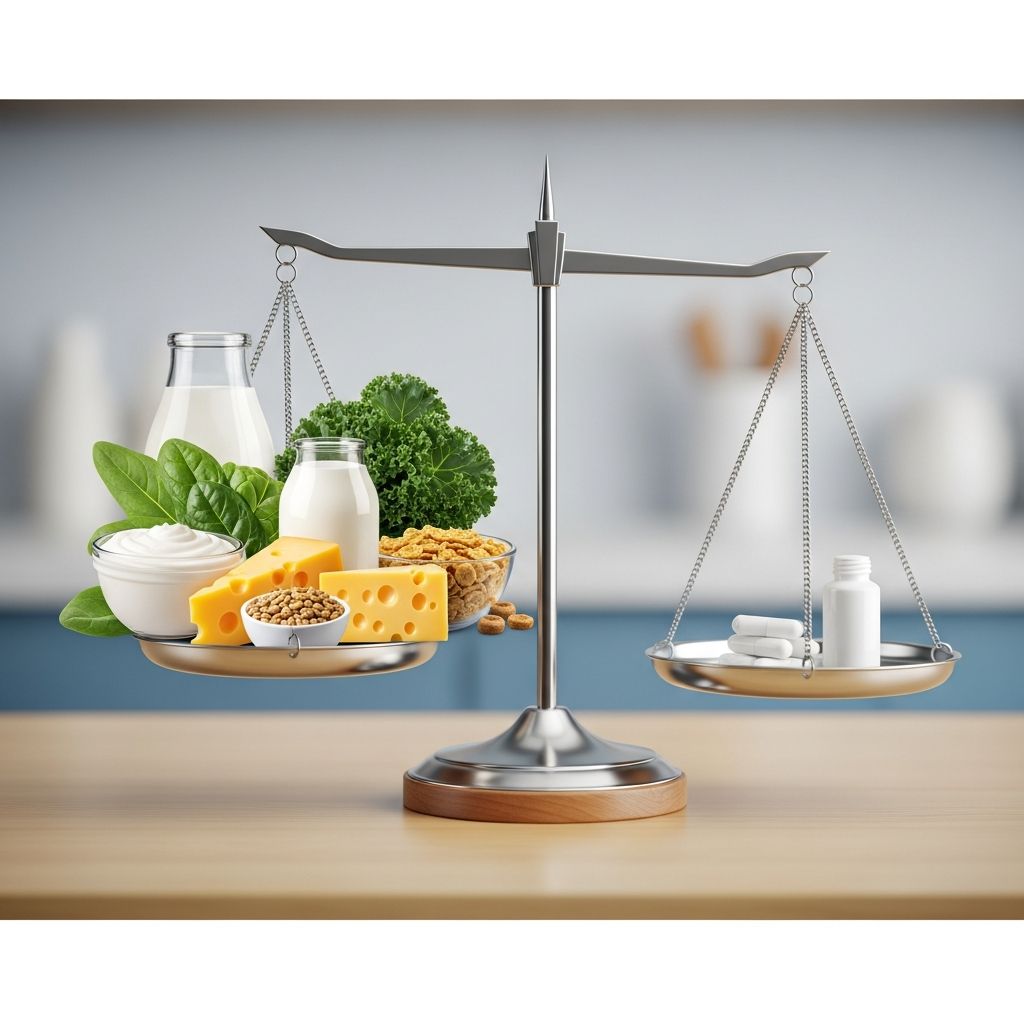
Rather than relying primarily on supplements, health experts recommend obtaining calcium from diverse dietary sources. This approach provides not only calcium but also other nutrients that support bone health and overall wellness.
- Dairy products: Milk, yogurt, and cheese remain concentrated sources of calcium, though dairy consumption should be moderated to limit saturated fat intake
- Leafy green vegetables: Collard greens, turnip greens, bok choy, and kale provide bioavailable calcium along with beneficial phytonutrients
- Legumes: Beans and lentils offer calcium plus fiber and plant-based protein
- Fortified foods: Orange juice, cereals, and plant-based milk alternatives often have added calcium
- Fish with edible bones: Canned salmon and sardines provide calcium from their soft bones
- Seeds and nuts: Sesame seeds, almonds, and tahini contain meaningful amounts of calcium
Dr. Willett suggests that most women could obtain at least half their calcium needs through dietary sources, and if necessary, could supplement with a low-dose calcium supplement rather than attempting to reach the full recommended amount through diet and supplements combined.
Factors That Affect Calcium Absorption and Retention
Calcium intake represents only part of the bone health equation. Several lifestyle factors influence how much calcium your body actually absorbs and retains. Sodium intake deserves particular attention, as excess salt increases calcium loss through the kidneys. By reducing sodium consumption to 1 to 2 grams daily and avoiding heavily processed foods, cured meats, and salty snacks, you can significantly improve your body’s calcium retention.
Physical activity also plays a crucial role in bone health. Weight-bearing exercises and resistance training stimulate bone formation and help maintain bone density throughout life. This effect exists independent of calcium intake, suggesting that exercise represents a critical component of bone health strategy.
Age-related changes in calcium metabolism deserve recognition as well. As people age, the efficiency of calcium absorption decreases, and the kidneys become less effective at retaining calcium. These physiological changes contribute to the increased calcium recommendations for older adults, though whether these higher recommendations truly reflect optimal needs remains debated among experts.
Global Perspectives on Calcium Intake
Examining calcium intake patterns across different countries provides interesting insights. Research shows dramatic variation in average daily calcium consumption worldwide. Iceland leads with approximately 1,233 milligrams daily, while Nepal’s average stands at just 175 milligrams. Most Northern European countries exceed 1,000 milligrams daily, whereas many Asian countries consume less than 400 to 500 milligrams daily, and African and South American countries typically range between 400 and 700 milligrams.
Notably, countries with lower calcium intake don’t uniformly show worse bone health outcomes, suggesting that factors beyond absolute calcium consumption influence skeletal health. This observation supports the theory that current U.S. recommendations may exceed true physiological requirements for many individuals.
The Calcium-Vitamin D Connection in Different Populations
An important consideration emerges when examining populations with both low calcium and low vitamin D status. Asia-Pacific countries with very low calcium intakes also tend to have suboptimal vitamin D status, with mean serum levels indicating insufficiency. This combination of deficiencies does increase osteoporosis risk. However, research demonstrates that among older adults, higher vitamin D levels alone cannot fully compensate for inadequate calcium intake, and higher calcium intake cannot substitute for insufficient vitamin D. This interdependence underscores the importance of addressing both nutrients simultaneously.
Making Your Decision: Practical Recommendations
Given the conflicting evidence and recommendations, determining your optimal calcium intake requires a personalized approach. Consider these practical steps:
- Evaluate your current dietary calcium intake through food sources
- Assess your vitamin D status, especially if you live in northern climates or have limited sun exposure
- Consider your age, family history of osteoporosis, and other bone health risk factors
- Discuss supplementation options with your physician rather than self-treating
- Prioritize calcium from food sources when possible
- Maintain regular weight-bearing exercise as a foundation for bone health
- Limit sodium intake to support calcium retention
Frequently Asked Questions
Q: Why do current U.S. recommendations differ from expert recommendations like Dr. Willett’s?
A: Current U.S. guidelines were established based on limited evidence that some experts now question. Dr. Willett’s recommendations reflect more recent research showing that lower calcium intakes may be sufficient for bone health when combined with adequate vitamin D and appropriate lifestyle factors. The evidence supporting such high calcium requirements remains somewhat sparse.
Q: Should I take calcium supplements if I don’t consume much dairy?
A: Before supplementing, assess your total calcium intake from all dietary sources, including fortified foods, leafy greens, legumes, and other plant-based sources. If you consistently fall short of 500 to 700 milligrams daily, discuss with your physician whether supplementation makes sense for your situation. If you do supplement, ensure adequate vitamin D intake for optimal calcium utilization.
Q: Is taking calcium supplements risky?
A: Calcium supplements alone have not proven effective at preventing fractures in most populations. Some research suggests potential risks associated with calcium-only supplementation. However, combined calcium and vitamin D supplements may reduce fracture risk. The decision to supplement should be made in consultation with your healthcare provider.
Q: How much vitamin D do I need?
A: Current recommendations suggest 600 IU daily for most adults and 800 IU for those over 70. However, some experts recommend 800 to 1,000 IU daily. If you have limited sun exposure or live in a northern climate, you may benefit from testing your vitamin D levels and discussing supplementation with your physician.
Q: Can I get enough calcium without dairy products?
A: Yes, absolutely. Non-dairy sources including leafy greens, legumes, fortified plant-based milks, seeds, nuts, and fish with edible bones can provide substantial calcium. Combining these sources throughout the day makes it possible to meet lower calcium targets without dairy products.
References
- How Much Calcium Do You Really Need? — Harvard Women’s Health Watch, Harvard Health Publishing. 2014-08-01. https://www.health.harvard.edu/staying-healthy/how-much-calcium-do-you-really-need
- Global Dietary Calcium Intake Among Adults: A Systematic Review — PMC/NIH National Center for Biotechnology Information. 2017-10-06. https://pmc.ncbi.nlm.nih.gov/articles/PMC5684325/
- Calcium and Strong Bones — Physicians Committee for Responsible Medicine (PCRM). 2024. https://www.pcrm.org/good-nutrition/nutrition-information/health-concerns-about-dairy/calcium-and-strong-bones
Similar Articles








Read full bio of medha deb