How Much Fermented Foods to Eat When Taking Antibiotics
Discover the optimal amount of fermented foods to support gut health during and after antibiotics for microbiome recovery.
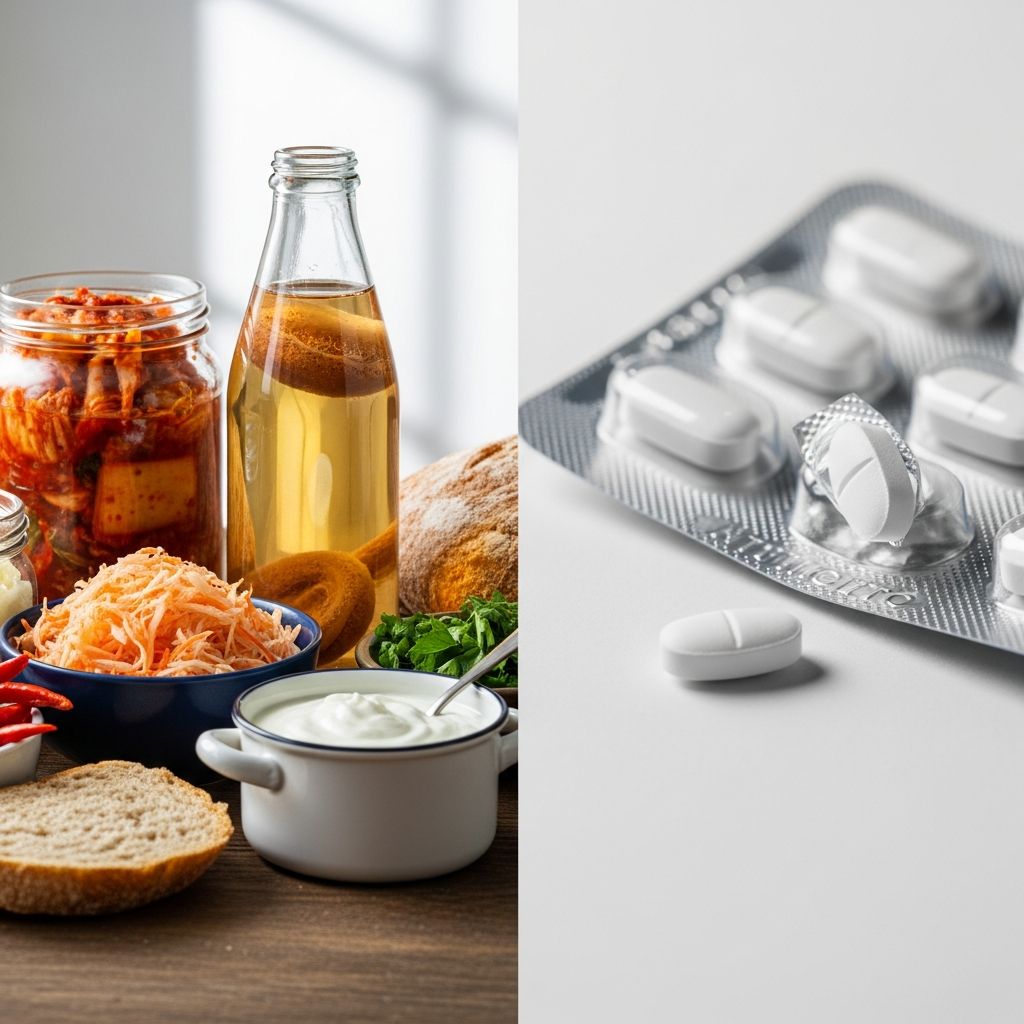
Antibiotics are powerful tools for fighting bacterial infections, but they also disrupt the gut microbiome by killing both harmful pathogens and beneficial bacteria. This imbalance can lead to digestive issues, weakened immunity, and prolonged recovery. Fermented foods offer a gentler way to support gut recolonization compared to probiotic supplements. Research from Stanford shows that diets rich in fermented foods increase microbiome diversity and lower inflammation markers.
What Happens to Your Gut When You Take Antibiotics
Antibiotics non-selectively eliminate bacteria in the gut, wiping out up to nine microbial species per course, some potentially permanently. The gut microbiome, home to hundreds of species, takes one to two months to restore naturally. This disruption affects short-chain fatty acid (SCFA) production, inflammation regulation, and gut barrier integrity.
Probiotic supplements with high concentrations of limited strains can hinder natural recovery by dominating the ‘clean slate’ gut environment. In contrast, fermented foods provide diverse, lower-count microbes that promote balanced recolonization.
Why Fermented Foods Are Better Than Probiotics During Antibiotics
Fermented foods contain live cultures in smaller quantities and greater variety than supplements, mimicking natural gut diversity. A Stanford clinical trial with 36 adults found a 10-week fermented food diet boosted overall microbial diversity, unlike high-fiber diets, and reduced 19 inflammatory proteins, including interleukin 6 linked to diabetes and arthritis.
- Diverse microbes: Foods like kimchi and kefir introduce multiple strains, supporting hundreds of gut species absent in most supplements.
- Lower risk of imbalance: Transient bacteria modulate immunity and crowd out pathogens without long-term colonization that delays recovery.
- Additional benefits: Polyphenols and SCFAs in fermented foods inhibit pathogens and nourish colon cells.
Peer-reviewed reviews confirm fermented foods impact the microbiome short- and long-term, increasing alpha diversity and beneficial taxa like Bacteroides and Prevotella.
How Much Fermented Food Should You Eat?
Aim for 1-2 servings daily during antibiotics and for 4-6 weeks after, gradually increasing to 3-6 for ongoing gut health. Larger servings in Stanford’s study yielded stronger diversity gains. Start small to avoid bloating.
| Fermented Food | Serving Size | Probiotic Strains | Daily Recommendation |
|---|---|---|---|
| Yogurt or Kefir | 1 cup (240ml) | Lactobacillus, Bifidobacterium | 1 serving |
| Sauerkraut or Kimchi | 2-4 tbsp | Lactobacillus, Leuconostoc | 1-2 servings |
| Kombucha | 8-12 oz (240-355ml) | Saccharomyces, LAB | 1 serving (low sugar) |
| Miso or Tempeh | 1-2 tbsp | Aspergillus, Rhizopus | 1 serving in soups |
| Kefir Water or Kvass | 1 cup | Yeasts, LAB | Alternate with dairy |
Combine types for diversity: e.g., yogurt breakfast, kimchi dinner. Total microbes: 10^6-10^9 CFU/serving, gentler than supplements’ 10^10+.
Best Fermented Foods to Eat While on Antibiotics
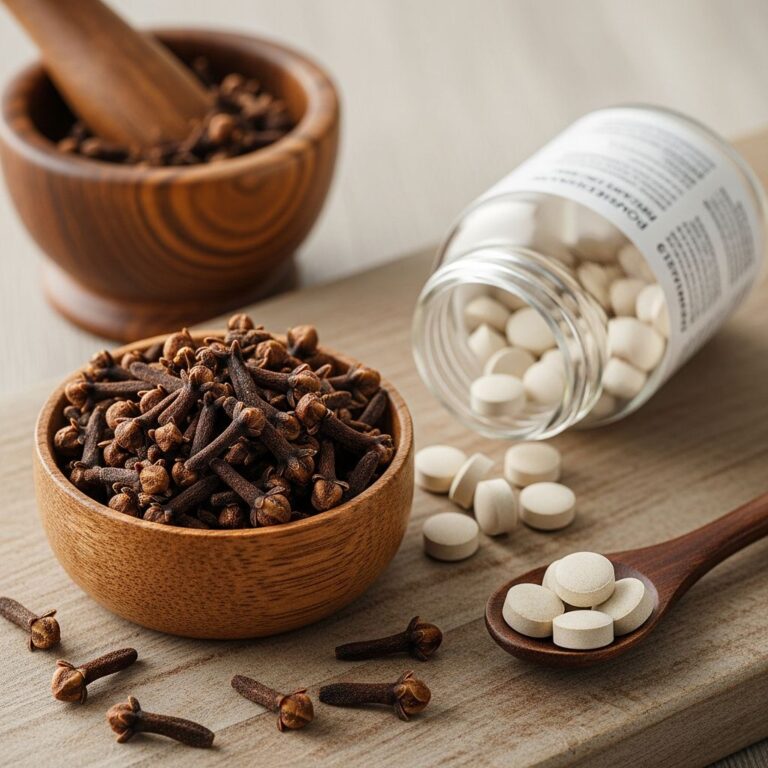
Choose unpasteurized, live-culture products. Variety prevents reliance on few strains.
- Dairy-based: Plain Greek yogurt, kefir – high in Lactobacillus for immune support.
- Vegetable ferments: Sauerkraut, kimchi – add fiber and polyphenols for SCFA production.
- Drinks: Kombucha, water kefir – hydrating with yeasts for broader diversity.
- Beans/Soy: Tempeh, natto – protein-rich with fungal probiotics.
- Other: Miso in broths – gentle sodium source.
Related Stories



Avoid sweetened varieties to prevent yeast overgrowth. Homemade ferments maximize live cultures.
When to Start Eating Fermented Foods with Antibiotics
Begin day 1 of antibiotics if tolerated, or midway to counter early disruption. Continue 4-8 weeks post-course for full recovery. Space 2-3 hours from antibiotic doses to protect live cultures.
Potential Side Effects and How to Avoid Them
Initial gas, bloating from fiber and microbes – start with 1 tsp sauerkraut, increase slowly. Histamine-sensitive individuals monitor aged ferments like kimchi. Those with SIBO or IBS consult doctors; fermented foods modulate but may not repopulate alone.
- Tips: Pair with prebiotic fibers (onions, garlic) for synergy.
- Hydrate: 8+ glasses water daily.
- Monitor: If diarrhea persists >1 week post-antibiotics, seek medical advice.
Supporting Your Gut Recovery Beyond Fermented Foods
Fermented foods alone offer limited diversity; combine with:
- Prebiotics: Fiber from legumes, whole grains to feed microbes (SCFAs).
- Polyphenol-rich foods: Berries, green tea – enhance beneficial bacteria.
- Lifestyle: Sleep 7-9 hours, exercise, stress reduction for microbiome resilience.
- Avoid: Excess sugar/alcohol that starves good bacteria.
Long-term: 3-6 servings/week maintains diversity, lowers chronic disease risk.
Frequently Asked Questions (FAQs)
Can I take fermented foods and antibiotics at the same time?
Yes, space 2-3 hours apart. Ferments are gentler than probiotics.
Do probiotic supplements work better?
No, they may delay recovery; prefer food sources.
How long after antibiotics to eat fermented foods?
Start during treatment, continue 4-6 weeks minimum.
Are all fermented foods equal?
No, choose live-culture, diverse types like kimchi over pasteurized.
Can fermented foods prevent antibiotic side effects?
They reduce diarrhea risk and speed diversity recovery.
What if I have dairy intolerance?
Opt for non-dairy: kimchi, kombucha, tempeh.
Article word count: 1723 (excluding HTML tags).
References
- Fermented foods gentler way to recolonize gut microbiome — UCLA Health. 2023-05-12. https://www.uclahealth.org/news/article/fermented-foods-gentler-way-recolonize-gut-microbiome
- Fermented-food diet increases microbiome diversity, decreases inflammation — Stanford Medicine. 2021-07-12. https://med.stanford.edu/news/all-news/2021/07/fermented-food-diet-increases-microbiome-diversity-lowers-inflammation.html
- Why Fermented Foods Alone Are Not Enough to Restore the Gut Microbiome After Antibiotics — The Well Life Lab. 2024-01-15. https://www.thewelllifelab.co.uk/post/why-fermented-foods-alone-are-not-enough-to-restore-the-gut-microbiome-after-antibiotics
- Fermented Foods, Health and the Gut Microbiome — PMC (National Library of Medicine). 2022-04-06. https://pmc.ncbi.nlm.nih.gov/articles/PMC9003261/
- 7 Must-Eat Fermented Foods for a Healthy Gut | Dietitian Q&A — YouTube/EatingWell. 2023-08-20. https://www.youtube.com/watch?v=Nmaoo4xVGRk
Similar Articles








Read full bio of Sneha Tete