How Much Iron Do You Need Daily? Complete 2025 RDA Guide
Discover your daily iron requirements by age, sex, and life stage, plus top food sources and deficiency risks.
Iron is an essential mineral that plays a critical role in oxygen transport, energy production, and overall cellular function. Your body cannot produce iron on its own, so it must be obtained through diet or supplements. Daily iron needs vary significantly by age, sex, life stage, and dietary habits, with recommended amounts established by health authorities to prevent deficiency while avoiding toxicity.
The Recommended Dietary Allowance (RDA) represents the average daily intake sufficient to meet the needs of nearly all (97-98%) healthy individuals. For those following vegetarian or vegan diets, requirements are higher due to lower bioavailability of nonheme iron from plants.
How Much Iron Do Adults Need?
Adult iron RDAs differ by sex and menopausal status. Men and postmenopausal women require 8 mg daily, reflecting lower losses. Premenopausal women need 18 mg to compensate for menstrual blood loss, dropping to 8 mg after age 51.
| Age Group | Males (mg/day) | Females (mg/day) |
|---|---|---|
| 19-50 years | 8 | 18 |
| 51+ years | 8 | 8 |
Average U.S. intakes from food and supplements reach 19.3-20.5 mg for men and 17.0-18.9 mg for women over 19, often meeting or exceeding RDAs.
How Much Iron Do Children Need?
Children’s iron needs peak during growth spurts. Infants have high requirements due to rapid development, with Adequate Intake (AI) levels set at 0.27 mg for birth to 6 months (from breast milk or stores) and 11 mg for 7-12 months.
| Age | Males/Females (mg/day) |
|---|---|
| Birth-6 months* | 0.27 |
| 7-12 months | 11 |
| 1-3 years | 7 |
| 4-8 years | 10 |
| 9-13 years | 8 |
| 14-18 years | M:11, F:15 |
| *Adequate Intake (AI) | |
Adolescents, especially girls, need 15 mg daily, with athletes potentially requiring up to 25 mg due to expanded blood volume and sweat losses.
How Much Iron Do Pregnant and Breastfeeding People Need?
Pregnancy increases demands for fetal development and maternal blood expansion. RDAs are 27 mg throughout pregnancy. Lactation requires 9-10 mg, as menstruation pauses but milk production demands iron.
- 1st trimester: 27 mg
- 2nd/3rd trimester: 27 mg
- Lactation (19+): 9 mg
Daily supplementation of 9-90 mg reduces anemia risk by 70% and iron deficiency by 57% at term.
What Are the Symptoms of Low Iron?
Iron deficiency progresses to anemia, affecting 2-5% of U.S. adults and more in women and children. Early signs include fatigue, weakness, pale skin, and shortness of breath. Severe cases cause rapid heartbeat, dizziness, cold hands/feet, brittle nails, hair loss, sore tongue, and pica (craving non-foods like ice).
High-risk groups: menstruating women, pregnant people, vegetarians, frequent blood donors, athletes, and those with GI disorders.
Should You Take an Iron Supplement?
Supplements are recommended for at-risk groups but not routine due to overload risks. Breastfed infants need 1 mg/kg/day from 4 months; preterm infants 2 mg/kg/day. Pregnant people benefit from 30 mg daily. Consult providers; excess can cause GI upset or toxicity.
Tolerable Upper Intake Levels (ULs): 40 mg (14-18 years), 45 mg (19+), lower for children.
What Foods Are Highest in Iron?
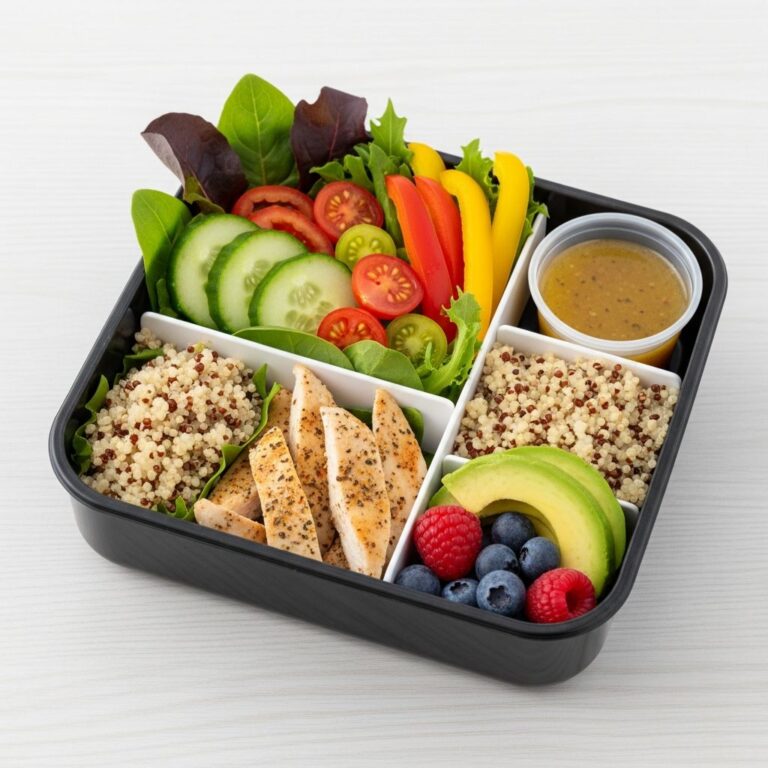
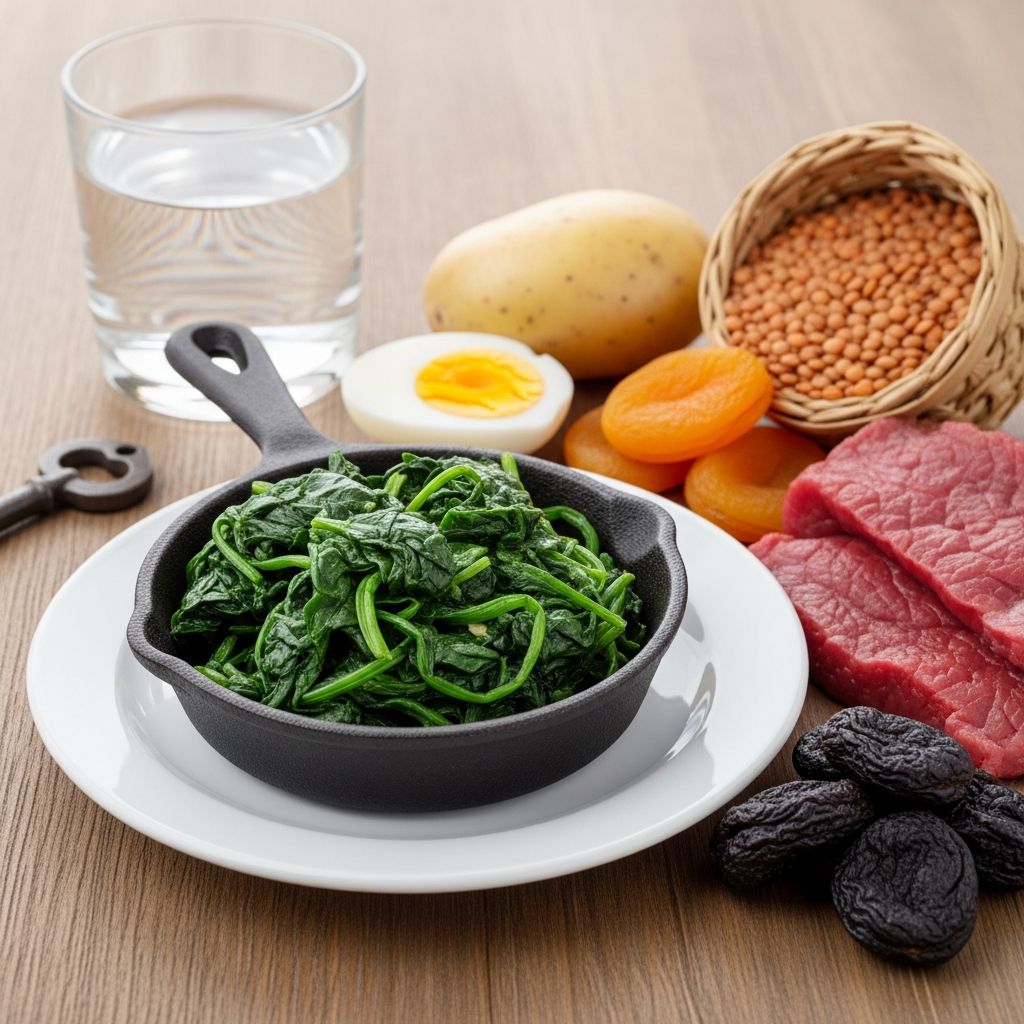
Iron exists as heme (animal, 15-35% absorbed) and nonheme (plant/animal, 2-20% absorbed). Heme sources: lean meats, poultry, seafood. Nonheme: beans, lentils, tofu, spinach, fortified cereals.
- 3 oz beef liver: 5 mg heme
- 3 oz clams: 23 mg
- 1 cup lentils: 6.6 mg nonheme
- Fortified cereal: 18 mg/serving
Related Stories



Average intakes: 16.3 mg (teens), 12.6-18.2 mg (adults).
What Helps Your Body Absorb Iron?
Enhance nonheme absorption with vitamin C (citrus, peppers, broccoli) or meat. Avoid inhibitors like tea tannins, calcium, phytates at iron meals.
- Pair beans with tomatoes/oranges
- Limit milk/tea during meals
What Happens If You Have Too Much Iron?
Overload causes nausea, vomiting, constipation, organ damage. Acute toxicity from 20-60 mg/kg; chronic from hemochromatosis or excess supplements. ULs prevent this; stick to RDAs unless prescribed.
Frequently Asked Questions (FAQs)
Who is most at risk for iron deficiency?
Pregnant/lactating people, menstruating women, vegetarians/vegans, infants/children, athletes, and those with absorption issues.
Can you get iron from plant-based foods?
Yes, nonheme iron from beans, nuts, grains, but absorption is lower; pair with vitamin C.
How do you test for iron deficiency?
Blood tests for hemoglobin, ferritin, transferrin saturation.
Is iron-fortified cereal a good source?
Yes, often provides 45-100% RDA per serving; check labels.
Do men need to worry about iron intake?
Less than women, but athletes or those with low intake can become deficient.
References
- Iron – Health Professional Fact Sheet — Office of Dietary Supplements, National Institutes of Health. 2024-07-15. https://ods.od.nih.gov/factsheets/Iron-HealthProfessional/
- Pump Up the Diet with Iron — American Academy of Pediatrics, HealthyChildren.org. 2023-08-10. https://www.healthychildren.org/English/ages-stages/teen/nutrition/Pages/Pump-Up-the-Diet-with-Iron.aspx
Similar Articles








Read full bio of medha deb