How Much Protein Do You Need: 8 Practical Serving Examples
Expert guide to daily protein requirements for optimal health and wellness.
How Much Protein Do You Need Every Day?
Protein is one of the three essential macronutrients your body needs to function optimally, alongside carbohydrates and fats. While awareness of protein’s importance has grown significantly in recent years, many people remain uncertain about their actual daily protein requirements. Understanding how much protein you need is crucial for maintaining muscle mass, supporting tissue repair, and ensuring overall health throughout your life.
The Role of Protein in Your Body
Protein serves numerous critical functions in your body. It is the only macronutrient that provides nitrogen, which is essential for building and repairing tissues. Protein forms the building blocks of bones, muscles, cartilage, skin, blood, hair, and nails. Beyond structural support, protein plays a vital role in creating enzymes, hormones, and antibodies that regulate body processes and fight infections. Additionally, protein helps maintain stable blood sugar levels and supports metabolic function.
As you age, protein becomes increasingly important. It plays a key role in preserving muscle mass and strength, particularly as people get older. Many individuals overlook protein’s importance in aging, yet adequate protein intake can help prevent age-related muscle loss, known as sarcopenia, which affects quality of life and independence.
Official Protein Recommendations
The Institute of Medicine provides the most widely recognized protein recommendation for adults: 0.83 grams of protein per kilogram of body weight per day. This translates to approximately:
- 56 grams per day for the average adult male
- 46 grams per day for the average female
To calculate your personal recommendation, multiply your body weight in kilograms by 0.83. For example, a 70-kilogram (154-pound) person would need approximately 58 grams of protein daily using this guideline.
However, it’s important to note that this recommendation was established based on a limited study consisting primarily of young men, with very few women and even fewer older adults included. Despite these limitations, the recommendation has been applied universally across all genders, ages, and races globally.
Protein Requirements for Different Life Stages
Protein needs vary throughout your life based on age, activity level, and health status. Understanding these variations helps ensure you’re meeting your nutritional needs appropriately.
Children and Adolescents
Growing children and teenagers require more protein relative to their body weight than adults to support development and growth. During these critical years, protein becomes essential for bone development and muscle growth. Parents and caregivers should ensure adequate protein intake through varied dietary sources.
Adults
Healthy adults fall into the standard Institute of Medicine recommendations of 0.83 grams per kilogram of body weight daily. For most sedentary adults consuming a typical American diet, this requirement is easily met. In fact, most people actually consume more than enough protein without consciously trying, as even a single eight-ounce serving of beef contains approximately 61 grams of protein.
Related Stories



Older Adults
Older adults warrant special consideration regarding protein intake. As muscle mass naturally declines with age, some experts suggest that higher protein intake may help maintain muscle strength and function. However, recent research indicates that high-protein diets may not be as universally beneficial as once thought, and the standard recommendation may not adequately account for the needs of frail older adults with chronic diseases. Experts recommend that protein recommendations for older adults be re-evaluated through more comprehensive long-term studies involving diverse populations.
Athletes and Active Individuals
People engaging in regular intense exercise or strength training typically require more protein than sedentary individuals. Athletes may need between 1.2 to 2.0 grams of protein per kilogram of body weight daily, depending on the type and intensity of their training. Endurance athletes, strength trainers, and competitive athletes should consult with sports nutritionists to determine their specific requirements.
How Much Protein Is Too Much?
While protein is essential, experts from Harvard University caution that excessive protein consumption can have negative health effects. The question of an upper limit is complex, as much remains uncertain in nutrition science and experts themselves don’t always agree on specific thresholds.
For the average healthy person who is not an elite athlete or bodybuilder, Harvard experts recommend keeping total protein intake to no more than 2 grams per kilogram of ideal body weight. For a 140-pound person with a normal body mass index, this would equate to approximately 125 grams per day.
Consuming excessive protein has been associated with several health concerns. High-protein diets increase the risk of kidney stones, particularly in susceptible individuals. Additionally, high-protein diets containing large amounts of red meat and saturated fat may increase the risk of heart disease and colon cancer. However, high-protein diets rich in plant-based proteins do not appear to carry these same risks, suggesting that the source of protein matters significantly.
Best Dietary Sources of Protein
The quality and source of your protein matters as much as the quantity. Diverse protein sources provide different nutrients and health benefits.
Animal-Based Proteins
- Fish and Seafood: Excellent sources of protein rich in omega-3 fatty acids, which support heart and brain health
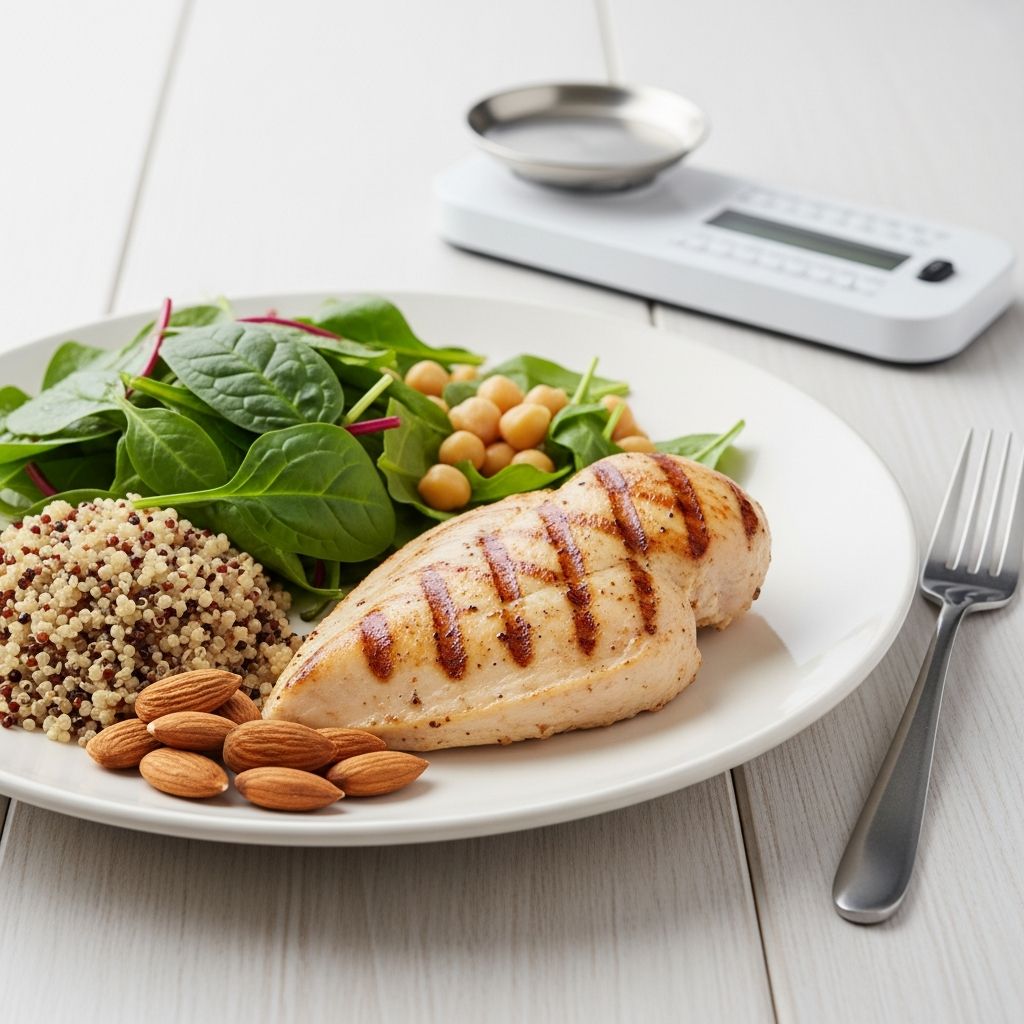
- Lean Poultry: Chicken and turkey provide high-quality protein with lower fat content than red meat
- Eggs: Complete proteins containing all essential amino acids, with additional benefits from choline and lutein
- Low-Fat Dairy: Milk, yogurt, and cheese provide protein along with calcium for bone health
Plant-Based Proteins
- Legumes: Beans, lentils, and peas offer protein along with fiber and beneficial plant compounds
- Nuts and Seeds: Almonds, peanuts, and seeds provide protein plus healthy fats
- Whole Grains: Quinoa and other whole grains contain complete proteins with additional fiber
- Vegetables: Broccoli and other vegetables contribute to overall protein intake when consumed in adequate quantities
Smart Strategies for Optimal Protein Intake
To ensure you’re meeting your protein needs in a healthy way, consider these evidence-based strategies recommended by nutrition experts:
Check for Underlying Health Conditions
Before significantly altering your protein intake, consult with your physician about any health conditions that might affect your protein requirements. Individuals with kidney disease, for example, may need to restrict protein intake, making medical guidance essential.
Choose Healthy Protein Sources
Prioritize protein from sources that offer additional nutritional benefits while avoiding highly processed options. Select from low-fat dairy products, fish, nuts, beans, and lean chicken and turkey. Minimize protein sources containing highly processed carbohydrates and saturated fats, which can negate protein’s health benefits.
Distribute Protein Throughout the Day
Rather than consuming all your protein at one meal, spread protein intake across breakfast, lunch, and dinner. This approach optimizes muscle protein synthesis and maintains steady amino acid availability for tissue repair and maintenance throughout the day.
Maintain a Balanced Diet
Protein should be part of a well-rounded diet rich in vegetables, fruits, and fiber. The Mediterranean diet and DASH diet are considered excellent starting points for comprehensive nutrition that includes adequate protein alongside other beneficial nutrients.
Understanding the Research Limitations
It’s important to recognize that protein recommendations continue to evolve as nutrition science advances. The current Institute of Medicine recommendation has significant limitations in its foundational research, and experts like those at Harvard and Brigham and Women’s Hospital suggest viewing these recommendations as guidelines rather than absolute requirements. Dr. Shalender Bhasin emphasizes that “it should really be viewed as a guideline rather than a rule.”
More comprehensive long-term studies involving diverse populations across different ages, genders, and races are needed to develop more precise recommendations, particularly for vulnerable populations like older adults with chronic diseases and frailty.
Practical Protein Serving Examples
To help you understand what adequate protein looks like in practical terms, here are common serving sizes and their protein content:
| Food Item | Serving Size | Protein Content |
|---|---|---|
| Chicken breast | 3 ounces | 26 grams |
| Beef | 8 ounces | 61 grams |
| Salmon | 3 ounces | 25 grams |
| Eggs | 1 large egg | 6 grams |
| Greek yogurt | 6 ounces | 15-20 grams |
| Lentils (cooked) | 1 cup | 18 grams |
| Almonds | 1 ounce | 6 grams |
| Tofu | 3 ounces | 8 grams |
Frequently Asked Questions
Q: Can I get enough protein on a vegetarian or vegan diet?
A: Yes, absolutely. Plant-based proteins from legumes, nuts, seeds, whole grains, and vegetables can provide adequate protein when consumed in appropriate quantities and variety. A typical balanced vegetarian diet contains more than enough protein to meet standard recommendations.
Q: Does protein timing matter for muscle building?
A: While distributing protein throughout the day is beneficial, the most important factor is total daily protein intake. Consuming adequate protein across multiple meals throughout the day appears more important than the timing of protein consumption relative to exercise.
Q: Do I need protein supplements?
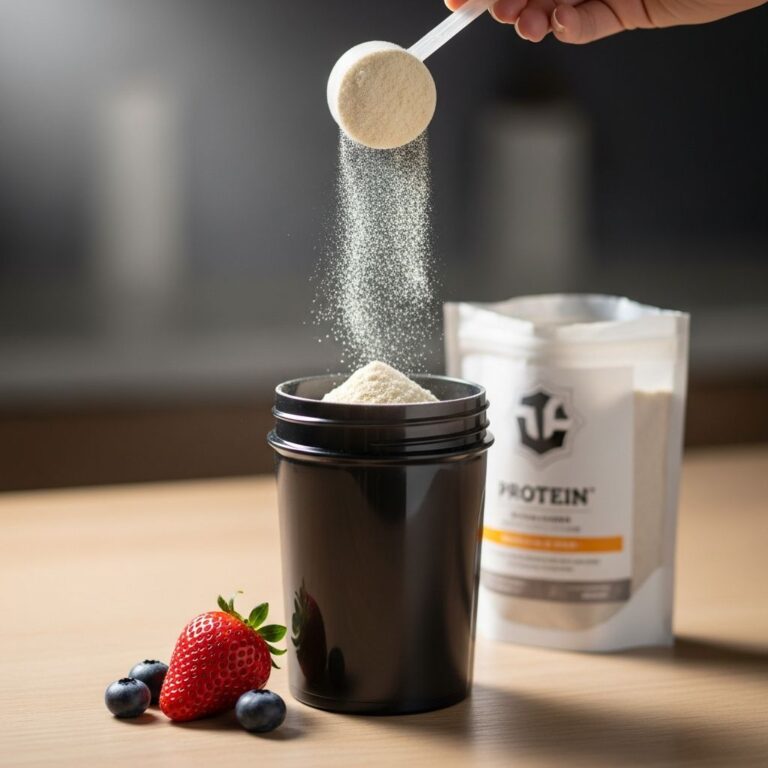
A: For most people eating a balanced diet with adequate protein sources, supplements are unnecessary. Focus on consuming protein from whole food sources first. Supplements may be helpful for athletes or individuals unable to meet requirements through diet alone.
Q: Is high-protein dieting effective for weight loss?
A: While high-protein diets have been promoted for weight loss and metabolism improvement, the evidence suggests this is not a particularly robust or unique mechanism. Weight loss fundamentals—creating a caloric deficit through balanced nutrition and exercise—matter more than protein percentage.
Q: How do I know if I’m getting enough protein?
A: For most people eating a common-sense approach to balanced meals with fresh foods including proteins, achieving adequate intake is straightforward. You’re likely getting enough protein through typical meals without conscious effort, as most people consume more than the recommended amount.
Key Takeaways
Meeting your daily protein needs is simpler than many people realize. The Institute of Medicine recommendation of 0.83 grams per kilogram of body weight provides a reasonable guideline for healthy adults. However, individual needs vary based on age, activity level, and health status. Rather than obsessing over exact numbers, focus on eating a balanced diet with diverse protein sources, distributing protein across your meals, and consulting healthcare providers if you have specific health concerns. For most people, a common-sense approach to fresh, balanced meals ensures adequate protein intake while supporting overall health and longevity.
References
- Harvard scientists reveal how much protein we should really be eating in a day — Food Bible. 2025-06-19. https://www.foodbible.com/health/diet/how-much-protein-should-you-eat-636314-20250619
- How Much Protein Do You Really Need? — Brigham and Women’s Hospital. https://give.brighamandwomens.org/how-much-protein/
Similar Articles








Read full bio of Sneha Tete