How Much Protein In A Banana? Complete Nutrition Breakdown
Discover the protein content in bananas, their full nutritional profile, health benefits, and how they fit into a balanced diet.
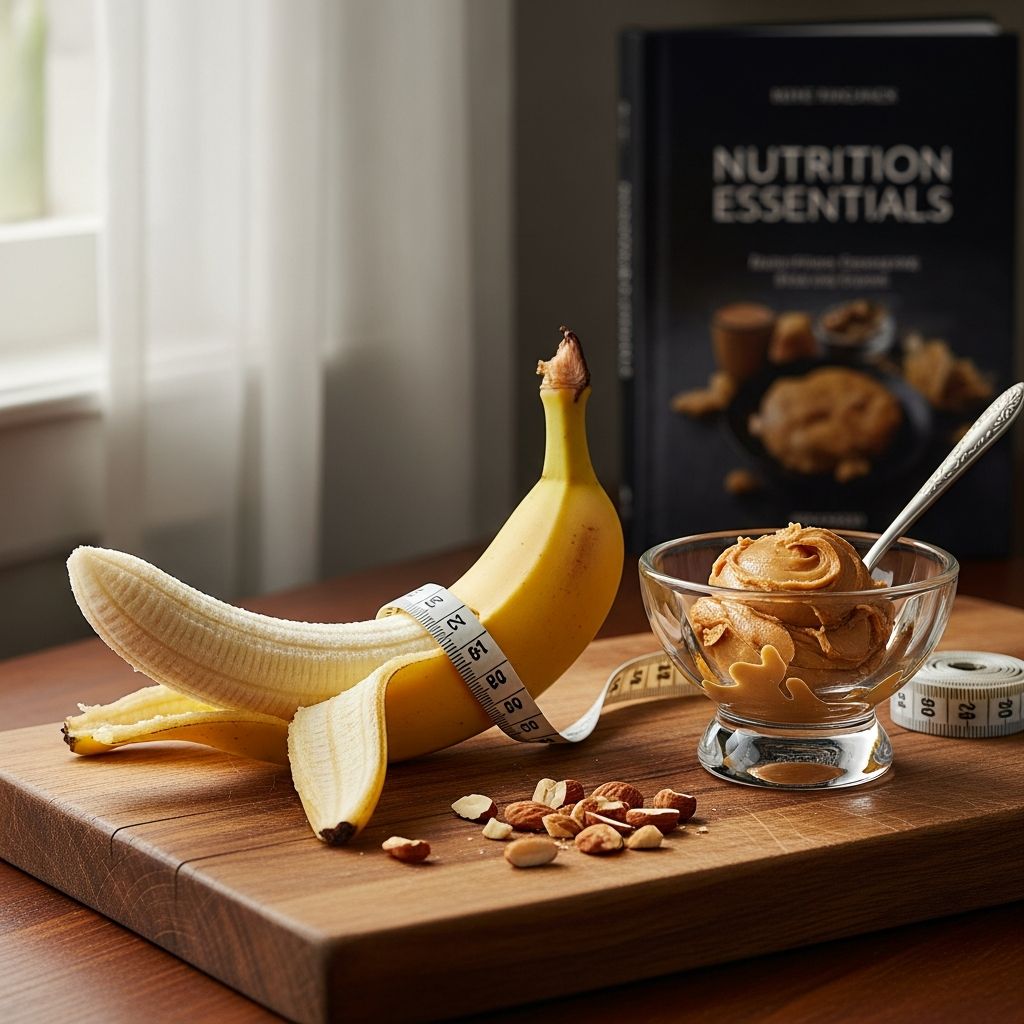
Bananas contain approximately 1.1 to 1.3 grams of protein per medium-sized fruit, making them a modest source compared to other foods but valuable within a fruit-based diet.
This yellow fruit is far more renowned for its carbohydrate content, potassium, and fiber, yet understanding its full nutritional breakdown, including protein, helps in meal planning. A typical medium banana weighs around 118 grams and delivers quick energy alongside essential micronutrients. Registered dietitians emphasize that while protein isn’t the star nutrient here, bananas complement protein-rich foods effectively in balanced meals.
Banana Nutrition Facts
A medium banana (about 118-126 grams) provides the following nutrition profile, primarily carbs for energy, with minimal protein and fat.
- Calories: 105-110
- Protein: 1.1-1.3 grams
- Carbohydrates: 27-28 grams, including 14-15 grams of natural sugars
- Fiber: 3 grams
- Fat: 0.4 grams
- Water: 88 grams
These values vary slightly by ripeness and size. Small bananas (under 100 grams) offer about 0.9 grams of protein, while large ones (over 136 grams) can reach 1.5 grams.
Protein Content by Banana Size
| Size | Weight (grams) | Protein (grams) | Calories |
|---|---|---|---|
| Extra small | ~81g | 0.8-1.0 | 72 |
| Small | ~101g | 1.0-1.1 | 90 |
| Medium | ~118g | 1.1-1.3 | 105 |
| Large | ~136g | 1.5 | 121 |
| Extra large | ~152g | 1.7 | 135 |
Data synthesized from USDA-linked sources; values approximate based on ripeness.
Carbs in Bananas
Bananas are carb-dominant, with composition shifting from starch in unripe fruits to sugars in ripe ones. Unripe bananas contain up to 70-80% starch (dry weight), much of it resistant starch that acts like fiber.
Ripe bananas feature sucrose, glucose, and fructose, contributing to their sweetness. Despite 27-28 grams of carbs, their glycemic index (GI) is low to moderate: 42 for slightly unripe and 51 for ripe, with a glycemic load (GL) of 11-13. This slower blood sugar impact comes from fiber and resistant starch, promoting satiety.
Fiber in Bananas
With 3 grams of fiber per medium banana, these fruits support digestion. Key types include:
- Resistant starch: Abundant in green bananas; ferments in the large intestine to produce short-chain fatty acids (SCFAs) like butyrate, fostering gut bacteria and potentially aiding conditions like ulcerative colitis.
- Pectin: Water-soluble fiber that increases with ripeness, softening texture and moderating post-meal blood sugar rises.
These fibers enhance gut health, reduce cholesterol absorption, and promote regularity without excess calories.
Vitamins and Minerals in Bananas
Bananas excel in key micronutrients beyond protein:
- Potassium: 422-450 mg (9-10% DV), crucial for blood pressure regulation, muscle function, and heart rhythm.
- Vitamin B6: 0.4 mg (20-25% DV), supporting metabolism, brain health, and red blood cell formation.
- Vitamin C: 10 mg (11% DV), antioxidant for immune support and collagen synthesis.
- Magnesium and Manganese: Aid enzyme function and bone health.
Low sodium enhances their role in heart-healthy diets like DASH.
Health Benefits of Bananas
Heart Health
Potassium in bananas counters sodium’s effects, easing blood vessel tension and promoting fluid balance to lower hypertension risk. Studies link high-potassium diets (4,700 mg/day goal) to reduced cardiovascular events. Fiber further lowers cholesterol.
Digestive Health
Resistant starch and pectin act as prebiotics, fueling beneficial gut microbes. SCFAs from fermentation support colon health, potentially preventing disorders like IBS or antibiotic-related diarrhea.
Other Benefits
- Energy boost from quick-digesting carbs, ideal pre-workout.
- Antioxidants like catechins combat oxidative stress.
- Moderate GI suits diabetes management when portion-controlled.
While not protein powerhouses, bananas pair well with nuts or yogurt for complete nutrition.
Related Stories



Are Bananas Good for You If You Want More Protein?
Bananas offer limited protein (1-1.3g), ranking low among fruits—guava leads at 4.2g/cup, avocado at 3-4g. For protein goals (46-56g/day adults), rely on meats, dairy, legumes; use bananas as carb/fiber enhancers in smoothies with Greek yogurt or peanut butter.
Experts recommend variety: pair one banana with 20g protein sources for balanced snacks.
Are Bananas a Good Source of Protein?
No, bananas provide negligible protein relative to needs; they’re better for potassium (450mg) and energy. Complete proteins (all essential amino acids) are scarce in fruits—bananas have incomplete profiles. Opt for quinoa, eggs for protein; bananas for complementary nutrients.
Do Bananas Have More Protein Than Other Fruits?
No, many fruits surpass bananas:
| Fruit (per cup or medium) | Protein (g) |
|---|---|
| Banana (medium) | 1.3 |
| Guava | 4.2 |
| Avocado | 3-4.6 |
| Blackberries | 2 |
| Cherries (pitted) | 1.6 |
| Orange (medium) | 1.2 |
Bananas shine in accessibility and potassium, not protein.
Expert Tips for Eating Bananas
- Pair strategically: Blend with protein powder, nuts for muscle support.
- Choose ripeness: Green for low-GI, fiber; ripe for sweetness, digestibility.
- Daily intake: 1-2 medium bananas fit most diets; excess sugars add calories.
- Storage: Refrigerate ripe ones to slow browning; freeze for smoothies.
- Variety: Mix with berries, spinach for nutrient density.
Dietitians note bananas’ convenience for athletes, but moderation prevents carb overload.
Frequently Asked Questions (FAQs)
What is the protein in a banana?
A medium banana has 1.1-1.3 grams of protein.
Is there protein in bananas?
Yes, about 1 gram per medium fruit, though minimal compared to needs.
Do bananas have a lot of protein?
No, they’re low-protein fruits; prioritize other sources for adequacy.
Which fruit has the most protein?
Guava (4.2g/cup) tops lists, followed by avocado.
Are bananas good after a workout?
Yes, for potassium and carbs replenishing glycogen; add protein for recovery.
Can I eat bananas if I’m diabetic?
In moderation; low GI helps, but monitor portions and consult professionals.
References
- Bananas – The Nutrition Source — Harvard T.H. Chan School of Public Health. 2023. https://nutritionsource.hsph.harvard.edu/food-features/bananas/
- Bananas Nutrition Facts and Possible Health Benefits — Healthline (citing USDA data). 2024-01-15. https://www.healthline.com/nutrition/foods/bananas
- Fruits With the Most Protein — WebMD. 2024. https://www.webmd.com/diet/ss/slideshow-fruits-with-most-protein
Similar Articles








Read full bio of medha deb