How Much Protein in Turkey: Nutrition Facts
Discover turkey's impressive protein content and complete nutritional profile.
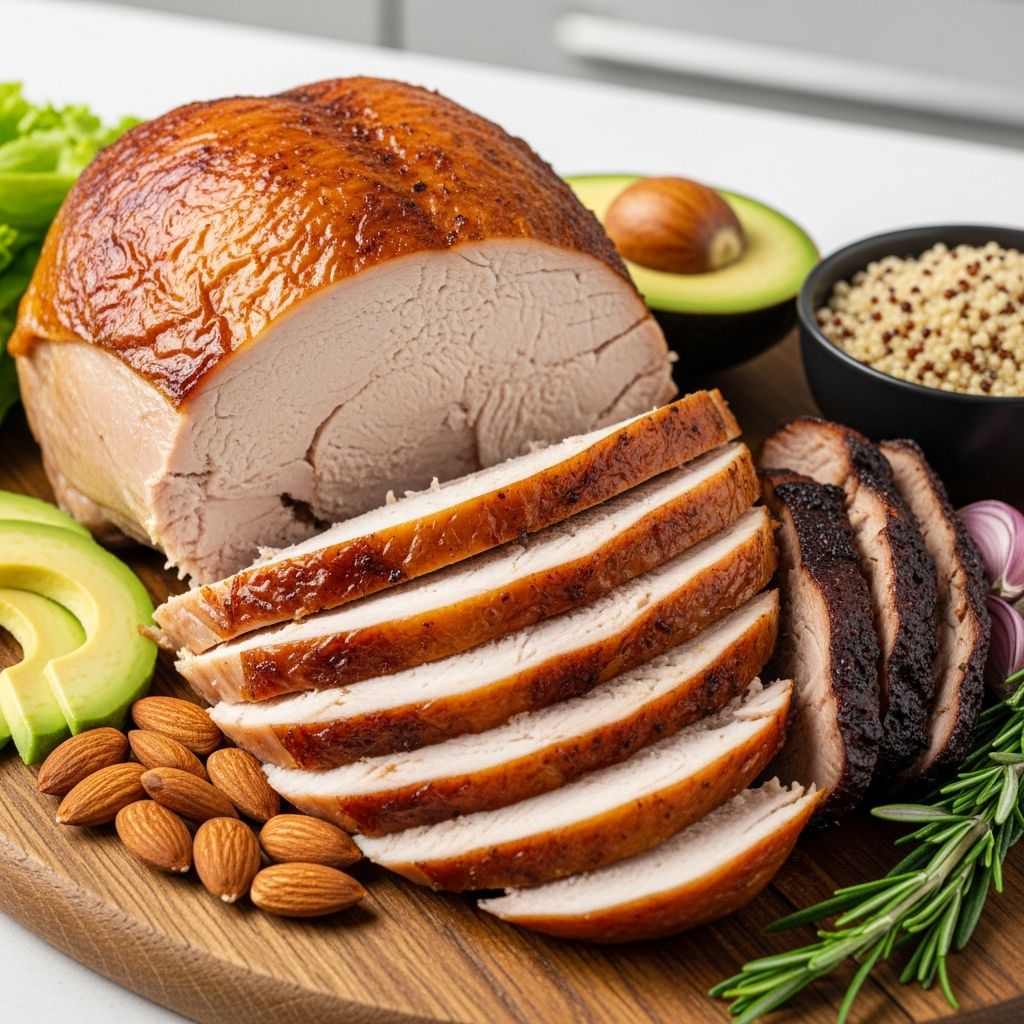
Turkey stands out as one of the most nutritious and protein-rich meats available, making it a staple protein source for millions of people worldwide. Whether you’re planning Thanksgiving dinner or simply looking to incorporate more lean protein into your daily diet, understanding turkey’s nutritional profile is essential for making informed dietary choices.
Protein Content in Turkey: The Numbers
Turkey delivers an impressive amount of protein in a relatively modest serving size. Two thick slices of turkey (84 grams) contain 24 grams of protein, which represents approximately 48% of the Daily Value (DV). This makes turkey an exceptionally efficient protein source, delivering nearly half of your daily protein requirement in just one small serving.
The protein content in turkey varies slightly depending on the cut and preparation method. White meat, found in the breast, tends to contain slightly more protein compared to dark meat from the thighs and legs. Additionally, whether the skin is removed significantly impacts the overall nutritional composition, though protein levels remain relatively consistent across these variations.
Complete Nutritional Profile of Turkey
Beyond protein, turkey boasts an impressive comprehensive nutritional profile. A standard serving of two thick slices (84 grams) provides the following nutrients:
- Calories: 117
- Protein: 24 grams
- Fat: 2 grams
- Carbohydrates: 0 grams
- Niacin (Vitamin B3): 61% of the DV
- Vitamin B6: 49% of the DV
- Vitamin B12: 29% of the DV
- Selenium: 46% of the DV
- Zinc: 12% of the DV
- Sodium: 26% of the DV
- Phosphorus: 28% of the DV
- Choline: 12% of the DV
- Magnesium: 6% of the DV
- Potassium: 4% of the DV
This nutrient-dense composition explains why turkey is frequently recommended by nutritionists and dietitians as part of a balanced, healthy diet.
White Meat vs. Dark Meat: Key Differences
The nutritional content of turkey varies depending on which cut you choose. Understanding these differences can help you select the best option for your specific dietary goals.
White meat, typically found in the breast, contains slightly more protein and fewer calories and fat. This makes it an excellent choice for those focused on muscle building or weight loss. Dark meat, located in active muscles such as the legs and thighs, tends to have more fat and calories but offers more flavor and moisture. Both varieties provide substantial nutritional benefits.
Another significant factor is whether the skin remains on the turkey. Turkey skin is high in fat, which means that skinless cuts are notably leaner. For example, 3.5 ounces (100 grams) of turkey with the skin contains 169 calories and 5.5 grams of fat, whereas the same amount without skin has only 139 calories and just 2 grams of fat. For those watching their fat intake, choosing skinless turkey can make a substantial difference.
Related Stories



Turkey as a Healthy Protein Source
Protein is essential for numerous bodily functions, and turkey serves as an excellent source of high-quality protein. Protein supports muscle growth and maintenance, provides structure to cells, and helps transport vital nutrients throughout your body. Additionally, research suggests that a high-protein diet may support weight loss by promoting feelings of fullness and satiety.
The 24 grams of protein found in just two slices of turkey make it one of the most efficient protein sources available. This efficiency means you can meet a substantial portion of your daily protein requirements without consuming excessive calories, making turkey ideal for individuals following protein-focused diets or those engaged in regular strength training.
B Vitamins: Turkey’s Nutritional Powerhouse
One of turkey’s most impressive nutritional advantages is its exceptional B vitamin content. Turkey serves as a particularly rich source of several B vitamins, each playing crucial roles in maintaining optimal health.
Vitamin B3 (Niacin) comprises 61% of the Daily Value in two slices of turkey. This vitamin is vital for efficient energy production and supports healthy cell communication throughout your body. Without adequate niacin, your cells cannot convert food into usable energy effectively.
Vitamin B6 (Pyridoxine) accounts for 49% of the Daily Value and supports amino acid formation and neurotransmitter production. This vitamin is particularly important for brain health and cognitive function. Vitamin B12 comprises 29% of the Daily Value and is essential for DNA production and the formation of healthy red blood cells.
Beyond these primary B vitamins, turkey also provides good amounts of folate, vitamin B1 (thiamine), and vitamin B2 (riboflavin). This comprehensive B vitamin profile makes turkey an excellent choice for individuals seeking to optimize their energy levels and cognitive function.
Essential Minerals Found in Turkey
Turkey delivers an impressive array of essential minerals necessary for optimal health and bodily function.
Selenium comprises 46% of the Daily Value and plays a critical role in thyroid hormone production, which regulates metabolism and growth rate. Adequate selenium intake is essential for maintaining a healthy metabolism and supporting overall metabolic function.
Zinc, present at 12% of the Daily Value, is an essential mineral involved in numerous bodily processes, including gene expression, protein synthesis, and enzyme reactions. Phosphorus comprises 28% of the Daily Value and is vital for maintaining healthy bones and teeth. Additionally, turkey provides smaller amounts of magnesium and potassium, which support muscle function and cardiovascular health.
Important Considerations: Sodium Content
While turkey offers tremendous nutritional benefits, it’s crucial to be aware of sodium content, particularly in processed varieties. Research indicates that excessive salt consumption may increase the risk of stomach cancer, while reducing salt intake can help lower blood pressure.
Processed turkey products present a significant concern. Salami and pastrami, for instance, contain up to 75% of the Daily Value for sodium per 3.5 ounces (100 grams), while turkey sausage supplies over 60% of the Daily Value. These processed options should be consumed sparingly or avoided altogether by individuals monitoring their sodium intake.
In contrast, 3.5 ounces (100 grams) of unprocessed, cooked turkey provides only 31% of the Daily Value for sodium. To minimize your salt intake and maximize health benefits, prioritize unprocessed, fresh turkey over processed varieties. This simple choice can significantly reduce your sodium consumption while preserving all the nutritional advantages turkey offers.
Incorporating Turkey Into Your Diet
Turkey’s versatility makes it easy to include in numerous meals and cuisines. From traditional soups and salads to curries and stir-fries, turkey adapts well to virtually any recipe. Ground turkey can be used in place of higher-fat meats in tacos, burgers, and pasta dishes, while whole cuts can be roasted, grilled, or baked.
Frequently Asked Questions
Q: How much protein does turkey contain per ounce?
A: Turkey contains approximately 7 grams of protein per ounce (28 grams). This means a 3-ounce serving provides about 21 grams of protein, making it an excellent high-protein choice.
Q: Is turkey breast or thigh higher in protein?
A: Turkey breast (white meat) contains slightly more protein than thigh meat (dark meat), though the difference is minimal. However, turkey breast is lower in fat and calories, making it the preferred choice for those watching their fat intake.
Q: Does removing turkey skin significantly reduce fat content?
A: Yes, removing turkey skin substantially reduces fat content. Skinless turkey contains approximately 61% less fat than turkey with skin, making it a much leaner option for health-conscious consumers.
Q: Is processed turkey less healthy than fresh turkey?
A: Yes, processed turkey products often contain excessive sodium levels—up to 75% of the Daily Value per serving. Fresh, unprocessed turkey is significantly healthier and contains only 31% of the Daily Value for sodium.
Q: Can turkey support weight loss?
A: Yes, turkey can support weight loss due to its high protein content, which promotes satiety and reduces hunger. The combination of high protein, low fat, and minimal calories makes turkey an ideal choice for weight management.
Q: How does turkey compare to chicken in terms of protein?
A: Turkey and chicken have similar protein content per serving. Both are excellent lean protein sources that provide approximately 24–26 grams of protein per 3-ounce serving.
Q: Is it necessary to eat turkey skin for nutritional benefits?
A: No, the skin provides minimal nutritional benefits beyond fat content. All essential nutrients—protein, B vitamins, and minerals—are present in the meat itself, making skinless turkey nutritionally superior for most dietary goals.
Key Takeaways
Turkey represents an exceptional nutritional choice for individuals seeking high-quality protein, essential B vitamins, and important minerals. With 24 grams of protein per modest 84-gram serving, turkey efficiently meets a significant portion of daily protein requirements. Its impressive B vitamin content supports energy production, neurological function, and cellular health, while its mineral profile contributes to bone strength, metabolic function, and overall wellness. However, choosing unprocessed, skinless turkey over processed varieties is essential for minimizing sodium intake and maximizing health benefits. By incorporating turkey into your regular diet, you can enjoy a nutritionally dense, versatile protein source that supports various aspects of physical health and wellness.
References
- Turkey: Nutrition, Calories, Benefits, and More — Healthline. 2024. https://www.healthline.com/nutrition/turkey
Similar Articles








Read full bio of Sneha Tete