How Much Protein Per Day? Complete Guide To Your RDA And Needs
Discover the recommended daily protein intake for adults, kids, athletes, and seniors to optimize health and muscle maintenance.
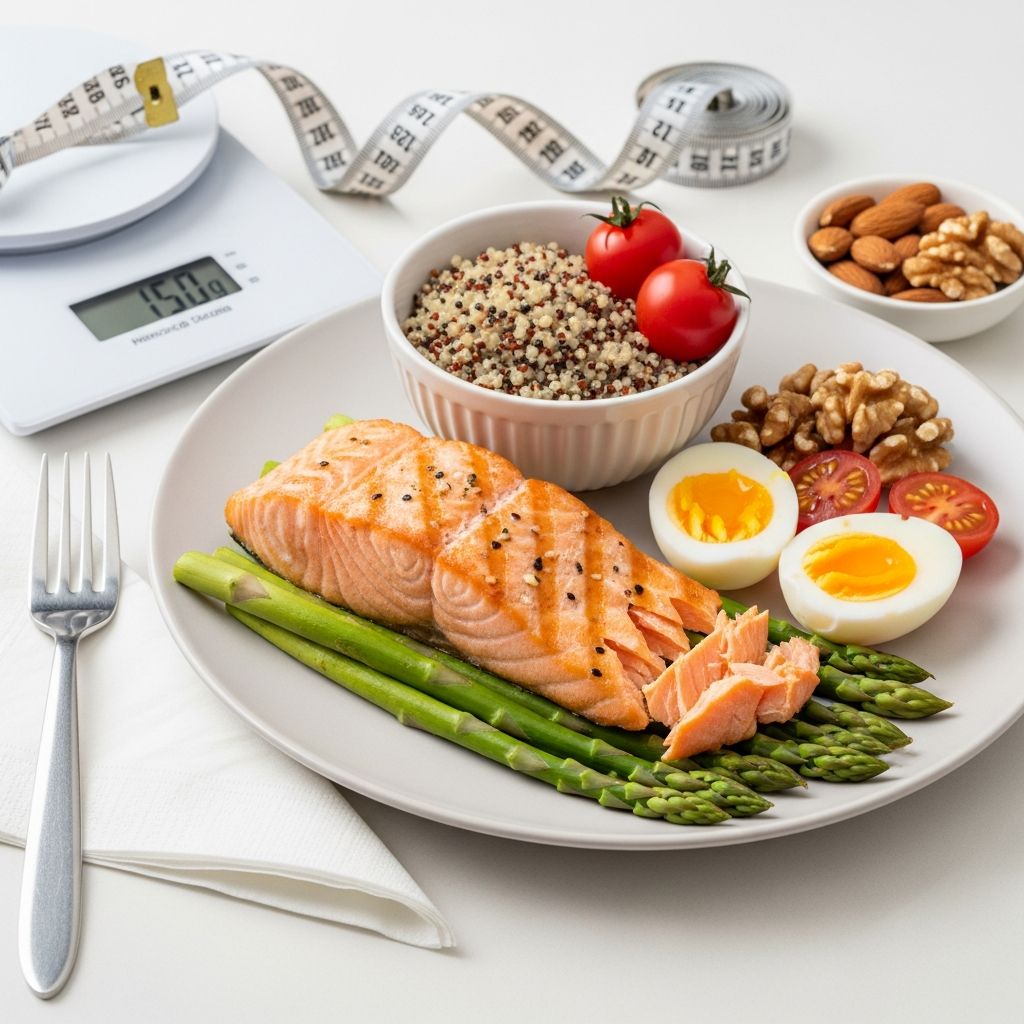
Protein is a vital macronutrient essential for building and repairing tissues, producing enzymes and hormones, and supporting immune function. Determining the right amount of protein per day depends on factors like age, sex, body weight, activity level, and health status. The Recommended Dietary Allowance (RDA) provides a baseline, but individual needs can vary significantly.
What Is Protein and Why Do You Need It?
Protein, composed of amino acids, serves as the building blocks of muscles, skin, hair, and organs. It plays key roles in enzyme production, oxygen transport, and immune defense. Without adequate protein, the body may break down muscle tissue for energy, leading to weakness and impaired recovery.
High-quality proteins contain all essential amino acids that the body cannot produce. Animal sources like meat, eggs, and dairy typically offer complete proteins, while plant sources like beans and nuts can be combined for completeness.
How Much Protein Do You Need Per Day?
The RDA for protein is 0.8 grams per kilogram of body weight per day for healthy adults aged 18 and older. For a 70 kg (154 lb) person, this equates to about 56 grams daily. This recommendation covers the needs of nearly all healthy individuals to prevent deficiency.
In caloric terms, protein should comprise 10% to 35% of total daily calories. Most people exceed this minimum, but balance from diverse sources is crucial.
Protein Needs by Age and Life Stage
Protein requirements differ across life stages due to growth, maintenance, and physiological changes.
- Children: Growing children need more protein per kg—typically 1.0–1.5 g/kg—to support development.
- Pregnant/Lactating Women: Increased needs (around 1.1 g/kg) for fetal growth and milk production.
- Adults: Standard RDA of 0.8 g/kg suffices for sedentary individuals.
- Seniors: Older adults may benefit from 1.2–1.5 g/kg to combat sarcopenia (age-related muscle loss). Prospective studies indicate intakes up to 1.2–1.5 g/kg/day are safe and support muscle mass and bone health.
Athletes and Active Individuals
Those engaging in strength training or endurance sports require 1.2–2.0 g/kg/day to support muscle repair and growth. Endurance athletes lean toward the lower end, while bodybuilders may need the higher range.
Factors That Affect Your Protein Needs
Several variables influence daily protein requirements:
- Body Weight: Calculated as g/kg of ideal body weight.
- Activity Level: Sedentary vs. highly active doubles needs in some cases.
- Health Conditions: Illness, injury, or recovery from surgery increases demands.
- Vegetarian/Vegan Diets: Plant proteins may require 10–20% more intake due to lower digestibility.
- Age-Related Changes: Anabolic resistance in elderly necessitates higher per-meal protein doses (25–30g).
Related Stories



| Group | Protein Needs (g/kg/day) | Example for 70kg Person |
|---|---|---|
| Sedentary Adult | 0.8 | 56g |
| Athlete | 1.2–2.0 | 84–140g |
| Pregnant Woman | 1.1 | 77g |
| Senior (65+) | 1.2–1.5 | 84–105g |
Best Sources of Protein
Prioritize nutrient-dense sources for optimal health. The American Heart Association emphasizes plant-based and lean options.
- Plant-Based: Legumes (16g per cup cooked), nuts, seeds, lentils, chickpeas—high in fiber and low in fat.
- Dairy: Low-fat milk (8g per 8oz), yogurt (11g per cup), Greek yogurt (higher concentration).
- Lean Meats: 3oz chicken or turkey (21–25g), fish like salmon (rich in omega-3s).
- Eggs: One large egg provides 6g; limit yolks if cholesterol is a concern.
- Seafood: Aim for 2–3 servings weekly; avoid fried preparations.
A sample day for 56g RDA: 8oz milk (8g) + 1 cup yogurt (11g) + 3oz lean meat (21g) + 1 cup beans (16g).
Signs You’re Not Getting Enough Protein
Chronic low intake manifests as:
- Muscle wasting and weakness.
- Slow wound healing.
- Hair loss, brittle nails, dry skin.
- Frequent infections due to weakened immunity.
- Edema (swelling) from low albumin levels.
In seniors, inadequate protein accelerates sarcopenia, with studies showing muscle mass loss at intakes below 0.9 g/kg.
Is Too Much Protein Bad for You?
Excess protein, especially from high-saturated fat meats, raises LDL cholesterol and displaces fruits/vegetables. Intakes over 20–23% of calories may strain kidneys in those with pre-existing issues, though healthy individuals tolerate up to 1.5–2.0 g/kg safely.
Potential risks:
- Dehydration from increased water needs for protein metabolism.
- Calcium loss if not balanced with veggies.
- Gut issues from low-fiber, meat-heavy diets.
Protein Myths and Misconceptions
Myth 1: You need protein at every meal. Fact: Total daily intake matters more than timing for most.
Myth 2: All proteins are equal. Fact: Complete proteins are ideal, but variety covers needs.
Myth 3: More protein always builds more muscle. Fact: Excess beyond 1.6–2.2 g/kg offers diminishing returns.
How to Calculate Your Protein Needs
- Weigh yourself in kg (lbs ÷ 2.2).
- Multiply by your g/kg factor (e.g., 0.8 for sedentary).
- Track intake via apps or labels.
- Adjust based on goals/response.
Example: 80kg athlete × 1.6 g/kg = 128g/day.
Meal Ideas to Hit Your Protein Goals
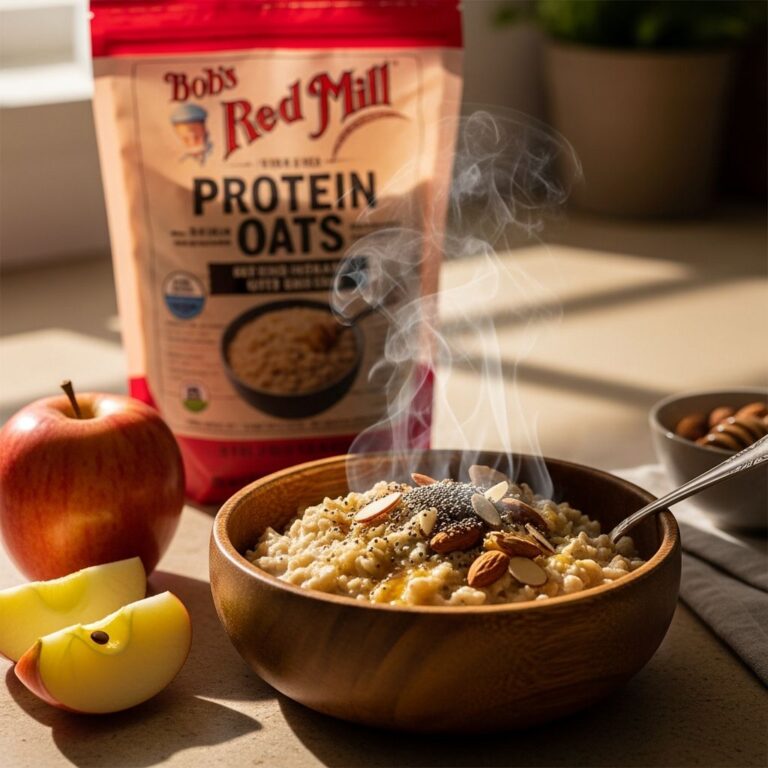
- Breakfast: Greek yogurt parfait with nuts (25g).
- Lunch: Grilled chicken salad with quinoa (30g).
- Dinner: Baked salmon, lentils, veggies (35g).
- Snack: Cottage cheese or hard-boiled eggs (15g).
Frequently Asked Questions (FAQs)
What’s the minimum protein intake for adults?
The RDA is 0.8 g/kg body weight, or about 46–56g for average women/men.
Do I need more protein if I exercise?
Yes, active individuals may need 1.2–2.0 g/kg to support recovery and gains.
Can you get enough protein on a plant-based diet?
Absolutely, by combining beans, grains, nuts, and soy; aim 10–20% higher for digestibility.
Does protein timing matter?
For muscle building, spread intake evenly; 20–30g per meal optimizes synthesis, especially post-workout.
Is whey protein better than food sources?
Whole foods provide micronutrients; supplements are convenient for hitting high targets.
Expert Tips for Optimal Protein Intake
– Focus on quality: Prioritize lean, plant-heavy sources.
– Distribute evenly: 3–4 meals with 20–40g each.
– Pair with resistance training for seniors/athletes.
– Monitor kidney health if consuming high amounts.
– Consult a dietitian for personalized plans.
References
- Protein and Heart Health — American Heart Association. Accessed 2026. https://www.heart.org/en/healthy-living/healthy-eating/eat-smart/nutrition-basics/protein-and-heart-health
- Health effects of protein intake in healthy elderly populations: a systematic literature review of randomized controlled trials and prospective cohort studies — Nordic Nutrition Recommendations. 2014-01-01. https://pmc.ncbi.nlm.nih.gov/articles/PMC3926464/
- Dietary Reference Intakes for Energy, Carbohydrate, Fiber, Fat, Fatty Acids, Cholesterol, Protein, and Amino Acids — National Academies Press (via PubMed). 2005. https://pubmed.ncbi.nlm.nih.gov/12449285/
- Protein Consumption and the Elderly: What Is the Optimal Level of Intake? — Nutrients (PMC). 2016-06-15. https://www.ncbi.nlm.nih.gov/pmc/articles/PMC4924200/
Similar Articles








Read full bio of Sneha Tete