How Much Protein Should I Eat? 8 Practical Tips
Learn personalized daily protein recommendations based on age, sex, activity level, and health status.
How Much Protein Should I Eat?
Protein is an essential nutrient that plays a crucial role in building and maintaining muscle, supporting immune function, and producing enzymes and hormones. However, determining the right amount of protein for your individual needs can be confusing, as requirements vary significantly based on several key factors. The amount of protein you need depends on your age, sex, health status, and activity level. Understanding these factors and how they influence your protein needs can help you make informed dietary choices that support your overall health and wellness.
Getting the Right Amount of Protein
Most healthy adults should aim for the Recommended Dietary Allowance (RDA) of protein for their age and sex. The RDA is a daily dietary intake level considered sufficient to meet the nutrient requirements of 97–98% of healthy individuals in a particular age and sex group. However, certain populations may require more protein than the standard recommendations. Individuals who are very physically active, are pregnant or breast-feeding, or who have certain medical conditions may need more protein to support their bodies’ increased demands.
Varying your protein choices is also recommended to ensure you obtain a wide range of amino acids and other nutrients. Rather than relying on a single protein source, incorporating diverse options—including animal-based and plant-based proteins—provides more comprehensive nutritional benefits and helps prevent dietary boredom.
Age-Based Protein Recommendations
Protein needs change throughout different life stages. Here are the general daily protein recommendations by age and sex according to MyPlate guidelines:
| Age Group | Female | Male |
|---|---|---|
| 2-3 years | 2-4 ounce equivalents | 2-4 ounce equivalents |
| 4-8 years | 3-5½ ounce equivalents | 3-5½ ounce equivalents |
| 9-13 years | 4-6 ounce equivalents | 5-6½ ounce equivalents |
| 14-18 years | 5-6½ ounce equivalents | 5½-7 ounce equivalents |
| 19-30 years | 5-6½ ounce equivalents | 6½-7 ounce equivalents |
| 31-50 years | 5-6 ounce equivalents | 6-7 ounce equivalents |
| 51+ years | 5-6 ounce equivalents | 5½-6½ ounce equivalents |
Understanding Ounce-Equivalents of Protein
When looking at protein recommendations, it’s important to understand what an ounce-equivalent means. One-ounce equivalents of protein foods include:
- 1 ounce cooked meat, poultry, or fish
- ¼ cup cooked beans or lentils
- 1 egg
- 1 tablespoon peanut, almond, or sunflower butter, or tahini
- ½ ounce nuts or seeds
- ¼ cup or 2 ounces tofu
- 1 ounce cooked tempeh
Most common servings of protein foods include more than one ounce-equivalent. For example, a piece of meat about the size of a deck of cards, a can of drained tuna, and a small chicken breast half are each about three ounce-equivalents of protein. This means that meeting your daily protein requirements is often easier than you might think, as typical meal portions often exceed single ounce-equivalents.
Protein Recommendations by Life Stage
Young Adults (Ages 19-30)
Young adults in their 20s and 30s should aim for approximately 0.8 to 1.0 grams of protein per kilogram of body weight each day, or roughly 50-70 grams for the average adult. This is the time to establish healthy eating habits that support energy, muscle maintenance, and long-term wellness. If you’re very active or engaging in strength training regularly, you should adjust your intake higher to support muscle recovery and adaptation.
Adults Ages 31-50
Adults in their 30s through 50s typically need about 0.8 to 1.0 grams of protein per kilogram of body weight per day, depending on activity level and overall health. For example, a 150-pound (68 kg) adult should aim for 55-68 grams of protein daily. At this stage, protein remains essential for maintaining muscle mass and supporting overall health.
Related Stories



Adults Ages 51 and Older
As adults reach age 51 and beyond, protein needs may increase slightly to support muscle maintenance and prevent age-related muscle loss. Research indicates that older adults may benefit from consuming approximately 1.0 to 1.2 grams of protein per kilogram of body weight per day, which translates to about 68-82 grams daily for someone weighing 150 pounds. Some research suggests that older adults may require ≥1.2 g/kg/day of high-quality protein to support optimal muscle outcomes and function with age.
Teenage Athletes
Young athletes need slightly more protein than their non-athletic peers. The Recommended Dietary Allowance (RDA) for protein is 46 grams for teenage girls and 52 grams for teenage boys per day. Teens should aim for between 10% to 30% of their daily calories from protein. Although an individual’s exact needs will vary based on age, sex, body weight, and stage of development, these guidelines provide a good foundation.
Protein Requirements Based on Activity Level
Your activity level is a significant factor in determining your protein needs. The standard recommendation for sedentary adults is 0.8 grams per kilogram of body weight daily. However, this changes substantially if you exercise regularly.
People who exercise regularly have higher protein needs of about 1.1-1.5 grams per kilogram of body weight. Those who regularly lift weights or are training for running or cycling events need even more—approximately 1.2-1.7 grams per kilogram. Excessive protein intake is generally considered more than 2 grams per kilogram of body weight each day.
If you’re uncertain whether you’re getting enough protein, consider tracking your intake for a few days or consulting with a registered dietitian nutritionist who can provide personalized recommendations based on your specific fitness goals and circumstances.
Percentage of Calories from Protein
Another way to assess your protein intake is through the percentage of daily calories. Protein should account for 10% to 35% of your total daily calories. If your daily caloric needs are 2,000 calories, that translates to 200-700 calories from protein, or 50-175 grams. This range provides flexibility based on individual preferences and dietary patterns, whether you follow a higher-protein diet or a more balanced macronutrient approach.
Healthy Protein Food Choices
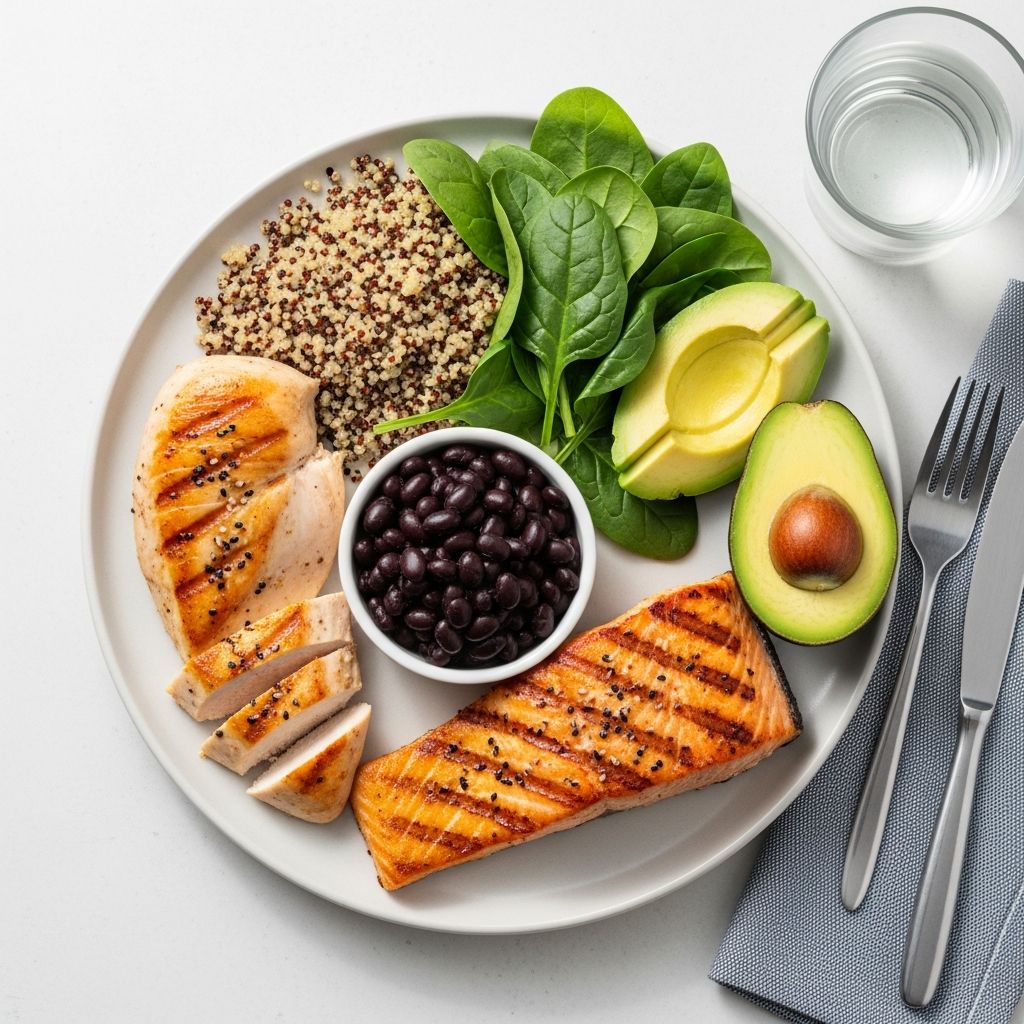
The quality of your protein sources matters significantly for overall health. The healthiest protein options include:
- Egg whites
- Fish or seafood
- Lean meats, such as skinless, white-meat chicken or turkey
- Low-fat dairy products
- Plant sources, such as soy, nuts, seeds, beans, and lentils
In general, you should aim to meet your dietary protein needs with whole foods rather than supplements, as long as your energy intake is adequate for building lean mass. Whole foods provide not only protein but also fiber, vitamins, minerals, and phytonutrients that manufactured supplements cannot replicate.
Plant-based proteins deserve special attention because they offer added benefits. Legumes, for example, can pack about 16 grams of protein per cup and are low in fat, high in fiber, and an inexpensive alternative to meat. Choosing plant-based proteins such as legumes, nuts, lentils, or chickpeas provides protective phytonutrients and fiber—a nutrient that is often low in most adults’ diets.
Optimal Timing and Distribution of Protein
Beyond the total amount of protein you consume, the timing and distribution throughout the day also matter. It’s better to spread out your protein consumption evenly throughout the day rather than concentrating it in a single meal. On average, people get most of their protein from evening meals and the least from breakfast.
General recommendations suggest consuming 15-30 grams of protein at each meal. Studies show that higher intakes in one sitting—more than 40 grams—are no more beneficial than consuming the recommended 15-30 grams at one time. This means you shouldn’t waste money on excessive protein beyond what your body can effectively utilize in a single meal.
Some newer research indicates that moving some protein from supper to breakfast can help with weight management by decreasing hunger and cravings throughout the day. However, more research is needed before these claims are fully verified. If you’re interested in optimizing protein timing for weight management or athletic performance, consider discussing this with a nutrition professional.
Using Protein Supplements Wisely
If you choose to use a protein supplement, it’s important to select products carefully. Look for supplements with the following characteristics per portion:
- 2 grams or less of saturated fat
- 5 grams of sugar or fewer
- About 200 or fewer calories
- No trans fat or partially hydrogenated oils
Meeting the recommended 15-30 grams of protein per meal is easily achievable through whole foods for most people, even athletes. Most Americans get enough protein overall, though many lack variety in their protein sources. Rather than relying on processed supplements, consider adding more beans, lentils, soy, or seafood to your diet.
Practical Tips for Meeting Your Protein Needs
Meeting your daily protein requirements doesn’t require complicated meal planning. Here are practical strategies:
- Include a serving of dairy at each meal
- Add a piece of meat the size of a deck of cards at lunch and supper
- Drink an 8-ounce glass of milk for about 8 grams of protein
- Add a cup of yogurt for approximately 11 grams
- Include a 3-ounce piece of lean meat for about 21 grams
- Add a cup of dry beans for about 16 grams
- Opt for low-fat or fat-free dairy options instead of full-fat products
- Shift intake to include seafood twice a week and legumes more often
Remember that protein should accompany fruits, vegetables, and whole grains, not make up your entire meal. A balanced approach that includes protein as part of a varied diet supports better overall health than focusing exclusively on protein intake.
Frequently Asked Questions
Q: How do I know if I’m getting enough protein?
A: Compare your daily protein intake to the recommendations based on your age, sex, and activity level. You can track your intake for a few days using a food diary or nutrition app. If you consistently meet or exceed the recommendations for your group, you’re likely getting enough protein.
Q: Can I get too much protein?
A: Yes, excessive protein intake is generally considered more than 2 grams per kilogram of body weight each day. However, most people don’t need to worry about consuming too much protein from food. Eating more protein than needed simply provides extra calories without additional benefit.
Q: Are plant-based proteins as good as animal-based proteins?
A: Yes, plant-based proteins can be excellent choices. Legumes, nuts, seeds, and soy products provide protein along with fiber, vitamins, and minerals that animal products may not contain. Including both plant-based and animal-based proteins ensures a more complete nutrient profile.
Q: Do I need protein supplements?
A: Most people can meet their protein needs through whole foods. Supplements can be convenient for some, but they lack the additional nutrients found in whole foods. If you choose to use supplements, select products carefully based on sugar content, fat content, and calorie count.
Q: Does my protein need change as I age?
A: Yes, protein needs may increase slightly as you age. Adults ages 51 and older may benefit from higher protein intake to maintain muscle mass and prevent age-related muscle loss. Some research suggests older adults require ≥1.2 g/kg/day of high-quality protein.
Q: How should I distribute protein throughout the day?
A: Aim to spread protein consumption evenly throughout the day, aiming for 15-30 grams per meal. Some research suggests that consuming more protein at breakfast may help with weight management, though more research is needed on this topic.
References
- Are you getting too much protein — Mayo Clinic Health System. 2025. https://www.mayoclinichealthsystem.org/hometown-health/speaking-of-health/are-you-getting-too-much-protein
- Protein: What’s Enough? — American Heart Association. 2024. https://www.heart.org/en/healthy-living/healthy-eating/eat-smart/nutrition-basics/protein-and-heart-health
- Are You Getting Enough Protein? Age-Specific Guidelines and Meal Ideas — Mount Carmel Health. 2024. https://www.mountcarmelhealth.com/blog-articles/are-you-getting-enough-protein-age-specific-guidelines-and-meal-ideas
- How Much Protein Should I Eat? — Academy of Nutrition and Dietetics. 2025. https://www.eatright.org/health/essential-nutrients/protein/how-much-protein-should-i-eat
- How Teen Athletes Can Build Muscles with Protein — Academy of Nutrition and Dietetics. 2024. https://www.eatright.org/health/essential-nutrients/protein/how-teen-athletes-can-build-muscles-with-protein
- Is there a Place for Dietary Protein Beyond the RDA in an Aging Population — Academy of Nutrition and Dietetics. 2024. https://www.eatrightstore.org/cpe-opportunities/webinars/is-there-a-place-for-dietary-protein-beyond-the-rda-in-an-aging-population
Similar Articles








Read full bio of medha deb