How Much Protein To Build Muscle: Evidence-Based Guide
Discover the optimal daily protein intake for muscle growth, backed by science, including factors like age, activity level, and expert recommendations.
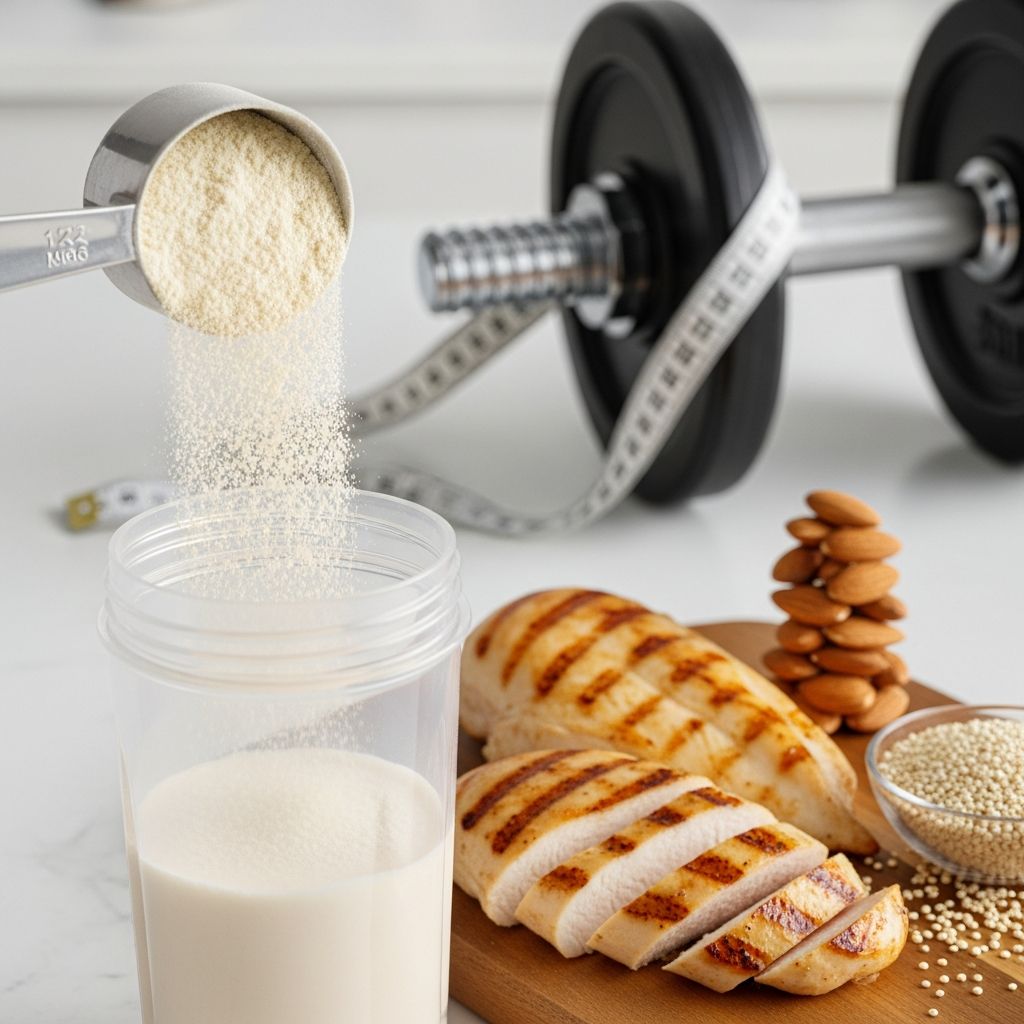
Building muscle requires a combination of resistance training, adequate calories, and sufficient protein intake to support muscle protein synthesis (MPS), the process where your body repairs and grows muscle tissue. But how much protein do you actually need? Research shows that while protein is essential, more isn’t always better—optimal amounts depend on your body weight, training intensity, age, and goals.
According to a systematic review and meta-analysis, protein supplementation beyond certain thresholds does not significantly enhance lean body mass gains in resistance-trained individuals. This article breaks down evidence-based recommendations, helping you dial in your intake for maximum muscle-building potential.
How Much Protein Per Day to Build Muscle?
The Recommended Dietary Allowance (RDA) for protein is 0.8 grams per kilogram of body weight per day for sedentary adults, but this is the minimum to prevent deficiency, not to optimize muscle growth. For muscle building, experts recommend 1.6 to 2.2 grams per kilogram of body weight daily.
- Sedentary individuals: 0.8–1.2 g/kg
- Resistance training beginners: 1.2–1.6 g/kg
- Experienced athletes: 1.6–2.2 g/kg
- During calorie deficit (fat loss while preserving muscle): Up to 2.4–3.1 g/kg
A 2022 meta-analysis found that protein intakes of 1.6 g/kg/day maximized resistance training-induced gains in lean body mass and strength, with diminishing returns beyond 1.6 g/kg in most populations. For a 70 kg (154 lb) person, this equates to 112–154 grams daily.
| Body Weight (kg) | Minimum for Muscle (1.6 g/kg) | Optimal Upper Limit (2.2 g/kg) |
|---|---|---|
| 60 | 96 g | 132 g |
| 70 | 112 g | 154 g |
| 80 | 128 g | 176 g |
| 90 | 144 g | 198 g |
Distribute intake across 3–5 meals, aiming for 20–40 grams per meal to stimulate MPS multiple times daily.
Protein Needs by Age Group
Young Adults (18–40 Years)
For younger adults engaging in resistance training, 1.6–2.0 g/kg supports hypertrophy. A study in the Journal of the International Society of Sports Nutrition confirms this range optimizes muscle protein synthesis without excess.
Older Adults (40+ Years)
Aging reduces muscle protein synthesis efficiency (anabolic resistance), so older adults need higher intakes: 1.8–2.5 g/kg. Research from the American Journal of Clinical Nutrition shows 1.2–1.6 g/kg combats sarcopenia, but 2.0+ g/kg enhances gains with training.
- Increase leucine-rich sources (e.g., whey) per meal to overcome anabolic resistance.
- Combine with resistance exercise 2–3 times weekly.
Athletes and Bodybuilders
Elite athletes may require 2.0–2.5 g/kg during intense periods. The International Society of Sports Nutrition position stand recommends up to 2.2 g/kg for bodybuilders.
Does Protein Timing Matter for Muscle Growth?
While total daily intake is king, timing enhances results. Consume 20–40 grams within 2 hours post-workout to capitalize on the anabolic window. Pre-sleep protein (30–40 grams slow-digesting like casein) boosts overnight recovery.
- Intra-workout: 10–20 grams for sessions >90 minutes.
- Meal spacing: Every 3–5 hours for sustained MPS.
Evidence from a meta-analysis indicates evenly distributed protein outperforms skewed intake for muscle gains.
Best Protein Sources for Muscle Building
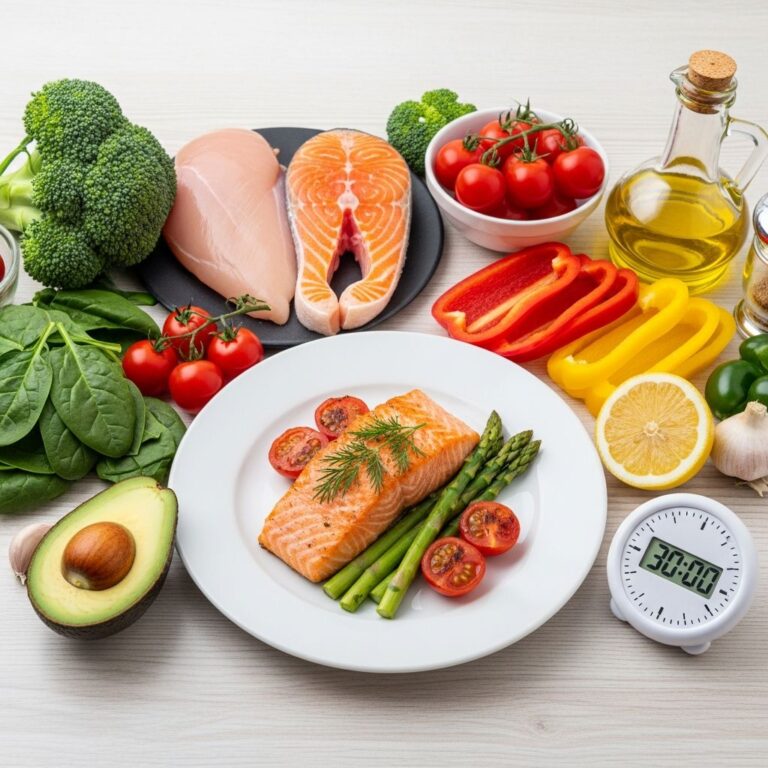
Prioritize high-quality proteins with complete amino acid profiles, especially leucine (>2–3 grams per serving).
Related Stories



| Source | Protein per 100g | Leucine (g) | Notes |
|---|---|---|---|
| Chicken Breast | 31g | 2.5 | Lean, versatile |
| Salmon | 25g | 2.0 | Omega-3 bonus |
| Whey Protein | 80g | 10+ | Fast-absorbing |
| Eggs (whole) | 13g | 1.1 | Bioavailable |
| Greek Yogurt | 10g | 1.0 | Probiotic-rich |
| Lentils (cooked) | 9g | 0.7 | Vegan option |
Aim for 25–30 grams animal/plant protein per meal. Vegans: Combine sources (rice + beans) and use supplements like pea/rice blends.
Supplements: Whey, Casein, or Plant-Based?
Whole foods first, but supplements fill gaps. Whey isolate excels post-workout; casein for sustained release.
- Whey: 20–30g post-training.
- Casein: 30–40g before bed.
- Plant-based: Soy or blends matching leucine needs.
No need for >2 scoops daily if diet hits targets.
Common Myths About Protein and Muscle
- Myth: You can only absorb 20–30g per meal. False—body utilizes more; excess supports other functions.
- Myth: High protein harms kidneys. Only risky for pre-existing conditions; healthy kidneys handle 3+g/kg fine.
- Myth: Carbs/fats unnecessary. Calories surplus needed; protein alone insufficient.
Sample High-Protein Meal Plan (2,500 Calories, 170g Protein)
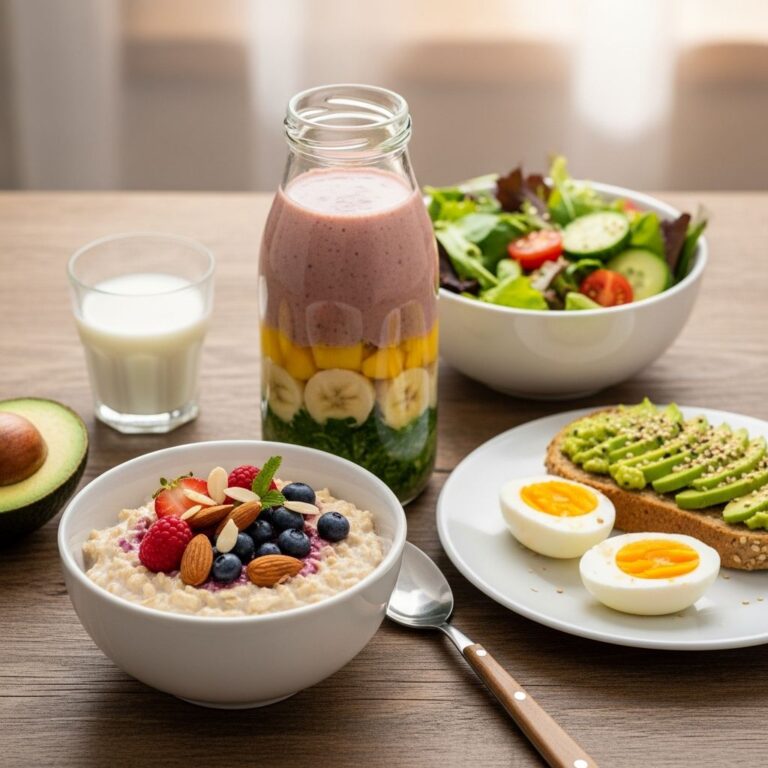
- Breakfast: 4 eggs + 1 cup egg whites (40g protein), oats.
- Snack: Greek yogurt + berries (25g).
- Lunch: 200g chicken breast, quinoa, veggies (50g).
- Post-workout: Whey shake (30g).
- Dinner: Salmon 150g, sweet potato (25g).
Adjust for your needs using apps like MyFitnessPal.
Factors Affecting Your Protein Needs
- Training volume: Higher frequency/volume = more protein.
- Body fat: Use lean body mass for obese individuals (1.6–2.2 g/kg LBM).
- Sex: Women may need slightly less due to lower muscle mass.
- Goals: Bulking > maintenance > cutting.
Frequently Asked Questions (FAQs)
What’s the minimum protein for muscle maintenance?
1.2–1.6 g/kg body weight daily with training.
Can I build muscle on a vegan diet?
Yes, with strategic plant proteins hitting 1.6+ g/kg and leucine thresholds.
Is 1g per pound of body weight necessary?
No—overkill for most; 0.7–1g/lb (1.6–2.2 g/kg) suffices.
How do I calculate protein for fat loss?
2.3–3.1 g/kg of goal body weight to preserve muscle.
Does alcohol affect protein utilization?
Yes—limit to support recovery and MPS.
References
- Systematic review and meta‐analysis of protein intake to support muscle mass and strength gains during resistance exercise training — Morton RW et al. PMC. 2022-04-11. https://pmc.ncbi.nlm.nih.gov/articles/PMC8978023/
- International Society of Sports Nutrition Position Stand: protein and exercise — Jager R et al. Journal of the International Society of Sports Nutrition. 2017-06-19. https://jissn.biomedcentral.com/articles/10.1186/s12970-017-0177-8
- Protein intake for optimal muscle maintenance — Academy of Nutrition and Dietetics. 2023-07-01. https://www.eatright.org/fitness/sports-and-athletic-performance/beginner-and-intermediate/protein-and-the-athlete
- Evidence-based recommendations for natural bodybuilding contest preparation — Helms ER et al. Journal of the International Society of Sports Nutrition. 2014-05-12. https://jissn.biomedcentral.com/articles/10.1186/1550-2783-11-20
- Dietary protein recommendations and the prevention of sarcopenia — Bauer J et al. Critical Reviews in Food Science and Nutrition. 2019-06-17. https://www.tandfonline.com/doi/full/10.1080/10408398.2019.1635840
Similar Articles








Read full bio of medha deb