How Much Protein To Lose Weight: 1.2-1.6g/kg + 5 Meal Ideas
Discover the optimal protein intake for effective weight loss, backed by science on satiety, muscle preservation, and long-term success.
Protein plays a crucial role in weight loss by promoting satiety, preserving lean muscle mass, and boosting metabolism. For effective weight management, aim for 1.2 to 1.6 grams of protein per kilogram of body weight daily, or about 25-30 grams per meal.
What Is Protein and Why Is It Important for Weight Loss?
Protein is an essential macronutrient made up of amino acids that serve as the building blocks for muscles, enzymes, hormones, and immune function. During weight loss, which often involves calorie restriction, protein helps counteract muscle loss—a common issue that can slow metabolism and make weight regain more likely.
Higher-protein diets improve body weight management by modulating energy metabolism, appetite, and energy intake. Clinical evidence shows they lead to greater weight loss, fat mass reduction, and preservation of lean mass compared to lower-protein diets. This is particularly evident in energy-restricted diets where protein comprises 25-30% of calories.
Protein also enhances satiety through elevated hormones like peptide YY and GLP-1, reducing hunger and subsequent calorie intake. A meta-analysis of controlled feeding studies confirms modest satiety effects post-protein meals, though effects on next-meal intake vary.
How Much Protein Should You Eat Per Day to Lose Weight?
The Recommended Dietary Allowance (RDA) for protein is 0.8 grams per kilogram of body weight (or 0.36 grams per pound) for sedentary adults, sufficient for basic needs but suboptimal for weight loss. For weight loss, experts recommend increasing to 1.2-1.6 g/kg body weight (0.54-0.73 g/lb), equating to 92-123 grams for a 170-pound person.
Distribute protein evenly: aim for 25-30 grams per meal to maximize muscle protein synthesis and satiety. Meal-specific dosing of ~0.4-0.55 g/kg per meal supports these benefits.
| Body Weight (lbs) | RDA (g/day) | Weight Loss Range (g/day) |
|---|---|---|
| 130 | 47 | 70-95 |
| 150 | 54 | 81-110 |
| 170 | 61 | 92-123 |
| 200 | 72 | 108-145 |
Data adapted from clinical guidelines; adjust for activity level and goals.
High-Protein Diet Meal Plan
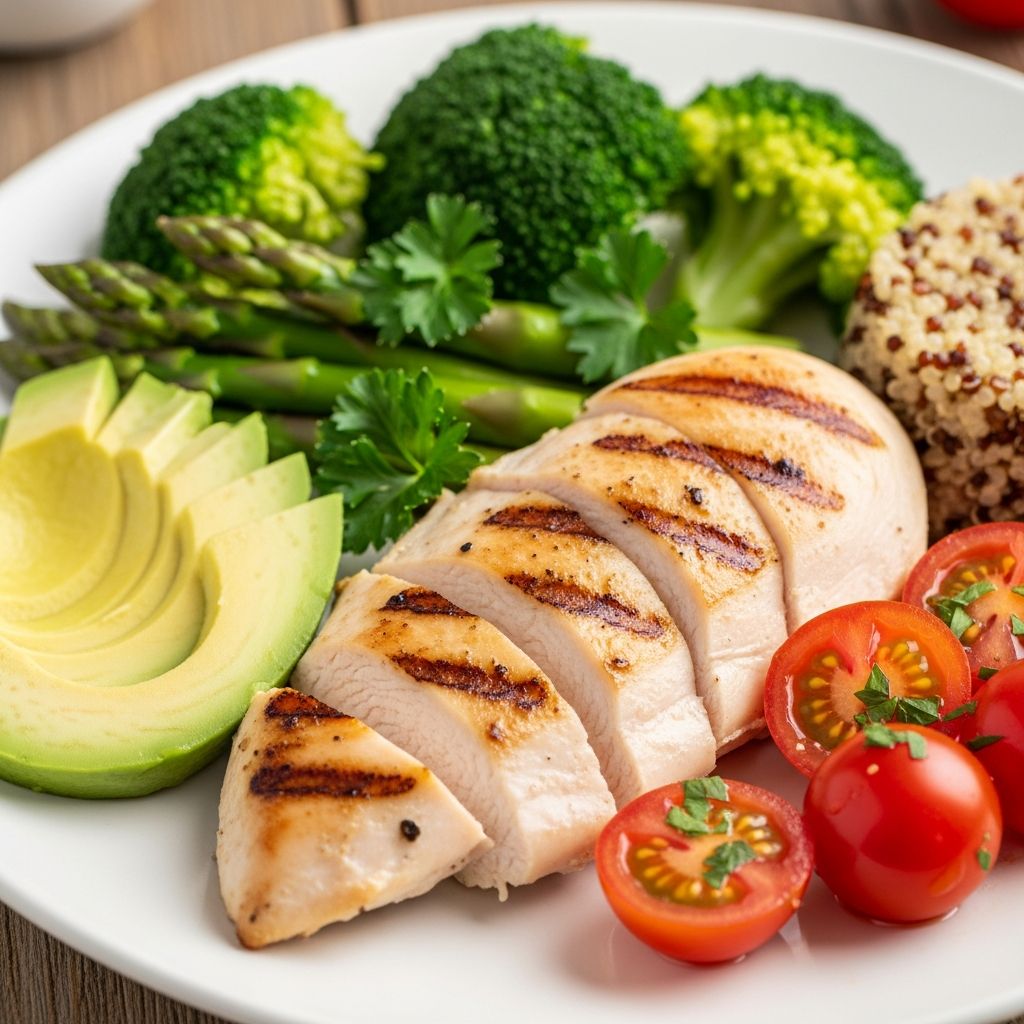
A sample 1,800-calorie high-protein meal plan (30% protein, ~135g/day) for weight loss:
- Breakfast: Greek yogurt parfait with 1 cup nonfat Greek yogurt (23g protein), berries, and 1/4 cup almonds (6g) – Total: 29g.
- Lunch: Grilled chicken salad (4oz chicken breast, 31g), mixed greens, veggies, 1 tbsp olive oil – Total: 35g.
- Snack: Apple with 1oz string cheese (7g) and a hard-boiled egg (6g) – Total: 13g.
- Dinner: Baked salmon (4oz, 25g), quinoa (8g), broccoli – Total: 33g.
- Evening Snack: Cottage cheese (1/2 cup low-fat, 14g) with cherry tomatoes – Total: 14g.
This plan promotes satiety while keeping calories in check. Customize based on preferences and track intake using apps.
Best High-Protein Foods for Weight Loss
Choose lean, nutrient-dense sources to maximize benefits without excess calories or saturated fat:
- Animal-based: Chicken breast (26g/3oz), turkey, fish like salmon/tuna (22-25g/3oz), eggs (6g each), Greek yogurt (20g/cup), cottage cheese (25g/cup).
- Plant-based: Lentils (18g/cup cooked), chickpeas, tofu (10g/1/2 cup), edamame (17g/cup), quinoa (8g/cup).
- Other: Protein powders (whey/casein/plant, 20-25g/scoop), nuts/seeds in moderation.
Prioritize whole foods over processed meats to avoid heart disease risks associated with high saturated fat intake.
Benefits of High-Protein Diets for Weight Loss
High-protein diets (20-30% calories from protein) offer multiple advantages:
Related Stories



- Increased Satiety: Protein reduces hunger hormones (ghrelin) and boosts fullness signals, leading to lower overall calorie intake.
- Muscle Preservation: During calorie deficits, higher protein (1.6g/kg) preserves lean mass, maintaining metabolic rate.
- Greater Fat Loss: Meta-analyses show superior fat mass reduction vs. standard diets, with body weight drops of 1-2kg more over 12 weeks.
- Improved Cardiometabolic Health: Reductions in triglycerides, blood pressure, and waist circumference.
- Thermic Effect: Protein digestion burns 20-30% of its calories, higher than carbs (5-10%) or fats (0-3%).
Potential Downsides and Risks of High-Protein Diets
While beneficial short-term, long-term high-protein intake (>2g/kg) has caveats:
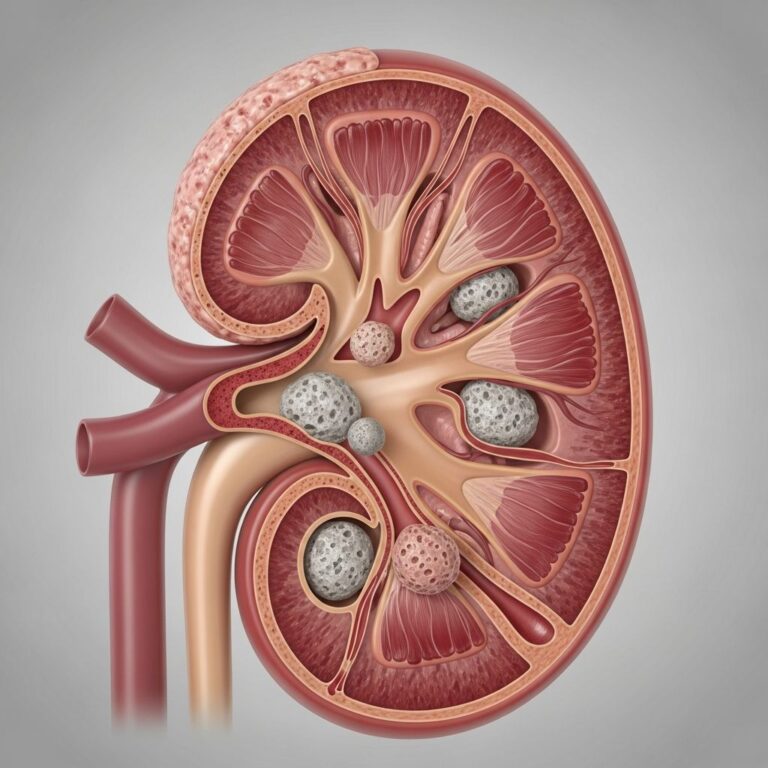
- Kidney Strain: May worsen function in those with pre-existing kidney disease due to increased waste (urea/ammonia).
- Nutrient Gaps: Very low-carb high-protein plans restrict fruits, veggies, grains, leading to fiber, vitamin, and mineral deficiencies; risks include constipation, fatigue.
- Heart Health: Reliance on red/processed meats raises LDL cholesterol and cardiovascular risk.
- Bone Health: Potential calcium loss if not balanced with veggies/fruits; evidence mixed.
- Sustainability: Compliance drops long-term; benefits seen only in adherents.
Healthy individuals can safely follow balanced high-protein diets (1.2-1.6g/kg) including all food groups.
Who Should Be Cautious with High-Protein Diets?
Certain groups should consult healthcare providers:
- People with kidney or liver disease.
- Pregnant/lactating women (needs vary).
- Those with gout (high purine foods).
- Athletes in extreme endurance training (may need more).
Monitor via bloodwork and adjust as needed.
Frequently Asked Questions (FAQs)
Can too much protein make you gain weight?
Excess calories from any source cause gain, but protein’s high satiety and thermic effect make overeating less likely. Stick to 1.6g/kg max for weight loss.
Is 100g protein enough for weight loss?
For a 150lb person, yes (0.54g/lb), but 110-120g optimizes results. Calculate personally.
Are plant proteins sufficient?
Yes, combine sources (e.g., beans + rice) for complete amino acids; slightly higher intake may be needed vs. animal.
How does protein help preserve muscle during weight loss?
It stimulates muscle protein synthesis, countering breakdown in calorie deficits; even distribution key.
What’s better: high-protein or low-carb for weight loss?
High-protein often outperforms via satiety; combine with moderate carbs for sustainability.
References
- The role of protein in weight loss and maintenance — Leidy HJ et al., American Journal of Clinical Nutrition. 2015-05-20. https://pubmed.ncbi.nlm.nih.gov/25926512/
- Dietary Protein and Weight Reduction — American Heart Association, Circulation. 2001-02-13. https://www.ahajournals.org/doi/10.1161/hc4001.096152
- High-protein diets: Are they safe? — Mayo Clinic Staff, Mayo Clinic. 2023-07-11. https://www.mayoclinic.org/healthy-lifestyle/nutrition-and-healthy-eating/expert-answers/high-protein-diets/faq-20058207
- Clinical Evidence and Mechanisms of High-Protein Diet-Induced Weight Loss — Journal of Obesity & Metabolic Syndrome. 2020-12-30. https://www.jomes.org/journal/view.html?doi=10.7570/jomes20028
Similar Articles








Read full bio of medha deb