How Much Toothpaste Should You Use: 3 Age-Based Amounts
Discover the right toothpaste amounts for adults and kids to prevent decay, ensure safety, and maximize fluoride benefits.
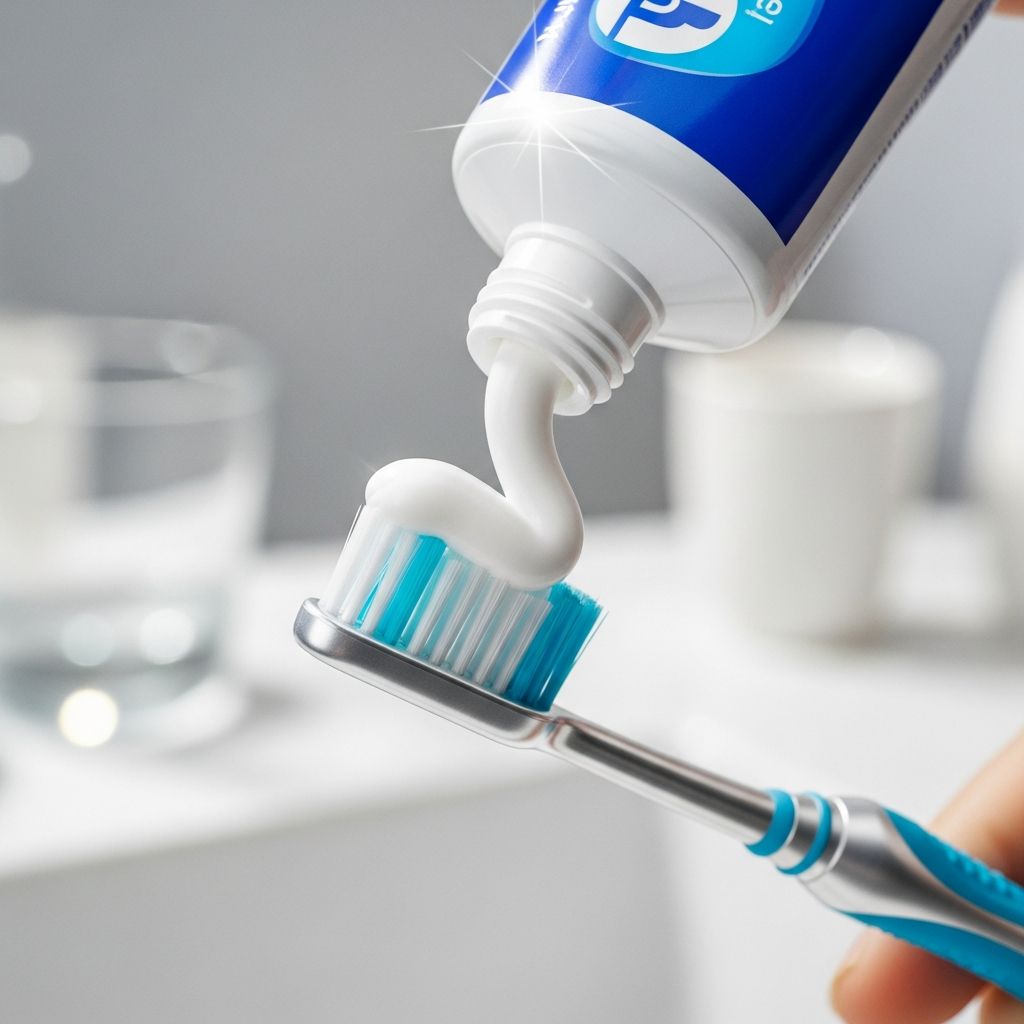
The right amount of toothpaste is crucial for effective cleaning and cavity prevention while avoiding overuse risks, especially in children. Guidelines from health authorities emphasize pea-sized or rice-grain portions depending on age to deliver optimal fluoride without excess ingestion.
Why Toothpaste Amount Matters
Toothpaste primarily works through fluoride, which strengthens enamel and fights decay-causing bacteria in plaque—a sticky film that builds on teeth if not removed. Using too much can lead to fluoride ingestion in kids, potentially causing fluorosis (mottled enamel), while too little reduces protection. Adults benefit from standard portions to ensure thorough coverage during two-minute brushing sessions.
Brushing twice daily with the correct amount removes plaque effectively, preventing gum disease and cavities. The NHS recommends fluoride toothpaste at 1,350 ppm for adults to maintain healthy teeth and gums.
How Much Toothpaste for Adults
Adults should use a
pea-sized amount
of toothpaste—about 0.25 grams or the size of a small pea—for each brushing session. This delivers sufficient fluoride without waste, as confirmed by dental experts.- A pea-sized dab covers the brush head adequately for all tooth surfaces.
- Place it on a soft- or medium-bristled brush with a small head for best reach.
- Avoid overloading like in ads; more paste doesn’t clean better and accelerates tube depletion.
Electric or manual brushes work equally well if technique is proper—hold at a 45-degree angle to gums and brush gently for two minutes.
How Much Toothpaste for Kids
Children require less to minimize swallowing risks. Amounts scale by age for safe fluoride delivery.
| Age Group | Recommended Amount | Fluoride Strength |
|---|---|---|
| 0-3 years | Rice grain or smear (tiny dab) | ≥1,000 ppm (or 1,350-1,500 ppm family paste) |
| 3-6 years | Pea-sized blob | 1,350-1,500 ppm |
| 6+ years | Pea-sized (adult amount) | 1,350-1,500 ppm |
Supervise kids under 7; they often swallow paste. No special ‘kids’ toothpaste needed—family fluoride paste suffices. Dentists may prescribe higher strengths for high-risk cases.
The Importance of Fluoride in Toothpaste
**Fluoride** is the star ingredient, remineralizing enamel and inhibiting bacteria. All ADA Seal toothpastes for cavity protection contain it.
- Strengthens teeth against acid attacks from plaque bacteria.
- Reduces decay risk by up to 25% with regular use.
- Adults: Minimum 1,350 ppm; check labels.
Other ingredients include detergents for foaming, humectants to prevent drying, and flavors without sugar. Look for ADA Seal for safety and efficacy verification.
Types of Toothpaste to Consider
Beyond standard cavity fighters, specialized formulas address specific needs.
- Whitening: Polishing agents remove surface stains safely.
- Sensitivity: Potassium nitrate or stannous fluoride blocks dentin tubules.
- Tartar Control: Reduces buildup along gumline.
- Multicavity: Includes anti-gingivitis agents like stannous fluoride.
- Natural/Holistic: Fewer synthetics, but ensure fluoride presence.
Not all exceed 2,500 RDA (relative dentin abrasivity) for safe lifelong use. Professional cleanings remove tartar brushing can’t.
Step-by-Step Brushing Technique
Proper method maximizes toothpaste efficacy.
- Wet brush lightly; apply recommended amount.
- Hold at 45 degrees to gums; use short, circular strokes.
- Clean outer, inner, and chewing surfaces—all take two minutes.
- Brush tongue for fresh breath.
- Spit, don’t rinse—to retain fluoride film.
Related Stories



Floss first: Wrap 30-45cm floss in C-shape around teeth, slide gently. Mouthwash later, not immediately post-brush.
Common Toothpaste Mistakes to Avoid
Many err in ways that undermine benefits.
- Overloading brush: Wastes paste, risks fluorosis in kids.
- Rinsing immediately: Washes away protective fluoride.
- Skipping supervision: Kids under 7 need help.
- Ignoring labels: Wrong fluoride ppm leads to under- or over-protection.
- Not brushing 2 minutes: Insufficient time for plaque removal.
Don’t eat/drink 30 minutes post-fluoride mouthwash.
Choosing the Right Toothbrush
Pair toothpaste with a suitable brush.
- Small head, angled soft/medium round-end bristles.
- Electric aids thoroughness for some.
- Replace every 3 months or when frayed.
Dental pros tailor advice to your needs.
Frequently Asked Questions (FAQs)
Is a pea-sized amount enough for adults?
Yes, a pea-sized dab provides optimal fluoride without excess; more isn’t better.
Can kids use adult toothpaste?
Yes, family 1,350-1,500 ppm fluoride paste works for all ages with age-appropriate amounts.
Should I rinse after brushing?
No, spit only—rinsing dilutes fluoride benefits.
What if my child swallows toothpaste?
Use smears/peas and supervise; contact dentist if concerned about excess fluoride.
Does electric toothbrush need more paste?
No, same pea-sized amount; focus on technique.
What’s the ADA Seal mean?
It verifies safety, fluoride efficacy, and claims like whitening.
Mastering toothpaste amounts elevates your routine. Consult dentists for personalized advice, especially with sensitivities or decay risks.
References
- How to keep your teeth clean — NHS. 2023-10-01. https://www.nhs.uk/live-well/healthy-teeth-and-gums/how-to-keep-your-teeth-clean/
- The Ultimate Toothpaste Guide — Family Dental Health. 2024-05-15. https://fdhealth.com/the-ultimate-toothpaste-guide/
- Toothpastes — American Dental Association. 2025-01-10. https://www.ada.org/resources/ada-library/oral-health-topics/toothpastes
- How Much Toothpaste Should I Use? — Oclean. 2024-08-20. https://www.oclean.com/blogs/oral-care/how-much-toothpaste-should-i-use
- Toothpaste — MouthHealthy (ADA). 2024-11-05. https://www.mouthhealthy.org/all-topics-a-z/toothpaste
Similar Articles








Read full bio of Sneha Tete