How Much Vitamin D Is Too Much? Symptoms, Risks, Treatment
Discover the safe limits for vitamin D intake, signs of toxicity, and how to avoid hypervitaminosis D for optimal health.
Vitamin D is essential for bone health, immune function, and calcium absorption, but excessive intake can lead to toxicity known as hypervitaminosis D. Toxicity is rare and typically results from high-dose supplements rather than diet or sun exposure, with symptoms primarily stemming from hypercalcemia.
What Is Vitamin D Toxicity?
Vitamin D toxicity, or hypervitaminosis D, occurs when excessive vitamin D causes dangerously high blood calcium levels, called
hypercalcemia
. This condition disrupts normal bodily functions and can lead to severe health issues if untreated.Symptomatic cases are uncommon; a 16-year retrospective study of over 73,000 patients found only 0.12% had 25(OH)D levels above 120 ng/mL, with just four showing symptoms, mostly from dosing errors.
The body regulates vitamin D from sun exposure effectively, preventing overdose this way. Food sources like fatty fish or fortified milk rarely contribute to excess.
Symptoms of Too Much Vitamin D
Primary symptoms arise from hypercalcemia and include:
- Nausea, vomiting, and abdominal pain
- Weakness, fatigue, and confusion
- Frequent urination (polyuria) and excessive thirst (polydipsia)
- Dehydration and constipation
- Bone pain and kidney problems, such as stones
- In severe cases, apathy, recurrent vomiting, or cardiac arrhythmias
These mimic other conditions, so blood tests measuring 25(OH)D and calcium are crucial for diagnosis. Elevated 25(OH)D does not always correlate strongly with symptoms or hypercalcemia.
How Much Vitamin D Is Too Much?
Safe intake levels are established by health authorities. The National Institutes of Health (NIH) sets the Recommended Dietary Allowance (RDA) and Tolerable Upper Intake Level (UL):
| Age Group | RDA (IU/day) | UL (IU/day) |
|---|---|---|
| Infants (0-12 months) | 400 | 1,000-1,500 |
| Children (1-3 years) | 600 | 2,500 |
| Children (4-8 years) | 600 | 3,000 |
| 9-70 years | 600 | 4,000 |
| >70 years | 800 | 4,000 |
| Pregnant/Lactating | 600 | 4,000 |
Data from NIH Office of Dietary Supplements. Toxicity generally requires sustained doses above 10,000 IU/day, leading to serum 25(OH)D >150 ng/mL.
Reference ranges for 25(OH)D vary: normal 20-50 ng/mL, potential toxicity above 100-120 ng/mL, though symptoms are rare below 150 ng/mL.
Causes of Vitamin D Toxicity
Most cases stem from supplements, not natural sources:
- High-dose supplements: Doses like 50,000 IU/day are common in toxicity cases.
- Liquid formulations: Dosing errors, e.g., confusing ‘drop’ with ‘dropperful,’ caused pediatric overdoses requiring hospitalization.
- Manufacturing errors: Rare issues in fortified products or prescriptions.
- Endogenous overproduction: In granulomatous diseases (e.g., sarcoidosis) or lymphomas, where extra-renal 1,25(OH)2D production hypersensitizes patients.
Over-the-counter megadoses and self-supplementation without medical advice increase risk.
Who Is at Risk for Vitamin D Overdose?
While rare, certain groups face higher risks:
- Individuals taking prescription high-dose vitamin D (e.g., for deficiency).
- Children, due to liquid dosing mistakes.
- Patients with granuloma-forming disorders like sarcoidosis, tuberculosis, or lymphomas.
- Those with idiopathic infantile hypercalcemia, hypersensitive to vitamin D.
- Elderly on long-term high monthly doses (e.g., 60,000 IU), linked to falls.
A study showed only 1.05% of tested patients exceeded 80 ng/mL 25(OH)D, emphasizing rarity.
Effects of Vitamin D Overdose
Beyond immediate symptoms, chronic excess harms:
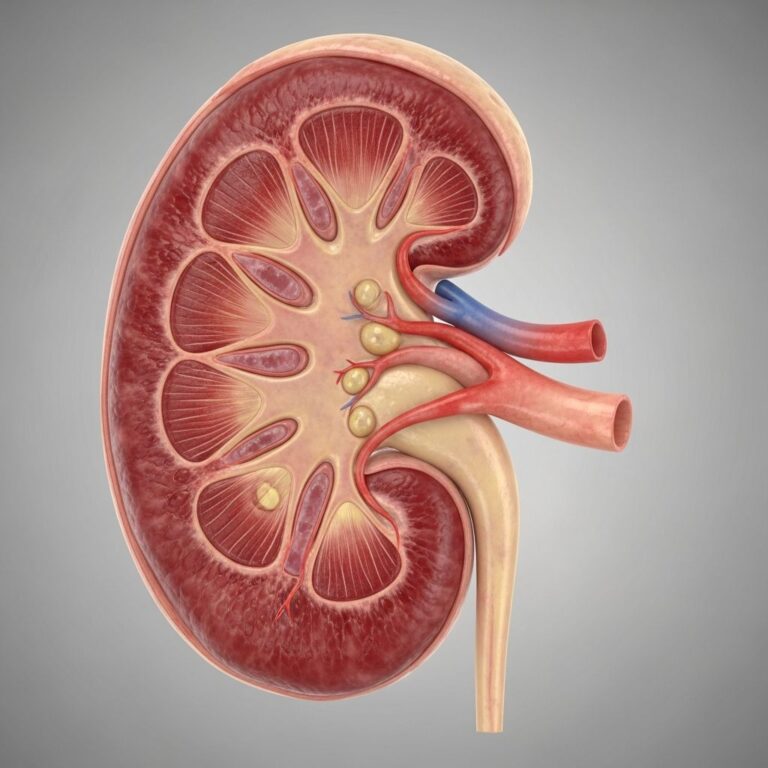
- Kidney damage: Stones, acute injury from calcium deposits.
- Bone issues: Paradoxical weakening despite vitamin D’s role in health.
- Cardiovascular strain: Arrhythmias from hypercalcemia.
- Potential long-term risks: Studies suggest elevated 25(OH)D >50 ng/mL may raise all-cause mortality, cancer, or fall risks, though causal links need more research.
Related Stories



Toxicity from vitamin D2/D3 is harder to treat due to long half-life in fat tissues.
Treatment for Vitamin D Toxicity
Treatment focuses on stopping intake and managing hypercalcemia:
- Discontinue all vitamin D supplements and fortified foods.
- Intravenous fluids for hydration and to promote calcium excretion.
- Medications like corticosteroids, bisphosphonates, or calcitonin to lower calcium.
- Dialysis in severe cases.
- Monitor 25(OH)D and calcium levels; recovery can take months due to storage in fat.
Early intervention prevents complications; most recover fully.
Prevention: Staying Within Safe Limits
To avoid toxicity:
- Get vitamin D levels tested before high-dose supplementation.
- Follow RDA/UL guidelines; consult doctors for personalized needs.
- Use drops carefully in children; verify dosing instructions.
- Prefer D3 over D2 for supplementation when prescribed.
- Balance with sun exposure and diet: fatty fish, eggs, fortified dairy.
Sunlight and food rarely cause overdose due to built-in regulation.
Frequently Asked Questions (FAQs)
Can you get vitamin D toxicity from the sun?
No, the body regulates sun-derived vitamin D production to prevent excess.
What is a dangerous vitamin D level?
Levels above 100-150 ng/mL 25(OH)D raise toxicity risk, especially with hypercalcemia.
How much vitamin D is safe daily?
RDA is 600-800 IU for adults; UL is 4,000 IU. Exceed 10,000 IU/day risks toxicity.
Is vitamin D toxicity reversible?
Yes, with prompt treatment by stopping intake and managing calcium levels.
Who should avoid high-dose vitamin D supplements?
Those with granulomatous diseases, kidney issues, or on high doses without monitoring.
References
- Vitamin D Toxicity: A 16-Year Retrospective Study at an Academic Medical Center — Nguyet M. et al. Laboratory Medicine. 2018-04-01. https://academic.oup.com/labmed/article/49/2/123/4807321
- Vitamin D Toxicity–A Clinical Perspective — Marcin Kacprzak. Frontiers in Endocrinology. 2018-11-08. https://www.frontiersin.org/journals/endocrinology/articles/10.3389/fendo.2018.00550/full
- Vitamin D toxicity: What if you get too much? — Mayo Clinic Staff. Mayo Clinic. 2023-08-23. https://www.mayoclinic.org/healthy-lifestyle/nutrition-and-healthy-eating/expert-answers/vitamin-d-toxicity/faq-20058108
- Vitamin D – Health Professional Fact Sheet — NIH Office of Dietary Supplements. National Institutes of Health. 2024-04-23. https://ods.od.nih.gov/factsheets/VitaminD-HealthProfessional/
- Hypervitaminosis D — MedlinePlus Medical Encyclopedia. U.S. National Library of Medicine. 2023-10-01. https://medlineplus.gov/ency/article/001594.htm
Similar Articles








Read full bio of Sneha Tete