How Much Water Do You Need: Complete Guide To Daily Hydration
Daily hydration guide: Learn personalized water intake recommendations based on age, sex, and lifestyle.
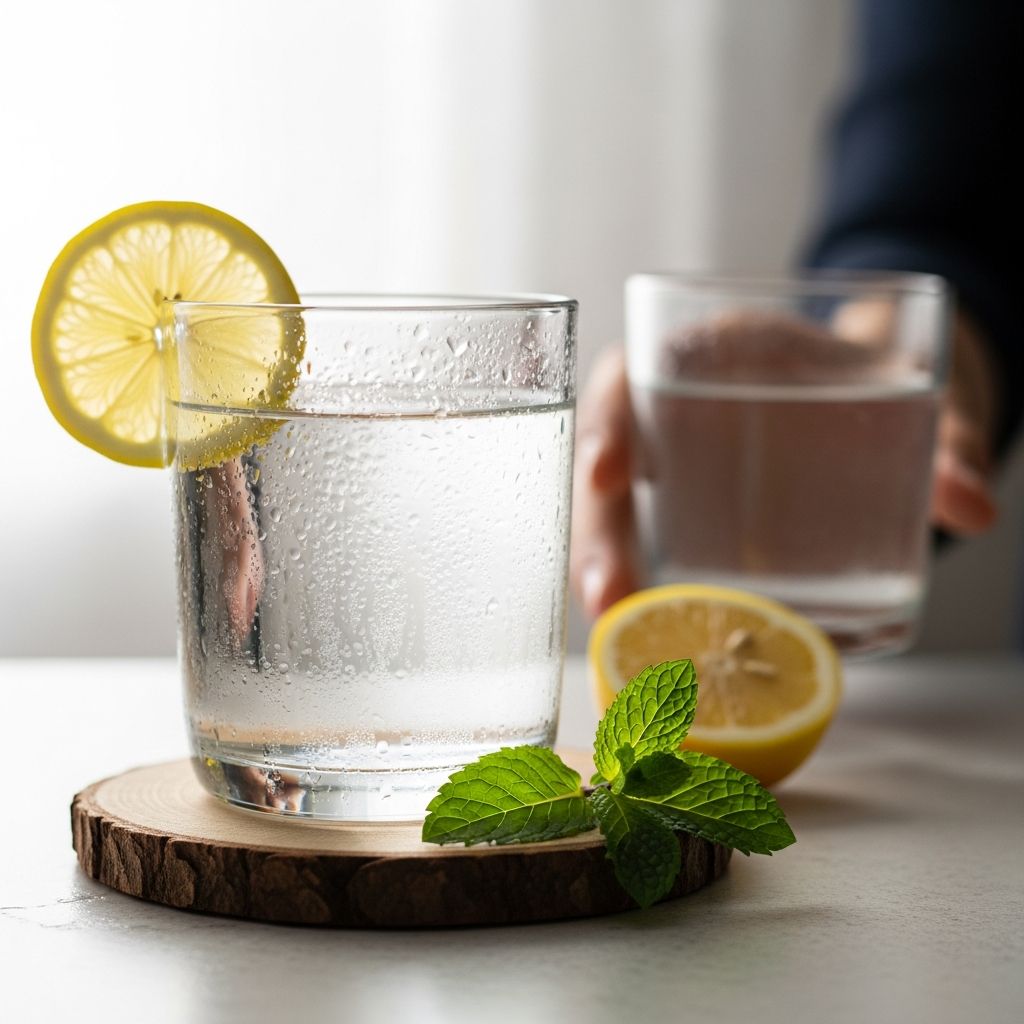
Water is fundamental to human health and survival. It plays a critical role in virtually every bodily function, from regulating temperature and lubricating joints to supporting digestion and nutrient transport. Despite its importance, many people struggle to determine exactly how much water they should consume daily. The answer is more nuanced than the popular “8 by 8” rule suggests, as hydration needs vary significantly based on individual characteristics and circumstances.
The 8 x 8 Rule: Myth vs. Reality
One of the most widely circulated pieces of health advice is the “8 by 8 rule,” which recommends drinking eight 8-ounce glasses of water daily, totaling 64 ounces. While this guideline is easy to remember and has become culturally embedded in health consciousness, it lacks strong scientific foundation. The recommendation originated decades ago without robust clinical evidence supporting its universal application. However, it does serve as a reasonable starting point for many people, particularly those with average activity levels living in temperate climates.
The reality of hydration is that one-size-fits-all recommendations fail to account for the significant variation in individual water needs. Factors including age, sex, activity level, climate, overall health status, and even diet substantially influence how much fluid your body requires. Understanding these factors allows you to tailor hydration to your specific circumstances rather than blindly following generic guidelines.
Recommended Daily Water Intake
Official recommendations from the U.S. National Academies of Sciences, Engineering, and Medicine provide evidence-based guidelines for adequate daily fluid intake in generally healthy adults. These recommendations account for total water consumption from all sources, including beverages and water-containing foods.
| Population | Total Daily Water | Daily Fluid from Beverages |
|---|---|---|
| Adult Women | 11.5 cups (2.7 liters) | 9 cups |
| Adult Men | 15.5 cups (3.7 liters) | 13 cups |
These figures represent total fluid intake from all sources. Importantly, approximately 20% of your daily water intake typically comes from the foods you eat, while the remaining 80% comes from beverages. This distinction matters because it means you don’t need to drink all your water requirements in pure water form; fruits, vegetables, milk, and other beverages contribute meaningfully to your hydration status.
Factors That Influence Your Water Needs
Individual hydration requirements are highly personalized. Several key factors determine how much water you need to maintain optimal health and bodily function.
Age and Sex
Age and biological sex significantly impact fluid requirements. The recommendations cited above provide baseline standards for adult women and men. However, children have different needs based on their developmental stage and body size. Additionally, women experience increased fluid requirements during pregnancy and breastfeeding, with nursing mothers needing approximately 16 cups of water daily to compensate for fluid loss through milk production.
Activity Level
Physical activity substantially increases your water needs. When you exercise, you lose fluids through perspiration, and your muscles require adequate hydration to function optimally. Athletes and individuals engaging in regular intense exercise need significantly more water than sedentary people. The amount depends on exercise intensity, duration, and environmental conditions.
Related Stories



Climate and Environmental Conditions
Living or working in hot climates dramatically increases fluid losses through perspiration. Similarly, high altitude, low humidity, and heated indoor environments all accelerate water loss from your body. People in these conditions must consciously increase their fluid intake to maintain hydration.
Health Status and Medical Conditions
Certain health conditions dramatically alter fluid requirements. Individuals with congestive heart failure, renal disease, or metabolic conditions have specialized fluid needs that differ from general population recommendations. Similarly, people experiencing serious infections, diarrhea, or vomiting lose fluids rapidly and require increased intake to prevent dehydration. Additionally, medications such as diuretics increase fluid losses and necessitate higher water consumption.
Pregnancy and Breastfeeding
Pregnant and nursing women have elevated fluid needs to support fetal development and milk production. Healthcare providers should provide individualized recommendations for these populations, as their fluid requirements exceed standard guidelines.
Sources of Water: Beyond Pure Water
While water is the ideal beverage for hydration, many other sources contribute to your daily fluid intake. Understanding diverse hydration sources allows for flexible, sustainable approaches to meeting your fluid needs.
Beverages
Numerous drinks contribute meaningfully to daily fluid intake. Water remains the best choice due to its lack of added sugars and calories, but milk, tea, coffee, and juice also count toward hydration goals. However, beverages with added sugars should be limited due to health concerns associated with excessive sugar consumption. While caffeine-containing beverages like coffee and tea have mild diuretic effects, they still contribute net fluid to your body.
Sparkling water offers a refreshing alternative to plain water for those seeking variety. Fat-free milk provides hydration plus valuable nutrients including calcium and protein. For those who struggle with plain water, adding fresh lemon or orange slices can enhance palatability and encourage greater consumption.
Water-Rich Foods
Fruits and vegetables provide substantial amounts of water alongside vitamins, minerals, and fiber. These foods should form a cornerstone of your hydration strategy, as they deliver fluids plus nutritional benefits.
High Water Content Foods (90-100% water):
- Fruits: Cantaloupe, strawberries, watermelon
- Vegetables: Lettuce, cabbage, celery, spinach, cooked squash
- Beverages: Water, sparkling water, fat-free milk
Moderate-High Water Content Foods (70-89% water):
- Fruits: Bananas, grapes, oranges, pears, pineapples
- Vegetables: Carrots, broccoli, avocados
- Dairy products: Yogurt, cottage cheese, ricotta cheese
Incorporating these water-rich foods into your daily diet naturally supports hydration while providing essential nutrients that support overall health.
Practical Strategies to Stay Hydrated
Listen to Your Body
Thirst is an important signal that your body needs fluids. While you shouldn’t rely solely on thirst, especially during intense activity, honoring your thirst cues generally guides you toward adequate hydration. People who are active or live in hot climates should pay particular attention to thirst signals and drink proactively rather than waiting until significantly thirsty.
Monitor Urine Color
Your urine provides valuable information about hydration status. Pale yellow or colorless urine generally indicates adequate hydration, while dark urine suggests you need more fluids. This simple self-assessment tool allows you to adjust your intake based on objective feedback throughout the day.
Drink Water with Meals and Throughout the Day
Rather than attempting to drink large volumes at once, distribute your fluid intake evenly throughout the day. Consuming water with meals provides hydration while supporting digestion. Sipping water between meals maintains steady fluid levels. This approach is more sustainable than trying to compensate by drinking large amounts at specific times.
Prioritize Water Over Sugary Beverages
Replace soda, energy drinks, and other high-sugar beverages with water or other unsweetened drinks. While these sugary options contribute fluid, they also deliver excessive calories and added sugars without nutritional benefit. Making water your default beverage supports both hydration and overall health.
Increase Intake Around Exercise
Drink water before, during, and after physical activity. During exercise, aim to drink one-half to 1 cup of fluid every 15 to 20 minutes, adjusting based on intensity and environmental conditions. After exercise, consume at least 2 cups of fluid per pound of body weight lost during the activity to ensure complete rehydration.
Signs of Adequate Hydration
Beyond monitoring urine color, several indicators suggest you’re meeting your fluid needs:
- You rarely experience thirst throughout the day
- Your urine is colorless or light yellow in color
- You maintain consistent energy levels and cognitive function
- Your skin maintains normal elasticity and appearance
- You experience no unusual fatigue or headaches
If you frequently feel thirsty, experience dark urine, notice decreased energy, or have difficulty concentrating, these may signal inadequate fluid intake and warrant increased consumption.
When to Seek Professional Guidance
While general recommendations provide a starting point, individual circumstances often require personalized advice. A registered dietitian nutritionist (RDN) can assess your specific health status, lifestyle, medications, and goals to provide tailored recommendations. Healthcare providers can also adjust recommendations if you have medical conditions affecting fluid balance, take medications influencing hydration, or have other concerns about your current intake.
The Academy of Nutrition and Dietetics offers tools to help locate credentialed nutrition professionals in your area who can provide expert guidance on meeting your individual hydration needs.
Frequently Asked Questions
Q: Is the 8 x 8 rule scientifically proven?
A: No, the 8 by 8 rule (eight 8-ounce glasses daily) is a simplified recommendation that lacks strong scientific foundation. While it serves as an easy-to-remember guideline and works reasonably well for many people, official recommendations from the National Academies provide more evidence-based targets that account for individual variations.
Q: Does all my water need to come from drinking water?
A: No. Approximately 20% of daily water intake comes from food, particularly fruits and vegetables with high water content. This means you can meet your hydration needs through a combination of water, other beverages, and water-rich foods.
Q: Do caffeinated beverages count toward hydration?
A: Yes, caffeinated beverages like coffee and tea contribute to your daily fluid intake despite having mild diuretic effects. However, limit your caffeine consumption, and prioritize water as your main beverage choice.
Q: How much water do children need?
A: Children’s fluid needs vary by age. For ages 4-8, both boys and girls need 7 cups daily; ages 9-13 need 9-10 cups; ages 14-18 need 10-14 cups depending on sex. Like adults, these recommendations include fluids from all sources.
Q: What if I have a medical condition affecting fluid needs?
A: Conditions like heart disease, kidney disease, or those requiring diuretic medications significantly alter fluid requirements. Consult your healthcare provider or a registered dietitian for personalized recommendations based on your specific condition.
Q: How do I know if I’m drinking enough water?
A: Check your urine color (pale yellow indicates adequate hydration), monitor your thirst cues, and assess your energy and cognitive function. If your urine is dark or you feel fatigued and thirsty, increase your intake.
References
- How Much Water Do You Need? — Academy of Nutrition and Dietetics. 2024. https://www.eatright.org/health/essential-nutrients/water/how-much-water-do-you-need
- Water: How much should you drink every day? — Mayo Clinic. 2024. https://www.mayoclinic.org/healthy-lifestyle/nutrition-and-healthy-eating/in-depth/water/art-20044256
- Summer Hydration — Mid-Ohio Valley Health Department. 2009. https://eatrightwv.org/releases/PR-SummerHydration07-24-09.pdf
- How Much Water You Should Drink Every Day — Cleveland Clinic. 2024. https://health.clevelandclinic.org/how-much-water-do-you-need-daily
- Water: How Much Do Kids Need? — Academy of Nutrition and Dietetics. 2024. https://www.eatright.org/health/essential-nutrients/water/water-how-much-do-kids-need
- Nursing Your Baby — What You Eat and Drink Matters — Academy of Nutrition and Dietetics. 2024. https://www.eatright.org/health/pregnancy/breastfeeding-and-formula/nursing-your-baby-what-you-eat-and-drink-matters
Similar Articles








Read full bio of medha deb