How Much Water Do You Need If You Have Diabetes?
Discover why hydration is crucial for diabetes management and learn personalized daily water intake guidelines.
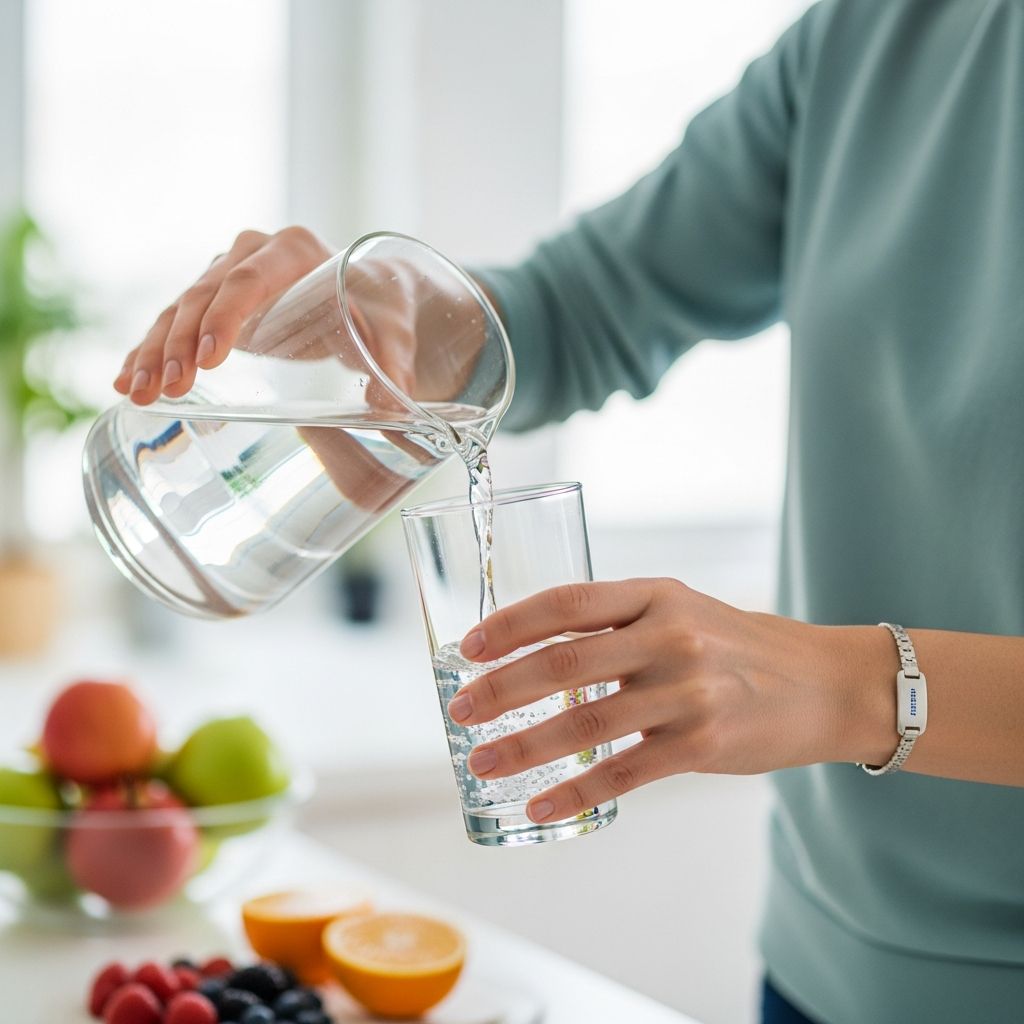
Managing diabetes requires attention to diet, exercise, medication, and hydration. For individuals with diabetes, staying properly hydrated is essential because dehydration can elevate blood glucose levels, complicating control. This article explores recommended water intake, the science behind hydration’s role in diabetes, signs of dehydration, optimal drinks, and practical strategies to meet your needs.
Why Hydration Matters More for People with Diabetes
Dehydration occurs when your body loses more fluids than it takes in, leading to concentrated blood glucose. In diabetes, high blood sugar (hyperglycemia) prompts the kidneys to excrete excess glucose through urine, pulling water from the body and causing frequent urination—a cycle known as polyuria. This increases dehydration risk, which in turn worsens hyperglycemia as blood volume drops and glucose concentration rises.
Research shows that adequate water intake helps dilute blood glucose, supports kidney function to flush excess sugar, and prevents complications like fatigue, headaches, and even long-term kidney damage. A study found that proper hydration significantly improves glucose regulation in type 2 diabetes patients compared to low intake. Systematic reviews confirm higher water consumption correlates with reduced type 2 diabetes risk, underscoring hydration as a preventive and management tool.
The U.S. National Academies recommend about 125 ounces (3.7 liters or 15.5 cups) daily for men and 91 ounces (2.7 liters or 11.5 cups) for women from all sources, including food. About 20% of hydration comes from water-rich foods like fruits and vegetables. For diabetes, these baselines adjust upward during high glucose, exercise, heat, or illness.
How Much Water Should You Drink Daily with Diabetes?
There is no universal amount; needs vary by age, sex, activity, climate, and glucose control. General guidelines suggest:
- Men: 15.5 cups (124 ounces or 3.7 liters) total fluids daily.
- Women: 11.5 cups (91 ounces or 2.7 liters) total fluids daily.
- With type 1 or type 2 diabetes: 6-8 glasses (1.5-2 liters) of water as a minimum, increasing if active or in hot weather.
Avoid the outdated ‘8×8 rule’ (eight 8-ounce glasses); evidence supports personalized intake over rigid rules. Monitor urine color—pale yellow indicates good hydration—and thirst as cues. High glucose readings signal the need for more water to dilute and excrete sugar. Apps can track intake, reminding you hourly.
| Factor | Baseline Intake | Adjusted for Diabetes |
|---|---|---|
| Men | 15.5 cups (3.7L) | +1-2 cups if glucose > target or exercising |
| Women | 11.5 cups (2.7L) | +1 cup if dehydrated signs appear |
| Active/Hot Weather | +20-30% | Extra to replace sweat losses |
| High Blood Sugar | Baseline | Drink until glucose stabilizes |
Consult your doctor for personalized targets, especially with kidney issues.
Signs of Dehydration in Diabetes
Diabetes heightens dehydration risk due to osmotic diuresis from hyperglycemia. Watch for:
- Increased thirst and dry mouth, worsened by heat or exercise.
- Dark urine or reduced frequency.
- Headaches, fatigue, dizziness, or light-headedness.
- High blood glucose readings.
- Confusion or rapid heartbeat in severe cases.
Thirst signals mild dehydration; act promptly to prevent escalation. Regular glucose monitoring pairs well with hydration checks.
Related Stories



Best Drinks for People with Diabetes
Plain water is ideal—zero carbs, calories, and it directly aids glucose regulation without spikes. Enhance if needed:
- Infused water: Slices of lemon, lime, cucumber, or berries for flavor.
- Unsweetened teas/coffees: Add stevia or monk fruit.
- Unsweetened kombucha or sparkling water.
- Low-sugar milks: Almond, soy (limit to 1 cup daily).
Avoid sugary drinks like soda, juice, or energy drinks, which spike glucose. For hypoglycemia, use glucose tabs over high-sugar beverages. Non-alcoholic options like herbal teas count toward intake.
Foods That Help with Hydration
Don’t overlook food sources—20% of water comes from diet. Prioritize low-carb, high-water foods:
- Watermelon (92% water, low glycemic).
- Cucumbers, celery, zucchini.
- Lettuce, strawberries, oranges (in moderation).
Incorporate into salads, snacks, or meals for dual hydration and nutrition benefits.
Tips for Staying Hydrated with Diabetes
Consistency is key. Implement these strategies:
- Start your day with water: Drink a glass upon waking and before meals.
- Carry a reusable bottle: Refill often; aim for marked measurements.
- Set reminders: Use apps or alarms for sips every hour.
- Flavor creatively: Infuse with fruits/herbs or add electrolyte packets (sugar-free).
- Hydrate during activity: Extra before, during, after exercise.
- Monitor glucose: Increase intake if elevated.
- Eat water-rich foods: Boost overall intake passively.
Track progress with urine color charts or apps.
Can You Drink Too Much Water with Diabetes?
Yes, overhydration risks hyponatremia (low sodium), diluting electrolytes. Your body is ~60% water; balance is crucial. Symptoms include nausea, seizures. Stick to thirst-guided intake; kidneys handle excess normally unless impaired. Those on fluid restrictions (e.g., heart/kidney failure) should follow medical advice.
Frequently Asked Questions (FAQs)
What is the daily water recommendation for diabetics?
Men: ~15.5 cups (3.7L); women: ~11.5 cups (2.7L) total fluids, adjusted for activity and glucose levels.
Does dehydration raise blood sugar?
Yes, it concentrates glucose in reduced blood volume.
What drinks are safe for diabetes?
Water, unsweetened tea, infused water, low-sugar alternatives.
How do I know if I’m dehydrated?
Thirst, dry mouth, dark urine, fatigue, high glucose.
Can too much water harm diabetics?
Possible hyponatremia; hydrate sensibly.
Final Thoughts on Hydration and Diabetes Management
Hydration supports stable glucose, energy, and complication prevention. Tailor intake to your needs, monitor closely, and integrate with your diabetes plan. Small, consistent habits yield big results.
References
- How Much Water Should You Drink If You Have Diabetes? — GoodRx. 2023. https://www.goodrx.com/conditions/diabetes/how-much-water-should-a-diabetic-drink-daily
- Hydration and type 1 diabetes – what to drink — Omnipod. 2024. https://www.omnipod.com/en-gb/diabetes-hub/learning-center/nutrition-and-diet/hydration-and-diabetes
- To manage your diabetes, staying hydrated is key — Walgreens Blog. 2023. https://blog.walgreens.com/health/diabetes/to-manage-your-diabetes-staying-hydrated-is-key.html
- Watering down diabetes — ASU News. 2019-05-14. https://news.asu.edu/20190514-discoveries-watering-down-diabetes
- Water intake and risk of type 2 diabetes: A systematic review — PubMed (Diabetes India). 2021-07. https://pubmed.ncbi.nlm.nih.gov/34186361/
- Tips for drinking more water — Mayo Clinic Health System. 2023. https://www.mayoclinichealthsystem.org/hometown-health/speaking-of-health/tips-for-drinking-more-water
- Why You Should Drink More Water — American Diabetes Association. 2024. https://diabetes.org/food-nutrition/eating-healthy/why-drink-more-water
Similar Articles








Read full bio of medha deb