How Much Water Should You Drink Daily? 8 Age-Based Targets
Discover the right daily water intake for optimal health and hydration.
How Much Water Should You Drink Daily?
Water is fundamental to human health and survival. It serves as the foundation for virtually every bodily function, from regulating temperature to facilitating nutrient transport and supporting cognitive performance. Despite its importance, confusion persists about how much water people actually need to consume each day. The popular “eight glasses a day” rule has become deeply ingrained in health culture, yet scientific evidence suggests that optimal water intake varies considerably from person to person based on numerous individual factors.
Understanding Water’s Role in the Body
Water comprises approximately 60% of an adult’s body weight and is essential for maintaining optimal health at every age. This vital fluid serves multiple critical functions within the body. Fluids carry essential nutrients to your cells, ensuring that your body receives the vitamins and minerals necessary for proper functioning. Water also works to push bacteria from your bladder, reducing the risk of urinary tract infections. Additionally, staying adequately hydrated prevents dehydration, a condition that can lead to fatigue, cognitive impairment, and various health complications.
Beyond these basic functions, proper hydration regulates body temperature through perspiration and respiration, keeps joints lubricated for smooth movement, delivers oxygen to cells, aids digestion, and helps maintain organ function. Being well-hydrated also improves sleep quality, enhances cognitive function, and positively influences mood and emotional well-being.
General Recommendations for Daily Water Intake
Rather than adhering to the oversimplified “eight glasses a day” guideline, the National Academy of Medicine provides more nuanced recommendations based on scientific research. These recommendations recognize that water needs vary significantly across different life stages and individual circumstances.
| Age Group | Daily Adequate Intake |
|---|---|
| 1-3 years | 4 cups (32 ounces) |
| 4-8 years | 5 cups (40 ounces) |
| 9-13 years | 7-8 cups (56-64 ounces) |
| 14-18 years | 8-11 cups (64-88 ounces) |
| Adult men (19+) | 13 cups (104 ounces) |
| Adult women (19+) | 9 cups (72 ounces) |
| Pregnant women | 10 cups (80 ounces) |
| Breastfeeding women | 13 cups (104 ounces) |
It’s important to understand that these recommendations represent general guidelines rather than strict daily targets. The actual amount of water any individual needs can fluctuate day-to-day based on various factors. Consuming less than these recommendations won’t necessarily compromise health for most people, as each person’s fluid requirements differ based on their unique circumstances and lifestyle.
Factors That Increase Your Water Needs
Several situations and conditions can significantly increase your body’s demand for fluids beyond the standard recommendations. Understanding these factors helps you adjust your hydration strategy appropriately.
Physical Activity and Exercise: When you exercise or engage in sports, your body loses substantial amounts of water through perspiration. Athletes and people with active lifestyles require considerably more fluid intake to compensate for this loss and maintain optimal performance. Even moderate exercise can increase your daily water needs.
Climate and Environmental Exposure: Living in or visiting hot climates dramatically increases water loss through sweating. Similarly, exposure to extreme cold can increase fluid needs because dry air causes increased respiratory water loss. High altitudes also accelerate dehydration. During summer months, most people should intentionally increase their water consumption.
Illness and Medical Conditions: Fever, vomiting, diarrhea, and other illnesses cause excessive fluid loss from the body. These conditions can lead to rapid dehydration and require increased water intake to restore fluid balance. People who are ill should prioritize hydration as part of their recovery strategy.
Related Stories



Pregnancy and Breastfeeding: Women who are pregnant need approximately 10 cups of water daily, while breastfeeding women require about 13 cups daily. These increased requirements support the additional fluid demands of pregnancy and milk production.
Water from Food Sources
A significant but often overlooked aspect of hydration is that water intake extends beyond beverages. Approximately 20% of total daily water intake comes from water-rich foods rather than drinks. Many fruits and vegetables have exceptionally high water content and contribute meaningfully to overall hydration.
Foods with particularly high water content include lettuce, leafy greens, spinach, cucumbers, bell peppers, summer squash, celery, berries, watermelon, and cantaloupe. Soups and broths also provide substantial water content. Incorporating these foods into your diet not only helps meet hydration needs but also provides essential vitamins, minerals, and fiber. Some people naturally obtain a significant portion of their daily water intake through food consumption without actively thinking about it.
Beverages and Hydration
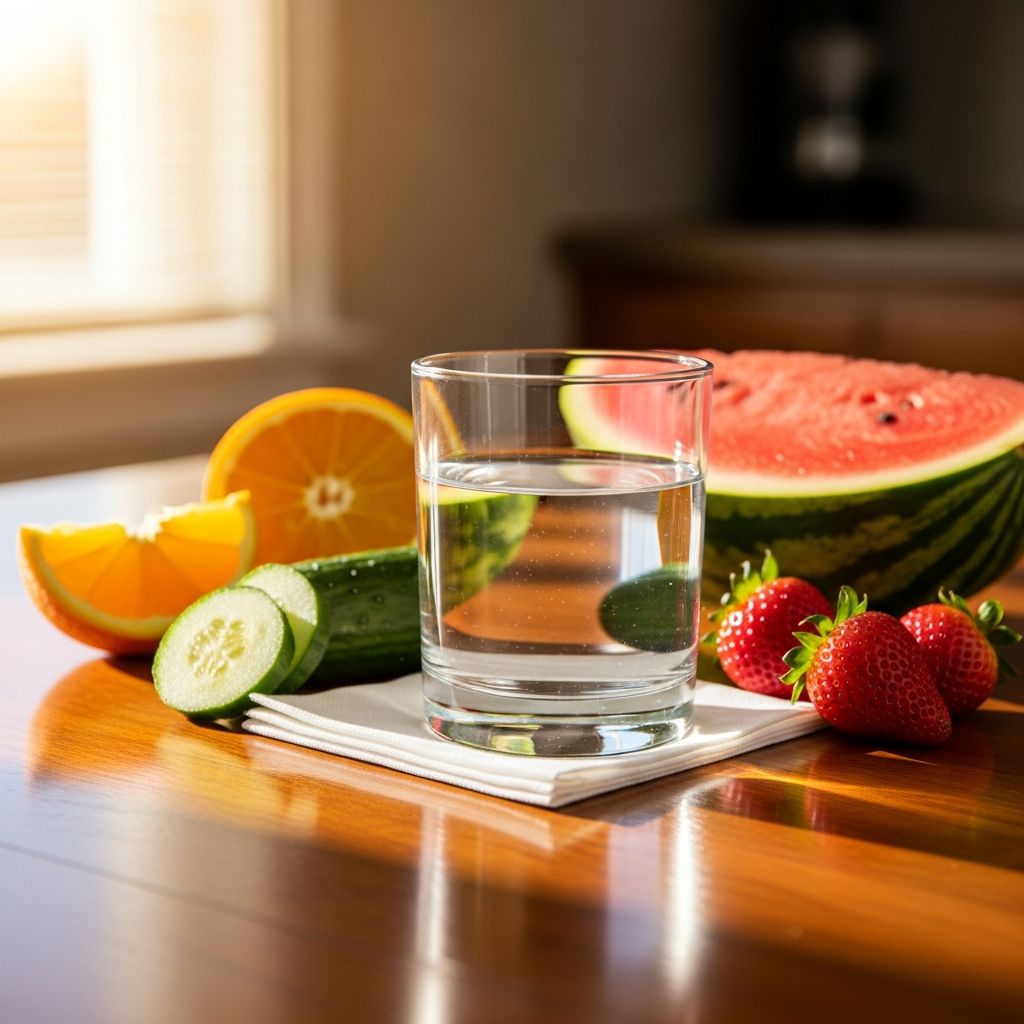
While plain water is an excellent choice for hydration, other beverages can contribute to your daily fluid intake. Water flavored with fruit or vegetable slices—such as lemon, berries, orange, or cucumber—provides hydration along with subtle flavor enhancement. Coffee and tea also contribute to total daily water intake, contrary to the once-common belief that caffeine-containing beverages cause dehydration.
Research indicates that while more than 180 mg of caffeine daily (approximately two cups of brewed coffee) may temporarily increase urination in some individuals, it does not necessarily lead to dehydration. Therefore, moderate consumption of caffeinated beverages can be counted toward daily fluid intake.
However, it’s important to limit sugar-sweetened beverages when attempting to maintain proper hydration. Sodas, fruit juices, energy drinks, and vitamin-enhanced waters are often loaded with added sugars that harm overall health rather than support it. These beverages should not form the foundation of your hydration strategy, as they contribute excess calories and sugar while potentially promoting various health problems.
Signs and Symptoms of Dehydration
Recognizing dehydration symptoms helps you understand when you need to increase your fluid intake. Even mild dehydration—as little as a 2% water deficit—can produce noticeable negative effects.
Common dehydration symptoms include:
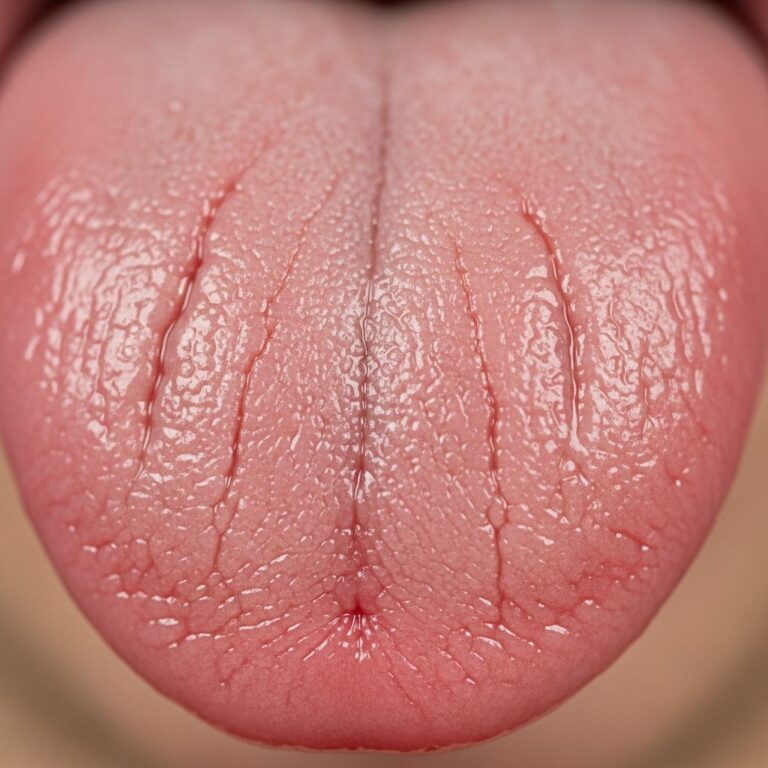
– Fatigue and low energy- Confusion or short-term memory difficulties- Mood changes such as increased irritability or depression- Reduced physical and mental performance- Dry mouth and throat
Chronic dehydration increases the risk of several medical conditions including urinary tract infections, kidney stones, gallstones, and constipation. Athletes, very young children, elderly individuals, and people with certain medical conditions may not experience adequate thirst signals and should adopt proactive hydration strategies rather than relying solely on thirst cues.
Can You Drink Too Much Water?
While dehydration poses significant health risks, the opposite extreme—overhydration—is also possible, though rare. The body typically regulates excess water intake by excreting extra fluid through urine or sweat, and there is no established upper limit for safe water consumption for most people.
However, a condition called water toxicity or hyponatremia can occur in exceptional circumstances when a very large amount of fluid is consumed in a short timeframe, faster than the kidneys can excrete it. This dangerous condition causes blood sodium levels to drop excessively as excess water dilutes blood electrolytes. Symptoms may include confusion, nausea, seizures, and muscle spasms. This condition is extremely rare in normal circumstances and typically occurs only in specific situations such as extreme endurance activities without proper electrolyte replacement or psychiatric conditions involving compulsive water drinking.
Practical Hydration Strategies
Implementing hydration into your daily routine doesn’t require complicated systems. Simple strategies can help ensure you meet your fluid intake goals:
– Start your day by drinking a glass of water with breakfast- Drink water with each meal and snack throughout the day- Keep a reusable water bottle with you and refill it regularly- Set reminders on your phone or use hydration apps- Drink a 20-ounce water bottle approximately four times daily- Increase water intake before, during, and after exercise- Monitor urine color; pale yellow indicates adequate hydration- Drink more fluids on hot days or when you’re more active
For individuals who find plain water unappetizing, adding natural flavor through fruit, herbs, or vegetable infusions can make hydration more enjoyable and sustainable. Making water more accessible in your environment—keeping bottles visible and convenient—increases the likelihood of consistent consumption throughout the day.
Special Populations and Hydration Needs
Certain groups require particular attention to hydration due to compromised thirst mechanisms or increased physiological demands. Children, particularly infants and toddlers, rely on caregivers to provide adequate fluids and may not communicate thirst effectively. Elderly individuals often experience diminished thirst sensations, making conscious hydration efforts important. Athletes and people engaged in strenuous physical activity need deliberate hydration strategies. Individuals with certain medical conditions, fever, or gastrointestinal illnesses require increased attention to fluid replacement.
Frequently Asked Questions
Q: Is the “eight glasses a day” rule accurate?
A: The eight glasses a day guideline is a simplified rule of thumb that may not apply to everyone. The National Academy of Medicine provides more personalized recommendations based on age and sex. Adult women should aim for approximately 9 cups daily, while adult men should aim for about 13 cups daily, though individual needs vary based on activity level, climate, and health status.
Q: How can I tell if I’m drinking enough water?
A: Monitor your urine color—pale yellow typically indicates adequate hydration, while dark yellow suggests you need more fluids. You should also avoid persistent fatigue, cognitive difficulties, or mood changes that might indicate dehydration.
Q: Do all fluids count toward my daily water intake?
A: Most beverages contribute to hydration, including water, tea, coffee, and milk-based drinks. However, limit sugar-sweetened beverages like soda and fruit juice, as these provide excess calories without additional health benefits.
Q: Does caffeine cause dehydration?
A: Research shows that moderate caffeine consumption (under 180 mg daily) does not cause dehydration. Coffee and tea can be counted toward your daily fluid intake.
Q: How much water should I drink if I exercise regularly?
A: People who exercise regularly need additional fluids to compensate for water lost through perspiration. Drink water before, during, and after exercise, and increase overall daily intake based on the intensity and duration of your activity.
Q: Are there health benefits to alkaline water?
A: If drinking alkaline water encourages you to drink more fluids overall, the increased hydration provides benefits. However, plain regular water provides similar health benefits through proper hydration, including improved energy, mood, and digestive health.
Conclusion
The question of how much water you should drink doesn’t have a one-size-fits-all answer. Rather than rigidly adhering to arbitrary guidelines, focus on personalizing your hydration strategy based on your age, activity level, climate, and individual health status. The National Academy of Medicine provides evidence-based starting points, but your specific needs may differ day-to-day. Pay attention to thirst cues, monitor urine color, and adjust intake based on your circumstances. Remember that hydration comes from both beverages and water-rich foods. By adopting a thoughtful, individualized approach to water consumption, you’ll support your body’s optimal functioning, improve energy and cognitive performance, and reduce the risk of dehydration-related health complications.
References
- New Harvard Health Letter Suggests Drinking 30 To 50 Ounces Of Water — CBS New York. 2024. https://www.cbsnews.com/newyork/news/drinking-water-summer/
- How Much Water Do You Need? — Harvard T.H. Chan School of Public Health, The Nutrition Source. 2024. https://nutritionsource.hsph.harvard.edu/water/
- The Importance of Hydration — Harvard T.H. Chan School of Public Health. 2024. https://hsph.harvard.edu/news/the-importance-of-hydration/
Similar Articles








Read full bio of medha deb