How Much Zinc Is Too Much? 40 Mg Upper Limit, Symptoms & Risks
Discover the safe limits for zinc intake, signs of overdose, and long-term risks to protect your health effectively.
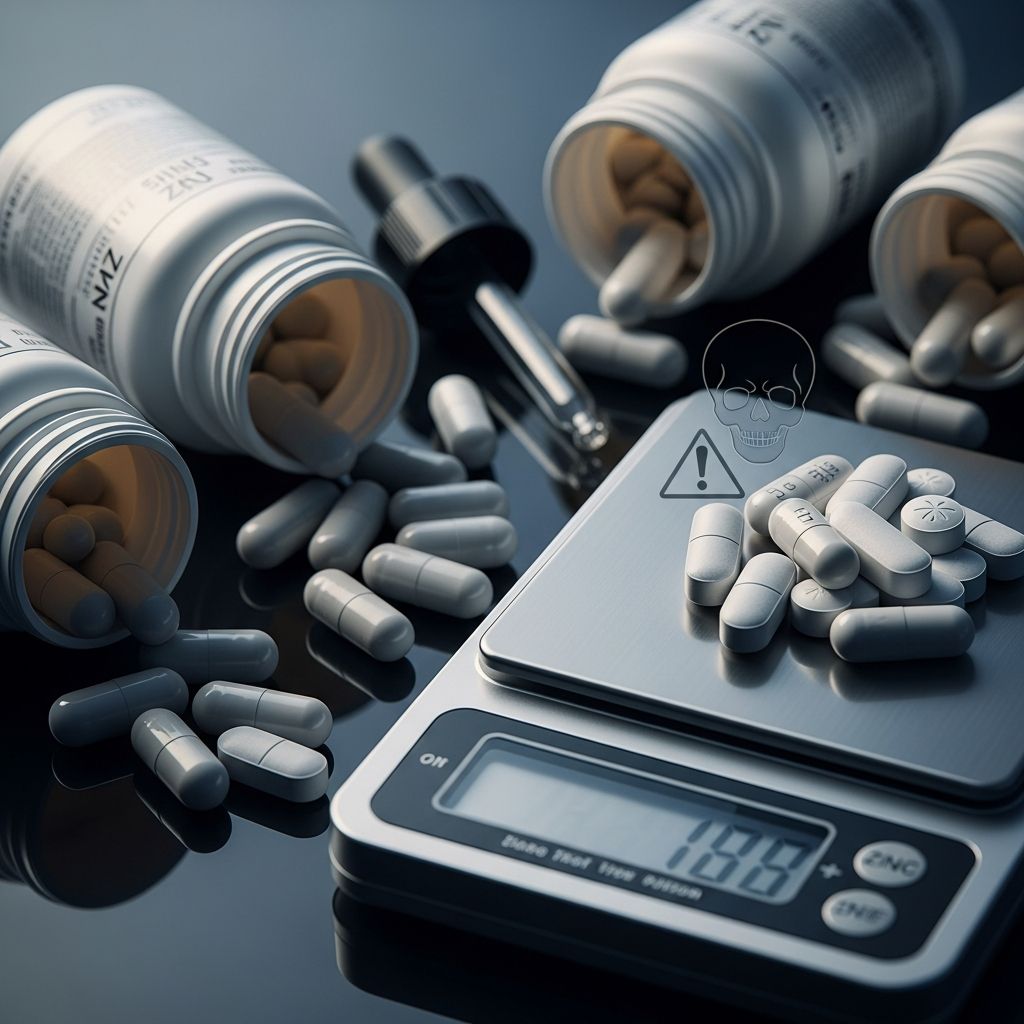
Zinc is an essential mineral crucial for immune function, wound healing, DNA synthesis, and protein production. However, excessive zinc intake can lead to toxicity, ranging from mild gastrointestinal upset to severe neurological issues and mineral imbalances.
Adults need 8-11 mg of zinc daily, but supplements often exceed this, raising overdose risks. Acute toxicity occurs from high single doses, while chronic exposure builds over time, often disrupting copper absorption.
What Is Zinc and Why Do We Need It?
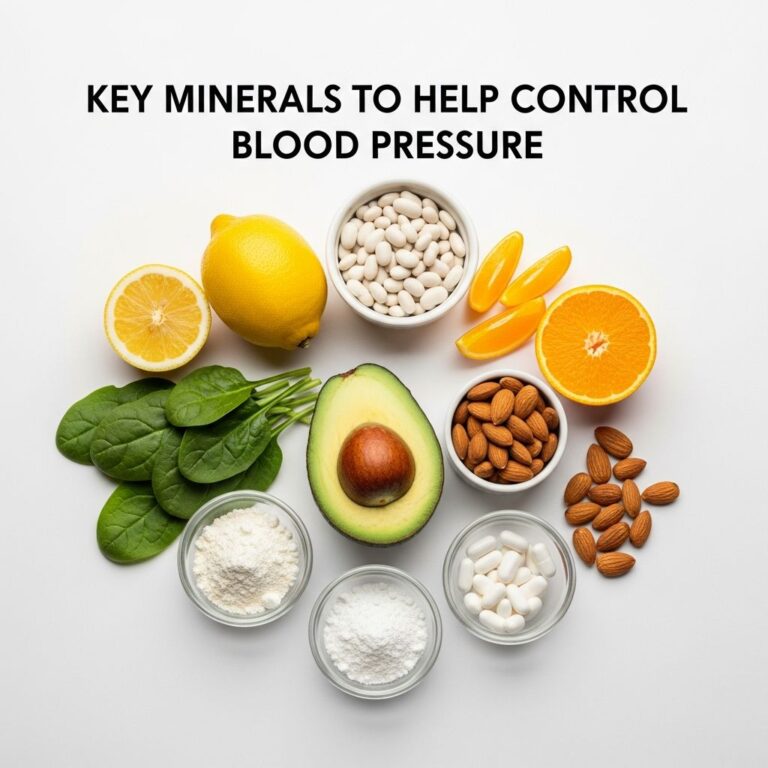
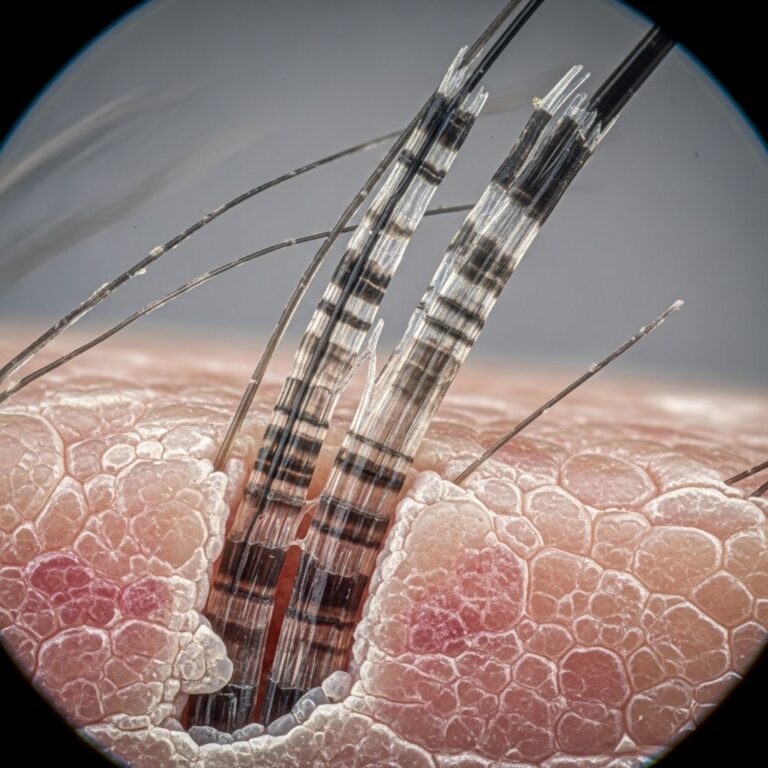
Zinc supports over 300 enzymes and is vital for immune cell development, taste/smell senses, and growth. Deficiency causes hair loss, diarrhea, and weakened immunity, but most diets provide enough through meat, shellfish, legumes, and nuts.
The body absorbs 20-40% of dietary zinc, with bioavailability varying by form—zinc gluconate and citrate are common in supplements. Health organizations set RDAs: 11 mg for men, 8 mg for women, 12 mg for pregnant individuals, and 11 mg for lactating ones.
- Key roles: Boosts T-cell function, aids insulin storage, promotes skin health.
- Deficiency risks: Common in vegetarians, elderly, or those with gut disorders like Crohn’s.
How Much Zinc Should You Take Daily?
Recommended Dietary Allowance (RDA) varies by age, sex, and life stage. The Tolerable Upper Intake Level (UL) is 40 mg/day for adults per FDA and EFSA guidelines, beyond which adverse effects may occur.
| Group | RDA (mg/day) | UL (mg/day) |
|---|---|---|
| Adult Men (19+) | 11 | 40 |
| Adult Women (19+) | 8 | 40 |
| Pregnant Women | 11-12 | 40 |
| Breastfeeding Women | 12 | 40 |
| Children (9-13) | 5-8 | 23 |
| Infants (0-6 months) | 2 (AI) | 4 |
Exceeding UL regularly risks toxicity. Athletes or those with colds may take higher therapeutic doses short-term, but only under medical supervision.
Symptoms of Too Much Zinc
Zinc overdose symptoms depend on dose, duration, and exposure route. Acute cases hit fast; chronic ones develop subtly.
Acute Zinc Toxicity Symptoms
From ingesting 150-450 mg or more, symptoms appear within hours:
- Nausea and vomiting (often with blood—hematemesis)
- Diarrhea and abdominal cramps
- Headache, dizziness, lethargy
- Metallic taste, loss of appetite
Severe cases involve dehydration, renal injury, or respiratory distress from fumes.
Chronic Zinc Toxicity Symptoms
Prolonged high intake (e.g., 50+ mg/day for months) causes copper deficiency, known as “swayback syndrome”:
- Fatigue, anemia, low HDL cholesterol
- Neuropathy: numbness, gait issues, spasticity
- Weakened immunity, frequent infections
- Prostate cancer risk increase (observational data)
Gut effects include microbiome disruption, oxidative stress, and permeability.
Causes of Zinc Overdose
Common sources include:
- Supplements: Multivitamins, cold remedies (up to 50 mg/serving).
- Denture cream: Chronic use leaches zinc, causing copper deficiency—linked to neurological damage.
- Inhalation: Welders inhale zinc oxide fumes, triggering metal fume fever (flu-like symptoms).
- Other: Pennies (post-1982), contaminated water, nasal sprays (banned by FDA).
Pediatric risks rise from pica or unsupervised supplements.
Zinc and Copper Deficiency: The Hidden Danger
High zinc competes with copper absorption in the gut, leading to deficiency. Copper is essential for iron use, myelin formation, and antioxidants. Symptoms mimic B12 deficiency: anemia, ataxia.
Related Stories



Case studies show denture cream users with 100+ mg daily zinc equivalent developing myelopathy, reversed partially by copper supplementation.
Zinc Toxicity Treatments
Acute: Stop intake, hydrate, use antiemetics. Severe cases need chelators or dialysis.
Chronic: Discontinue zinc, supplement copper (2-8 mg/day), monitor blood levels. Neurologic recovery may be incomplete.
Prognosis is good with prompt care; fatalities are rare, usually from massive ingestion or iatrogenic errors.
Who Is at Risk for Zinc Overdose?
- Supplement enthusiasts exceeding labels.
- Occupational (welders, metalworkers).
- Elderly denture wearers.
- Children, psychiatric patients with pica.
- Those on high-protein diets or zinc lozenges long-term.
Test serum zinc (normal 70-120 mcg/dL) and copper if suspected.
Prevention Tips for Safe Zinc Intake
- Stick to RDA unless deficient—test first.
- Choose chelated forms for better absorption.
- Pair with copper-rich foods (nuts, shellfish).
- Avoid nasal zinc products.
- Consult doctors for high-dose therapy.
Food sources are safest: oysters (74 mg/3 oz), beef, chickpeas.
Frequently Asked Questions (FAQs)
Can you overdose on zinc from food alone?
Unlikely; bioavailability is low, and natural diets rarely exceed safe limits. Supplements pose the main risk.
How much zinc is lethal?
Doses over 1-2 g can be fatal acutely, but treatment improves survival. Chronic lethality is rare.
Does zinc interact with medications?
Yes, reduces absorption of antibiotics (quinolones, tetracyclines), penicillamine. Space by 2 hours.
Is zinc safe during pregnancy?
At RDA yes; exceed UL risks fetal copper deficiency. Consult OB-GYN.
How long do zinc toxicity symptoms last?
Acute: 24-48 hours with treatment. Chronic: Weeks to months after cessation.
Key Takeaways
- Zinc is vital but balance is key—UL 40 mg/day.
- Watch for acute GI woes or chronic copper issues.
- Supplements, dentures, fumes are top culprits.
- Prevent with moderation, testing, doc advice.
References
- Zinc Toxicity: Understanding the Limits — PMC – PubMed Central. 2024. https://pmc.ncbi.nlm.nih.gov/articles/PMC11243279/
- Zinc Toxicity — StatPearls – NCBI Bookshelf. 2023-10-01. https://www.ncbi.nlm.nih.gov/books/NBK554548/
- Too much zinc: Symptoms, causes, and treatments — Medical News Today. 2023. https://www.medicalnewstoday.com/articles/326760
- 7 Signs and Symptoms of Zinc Overdose — Healthline. 2023. https://www.healthline.com/nutrition/zinc-overdose-symptoms
- Toxicological Profile for Zinc — ATSDR (CDC). 2005 (authoritative baseline). https://www.atsdr.cdc.gov/toxprofiles/tp60.pdf
Similar Articles








Read full bio of medha deb