How Often Can You Donate Blood?
Discover safe blood donation frequencies for whole blood, platelets, plasma, and more to maximize your lifesaving impact.
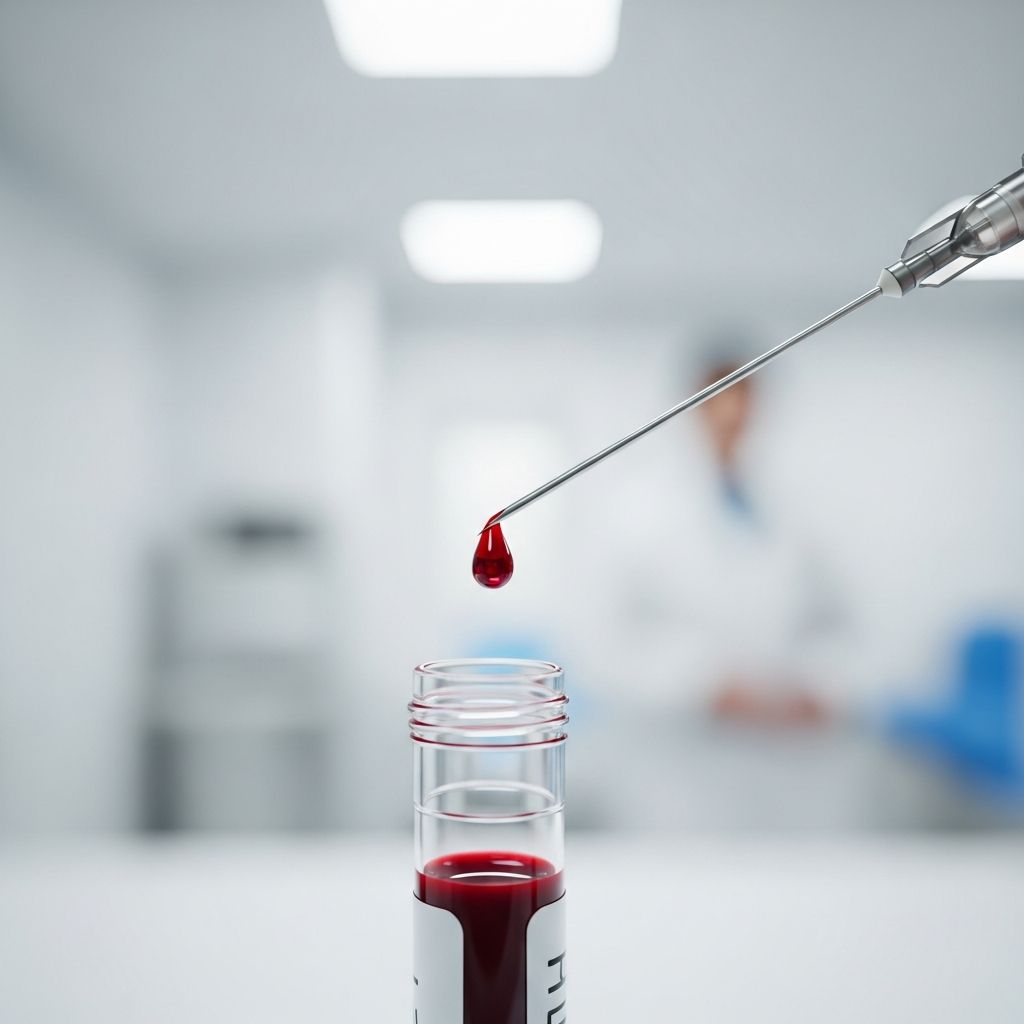
Regular blood donations save lives, but strict frequency limits ensure donor safety. Guidelines from the FDA, American Red Cross, and international bodies like WHO set intervals based on how quickly your body replenishes blood components.
Types of Blood Donations and Frequency Limits
Blood donation comes in several forms, each with unique recovery times and frequency rules. Whole blood takes longest to replenish, while platelets and plasma regenerate faster.
| Type | Frequency | Annual Max | Time to Donate | Best For |
|---|---|---|---|---|
| Whole Blood | Every 56 days | 6 times | 8-10 min draw | All components |
| Platelets | Every 7 days | 24 times | 1-2 hours | Cancer/trauma |
| Plasma | Every 28 days | 13 times | 45-60 min | Burns/shock |
| Double Red Cells | Every 112 days | 3 times | 30-45 min | Surgeries |
These U.S. FDA-approved limits prioritize health; international variations exist, like Europe’s 96-hour plasma minimum.
Whole Blood Donation Frequency
Whole blood donation extracts about 1 pint (450-500 mL), including red cells, white cells, platelets, and plasma. Red blood cells take 4-6 weeks to fully regenerate, justifying the 56-day wait.
- Eligibility: Age 17+, 110 lbs, good health.
- Recovery: Plasma returns in 24-48 hours; full volume in 4 weeks.
- Example schedule: Donate January 1, next March 28.
Vitalant notes many donors schedule via apps to hit 6 donations yearly.
Platelet Donation Intervals
Platelets clot blood and are vital for cancer patients. Apheresis separates them, returning other components. They replenish in 72 hours, allowing weekly donations up to 24 times/year.
- Avoid aspirin 48 hours prior for platelet function.
- Process takes 1-2 hours due to collection cycles.
- Often combined with plasma for “platelet-rich plasma.”
Red Cross prioritizes O-, A-, B-negative types.
How Often to Donate Plasma
Plasma, 55% of blood, carries proteins and clotting factors. Donated via plasmapheresis every 28 days (13x/year), though U.S. source plasma allows 104x/year at 48-hour intervals with protein monitoring.
- Europe limits to 33x/year, 96-hour gaps, max 880 mL/donation.
- Norway: 650 mL every 14 days or 3x/2 weeks in trials.
- Requires annual protein/IgG checks; high-frequency may lower IgG.
RCTs show twice-weekly plasma reduces albumin/IgG vs. monthly, but intensive regimens appear safe long-term.
Power Red (Double Red Cell) Donations
This apheresis collects two red cell units, returning plasma/platelets. Interval: 112 days (3x/year) due to red cell demands.
- Ideal for O positive/negative donors.
- Height/weight minimums apply (e.g., males 5’1″/130 lbs).
- Doubles anemia-fighting impact.
Eligibility Requirements for Blood Donors
Beyond frequency, screeners check health, travel, meds. Common rules:
- Age: 17-65 (varies by center).
- Weight: 110 lbs minimum.
- Hemoglobin: 12.5 g/dL women, 13.0 g/dL men.
- Health: No active illness; controlled diabetes/hypertension OK.
Temporary deferrals: tattoos (6 months), recent illness (7-30 days), pregnancy (6 weeks post).
Health Effects of Frequent Blood Donation
Studies confirm regulated frequencies safe. U.S. plasma study: FDA max doesn’t impair health. Norwegian RCT: High-frequency plasma (3x/2 weeks) non-inferior to standard on proteins.
- Potential IgG/TSP drops in intensive plasma donors, but cellular immunity intact.
- Whole blood may temporarily lower iron; eat iron-rich foods.
- WHO notes high-income donation rates 31.5/1000 people.
Monitor fatigue; hydrate/eat well post-donation.
Tips for Donating Blood Frequently
To sustain regular giving:
- Hydrate 24 hours prior (64 oz water).
- Eat iron-rich meal (spinach, red meat) before whole blood.
- Rest 10-15 min post-donation; avoid heavy lifting 4 hours.
- Track via apps; set reminders for intervals.
- Alternate types if eligible (e.g., platelets between whole blood).
Frequently Asked Questions (FAQs)
What is the minimum time between whole blood donations?
56 days, allowing up to 6 donations per year.
Can I donate plasma more often than whole blood?
Yes, every 28 days (13x/year), faster regeneration enables it.
Does frequent donation affect my health?
No, if following guidelines. RCTs show safety even at higher plasma frequencies.
What if I travel to a malaria area?
Deferral up to 12 months; check center policies.
How soon after pregnancy can I donate?
6 weeks postpartum, after health clearance.
Are there weight limits for donations?
Minimum 110 lbs for whole blood; higher for Power Red.
Global Perspectives on Donation Frequency
WHO reports vast disparities: high-income countries average 31.5 donations/1000 vs. low-income 5/1000. Europe adjusts plasma volumes by blood volume/IgG. U.S. leads in plasma collection volume/frequency for therapies.
Maintaining supply requires balancing donor health with patient needs. Advances like shorter intervals in trials expand capacity safely.
References
- The effect of donation frequency on donor health in blood … – NIH — PMC. 2024. https://pmc.ncbi.nlm.nih.gov/articles/PMC10926559/
- Blood Donation Limits & Eligibility: What to Know – Vitalant — Vitalant. 2025. https://www.vitalant.org/blog/blood-donation-basics/guide-to-blood-donation-age-weight-frequency-limits
- The Effect of Plasma Donation Frequency on Donor Health — ClinicalTrials.gov. 2023. https://www.clinicaltrials.gov/study/NCT05179200
- How Often Can You Donate Blood? What to Know About Giving Blood — Healthline. 2024. https://www.healthline.com/health/how-often-can-you-donate-blood
- Types of Blood Donations — American Red Cross. 2025. https://www.redcrossblood.org/donate-blood/how-to-donate/types-of-blood-donations.html
- Blood safety and availability – World Health Organization (WHO) — WHO. 2024-06-14. https://www.who.int/news-room/fact-sheets/detail/blood-safety-and-availability
- The Plasma Donation Frequency Study — PPTA Global. 2023. https://www.pptaglobal.org/material/study-confirms-that-frequency-of-source-plasma-donation-as-regulated-by-u-s-fda-does-not-impair-donor-health-and-well-being
Similar Articles







Read full bio of Sneha Tete