How Often Should You Floss: Essential Tips For Oral Health
Dental experts recommend flossing once daily to prevent plaque buildup, gum disease, cavities, and even reduce risks of stroke and heart issues.
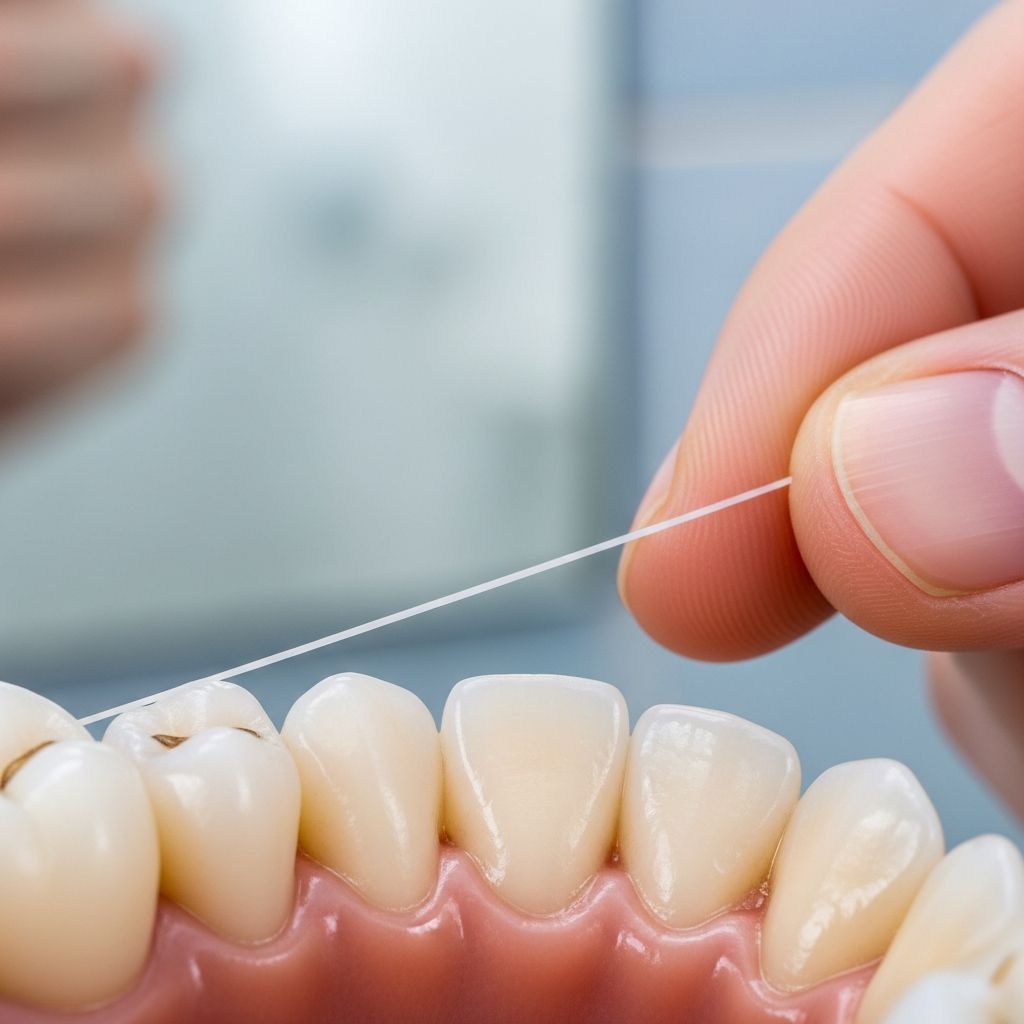
Flossing once a day is the recommended frequency by dental professionals to effectively remove interdental plaque and food particles that brushing misses, preventing cavities, gum disease, and promoting overall health.
Why Floss at All?
Brushing cleans tooth surfaces but leaves 40% of the mouth uncleaned, particularly the interdental spaces where plaque—a sticky bacterial film—accumulates rapidly within 24-72 hours, hardening into tartar that only professionals can remove. This buildup leads to gingivitis (inflamed, bleeding gums), progressing to periodontitis, tooth loss, and links to systemic issues like stroke and atrial fibrillation.
Daily flossing disrupts bacterial growth, reduces bad breath from trapped food decay, and complements brushing for comprehensive hygiene. The American Dental Association (ADA) emphasizes this as essential, countering myths that brushing alone suffices.
How Often Should You Floss?
Dental consensus is clear: floss
at least once daily
. Plaque forms in 4-12 hours, so nightly flossing before bed clears the day’s debris, preventing overnight bacterial proliferation and cavity formation. Morning or post-meal flossing works too, but consistency trumps timing—link it to brushing via ‘habit stacking’ for adherence.More than once daily offers no added benefit for most unless food is stuck or you have braces/implants; excessive flossing risks gum irritation if technique is poor. Those prone to gum disease may need twice-daily under dentist guidance.
Can You Floss Too Much?
Yes, over-flossing (multiple times daily with harsh technique) damages gums, exposing roots to sensitivity, decay, and recession. Gentle, once-daily flossing suffices; if bleeding occurs initially, persist—gums heal in 1-2 weeks with regularity.
What’s the Proper Way to Floss?
Master technique ensures effectiveness without harm:
- Length: Use 18 inches of floss for fresh sections per tooth.
- Grip: Wind around middle fingers, guide with thumbs/index fingers.
- Motion: Gently zigzag between teeth (no snapping), form C-shape around each tooth, slide under gumline up/down.
- Coverage: Floss all surfaces, including back molars; rinse after.
Avoid: Reusing dirty floss sections, forcing into tight spaces, or sawing aggressively—these spread bacteria or cut gums.
Flossing Tools: Which Is Best?
| Tool | Pros | Cons | Best For |
|---|---|---|---|
| Waxed/Nylon Floss | Affordable, flexible, cleans deeply | May shred in tight spaces | General use |
| PTFE (Teflon-like) Floss | Slippery, shred-resistant | More expensive | Tight contacts |
| Floss Picks | Easy one-handed use | Less control, wasteful | Travel/on-the-go |
| Water Flossers | No floss, great for braces/implants | Costly, less precise plaque removal | Orthodontics, dexterity issues |
| Interdental Brushes | Effective for gaps | Not for tight spaces | Post-surgery, wide spaces |
Choose based on needs; traditional floss excels for most, but tools like water flossers suit special cases.
Signs You’re Not Flossing Enough
- Bleeding Gums: Indicates gingivitis from plaque; floss more consistently.
- Persistent Bad Breath: Trapped food fuels odor-causing bacteria.
- Visible Plaque/Tartar: Yellow buildup between teeth signals neglect.
- Tooth Sensitivity/Cavities: Interproximal decay from unchecked plaque.
- Gum Inflammation/Swelling: Red, tender gums precede periodontitis.
If symptoms persist post-routine change, seek professional cleaning.
How to Make Flossing a Habit
Build adherence:
- Habit Stack: Pair with brushing or face washing.
- Visibility: Store floss on counter/nightstand.
- Track: Use apps/calendars for streaks.
- Flavor Variety: Mint/cinnamon flosses enhance enjoyment.
- Accountability: Share goals with family/dentist.
Related Stories



Start small; consistency yields automaticity in weeks.
Flossing and Your Overall Health
Oral health links systemically: Chronic gum disease (periodontitis) raises inflammation, correlating with heart disease, stroke, diabetes complications. Recent research shows weekly flossing cuts ischemic stroke risk by 22%, cardioembolic stroke by 44%, and atrial fibrillation by 12% over 25 years—preliminary but promising.
Flossing reduces oral bacteria entering bloodstream, protecting endothelial health.
Special Considerations
- Braces/Orthodontics: Use floss threaders/water flossers 1-2x daily.
- Implants/Bridges: Proxy brushes/flossers prevent peri-implantitis.
- Pregnancy: Heightened gum risks demand diligence.
- Dry Mouth: Floss more; saliva scarcity boosts plaque.
- Kids: Supervised from age 2; picks aid toddlers.
Frequently Asked Questions (FAQs)
What happens if you don’t floss?
Plaque hardens into tartar, causing gingivitis, cavities, bad breath, and potential tooth loss; systemic risks include stroke.
Is it better to floss before or after brushing?
Floss first to dislodge debris for brushing to remove; either works, prioritize consistency.
Does flossing whiten teeth?
No, but removes surface stains between teeth for brighter appearance; whitening needs separate treatments.
Can flossing fix bleeding gums?
Yes, daily gentle flossing resolves gingivitis bleeding in 1-2 weeks by reducing plaque.
Is water flossing as good as string floss?
Effective for debris but inferior for plaque; best combined or for accessibility.
Final Thoughts
Commit to daily flossing—it’s a simple, evidence-backed habit safeguarding your smile and health. Consult your dentist for personalized advice.
References
- Flossing Frequency: How Often Is Enough? — Isaacs Family Dental. 2023. https://davidisaacsdds.com/flossing-frequency-how-often-is-enough/
- Can You Floss Too Much? — University General Dentists. 2024. https://utknoxvilledentists.com/can-you-floss-too-much/
- How Often Should You Floss? — Grove City Center for Dentistry. 2024. https://www.grovecitycenterfordentistry.com/blog/how-often-should-you-floss/
- Flossing may reduce risk for stroke and irregular heart rhythm — American Heart Association. 2025-01-30. https://www.heart.org/en/news/2025/01/30/flossing-may-reduce-risk-for-stroke-and-irregular-heart-rhythm
- Flossing — MouthHealthy (ADA). 2025. https://www.mouthhealthy.org/all-topics-a-z/flossing
- Flossing’s benefits go beyond gum health, another study shows — Safety+Health Magazine. 2025. https://www.safetyandhealthmagazine.com/articles/26654-flossings-benefits-go-beyond-gum-health-another-study-shows
Similar Articles








Read full bio of medha deb