How Often Should You Floss? Comprehensive Guide To Oral Health
Dental experts recommend flossing once daily to prevent plaque buildup, gum disease, cavities, and even linked health risks like stroke.
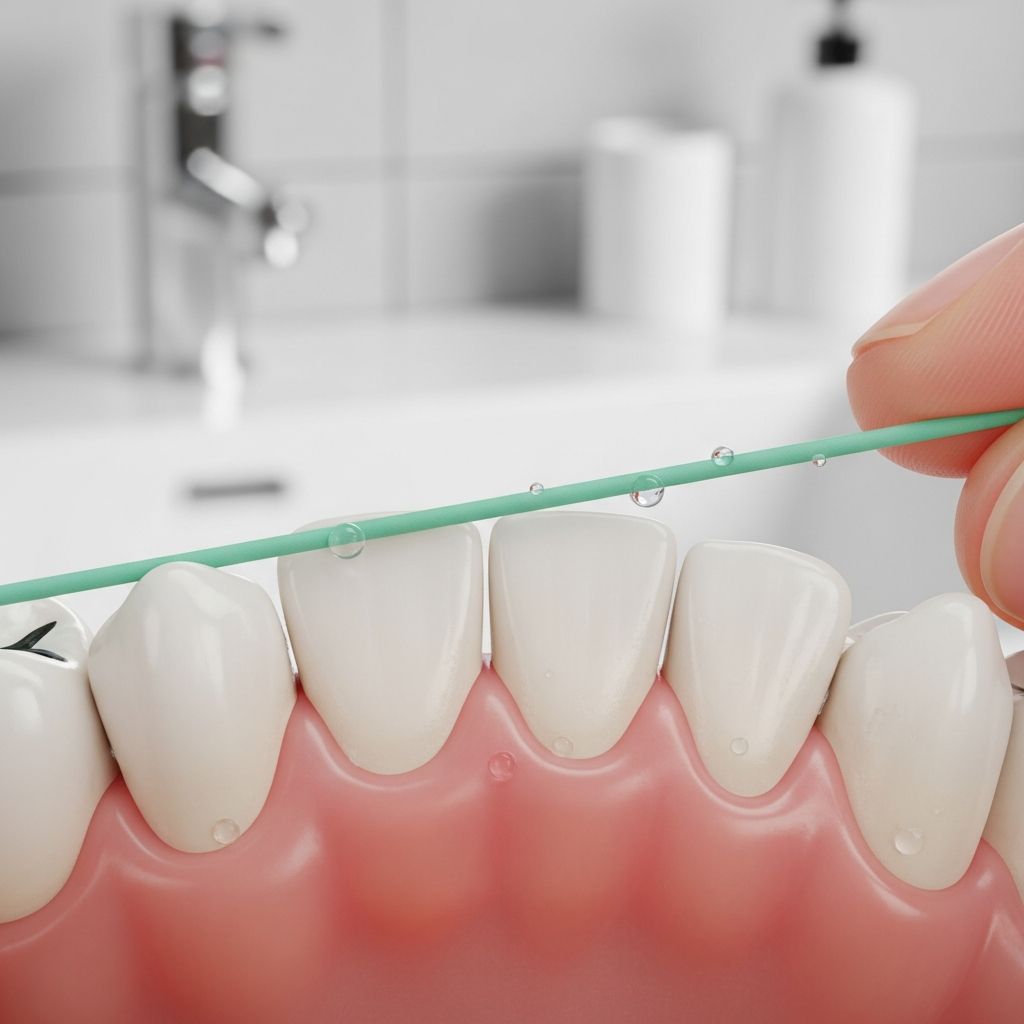
Flossing once a day is the gold standard recommendation from dental authorities like the American Dental Association (ADA) to remove interdental plaque and food particles that brushing misses, preventing cavities, gum disease, and bad breath.
While brushing cleans tooth surfaces effectively, it cannot reach the tight spaces between teeth where up to 40% of tooth surfaces reside, allowing plaque—a sticky bacterial film—to accumulate and harden into tartar within 24-72 hours if not disrupted. Daily flossing is non-negotiable for comprehensive oral hygiene, as confirmed by decades of clinical research and expert consensus.
Why Is Flossing So Important?
Flossing targets the interdental areas where your toothbrush bristles cannot penetrate, removing plaque, food debris, and bacteria that cause inflammation along the gumline. Without it, these neglected spaces foster harmful bacteria leading to gingivitis (early gum disease with red, swollen, bleeding gums) and progression to periodontitis, which destroys supporting bone and tissues, causing tooth loss.
Gum disease affects nearly 50% of adults over 30 and links to systemic issues like heart disease, diabetes complications, and recent research suggests stroke risk. Persistent bad breath often stems from trapped particles between teeth broken down by bacteria, which flossing eliminates when brushing and mouthwash fall short.
- Plaque Prevention: Disrupts bacterial colonies before they mineralize into tartar.
- Gum Health: Reduces inflammation; bleeding gums improve within 1-2 weeks of consistent flossing.
- Cavity Defense: Clears debris from contact points where decay starts.
- Fresh Breath: Eliminates odor-causing bacteria traps.
How Often Should You Floss?
The unanimous expert recommendation is at least once per day, ideally before bedtime to clear the day’s accumulation and prevent overnight bacterial growth. Plaque-forming bacteria require 4-12 hours to develop significantly, making once-daily sufficient for most people unless food is visibly stuck.
Flossing more than once offers minimal added benefit and risks gum damage if done aggressively, exposing roots to sensitivity and decay. Exceptions include orthodontic patients (braces/implants) or those with gum disease prone to rapid buildup, who may need 2x daily under dentist guidance.
| Frequency | Best For | Evidence |
|---|---|---|
| Once daily | General population | ADA standard; prevents plaque hardening. |
| Twice daily | Braces, gum disease | Targeted debris removal. |
| More than 2x | Not recommended | Risks tissue irritation. |
Can You Floss Too Much?
Yes, excessive flossing—particularly more than once daily with harsh technique—can harm delicate gum tissue, causing recession, root exposure, pain, and increased decay risk. Gentle, proper method once daily maximizes benefits without damage; overzealous habits redistribute bacteria if using inadequate floss length.
Listen to your gums: initial bleeding signals inflammation needing more consistency, not less, but persistent pain or recession warrants professional evaluation.
When Is the Best Time to Floss?
Evening, right before bed is optimal, removing 24 hours of debris so bacteria have less substrate overnight when saliva flow drops. Morning or post-meal flossing works too—consistency trumps perfect timing. Pair with brushing for synergy: floss first to dislodge debris, then brush to sweep it away.
Related Stories



How to Floss Properly (Step-by-Step)
Master technique ensures effectiveness and safety. Use 18 inches of floss for clean sections per tooth.
- Wind floss: Wrap 2-inch sections around middle fingers, thumbs up for control.
- Guide gently: Slide between teeth using index thumbs, avoiding snapping to prevent cuts.
- C-shape curve: Hug each tooth, scraping up/down under gumline 2-3 times.
- Progress systematically: Unroll fresh floss for each contact; hit all surfaces including backs of molars.
- Rinse: Swish with water/mouthwash to clear debris.
Water flossers and interdental brushes suit dexterity issues or braces; consult your dentist for alternatives.
Common Flossing Mistakes to Avoid
- Skipping back teeth: Molars trap most debris; always reach them.
- Short floss: Less than 18 inches reuses sections, spreading bacteria.
- Snap/push harshly: Damages gums; use gentle sawing.
- Ignoring bleeding: Indicates need for routine, not abandonment.
- Rushing: Misses subgingival plaque; take 1-2 minutes.
Signs You Need to Floss More Often
- Bleeding/swollen gums (gingivitis sign).
- Persistent bad breath post-brushing.
- Visible plaque/tartar between teeth.
- Frequent cavities in interdental areas.
- Gum recession or sensitivity.
Flossing Benefits Beyond Your Mouth
Emerging research links poor oral hygiene to systemic health: regular flossing (even weekly) associates with 22% lower ischemic stroke risk, 44% lower cardioembolic stroke, and 12% reduced atrial fibrillation—strokes from heart clots. Chronic gum inflammation may promote vascular issues via bacterial spread.
ADA-maintained daily flossing prevents local issues cascading to whole-body inflammation.
Frequently Asked Questions (FAQs)
What happens if you don’t floss?
Plaque hardens into tartar between teeth, leading to cavities, gingivitis, periodontitis, tooth loss, and bad breath within days.
Does flossing whiten teeth?
Indirectly yes, by removing surface stains and plaque; not a substitute for whitening treatments.
Is water flossing as good as string?
Effective alternative for some, especially dexterity-limited; ADA accepts if used daily with proper technique.
Why do my gums bleed when I floss?
Usually inflammation from plaque; consistent flossing resolves in 1-2 weeks. See dentist if persists.
Can kids start flossing? At what age?
Once adjacent teeth touch (age 2-6); parents assist until dexterity allows independence.
Making Flossing a Habit
Habit-stack with brushing or face-washing; visible floss placement and tracking apps build consistency. Most succeed pairing with bedtime routines. If struggling, dental hygienists offer personalized coaching during checkups.
Daily flossing transforms oral health: prevents 80% of cavities/gum issues when combined with brushing. Start today—your gums and heart will thank you.
References
- Flossing Frequency: How Often Is Enough? — Isaacs Family Dental. Accessed 2026. https://davidisaacsdds.com/flossing-frequency-how-often-is-enough/
- Can You Floss Too Much? — University General Dentists. Accessed 2026. https://utknoxvilledentists.com/can-you-floss-too-much/
- How Often Should You Floss? — Grove City Center for Dentistry. Accessed 2026. https://www.grovecitycenterfordentistry.com/blog/how-often-should-you-floss/
- Flossing may reduce risk for stroke and irregular heart rhythm — American Heart Association. 2025-01-30. https://www.heart.org/en/news/2025/01/30/flossing-may-reduce-risk-for-stroke-and-irregular-heart-rhythm
- Flossing — American Dental Association (MouthHealthy). Accessed 2026. https://www.mouthhealthy.org/all-topics-a-z/flossing
- Flossing’s benefits go beyond gum health, another study shows — Safety+Health Magazine. Accessed 2026. https://www.safetyandhealthmagazine.com/articles/26654-flossings-benefits-go-beyond-gum-health-another-study-shows
Similar Articles








Read full bio of Sneha Tete