How Often Should You Poop: 8 Factors Affecting Bowel Habits
Discover the normal poop frequency, what affects bowel habits, and when to see a doctor for digestive health concerns.
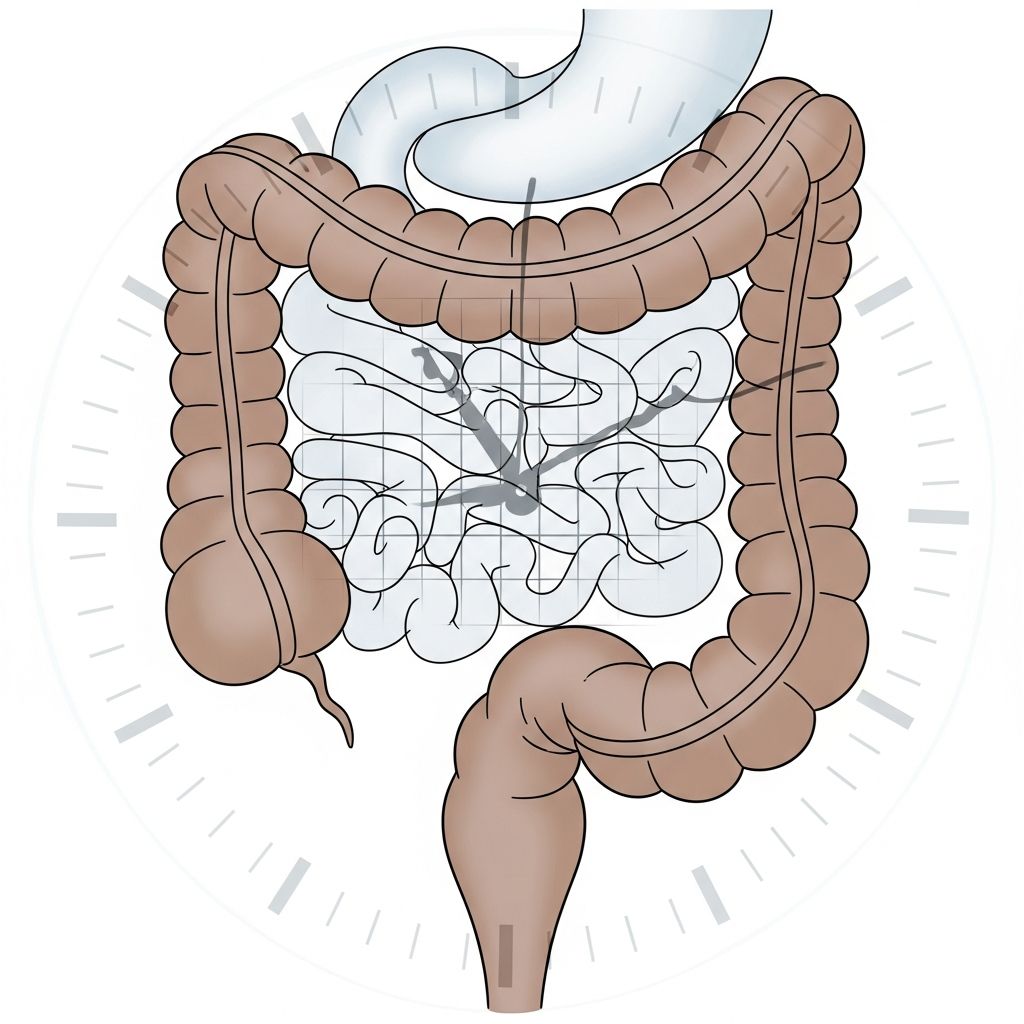
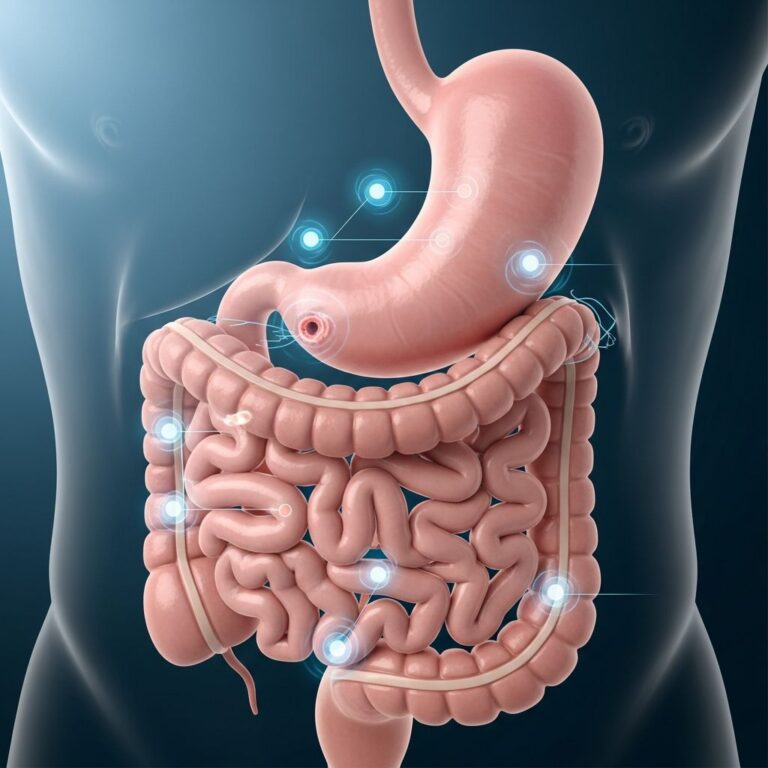
Normal bowel movement frequency varies widely among healthy individuals, typically ranging from three times per week to three times per day. This range reflects a healthy digestive system, though deviations influenced by diet, lifestyle, and health factors may occur without immediate concern.
What’s Normal for Poop Frequency?
Bowel habits differ based on individual physiology, but research confirms that most people experience bowel movements between three times weekly and three times daily. Less than three per week often signals constipation, while more than three daily may indicate diarrhea. A large-scale analysis from the National Health and Nutrition Examination Survey (NHANES) found the most common frequency to be seven times per week (daily), observed in over 50% of participants.
Stool frequency correlates with colonic transit time, gut microbiota composition, and overall intestinal health. Frequencies below seven per week show a parabolic association with increased all-cause mortality risk, with hazard ratios rising significantly for very low frequencies (e.g., HR 1.43 for once weekly). Maintaining regularity within the normal spectrum supports metabolic health and reduces chronic disease risks.
What Affects How Often You Poop?
Several modifiable and non-modifiable factors influence poop frequency and consistency:
- Diet: High-fiber foods like whole grains, legumes, fruits, and vegetables promote regular movements by adding bulk and softening stool. Low-fiber intake leads to harder, less frequent poops.
- Exercise: Physical activity stimulates intestinal motility; sedentary lifestyles slow transit, increasing constipation risk.
- Medical conditions: Irritable bowel syndrome (IBS), hypothyroidism, diabetes, or inflammatory bowel disease can alter habits.
- Medications and supplements: Opioids, antidepressants, iron supplements, and antacids often cause constipation.
- Age: Metabolism and gut motility decline with age, prolonging stool time in the colon.
- Pregnancy: Hormonal changes and uterine pressure slow digestion.
- Stress: Activates the fight-or-flight response, inhibiting digestive processes.
- Travel: Disrupted routines, dehydration, and new diets frequently cause temporary irregularities.
These factors interact; for instance, stress during travel combined with poor diet amplifies effects. Tracking changes helps identify triggers.
Using the Bristol Stool Scale
The Bristol Stool Scale (BSS), developed in the late 1990s, classifies stool into seven types based on shape and consistency, aiding assessment of digestive health:
| Type | Description | Implication |
|---|---|---|
| 1 | Separate hard lumps | Severe constipation; low fiber/hydration |
| 2 | Lumpy, sausage-like | Mild constipation |
| 3 | Sausage shape with cracks | Normal |
| 4 | Smooth, soft sausage or snake | Ideal normal |
| 5 | Soft blobs with clear edges | Lack of fiber; borderline normal |
| 6 | Mushy with ragged edges | Mild diarrhea |
| 7 | Liquid with no solids | Severe diarrhea |
Types 3-4 indicate optimal transit time and hydration. Type 1-2 suggest insufficient fiber or fluids, while 6-7 point to excess or infection. BSS correlates with whole-gut transit and microbiome health; hard stools link to slower transit and altered bacteria. NHANES data showed ‘sausage or snake, smooth and soft’ (Type 4) as most common (51.8%).
Joint BSS and frequency analysis reveals risks: Infrequent soft stools (e.g., 4x/week Type 5-7) associate with 1.78x all-cause, 2.42x cancer, and 2.27x CVD mortality vs. daily normal stools.
Constipation: Causes and Complications
Constipation is fewer than three bowel movements weekly or straining/hard stools. Causes include low-fiber diets (<25g/day), dehydration (<2L fluids), inactivity, and conditions like colonic inertia (slow transit) or obstructive defecation (rectal emptying issues).
Untreated, it risks hemorrhoids, anal fissures, pelvic floor dysfunction, and prolapse. Hard stools strain rectal tissues, causing pain and bleeding.
How to Get Your Poop Schedule Back on Track
Bowel retraining establishes regularity post-medical clearance:
- Dietary adjustments: Aim for 25-30g fiber daily from sources like oats, beans, apples, and broccoli. Increase gradually; pair with 2-3L water to avoid bloating.
- Hydration: Fluids soften stool; dehydration hardens it.
- Exercise: 30 minutes daily walking or yoga boosts motility.
- Routine: Schedule poops 20-30 minutes post-meal, leveraging gastrocolic reflex.
- Stimulants: Warm drinks or prunes aid some; doctor-approved laxatives/stool softeners for others.
Related Stories



Over-the-counter options like osmotic laxatives (polyethylene glycol) or stimulants provide relief if lifestyle fails. Persistent cases warrant tests (e.g., colonoscopy).
When to See a Doctor About Pooping
Consult a gastroenterologist for:
- Sudden/gradual habit changes.
- Blood, mucus, or black/tarry stools.
- Severe pain, unexplained weight loss, or anemia.
- No poop >3 days with bloating.
- Alternating constipation/diarrhea.
These may signal colorectal cancer, IBD, or infection. Early evaluation prevents complications.
Frequently Asked Questions (FAQs)
Is it bad to poop only every other day?
Not necessarily if stools are Type 3-4 and you’re comfortable. Below 3x/week risks health issues; monitor fiber/hydration.
Does coffee make you poop more?
Yes, caffeine stimulates colon contractions via gastrocolic reflex, increasing frequency for many.
Can stress cause constipation?
Absolutely; stress diverts blood from digestion, slowing motility. Relaxation techniques help.
What’s the best fiber for regularity?
Soluble (oats, psyllium) softens stool; insoluble (bran, veggies) adds bulk. Combine both with water.
Is pooping 3 times a day normal?
Yes, within healthy range unless loose/incontinent, then check diet or IBS.
References
- Do You Have To Poop Every Day To Be Healthy? — Orlando Health. 2023. https://www.orlandohealth.com/content-hub/do-you-have-to-poop-every-day-to-be-healthy/
- Association of Stool Frequency and Consistency with the Risk of All-Cause Mortality among US Adults — National Center for Biotechnology Information (PMC). 2023-01-11. https://pmc.ncbi.nlm.nih.gov/articles/PMC9818668/
Similar Articles








Read full bio of medha deb