How Often Should You Wash Your Water Bottle?
Experts reveal the ideal cleaning frequency for reusable water bottles to prevent bacteria, mold, and health risks from daily use.
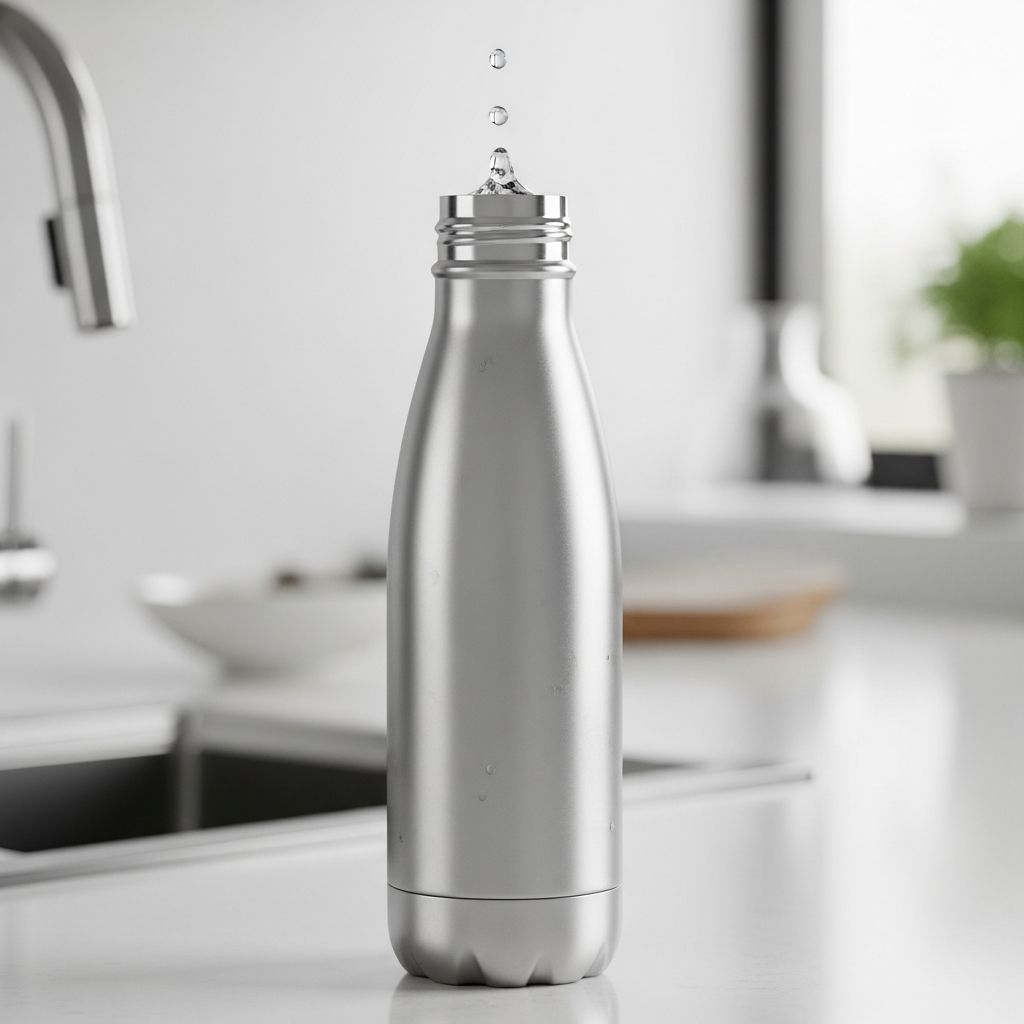
Reusable water bottles are essential for staying hydrated and reducing plastic waste, but they can become breeding grounds for bacteria and mold if not cleaned properly. Food safety experts recommend washing your water bottle
daily
to prevent microbial growth that rivals levels found in dog bowls or toilet seats.Studies show that reusable bottles often harbor unsafe bacteria levels, especially when used for beverages beyond water or not dried completely. Proper cleaning routines are crucial, as bacteria can double every 20 minutes in moist environments.
Why Reusable Water Bottles Get So Dirty
Reusable water bottles accumulate bacteria quickly due to constant exposure to saliva, mouth contact, and environmental contaminants. A Purdue University study found high bacterial counts in most bottles analyzed, regardless of filters, with higher levels in those used for coffee, tea, or soda.
Key factors contributing to contamination include:
- Moisture and warmth: Residual water and body heat create ideal conditions for bacteria to multiply.
- Saliva and residues: Direct mouth contact introduces oral bacteria; sugary drinks feed microbial growth.
- Infrequent cleaning: Surveys reveal 85% of users wash monthly or less, despite claiming regular rinses.
- Porous materials: Plastic bottles trap residues more than glass or stainless steel.
A NIH study on daily-use bottles confirmed significant microbial loads in both stainless steel (SS) and polyethylene terephthalate (PET) types, with 73% of users drinking directly from the mouth and 50% sharing, heightening cross-contamination risks.
How Often Should You Clean Your Water Bottle?
Consensus from experts like University of Minnesota’s Amy Johnston and Purdue researchers is clear:
Wash your reusable water bottle every day.
Rinse after each use and perform a deep clean daily with soap.- 62% of people clean daily, 25% a few times weekly, but 13% only monthly—far too infrequent.
- Weekly sanitizing is advised for bottles used with non-water beverages.
- Always air-dry completely to prevent mold; damp surfaces invite spores.
Dr. Michael Behnke, who studied bottle hygiene, now rinses daily and washes weekly with detergent and bleach spray.
The Best Way to Clean Your Water Bottle
Follow these expert-backed steps for thorough cleaning:
- Rinse immediately: After every use, rinse with hot water to remove residues.
- Daily wash: Use hot, soapy water and a bottle brush to scrub interior, exterior, lid, straws, and crevices.
- Sanitize weekly or as needed: Submerge in 160°F water for 30 seconds, or use vinegar/baking soda solution. Bleach spray (diluted Clorox) works for quick kills.
- Dishwasher option: Top-rack safe bottles; ensure full cycles kill 99.9% bacteria.
- Air dry: Upside down on a rack until fully dry.
The NIH study showed washing reduces microbial load from high levels to 11.2 ± 2.3 CFU/ml (P<0.0001).
Best Water Bottle Materials for Hygiene
Material impacts cleanability. Glass is nonporous and easiest to inspect for cleanliness, showing lowest residue. Here’s a comparison:
Related Stories



| Material | Pros | Cons | Bacteria Risk |
|---|---|---|---|
| Glass | Nonporous, visible cleanliness, easy scrub | Breakable, heavier | Low |
| Stainless Steel | Durable, dishwasher-safe, wide mouths available | Harder to see inside residues | Medium |
| Hard Plastic | Lightweight, affordable | Porous, scratches harbor bacteria | High |
| Soft Plastic | Flexible | Very porous, flavor retention | Highest |
Opt for wide-mouth designs and built-in straws to minimize hand contact.
Signs Your Water Bottle Needs Cleaning Now
Don’t wait for visible issues. Warning signs include:
- Foul odors or slimy film inside.
- Cloudy water or discoloration.
- Mold spots, especially in lids.
- Off tastes in water.
- Visible residue buildup.
Even without signs, daily use demands daily maintenance—bacteria grow invisibly.
Health Risks of a Dirty Water Bottle
Contaminated bottles can cause gastrointestinal issues, especially for immunocompromised individuals. Bacteria from saliva and sugars lead to infections; mold spores thrive in dampness.
- Sharing bottles spreads pathogens.
- High loads exceed safe levels per studies.
- Weakened immunity heightens sickness risk.
Prevent by sticking to water-only use when possible.
Expert Tips to Keep Your Bottle Cleaner Longer
Enhance hygiene with these strategies:
- Don’t share; limit to personal use.
- Use filtered water to reduce initial contaminants.
- Avoid sugary/acidic drinks.
- Store empty and dry.
- Replace every 6-12 months if scratched.
- Clean lids separately—they harbor most germs.
Frequently Asked Questions (FAQs)
Should you wash your water bottle every day?
Yes, experts unanimously recommend daily washing with soap and hot water, plus rinsing after each use, to control bacteria.
Can you put a water bottle in the dishwasher?
Yes, if labeled dishwasher-safe, use the top rack for sanitizing heat. Hand washing ensures crevices are reached.
How do you get rid of mold in a water bottle?
Scrub with hot soapy water and a brush, then sanitize with vinegar (1:1 water) or bleach solution. Air dry fully.
Is it safe to drink from a dirty water bottle?
No, it risks bacterial infections and mold exposure, particularly harmful to vulnerable groups.
What’s the best way to sanitize a water bottle?
Submerge in 160°F water for 30 seconds, use diluted bleach, or run through dishwasher. Dry completely.
Do stainless steel water bottles need less cleaning?
No, they require the same daily routine, though wide-mouth SS is easier to clean than plastic.
This article provides general hygiene guidance based on expert studies and is not medical advice. Consult professionals for health concerns.
References
- Reusable bottles have more bacteria than dog bowls/toilet seats — CBS News Minnesota. 2023-approx. https://www.cbsnews.com/minnesota/news/reusable-water-bottle-cleaning/
- How Often Should You Wash Your Reusable Water Bottle? Studies Say Everyday — Discover Magazine. 2023-approx. https://www.discovermagazine.com/how-often-should-you-wash-your-reusable-water-bottle-studies-say-everyday-47316
- Water bottles may be breeding germs. Here’s how to clean them — Fortune Well. 2023-approx. https://fortune.com/well/article/how-to-clean-water-bottle-wash-disinfect-sanitize-best/
- Daily Use Water Bottles as a Hub for Microbial Population — National Institutes of Health (PMC). 2024-05-28. https://pmc.ncbi.nlm.nih.gov/articles/PMC11174293/
Similar Articles








Read full bio of Sneha Tete