How Often Should You Wash Your Hair: 5 Expert Guidelines
Discover the ideal hair washing frequency based on your hair type, scalp condition, and lifestyle for healthier hair and scalp.
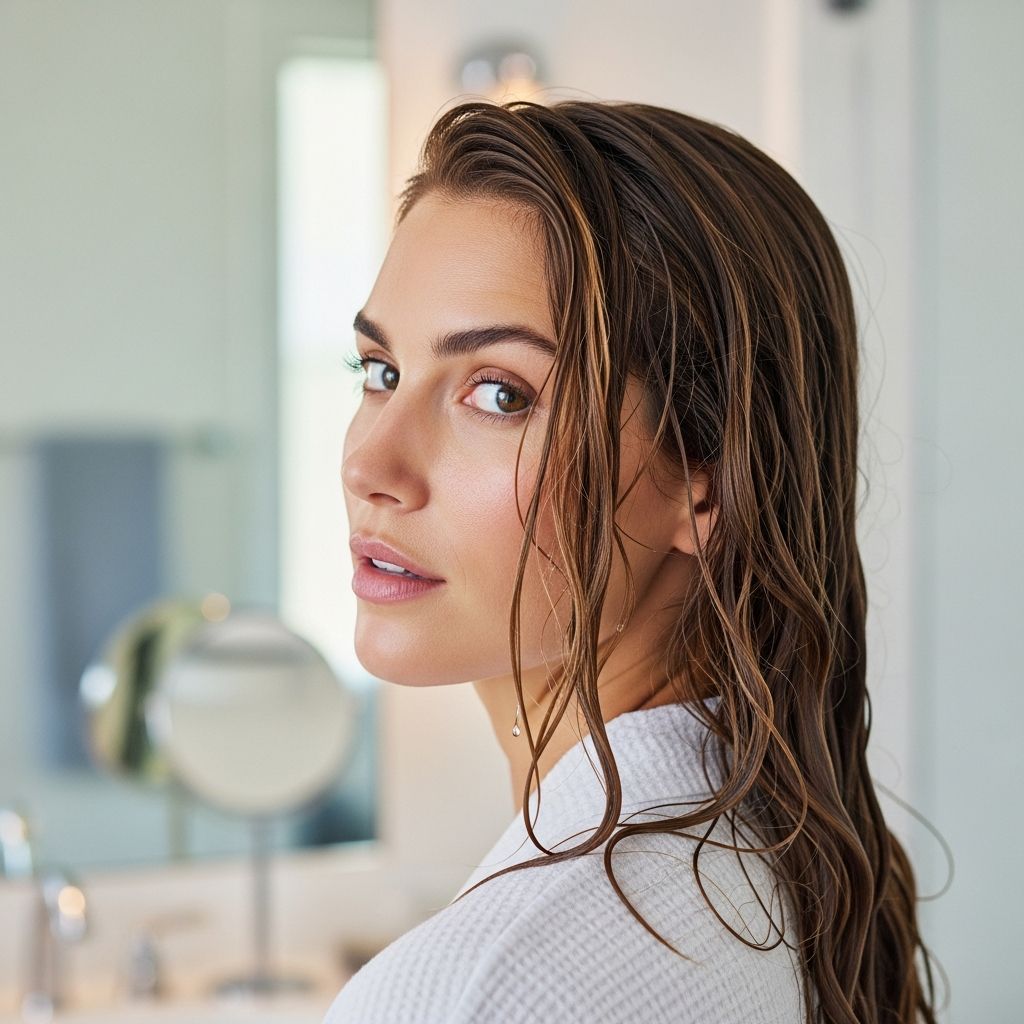
The frequency of washing your hair is a common dilemma, with debates ranging from daily shampoos to once-a-week routines. The optimal schedule depends on individual factors like hair type, scalp condition, lifestyle, and even age or ethnicity. Overwashing can strip natural oils leading to dryness and breakage, while underwashing may cause buildup, greasiness, and scalp issues. Experts emphasize personalization: fine, oily hair often needs more frequent washing, while curly or coily types benefit from less.
What Are the Benefits of Washing Your Hair?
Washing your hair removes dirt, excess sebum, sweat, product buildup, and environmental pollutants that accumulate on the scalp and strands. This cleansing prevents clogged follicles, reduces dandruff risk, and minimizes oxidative stress on both scalp and hair. Studies show that higher wash frequencies, such as 5-6 times per week, lead to greater satisfaction with hair condition, fewer ‘bad hair days,’ and objective improvements like reduced sebum and shine.
Regular washing also promotes healthier scalp microbiology by controlling yeast overgrowth and inflammation. For active individuals, it eliminates sweat-induced odor without necessitating daily full washes if using dry shampoos strategically. Ultimately, appropriate frequency balances cleanliness with preservation of natural moisturizing oils (sebum), which travel from scalp to ends to protect strands.
Does Washing Your Hair Every Day Damage It?
Daily washing does not inherently damage hair, particularly for fine or oily types, as evidenced by controlled studies showing no detrimental effects and even improvements in hair loss perception and brittleness. However, overwashing coarser, longer, or curly hair can deplete sebum, leading to dryness, brittleness, and breakage over time. Cleveland Clinic experts note that while hygiene benefits exist, curly hair especially suffers from daily routines.
The key is shampoo choice: gentle, sulfate-free formulas minimize stripping. Perceptions of damage often stem from harsh products rather than frequency alone. In Asian populations studied, daily washing yielded over 5 ‘great hair days’ per week versus under 3 for infrequent washers, with reduced oxidative stress.
How Often Should You Wash Your Hair Based on Hair Type?
Hair type dictates washing needs due to oil distribution speed—finer, straighter hair gets oily faster as sebum travels easily, while curls and coils trap moisture longer.
- Fine or thin hair: Wash every other day or daily to combat quick oiliness and limpness. Frequent cleansing keeps it voluminous.
- Straight hair: 2-3 times weekly suffices unless oily; daily for fine straights.
- Thick or coarse hair: 1-2 times per week prevents dryness; sebum takes longer to distribute.
- Wavy or curly hair: Once weekly or every 10-14 days; overwashing causes frizz and brittleness. Use moisturizing products.
- Coily (type 4) hair: Every 1-3 weeks minimum to retain moisture; even non-greasy, wash to remove debris.
A table summarizing recommendations:
| Hair Type | Recommended Frequency | Key Considerations |
|---|---|---|
| Fine/Straight | Every 1-2 days | Quick oil buildup; needs volume |
| Thick/Coarse | 1-2 times/week | Slower oil travel; dryness risk |
| Wavy/Curly | 1 time/week | Prone to frizz; moisture retention |
| Coily | Every 2-3 weeks | High dryness/breakage potential |
How Often Should You Wash Your Hair with an Oily Scalp?
Oily scalps produce excess sebum, leading to greasy roots, limp hair, and potential flaking. Wash daily or every other day to control shine and buildup. Studies confirm reduced sebum and improved scalp condition with 5-7 washes weekly. Pair with clarifying shampoos weekly, but avoid harsh ones to prevent rebound oiliness.
How Often Should You Wash Your Hair with a Dry Scalp?
Related Stories



Dry scalps flake and itch from insufficient oils. Limit to 1-2 times weekly with hydrating shampoos. Overwashing exacerbates irritation; focus on conditioning. If dandruff-like, consult for medicated options without increasing frequency.
Does Age Affect How Often You Should Wash Your Hair?
Yes, aging alters sebum production and hair density. Children and teens often need 2-3 washes weekly due to active scalps. Adults vary by type. Post-menopause, reduced oils mean less frequent washing (1-2 times/week) to avoid dryness. Ethnic factors interplay: people of color may need even less to prevent brittleness.
Should You Wash Your Hair After Every Workout?
Not necessarily—stick to your routine regardless of exercise. Sweat causes odor but not always grease; rinse with water or dry shampoo suffices. Heavy sweaters may align washes post-workout, but experts advise against altering for activity alone.
Can You Train Your Hair to Be Less Greasy?
Some claim ‘no-poo’ methods train scalps to produce less oil, but evidence is anecdotal. Studies show consistent washing better manages sebum without rebound. Transition gradually: extend intervals by 1 day weekly, using dry shampoos. Results vary; oily types may not adapt well.
How Often Should You Wash Your Hair in Hard Water?
Hard water minerals build up faster, dulling hair. Wash 2-3 times weekly with chelating shampoos monthly. Rinse thoroughly; consider filters for long-term prevention.
Tips for Healthy Hair Washing Routines
- Use lukewarm water to avoid stripping oils.
- Shampoo scalp only; condition lengths.
- Alternate clarifying and moisturizing shampoos.
- Towel-dry gently; air-dry when possible.
- Incorporate scalp massages for circulation.
Frequently Asked Questions (FAQs)
Is it bad to wash your hair every day?
No, for fine/oily hair; yes for curly/coily. Studies show benefits without damage for many.
How often should you wash 4C hair?
Every 2-4 weeks to preserve moisture, using co-washes in between.
Does washing hair less make it less greasy?
Not reliably; buildup worsens appearance. Consistent washing is more effective.
Should you shampoo every time you condition?
Not always—co-washing suits low-frequency needs for moisture without cleanse.
How do you know if you’re overwashing?
Signs: dryness, irritation, flyaways. Adjust down and hydrate more.
References
- The Impact of Shampoo Wash Frequency on Scalp and Hair Conditions — Draelos ZD et al. 2021-05-27. https://pmc.ncbi.nlm.nih.gov/articles/PMC8138261/
- How Often Should You Wash Your Hair? — Cleveland Clinic. 2023 (updated). https://health.clevelandclinic.org/the-dirty-truth-about-washing-your-hair
- How Often Should You Wash Your Hair? — CeraVe Skin Smarts. 2024 (recent access). https://www.cerave.com/skin-smarts/hair-and-scalp-expertise/how-often-should-you-wash-your-hair
- I Stopped Washing My Hair Every Day – Here’s What Happened — Women’s Health Mag UK. 2024-10-15. https://www.womenshealthmag.com/uk/beauty/hair/a61483420/wash-hair-every-day/
Similar Articles








Read full bio of Sneha Tete