How Ozempic Works: Understanding GLP-1s for Diabetes and Weight Loss
Discover how Ozempic and GLP-1 receptor agonists work to manage diabetes, promote weight loss, and improve cardiovascular health.
How Ozempic Works: Understanding GLP-1s for Diabetes, Weight Loss, and Beyond
Ozempic has become one of the most discussed medications in recent years, capturing attention for its effectiveness in managing type 2 diabetes and its remarkable weight loss benefits. The medication represents a significant advancement in diabetes care and metabolic health management. Understanding how Ozempic works requires examining its mechanism of action, its effects on various body systems, and its broader applications beyond traditional diabetes treatment.
What is Ozempic and GLP-1 Receptor Agonists?
Ozempic is the brand name for semaglutide, an injectable medication that belongs to a class of compounds called glucagon-like peptide-1 (GLP-1) receptor agonists. GLP-1 receptor agonists have been approved in the United States since 2005 for managing blood sugar levels in type 2 diabetes. Semaglutide represents an advancement in this class of medications, offering a once-weekly injection formulation compared to daily alternatives like liraglutide (Saxenda).
The medication works by mimicking a natural hormone in the body that plays a crucial role in regulating blood sugar and appetite. This hormone, glucagon-like peptide-1, is naturally released from your gastrointestinal tract after you consume a meal. By creating a more stable and active form of this natural compound, pharmaceutical researchers developed semaglutide to provide more consistent and potent therapeutic effects.
The Mechanism of Action: How Ozempic Controls Blood Sugar
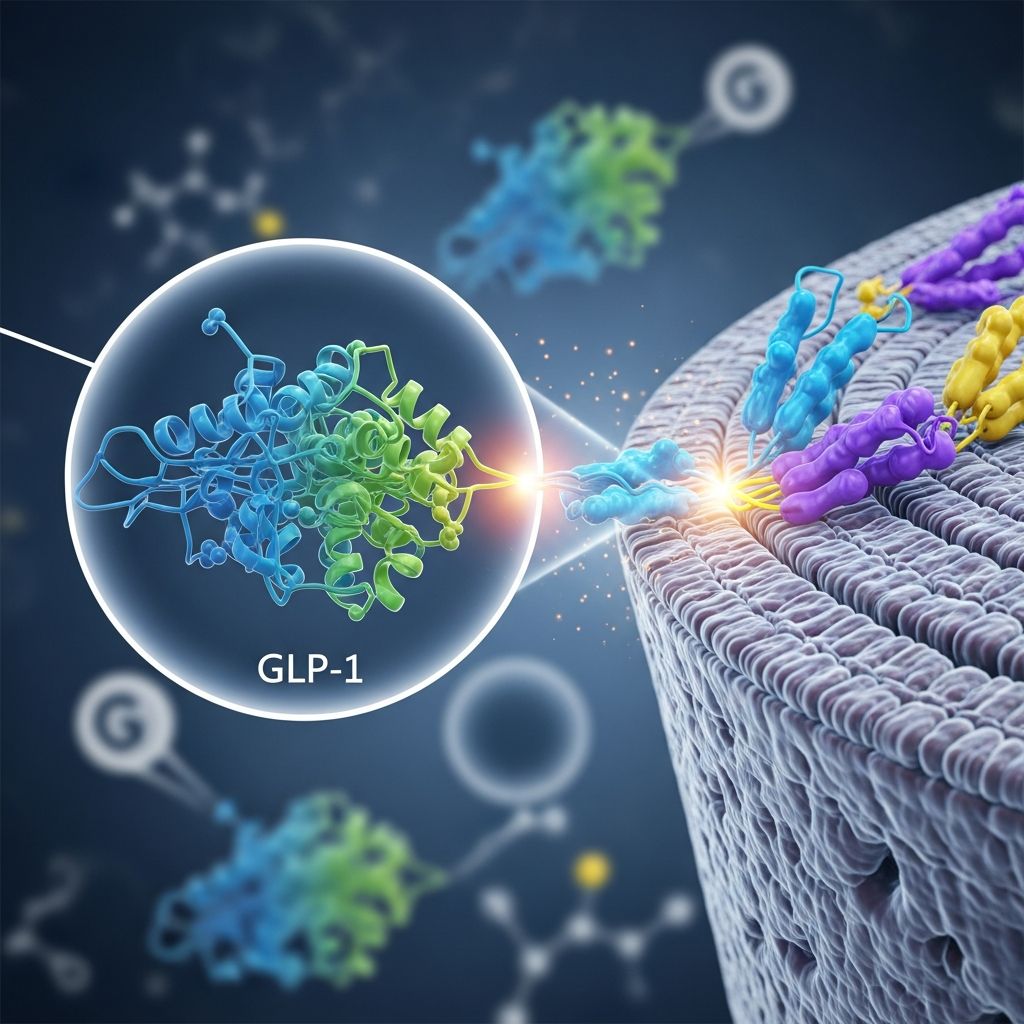
Ozempic acts as a GLP-1 receptor agonist by selectively binding to and activating the GLP-1 receptor, found abundantly in pancreatic beta cells and other tissues throughout the body. This activation triggers a cascade of cellular events that ultimately leads to improved blood sugar control through multiple mechanisms.
Stimulating Insulin Secretion
The primary mechanism through which Ozempic lowers blood sugar is by stimulating insulin secretion from beta cells in the pancreas. When Ozempic activates the GLP-1 receptor, coupled G proteins stimulate adenylate cyclase, increasing production of cyclic AMP (cAMP) from ATP. This increased cAMP leads to cell membrane depolarization and an increase in calcium concentration, ultimately triggering the secretion of insulin granules from beta cells.
Importantly, this stimulation occurs in a glucose-dependent manner, meaning insulin is released primarily when blood glucose levels are elevated. With Ozempic, the insulin secretion rate in patients with type 2 diabetes becomes similar to that of healthy subjects. This glucose-dependent mechanism is significant because it reduces the risk of hypoglycemia (dangerously low blood sugar) compared to other diabetes medications.
Reducing Glucagon Secretion
Beyond stimulating insulin, Ozempic also lowers glucagon secretion from pancreatic alpha cells in a glucose-dependent manner. Glucagon is a hormone that raises blood sugar by promoting the breakdown of stored glycogen and the production of new glucose. By reducing glucagon secretion when blood sugar is already elevated, Ozempic provides a dual approach to lowering blood glucose levels.
Delaying Gastric Emptying
Ozempic causes a minor delay in gastric emptying, meaning food moves more slowly from the stomach into the small intestine. This slows the rate at which glucose appears in the circulation after meals, contributing to better post-meal blood sugar control. This delay in gastric emptying also creates practical effects that contribute to weight loss, which will be discussed in detail below.
Related Stories



Weight Loss Effects: Beyond Blood Sugar Control
While Ozempic was originally developed for diabetes management, clinical investigations revealed significant and impressive weight loss effects in study participants. This discovery has expanded the medication’s applications and popularity, particularly with the introduction of Wegovy, a higher-dose formulation of semaglutide specifically approved for chronic weight management.
Appetite Suppression and Satiety
The weight loss impacts of GLP-1 receptor agonists arise from several interconnected physiological effects. Activation of the GLP-1 receptor extends the feeling of fullness during and after meals by slowing stomach emptying into the intestine. This increases feelings of satisfaction and reduces the desire to continue eating during a meal.
Additionally, the GLP-1 receptor is also expressed in the hypothalamus, the brain region responsible for regulating appetite and hunger signals. Studies suggest that GLP-1 receptor activation in this area helps regulate overall appetite control. When semaglutide is administered to individuals, it curbs their appetite, and they essentially don’t feel the need to eat as drastically. The medication also reduces cravings for highly palatable foods, addressing one of the significant challenges in weight management.
Overall Impact on Food Intake
GLP-1 receptor agonists’ weight loss effects fundamentally arise from reducing people’s food intake. By combining delayed gastric emptying, enhanced satiety signals, and reduced appetite at the brain level, these medications create multiple pathways that naturally lead to consuming fewer calories. This multi-system approach explains why many patients experience significant and sustained weight loss with these medications.
Cardiovascular and Kidney Benefits
Beyond blood sugar and weight management, Ozempic provides important cardiovascular and renal protective benefits. The medication is indicated to reduce the risk of major adverse cardiovascular events (including cardiovascular death, nonfatal myocardial infarction, and nonfatal stroke) in adults with type 2 diabetes and established cardiovascular disease.
Additionally, Ozempic is indicated to reduce the risk of sustained eGFR decline, end-stage kidney disease, and cardiovascular death in adults with type 2 diabetes and chronic kidney disease. These benefits represent significant advances in addressing the serious complications that often accompany diabetes.
Clinical Indications and Usage
Primary Uses
Ozempic is available in formulations of 0.5 mg, 1 mg, or 2 mg and is indicated for multiple purposes:
- As an adjunct to diet and exercise to improve glycemic control in adults with type 2 diabetes
- To reduce the risk of major adverse cardiovascular events in adults with type 2 diabetes and established cardiovascular disease
- To reduce the risk of sustained eGFR decline, end-stage kidney disease, and cardiovascular death in adults with type 2 diabetes and chronic kidney disease
Important Considerations
While Ozempic and similar GLP-1 receptor agonists are life-saving drugs for individuals with type 2 diabetes and game-changing for individuals with severe obesity, they are not necessarily intended simply for losing a few pounds. Healthcare providers recommend that diet and exercise should still be your first options when managing weight. These medications work best as part of a comprehensive approach to health that includes lifestyle modifications.
The Evolution of GLP-1 Therapies
The development of GLP-1 receptor agonist therapy represents an important evolution in diabetes and weight management treatments. Liraglutide (brand name Saxenda) was first approved for chronic weight management in adults in 2014. Study participants were either obese or overweight with a weight-related condition such as hypertension. Semaglutide has provided advantages over liraglutide, particularly through requiring only a once-weekly injection while liraglutide requires daily injections.
Beyond semaglutide, researchers are exploring even more advanced peptides. Tirzepatide, for example, is a dual GLP-1/GIP receptor agonist (GIP stands for glucose-dependent insulinotropic polypeptide) that was recently approved for treatment of type 2 diabetes. Clinical trial results suggest that tirzepatide outperforms semaglutide for controlling blood sugar and reducing weight. These advances demonstrate the ongoing innovation in metabolic disease treatment.
How Blood Glucose Regulation Works
To fully understand how Ozempic works, it’s helpful to understand the normal process of blood glucose regulation. Blood glucose levels are regulated by a fine-tuned interplay of multiple body systems, signaling agents, and nutrient intake. When food and nutrients enter the small intestine, insulin is released from beta cells in the pancreas. Insulin promotes glucose uptake into tissues from the blood and stimulates glycogen formation from glucose. The overall impact is lowered blood sugar levels.
In individuals with type 2 diabetes, this system becomes dysregulated. Pancreatic beta cells either don’t produce enough insulin or the body becomes resistant to insulin’s effects. GLP-1 receptor agonists like Ozempic work to restore more normal glucose regulation by enhancing the body’s own insulin secretion mechanisms and reducing opposing glucagon secretion.
Molecular Basis of GLP-1 Receptor Activation
The GLP-1 receptor is a transmembrane protein belonging to the B class of G-protein coupled receptors and is expressed in beta cells in the pancreas and in numerous other locations throughout the body. When semaglutide binds to and activates this receptor, it sets off a molecular cascade of events. The coupled G proteins stimulate adenylate cyclase, increasing production of cyclic AMP (cAMP) from ATP. Increased cAMP then stimulates several downstream effects, including cell membrane depolarization and an increase in cytosolic calcium concentration, ultimately leading to secretion of insulin granules from beta cells.
This molecular mechanism demonstrates why GLP-1 receptor agonists are so effective: they work with the body’s natural signaling pathways rather than forcing insulin production through artificial means, which explains the glucose-dependent nature of their action and their favorable safety profile.
Frequently Asked Questions
Q: Is Ozempic only for people with diabetes?
A: While Ozempic was originally developed for type 2 diabetes management, Wegovy (a higher-dose formulation of semaglutide) is specifically approved for chronic weight management in adults with obesity or overweight conditions with weight-related health issues. However, these medications work best as part of a comprehensive approach including diet and exercise.
Q: How often do I need to take Ozempic?
A: Ozempic is administered as a once-weekly injection, which is one of its advantages over some earlier GLP-1 medications like liraglutide that require daily injections.
Q: Can Ozempic cause low blood sugar?
A: Because Ozempic stimulates insulin secretion in a glucose-dependent manner, it has a lower risk of causing hypoglycemia compared to some other diabetes medications. However, this risk may increase when combined with other diabetes medications, so it’s important to follow your doctor’s guidance.
Q: How much weight can I expect to lose with Ozempic?
A: Weight loss varies among individuals and depends on factors such as baseline weight, diet, exercise, and individual response to the medication. Clinical studies have shown significant weight loss results, but these medications are most effective when combined with lifestyle modifications.
Q: Are there side effects associated with Ozempic?
A: Like all medications, Ozempic can cause side effects. Common side effects include nausea, vomiting, and gastrointestinal issues, particularly when first starting the medication. These often improve over time as the body adjusts. It’s important to discuss potential side effects with your healthcare provider.
Q: Is Ozempic suitable for everyone?
A: Ozempic is not suitable for everyone. It should not be used by people with a personal or family history of medullary thyroid carcinoma or those with multiple endocrine neoplasia type 2. Your healthcare provider can determine whether Ozempic is appropriate for your specific health situation.
Key Takeaways
Ozempic represents a significant advancement in diabetes and weight management therapy through its action as a GLP-1 receptor agonist. By stimulating insulin secretion, reducing glucagon secretion, and delaying gastric emptying, it provides effective blood sugar control with a favorable safety profile. Beyond glycemic control, Ozempic offers weight loss benefits through appetite suppression and enhanced satiety signals in the brain, along with important cardiovascular and renal protective effects. While these medications are life-changing for people with type 2 diabetes and those with severe obesity, they work best as part of a comprehensive approach that includes diet and exercise. Ongoing research into dual and triple receptor agonists promises even more effective treatments for metabolic diseases in the future.
References
- Novo Nordisk Pharmatech. Ozempic (semaglutide) Mechanism of Action — Novo Nordisk. 2024. https://www.novomedlink.com/diabetes/products/treatments/ozempic/about/mechanism-of-action.html
- Proactive Health Research and Education. Ozempic (Semaglutide) for Weight Loss and Diabetes — Proactive Health. 2024. https://www.promegaconnections.com/ozempic-semaglutide-for-weight-loss-and-diabetes/
- British Pharmacological Society. An Exploration of Ozempic — British Pharmacological Society. April 2024. https://www.bps.ac.uk/Publishing/Pharmacology-Matters/April-2024/An-exploration-of-Ozempic
- University of Illinois College of Medicine. How Do Drugs Like Ozempic Work for Weight Loss? — University of Illinois. July 2024. https://mcb.illinois.edu/news/2024-07-09/how-do-drugs-ozempic-work-weight-loss
- National Center for Biotechnology Information. Semaglutide – StatPearls — NCBI Bookshelf. 2024. https://www.ncbi.nlm.nih.gov/books/NBK603723/
- Gu, W. et al. Glucagon-like Peptide-1 Receptor: Mechanisms and Advances in Drug Development — Nature. 2024. https://www.nature.com/articles/s41392-024-01931-z
Similar Articles








Read full bio of medha deb