How Psoriatic Arthritis Affects the Body
Psoriatic arthritis impacts more than joints—explore its effects on skin, eyes, heart, lungs, GI tract, liver, kidneys and beyond.
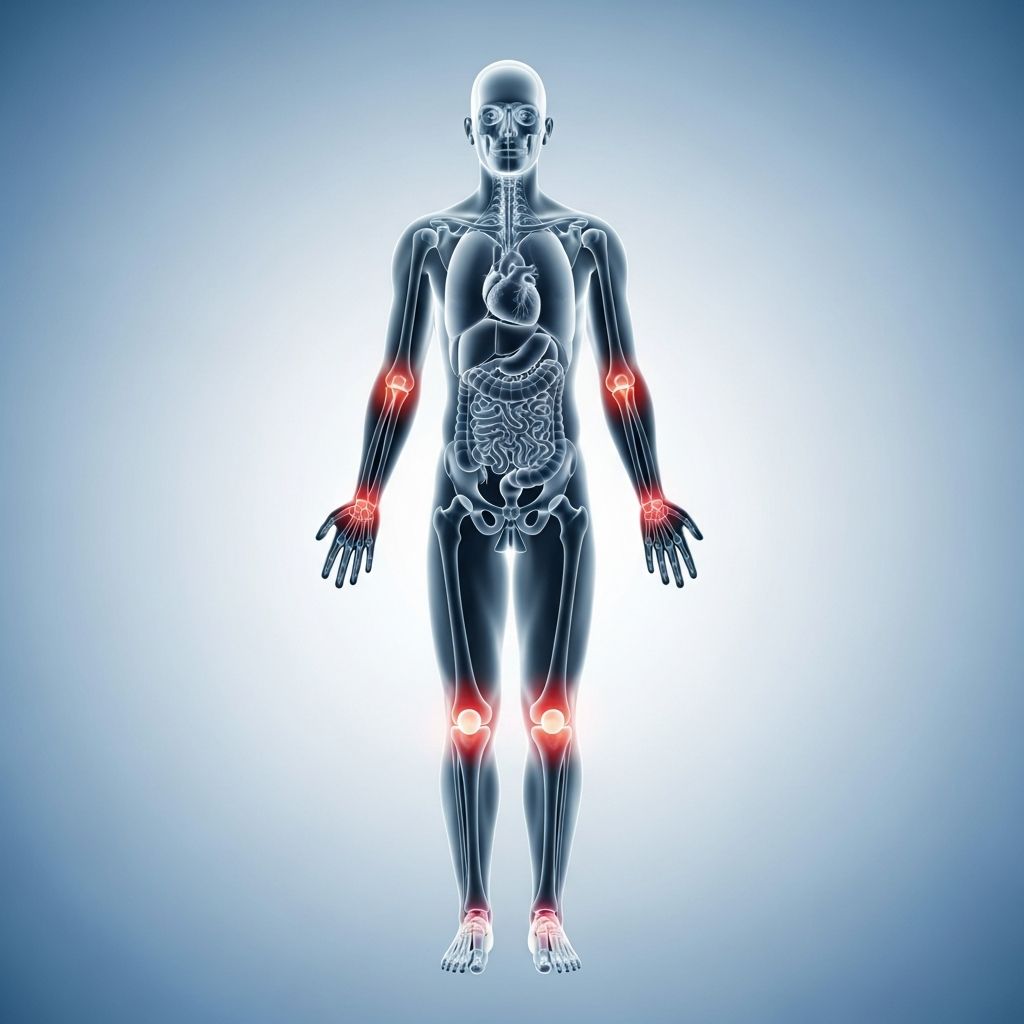
Psoriatic arthritis (PsA) is a chronic inflammatory disease linked to psoriasis that causes joint pain, stiffness and swelling. While joints are the primary target, the systemic inflammation of PsA impacts multiple organs and systems throughout the body, including the skin, eyes, heart, lungs, gastrointestinal tract, liver and kidneys. Understanding these widespread effects is crucial for comprehensive management and preventing complications.
Skin
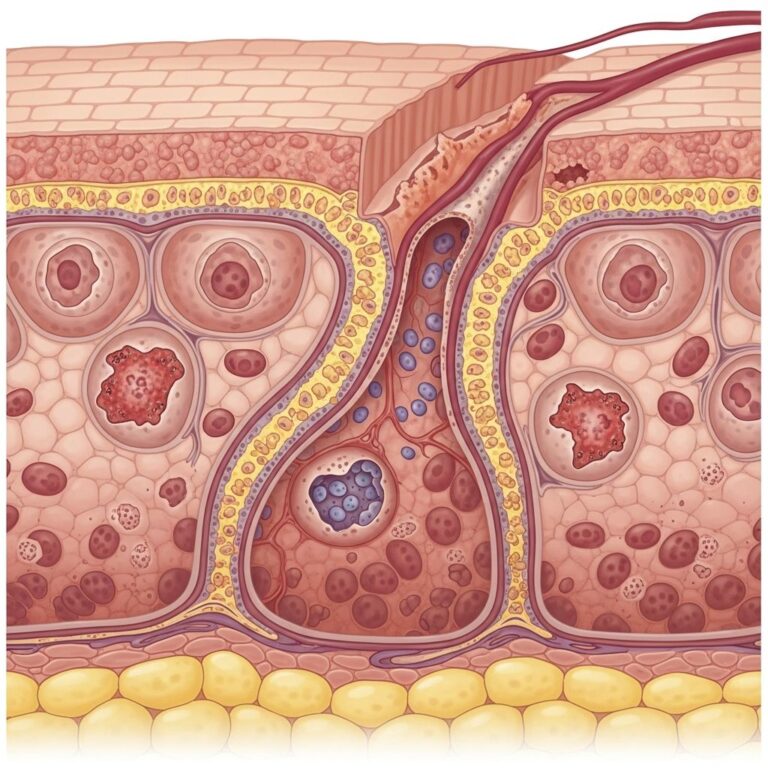
The skin is often the first visible sign of psoriatic arthritis through its strong association with psoriasis. Psoriasis manifests as red, scaly patches, typically on the elbows, knees, scalp and lower back. These plaques result from rapid skin cell turnover caused by immune system overactivity. In PsA patients, up to 30% develop arthritis symptoms, but many have psoriasis first.
Nail changes are particularly common and distinctive in PsA. Nail pitting—small dents in the nail surface—affects about 80% of patients. Other changes include onycholysis (nail separation from the bed), thickening, discoloration and crumbling. These nail psoriasis signs correlate strongly with joint involvement, especially in fingers and toes.
- Plaque psoriasis: Raised, red lesions with silvery scales, most common on extensor surfaces.
- Guttate psoriasis: Small, drop-shaped lesions often triggered by infections, covering large areas.
- Nail psoriasis: Pitting, ridging or oil-drop spots under nails.
Skin flares can precede or coincide with joint symptoms, serving as early warning signs. Triggers like stress, infections or trauma (Koebner phenomenon) exacerbate plaques.
Eyes
PsA-related inflammation can affect the eyes, leading to conditions like conjunctivitis (pink eye), uveitis, scleritis or dry eye syndrome. Uveitis, inflammation of the middle eye layer, causes pain, redness, light sensitivity and blurred vision, potentially leading to vision loss if untreated.
Scleritis involves swelling of the sclera (white part of the eye), causing severe pain and redness. Dry eye syndrome results in gritty, burning sensations due to reduced tear production from inflammation. These ocular manifestations occur in 7-25% of PsA patients and require prompt ophthalmologic care.
- Redness and pain in one or both eyes
- Blurred vision or light sensitivity
- Excessive tearing or dryness
Early detection through regular eye exams is essential, as untreated inflammation can cause permanent damage.
Heart
Chronic inflammation in PsA significantly elevates cardiovascular risk. Patients have higher rates of hypertension, hyperlipidemia and atherosclerosis due to inflammatory cytokines promoting plaque buildup in arteries. Obesity, common in PsA, amplifies these risks through adipokine-mediated inflammation.
Studies show PsA patients have a 1.5-2 times higher risk of heart attack and stroke compared to the general population. Metabolic syndrome—characterized by central obesity, high blood pressure, elevated blood sugar and lipids—affects up to 40% of PsA patients.
Related Stories



| Risk Factor | Prevalence in PsA | Impact |
|---|---|---|
| Obesity | 30-50% | Increases atherosclerosis |
| Hypertension | 25-40% | Strains heart vessels |
| High Cholesterol | 35% | Promotes plaque formation |
Lifestyle interventions like weight management, exercise and smoking cessation are critical alongside rheumatologic treatment to mitigate heart risks.
Lungs
Pulmonary involvement in PsA is less common but serious, primarily manifesting as interstitial lung disease (ILD). ILD causes lung tissue scarring, leading to shortness of breath, dry cough and fatigue. Airway inflammation and pleural effusions may also occur.
While rarer than in rheumatoid arthritis, PsA-ILD affects 1-5% of patients and correlates with disease severity. Smoking exacerbates lung damage, highlighting the need for cessation. Symptoms often develop insidiously, so screening with pulmonary function tests is recommended for high-risk patients.
Gastrointestinal Tract
PsA increases the risk of inflammatory bowel disease (IBD), particularly Crohn’s disease (nearly 3x risk) and ulcerative colitis (1.3x risk). Shared genetic and immune pathways drive gut inflammation, causing diarrhea, abdominal pain, blood in stool and weight loss.
GI symptoms warrant gastroenterology evaluation. Some PsA treatments like biologics may benefit both joint and gut inflammation.
- Persistent diarrhea (>7 days)
- Abdominal cramps or blood in stool
- Unexplained weight loss
- Fever or malaise
Liver
Liver complications in PsA stem from chronic inflammation, medications and metabolic factors. Non-alcoholic fatty liver disease (NAFLD) affects 20-50% due to obesity and insulin resistance. Elevated liver enzymes signal potential damage.
Symptoms include fatigue, right upper quadrant pain, jaundice and leg swelling. Regular monitoring with liver function tests is standard, especially for patients on methotrexate or biologics.
Kidneys
Renal involvement occurs through NSAID-induced damage, amyloidosis or IgA nephropathy. Chronic inflammation promotes protein leakage and reduced filtration. Hypertension and diabetes further strain kidneys.
Monitor for swelling, foamy urine, fatigue and elevated creatinine. Kidney-protective strategies include blood pressure control and avoiding nephrotoxic drugs.
Frequently Asked Questions (FAQs)
What are the early signs of psoriatic arthritis?
Early signs include scaly skin patches, joint pain/stiffness (especially mornings), fatigue, nail pitting, sausage digits and foot pain.
Does PsA always cause visible skin symptoms?
No, about 15-30% of PsA patients have no skin psoriasis, but most have some manifestation.
Can PsA affect internal organs?
Yes, it increases risks for heart disease, IBD, lung issues, liver and kidney problems beyond joints.
How is PsA diagnosed?
Diagnosis involves clinical history, physical exam, blood tests (negative RF), imaging and ruling out other arthritides.
What lifestyle changes help manage PsA?
Weight loss, low-impact exercise (yoga, swimming), anti-inflammatory diet, stress reduction and smoking cessation.
References
- Early signs and symptoms of psoriatic arthritis — UCLA Health. 2023. https://www.uclahealth.org/news/article/early-signs-psoriatic-arthritis
- Psoriatic Arthritis Symptoms, Causes, & Risk Factors — NIAMS/NIH. 2024-01-15. https://www.niams.nih.gov/health-topics/psoriatic-arthritis
- Psoriatic Arthritis Signs and Symptoms — Johns Hopkins Arthritis Center. 2023. https://www.hopkinsarthritis.org/arthritis-info/psoriatic-arthritis/clinical-manifestation/
- Psoriatic arthritis — Arthritis Research UK. 2024. https://www.arthritis-uk.org/information-and-support/understanding-arthritis/conditions/psoriatic-arthritis/
- Beyond Joints: How Psoriatic Arthritis Affects the Body — Arthritis Foundation. 2023-05-20. https://www.arthritis.org/health-wellness/about-arthritis/related-conditions/other-diseases/how-psoriatic-arthritis-affects-the-body
- Psoriatic Arthritis: Symptoms and Treatments — Cleveland Clinic. 2024-02-10. https://my.clevelandclinic.org/health/diseases/13286-psoriatic-arthritis
Similar Articles








Read full bio of Sneha Tete