Remote Mental Health Services Improve LGBTQ+ Access
Discover how telehealth and online therapy are transforming mental health access for the LGBTQ+ community, offering safe, affirming care from anywhere.
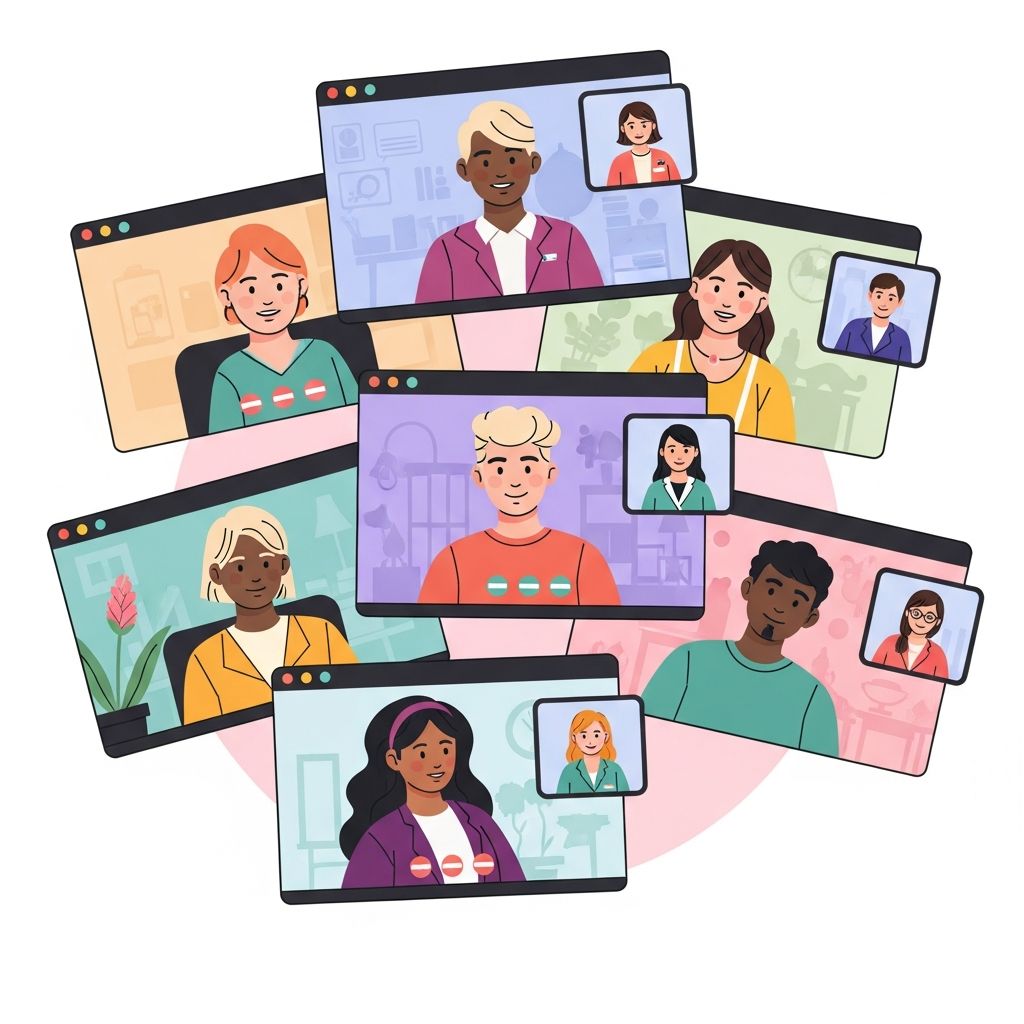
Remote mental health services, including telepsychiatry and online therapy, have significantly enhanced access to care for LGBTQ+ individuals by offering privacy, convenience, and affirming support tailored to their unique needs. These digital platforms address longstanding barriers such as stigma, geographic isolation, and discrimination, enabling more people to seek help without fear.
The Unique Mental Health Challenges Faced by the LGBTQ+ Community
Members of the LGBTQ+ community experience disproportionately high rates of mental health issues due to minority stress, discrimination, family rejection, and societal stigma. For instance, LGBTQ+ youth face elevated risks of depression, anxiety, and suicidality, with studies showing they are four times more likely to attempt suicide than their heterosexual peers.
Adults in this community often grapple with trauma from bullying, harassment, or violence, compounded by challenges related to coming out, relationship dynamics, and gender dysphoria. Traditional in-person therapy can exacerbate these issues if clinics are not affirming or if patients fear being seen entering a mental health facility in unsupportive areas.
- Minority Stress: Chronic stress from prejudice leads to higher anxiety and depression rates.
- Family Rejection: Particularly impacts youth, increasing homelessness and isolation risks.
- Healthcare Discrimination: Past negative experiences deter seeking care.
Barriers to Traditional Mental Health Care
Before the rise of remote services, LGBTQ+ individuals faced multiple obstacles to accessing mental health support. Geographic barriers were prominent in rural or conservative areas lacking LGBTQ+-competent providers. Stigma around mental health and sexuality often prevented people from attending in-person sessions, fearing judgment from family, coworkers, or neighbors.
Financial constraints, long wait times, and transportation issues further limited access. Waiting rooms in non-affirming clinics could trigger anxiety, and mismatched therapists lacking cultural competence often led to ineffective treatment or dropout.
| Barrier | Impact on LGBTQ+ Community | Example |
|---|---|---|
| Geographic | Rural areas lack specialists | Patients travel hours or forgo care |
| Stigma | Fear of being outed | Avoiding clinics in small towns |
| Availability | Few affirming providers | Long waitlists for competent therapists |
| Cost | High out-of-pocket fees | Insurance not covering specialized care |
How Remote Services Overcome These Barriers
Telehealth platforms like Skycloud Health, LGBTQ Therapy Space, and Talkspace have revolutionized access by delivering care via secure video, eliminating travel needs and allowing sessions from private home spaces. This privacy is crucial for those not out to family or living in hostile environments.
Remote services expand reach to underserved areas, connecting users with licensed, LGBTQ+-affirming therapists nationwide. Platforms vet providers for cultural competence, ensuring trauma-informed, gender-affirming care. Flexible scheduling accommodates busy lives, reducing no-show rates and improving continuity of care.
- Privacy: Sessions from home prevent accidental outing.
- Accessibility: Available 24/7 in many cases, with insurance acceptance.
- Specialization: Matches users to therapists experienced in LGBTQ+ issues like coming out or dysphoria.
Related Stories



Benefits of Remote Mental Health Services for LGBTQ+ Individuals
The advantages extend beyond access. Online therapy fosters openness in safe environments, leading to better therapeutic alliances and outcomes. Patients report higher satisfaction due to personalized matching algorithms on platforms like Talkspace.
For transgender individuals, remote care supports gender-affirming treatments, including hormone therapy consultations without public clinic visits. Youth benefit from crisis support like The Trevor Project’s 24/7 hotline, which has prevented countless suicides.
Cost-effectiveness is key: Many services accept insurance, sliding-scale fees, or employer plans, making care affordable. Data shows telehealth retention rates 20-30% higher for LGBTQ+ users due to convenience.
Real-World Examples and Success Stories
Skycloud Mental Health serves LGBTQ+ adults across multiple states via telepsychiatry, addressing issues from self-acceptance to psychiatric needs like anxiety treatment. Patients praise the comfort of home-based sessions in non-accepting communities.
LGBTQ Therapy Space connects users to affirming therapists specializing in queer identities, using HIPAA-compliant platforms for seamless scheduling. Be BOLD Psychology offers neuroaffirming telehealth, helping clients in rural North Carolina build coping strategies.
Spark Mental Health provides evidence-based telepsychiatry with LGBTQ+ training, resulting in improved well-being scores among users. Talkspace’s vast network offers discreet counseling, with many reporting reduced depression symptoms post-treatment.
“Telehealth allowed me to finally talk about my transition without fear—it’s been life-changing.” – Anonymous user testimonial, adapted from platform reviews.
Addressing Potential Challenges and Limitations
Despite benefits, challenges persist. Digital divide affects those without reliable internet or devices, particularly low-income or older LGBTQ+ individuals. Privacy concerns arise with shared living spaces or hacking risks, though HIPAA compliance mitigates this.
Not all conditions suit remote care; severe cases may need in-person intervention. Provider shortages in certain states limit options. Solutions include toolkit resources from organizations like OutCare Health for equitable telehealth implementation.
- Tech access: Subsidized devices/programs needed.
- Training: Ongoing education for providers.
- Equity: Hybrid models for comprehensive care.
The Future of Remote Mental Health for the LGBTQ+ Community
Advancements like AI matching, VR therapy, and expanded insurance coverage promise even greater access. Policy changes post-2024 have boosted federal funding for telehealth in underserved populations. Integration with wearables for mood tracking will personalize care further.
Organizations like The Trevor Project advocate for sustained investment, ensuring remote services evolve to meet diverse needs. With 70% of LGBTQ+ individuals preferring telehealth per recent surveys, its role will only grow.
Frequently Asked Questions (FAQs)
Is online therapy as effective as in-person for LGBTQ+ individuals?
Yes, research shows comparable or better outcomes due to increased engagement and privacy.
How do I find an LGBTQ+-affirming telehealth provider?
Use platforms like LGBTQ Therapy Space or OutCare Health directories to match with vetted specialists.
Does insurance cover remote mental health services?
Many do, especially post-parity laws; check Talkspace or Skycloud for in-network options.
Can telehealth support gender-affirming care?
Absolutely, including therapy and consultations across states like Michigan.
What if I don’t have good internet for sessions?
Some offer phone or async messaging; community resources provide tech support.
References
- LGBTQ+ Therapy Online | Skycloud Health’s Affirming Care — Skycloud Mental Health. 2024. https://skycloudhealth.com/telepsychiatry-for-lgbtq/
- LGBTQ Therapy Space | Inclusive Online Therapy Services — LGBTQ Therapy Space. 2024. https://lgbtqtherapyspace.com
- How Telehealth Therapy Supports LGBTQIA+ Mental Health in 2024 — Be BOLD Psychology and Consulting. 2024. https://beboldpsychnc.com/telehealth-therapy-supports-lgbtqia-mental-health/
- LGBTQ-Friendly Telepsychiatry: Finding Inclusive Care — Spark Mental Health. 2024. https://www.sparkmentalhealth.com/lgbtq-friendly-telepsychiatry-finding-inclusive-care/
- LGBTQIA+ Counseling: Affirming Online Therapists — Talkspace. 2024. https://www.talkspace.com/online-therapy/lgbtqia
- The Trevor Project – Suicide Prevention for LGBTQ+ Young People — The Trevor Project. 2024. https://www.thetrevorproject.org
- MHP-Telehealth — Transgender Michigan. 2024. https://www.transgendermichigan.org/transpages-1/mhp-telehealth
Similar Articles








Read full bio of medha deb