How Safe Is Dermaplaning? Expert Guide For 2025
Discover the safety profile of dermaplaning, a popular skin exfoliation treatment using a scalpel to remove dead skin and peach fuzz for smoother, brighter skin.
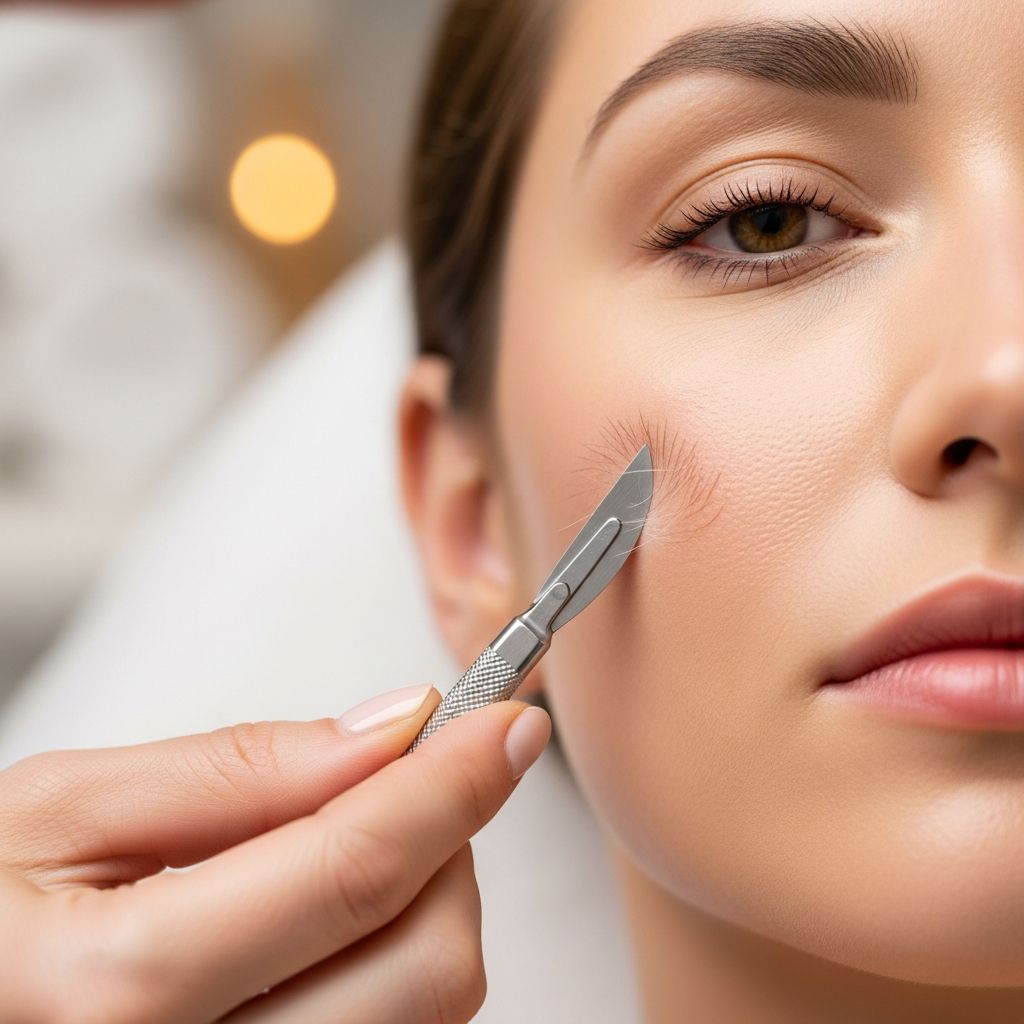
Dermaplaning is a minimally invasive cosmetic procedure that uses a sterile scalpel to gently scrape away the top layer of dead skin cells and fine vellus hair (peach fuzz) from the face, resulting in smoother, brighter skin. When performed correctly by trained professionals, it is generally safe with a low risk profile, as supported by dermatological studies and expert consensus.
What Is Dermaplaning?
Dermaplaning, also known as blading, involves holding the skin taut and gliding a sharp, sterile surgical scalpel at a 45-degree angle across the face to exfoliate the stratum corneum—the outermost layer of dead skin—and remove soft, fine hairs. This treatment has gained popularity for its immediate results, including enhanced skin glow, better product absorption, and makeup application. Unlike abrasive scrubs or chemical peels, dermaplaning provides mechanical exfoliation without downtime for most people.
The procedure typically takes 30-45 minutes and is painless, often described as a gentle scraping sensation. No anesthesia is required, and patients can resume normal activities immediately after. Dermatologists note its suitability for various skin types, though precautions are essential.
Is Dermaplaning Safe?
Yes, dermaplaning is considered safe for most individuals when done by licensed professionals using sterile tools and proper technique. A 2019 study in the Journal of Clinical and Aesthetic Dermatology highlights its strong safety profile with minimal adverse events when protocols are followed. Cleveland Clinic affirms it as a low-risk cosmetic treatment, though not without potential side effects.
Safety hinges on factors like skin condition, practitioner expertise, and aftercare. Professionals minimize risks through hygiene, precise angles, and skin assessment. At-home attempts increase complications due to lack of training and sanitation.
Potential Risks and Side Effects of Dermaplaning
While rare, side effects can occur, mostly mild and transient. Common issues include:
- Mild redness and irritation: Occurs immediately post-treatment as the skin surface is scraped; resolves in 1-2 days.
- Increased sun sensitivity: Exfoliated skin lacks its protective layer, heightening UV vulnerability; sunscreen is mandatory.
- Temporary breakouts: Purging of clogged pores may cause minor acne-like bumps.
Rarer, serious risks from improper execution include:
- Infection: From non-sterile blades or poor hygiene, potentially leading to staph infections or scarring.
- Cuts or nicks: Aggressive scraping by novices can cause bleeding or scars.
- Hyperpigmentation: More common in darker skin tones if post-care is neglected.
- Scarring: In those prone to keloids or with inflammatory conditions.
Dermatologists emphasize that risks drop significantly with professionals who use single-use blades and follow sanitation protocols.
Who Should Avoid Dermaplaning?
Dermaplaning is contraindicated for certain individuals to prevent complications. Avoid if you have:
- Active acne, cystic breakouts, or inflamed lesions (risk of spreading bacteria and scarring).
- Inflammatory conditions like rosacea, eczema, or psoriasis.
- Open wounds, sunburn, or recent chemical peels/laser treatments.
- Used isotretinoin (Accutane) in the last 6 months (skin too fragile).
- Poor immunity, blood sugar issues, metal allergies, or infections.
- History of cold sores (risk of outbreaks) or inability to stay still.
Related Stories



Consult a dermatologist first if pregnant, as while generally safe, individual assessment is needed. Darker skin tones can benefit but require experienced providers to avoid pigmentation issues.
Professional Dermaplaning vs. At-Home Dermaplaning
| Aspect | Professional | At-Home |
|---|---|---|
| Safety | High: Sterile tools, trained experts, low infection risk | Moderate: Higher nick/infection chance without training |
| Effectiveness | Optimal exfoliation, even results | Variable; may miss areas or be too aggressive |
| Cost | $100-$300 per session | $20-$50 for kits |
| Risks | Minimal with protocols | Infection, uneven shaving, scarring |
Experts like those from UCLA and Cleveland Clinic strongly recommend professionals for precision and hygiene. At-home is riskier; use quality tools, sanitize skin/blade, and stretch skin properly if attempting.
How to Choose a Safe Provider for Dermaplaning
Select board-certified dermatologists, licensed estheticians, or med-spas with:
- Proof of training and sterile, single-use blades.
- Before/after photos and client testimonials.
- Pre-treatment skin consultations.
- Clean facilities adhering to medical standards.
Ask about their experience, complication rates, and post-care protocols. Avoid unregulated salons.
Dermaplaning Aftercare: Best Practices
Post-treatment care minimizes risks and maximizes results:
- Apply gentle, hydrating serum or moisturizer immediately.
- Use broad-spectrum SPF 30+ daily; avoid sun exposure for 48 hours.
- Skip actives (retinoids, AHAs, BHAs) for 3-5 days to prevent irritation.
- Avoid makeup for 24 hours; use clean, non-comedogenic products after.
- No sweating/exercise for 24-48 hours.
- Monitor for infection signs (excess redness, pus); seek medical help if needed.
Glow peaks in 3-5 days as skin turnover completes.
How Often Can You Get Dermaplaning?
Every 4-6 weeks for professionals to allow skin recovery and avoid over-exfoliation, which compromises the barrier. Some experts suggest every 2 months for safety. Frequency depends on hair growth and tolerance; consult your provider.
Frequently Asked Questions (FAQs)
Does dermaplaning make hair grow back thicker?
No. It removes vellus hair at the surface; regrowth is the same texture and color. Myth debunked by dermatologists.
Can dermaplaning cause breakouts?
Possibly temporary purging, but proper aftercare prevents worsening. Avoid if active acne.
Is dermaplaning safe during pregnancy?
Generally yes, as non-chemical, but consult your doctor.
Does dermaplaning hurt?
No, it’s painless—feels like light scraping.
Can I dermaplane before an event?
Ideal 3-7 days prior for peak glow without redness.
Is it safe for sensitive skin?
Yes, with gentle technique, but test via professional consultation.
Dermaplaning offers safe, effective exfoliation for radiant skin when approached cautiously. Prioritize professionals, know your skin, and follow aftercare for optimal safety.
References
- Is Dermaplaning Safe? Here’s What Dermatologists Want You to Know — Dr. Park Ave Dermatology. 2023. https://www.drparkave.com/blog-posts/is-dermaplaning-safe-heres-what-dermatologists-want-you-to-know
- Are there any side effects of dermaplaning — White Pebble Dermatology. 2024. https://www.whitepebbledermatology.com/blog/are-there-any-side-effects-of-dermaplaning/?bp=45084
- Dermaplaning 101: Benefits, Safety — Cara Mia Medspa. 2023. https://caramiamedspa.com/questions-dermaplaning/
- What Dermatologists Say About Dermaplaning — My Rejuvenation. 2024. https://myrejuvenation.com/blog/what-dermatologists-say-about-dermaplaning/
- A Dermatologist Weighs In: Does Dermaplaning Help with Acne? — Beverly Hills Skin. 2023. https://bhskin.com/blog/a-dermatologist-weighs-in-does-dermaplaning-help-with-acne/
- What Exactly Is Dermaplaning, and Is It Safe? — Consumer Reports. 2024-01-13. https://www.consumerreports.org/health/what-is-dermaplaning-and-is-it-safe-a7086154452/
- Dermaplaning: What It Is, Benefits & Side Effects — Cleveland Clinic. 2024. https://my.clevelandclinic.org/health/treatments/22680-dermaplaning
Similar Articles








Read full bio of medha deb