How Serious Is Squamous Cell Carcinoma?
Understanding the risks, detection, and treatment of squamous cell carcinoma, the second most common skin cancer.
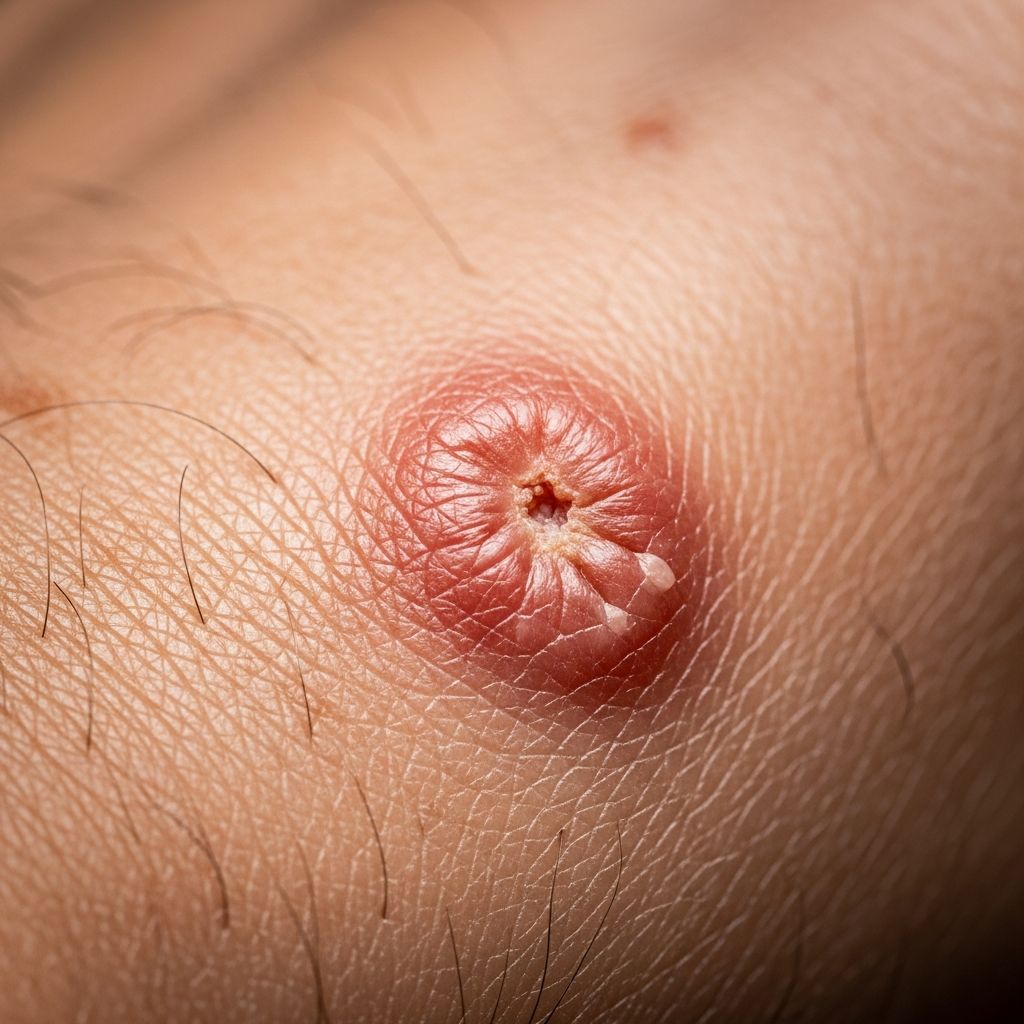
How Serious Is a Squamous Cell Carcinoma?
Squamous cell carcinoma (SCC), also known as cutaneous squamous cell carcinoma (cSCC), is the second most common type of skin cancer after basal cell carcinoma. It arises from abnormal, accelerated growth of squamous cells in the epidermis, the outermost layer of the skin. While most SCCs are highly curable when detected early—with cure rates exceeding 95%—they can become serious if left untreated, potentially leading to local invasion, metastasis, and even death in rare cases.
This article explores the seriousness of SCC by covering its definition, risk factors, symptoms, diagnosis, treatment options, prognosis, and prevention. Early recognition is key, as SCC accounts for the majority of nonmelanoma skin cancer-related metastases and fatalities.
What Is Squamous Cell Carcinoma?
Squamous cells are flat, thin cells that form the surface of the skin’s epidermis. They continuously shed and replace themselves under normal conditions. SCC develops when DNA damage—most often from ultraviolet (UV) radiation—triggers mutations, such as in the p53 gene, causing these cells to multiply uncontrollably and form tumors.
SCC most commonly appears on sun-exposed areas like the face, ears, neck, lips, scalp, arms, hands, and legs. It can also occur in mucous membranes (e.g., mouth, throat, lungs, genitals) or scars, chronic wounds, or actinic keratoses (precancerous rough patches). Unlike basal cell carcinoma, SCC has a higher potential to invade deeper tissues or spread to lymph nodes and distant organs, though this happens in less than 5% of cases when treated promptly.
Risk Factors for Squamous Cell Carcinoma
Several factors increase the likelihood of developing SCC. Understanding these helps in prevention and early detection.
- UV Exposure: Cumulative sun exposure, especially during childhood, and tanning bed use are primary causes. Fair-skinned individuals with light hair and eyes are at higher risk.
- Immunosuppression: Organ transplant recipients, HIV patients, or those on immunosuppressive drugs face elevated risks due to weakened immune surveillance.
- Chronic Skin Damage: Areas with burns, scars, ulcers, or long-term inflammation (e.g., from radiation therapy).
- Precancerous Lesions: Actinic keratoses often precede SCC.
- Genetics and Other Factors: History of skin cancer, older age (>50), male gender, and exposure to arsenic or certain chemicals.
Incidence is rising worldwide, with over 1 million U.S. cases annually, making it more common than melanoma but second deadliest among nonmelanoma skin cancers.
Symptoms and Appearance of SCC
SCC lesions vary but often develop on sun-damaged skin. Early detection hinges on recognizing these signs:
- Scaly red patches, patches, or plaques that persist.
- Open sores that bleed, crust, or don’t heal within a month.
- Rough, thickened, or wart-like growths.
- Raised growths with a central depression or indentation.
- Itching, tenderness, or bleeding tumors.
Bowen’s disease, or SCC in situ, is an early form confined to the epidermis, appearing as a persistent scaly patch. Invasive SCC may show ulceration, keratin buildup, or rapid growth. Dermoscopy reveals features like hairpin vessels, glomerular vessels, or red starburst patterns, aiding diagnosis.
| Stage | Appearance | Risk Level |
|---|---|---|
| In Situ (Bowen’s) | Scaly red patch | Low; non-invasive |
| Early Invasive | Wart-like, ulcerated | Moderate; treatable |
| Advanced | Large, bleeding tumor | High; potential metastasis |
Diagnosis of Squamous Cell Carcinoma
Diagnosis starts with a skin exam by a dermatologist. Suspicious lesions prompt a biopsy—either shave, punch, or excisional—for histopathology, the gold standard. High-risk features include poor differentiation, depth >2mm, perineural invasion, or desmoplastic subtype.
Advanced tools enhance accuracy:
- Dermoscopy: Reveals irregular vessels and keratin masses.
- Reflectance Confocal Microscopy (RCM): Non-invasive imaging showing dyskeratotic cells and round vessels.
- Imaging: CT/MRI or sentinel lymph node biopsy for staging if metastasis is suspected.
Staging uses TNM criteria: T (tumor size/depth), N (nodes), M (metastasis). Most are low-stage.
Treatment Options for SCC
Treatment depends on size, location, depth, and patient health. Early SCC is often cured surgically.
Surgical Treatments
- Excisional Surgery: Removes tumor with margins; standard for most.
- Mohs Micrographic Surgery: Layer-by-layer removal with immediate microscopy; ideal for face/high-risk areas, >99% cure rate.
Non-Surgical Options
- Cryotherapy/Topicals: For in situ or small lesions (e.g., 5-FU, imiquimod).
- Curettage & Electrodesiccation: Scraping and burning for superficial tumors.
- Radiation: For inoperable cases or elderly patients.
For advanced/metastatic SCC:
- Immunotherapy: Checkpoint inhibitors like cemiplimab or pembrolizumab.
- Targeted Therapy: EGFR inhibitors.
- Chemotherapy: Rarely, for widespread disease.
Follow-up includes skin exams every 3-6 months initially.
Prognosis and How Serious Is SCC?
SCC is rarely life-threatening when caught early. Cure rates:
- >95% for local disease.
- 70-90% for high-risk local.
- <50% if metastatic.
Metastasis risk: 2-5%, higher with immunosuppression, large tumors (>2cm), or invasion. Mortality is low (<1%), but rising incidence underscores vigilance. Prior SCC increases recurrence risk.
Prevention of Squamous Cell Carcinoma
Prevention focuses on UV protection:
- Seek shade, avoid 10am-4pm sun.
- Use broad-spectrum SPF 30+ sunscreen daily, reapply.
- Wear UPF clothing, hats, sunglasses.
- Avoid tanning beds.
- Self-exams monthly; annual dermatologist visits if high-risk.
Manage precancers and immunosuppression.
Frequently Asked Questions (FAQs)
Is squamous cell carcinoma serious?
Most SCCs are curable (>95%) if treated early, but untreated cases can invade or metastasize, becoming life-threatening.
How fast does SCC spread?
SCC grows slowly but can metastasize over months if advanced. Early intervention prevents this.
Can SCC be cured completely?
Yes, especially with Mohs surgery for early lesions. Recurrence risk requires monitoring.
Who is at highest risk for SCC?
Fair-skinned people with heavy sun exposure, immunosuppressed individuals, and those with prior skin cancer.
Does SCC always come from the sun?
UV is primary, but scars, chronic wounds, or HPV can also cause it.
References
- Squamous Cell Carcinoma: What it is, Causes & Treatment — Cleveland Clinic. 2023-10-27. https://my.clevelandclinic.org/health/diseases/17480-squamous-cell-carcinoma
- Squamous Cell Carcinoma — Skin Cancer Foundation. 2024-05-10. https://www.skincancer.org/skin-cancer-information/squamous-cell-carcinoma/
- Squamous Cell Carcinoma: Early Signs, Risks & What to Do Next — Premier Surgical Network. 2024-02-15. https://www.premiersurgicalnetwork.com/blog/squamous-cell-carcinoma
- Squamous Cell Carcinoma: An Update on Diagnosis and Treatment — PMC (NCBI). 2020-06-21. https://pmc.ncbi.nlm.nih.gov/articles/PMC7319751/
- What Are Basal and Squamous Cell Skin Cancers? — American Cancer Society. 2024-01-12. https://www.cancer.org/cancer/types/basal-and-squamous-cell-skin-cancer/about/what-is-basal-and-squamous-cell.html
Similar Articles


Read full bio of Sneha Tete