How Skin Conditions Affect Skin Cancer Detection and Treatment
Discover how common skin conditions like rosacea, eczema, psoriasis, and melasma complicate skin cancer detection and treatment.
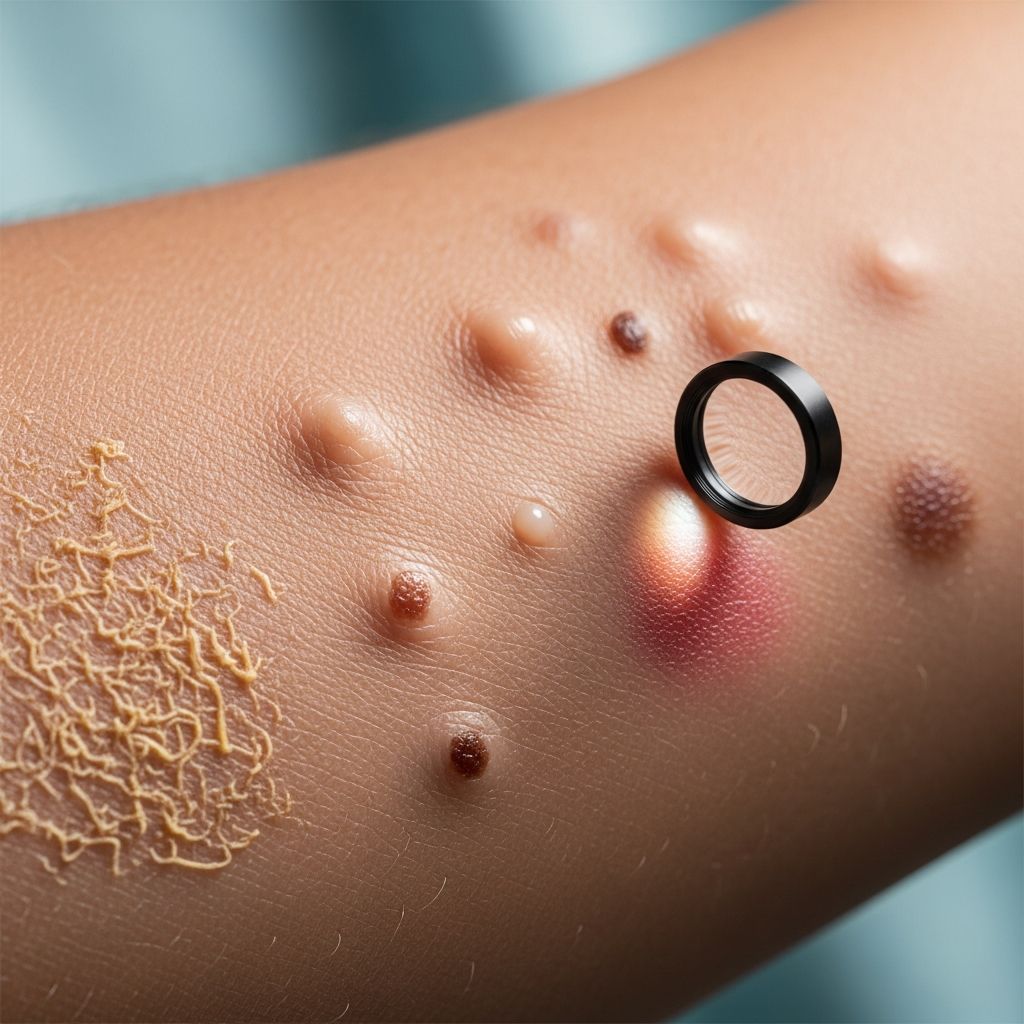
Millions of people in the United States live with chronic skin conditions like rosacea, eczema, psoriasis, and melasma. While these conditions are typically benign and manageable, they can significantly complicate the detection and treatment of skin cancer, the most common form of cancer in the country. Skin cancers, including basal cell carcinoma (BCC), squamous cell carcinoma (SCC), and melanoma, often present as unusual spots, growths, or changes in the skin. However, inflammatory, scaly, or pigmented skin conditions can mask these signs, leading to delayed diagnoses and more invasive treatments.
Board-certified dermatologists emphasize that early detection remains crucial, as late identification can result in disfigurement, recurrence, or metastasis. This article, informed by expert insights from Dr. James Sandwich, MD, MPH, examines four prevalent skin conditions, their interactions with skin cancer, and practical strategies for patients. Understanding these overlaps empowers individuals to advocate for thorough skin exams and consistent sun protection.
4 Skin Conditions That Can Affect Skin Cancer Detection and Treatment
Common dermatological issues affect nearly 50 million Americans collectively, overlapping with skin cancer risk factors like UV exposure. These conditions alter skin appearance, making it harder for even experienced dermatologists to differentiate benign changes from malignant ones. Regular full-body skin checks are essential, particularly in affected areas.
Rosacea
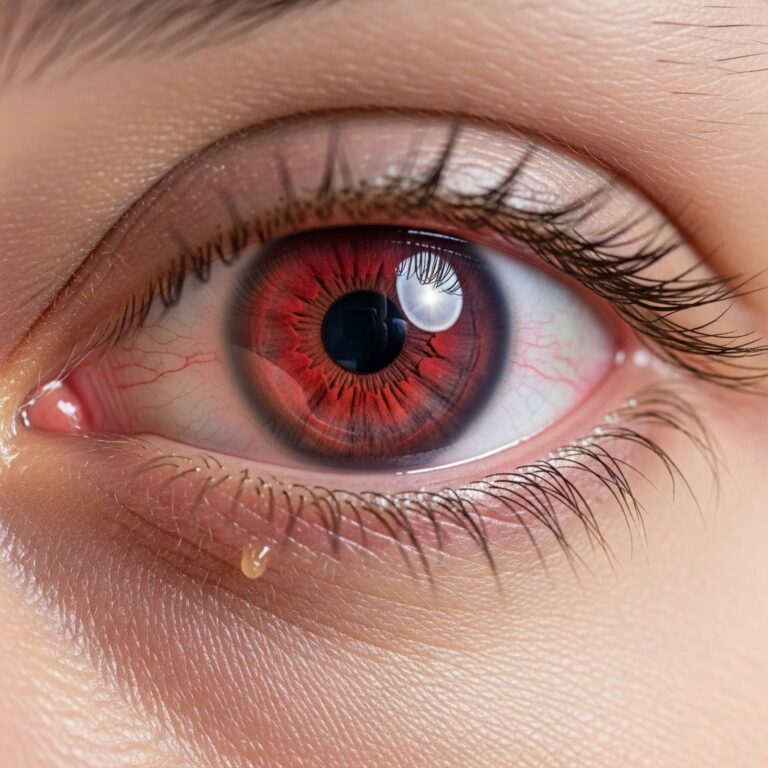
Rosacea is a chronic inflammatory disorder characterized by facial redness, visible blood vessels, and sometimes pustules or bumps, primarily affecting the cheeks, nose, chin, and forehead. It impacts over 16 million Americans and flares with triggers like sun exposure, stress, or spicy foods. While rosacea itself does not increase skin cancer risk, its persistent redness and inflammation can conceal early skin cancers, especially BCC on the nose.
Dr. Sandwich recounts a case where a patient was misdiagnosed with rosacea, but biopsy revealed BCC, necessitating a large reconstructive flap. Key differentiators include bleeding from minimal trauma in cancers versus non-bleeding rosacea. Inflamed rosacea skin obscures tumor cells under microscopy during Mohs surgery, potentially requiring multiple procedures and raising recurrence risk.
- Management Tips: Use prescription medications like topical metronidazole or oral antibiotics to control flares. Incorporate broad-spectrum sunscreen daily as part of treatment to prevent worsening.
- Treatment Challenges: Avoid surgery during active flares; clear inflammation first to improve visibility and outcomes.
- Detection Aid: Monitor for non-resolving bumps or easy bleeding in rosacea-prone areas.
Continuous symptom control is vital, as untreated inflammation complicates excision and healing.
Eczema and Psoriasis
Eczema (atopic dermatitis) and psoriasis are inflammatory conditions affecting nearly 40 million Americans. Eczema presents as red, itchy, scaly plaques that can thicken into nodules over time. Psoriasis features similar plaques, often with silvery scales, and may include pustules on hands and feet. Their structural similarities pose diagnostic challenges even for experts.
Inflammation and scaling delay skin cancer diagnosis, particularly by non-dermatologists, as cancers mimic these symptoms. UV phototherapy, a common treatment (e.g., narrow-band UVB or excimer laser), controls plaques but elevates skin cancer risk with cumulative exposure. Protocols minimize risk by targeting plaques while shielding unaffected skin with sunscreen or coverings.
Related Stories



| Condition | Key Features | Skin Cancer Impact | Treatment Considerations |
|---|---|---|---|
| Eczema | Red, scaly, itchy plaques; thickened skin | Masks inflammation/scaling of tumors | Physical sunscreens (zinc oxide); avoid irritants |
| Psoriasis | Silvery scales, pustules possible | Delays biopsy; UV therapy increases risk | Spot-treat with UVB; full-body protection |
Patients with these conditions are often sunscreen-sensitive, but mineral-based formulas (zinc oxide, titanium dioxide) are recommended. Labels for ‘sensitive skin’ help prevent flares.
Melasma
Melasma affects about 6 million Americans, 90% women, manifesting as large, brown patches on the face, triggered by UV light, pregnancy, or hormones. Unlike simpler hyperpigmentation, it’s resistant to treatment. The dark pigmentation hides melanomas and other cancers, as illustrated by Dr. Sandwich’s patient misdiagnosed at a spa—biopsy confirmed melanoma.
Hydroquinone and other lighteners can fade tumor borders, obscuring margins during excision. Surgeons may excise wider margins for safety. Topical treatments don’t interfere with surgery, but lasers or peels should be paused perioperatively. Head-to-toe sunscreen prevents recurrence and pigmentation.
- Risk Factors: Sun exposure exacerbates both melasma and cancer risk.
- Detection Strategy: Biopsy persistent or changing patches within melasma.
- Prevention: Daily SPF 30+ broad-spectrum sunscreen is cornerstone therapy.
The Bottom Line
Skin conditions do not inherently raise skin cancer risk but profoundly impact detection and treatment efficacy. Delayed diagnosis from masking effects can lead to advanced disease requiring complex interventions like Mohs surgery or reconstruction. Patients should prioritize annual dermatologist full-body exams, self-checks focusing on inflamed or pigmented areas, and rigorous sun protection.
Consult dermatologists experienced in both conditions and oncology. Biopsies resolve uncertainties, and controlled disease states optimize surgical outcomes. Early vigilance saves lives—skin cancer is highly curable when caught promptly.
Frequently Asked Questions (FAQs)
Q: Can rosacea be mistaken for skin cancer?
A: Yes, rosacea inflammation can mask basal cell carcinoma, especially on the nose. Cancers often bleed easily, unlike rosacea.
Q: Does UV therapy for psoriasis increase skin cancer risk?
A: Yes, controlled narrow-band UVB helps plaques but cumulatively raises risk. Targeted dosing and protection mitigate this.
Q: How does melasma hide melanoma?
A: Brown patches conceal pigmented lesions; lightening agents blur borders, complicating excision.
Q: Are mineral sunscreens safe for eczema/psoriasis?
A: Yes, zinc oxide and titanium dioxide are ideal for sensitive skin, reducing irritation.
Q: How often should I get skin checks with these conditions?
A: Annually with a dermatologist, plus monthly self-exams, focusing on affected areas.
Q: Can treatments for skin conditions interfere with cancer surgery?
A: Topicals generally don’t, but lasers/peels for melasma/rosacea should be avoided around procedures.
These FAQs address common concerns, promoting proactive care.
What You Can Do
Empower yourself against dual threats:
- Schedule annual full-body skin cancer screenings.
- Perform monthly self-exams using ABCDE rule (Asymmetry, Border irregularity, Color variation, Diameter >6mm, Evolving).
- Apply broad-spectrum SPF 30+ daily, reapplying every 2 hours outdoors.
- Maintain condition treatments to clear inflammation/pigmentation.
- Report new/changing spots promptly, especially in chronic areas.
Sun avoidance (seek shade 10 AM-4 PM) and protective clothing amplify safety. Photoprotection benefits both conditions and cancer prevention.
References
- Can your skin condition affect skin cancer detection and treatment? — Skin Cancer Centres. 2023. https://www.skincancercentres.com.au/blog/skin-condition-affect-skin-cancer-detection-treatment
- 4 Skin Conditions That Can Affect Skin Cancer Detection and Treatment — Skin Cancer Foundation. 2023-10-01. https://www.skincancer.org/blog/how-skin-conditions-can-affect-skin-cancer-detection-and-treatment/
- Skin cancer – Diagnosis and treatment — Mayo Clinic. 2024. https://www.mayoclinic.org/diseases-conditions/skin-cancer/diagnosis-treatment/drc-20377608
- Skin Cancer: Symptoms, Types & Treatment — Cleveland Clinic. 2024. https://my.clevelandclinic.org/health/diseases/15818-skin-cancer
- Skin Conditions That Can Impact Skin Cancer Detection — DermMD. 2019-08-29. https://dermmd.com/2019/08/29/skin-conditions-that-can-impact-skin-cancer-detection/
Similar Articles








Read full bio of Sneha Tete