How Statins Protect The Heart: Key Mechanisms Explained
Discover how statins work to reduce cholesterol and protect your cardiovascular health.
How Statin Drugs Protect the Heart
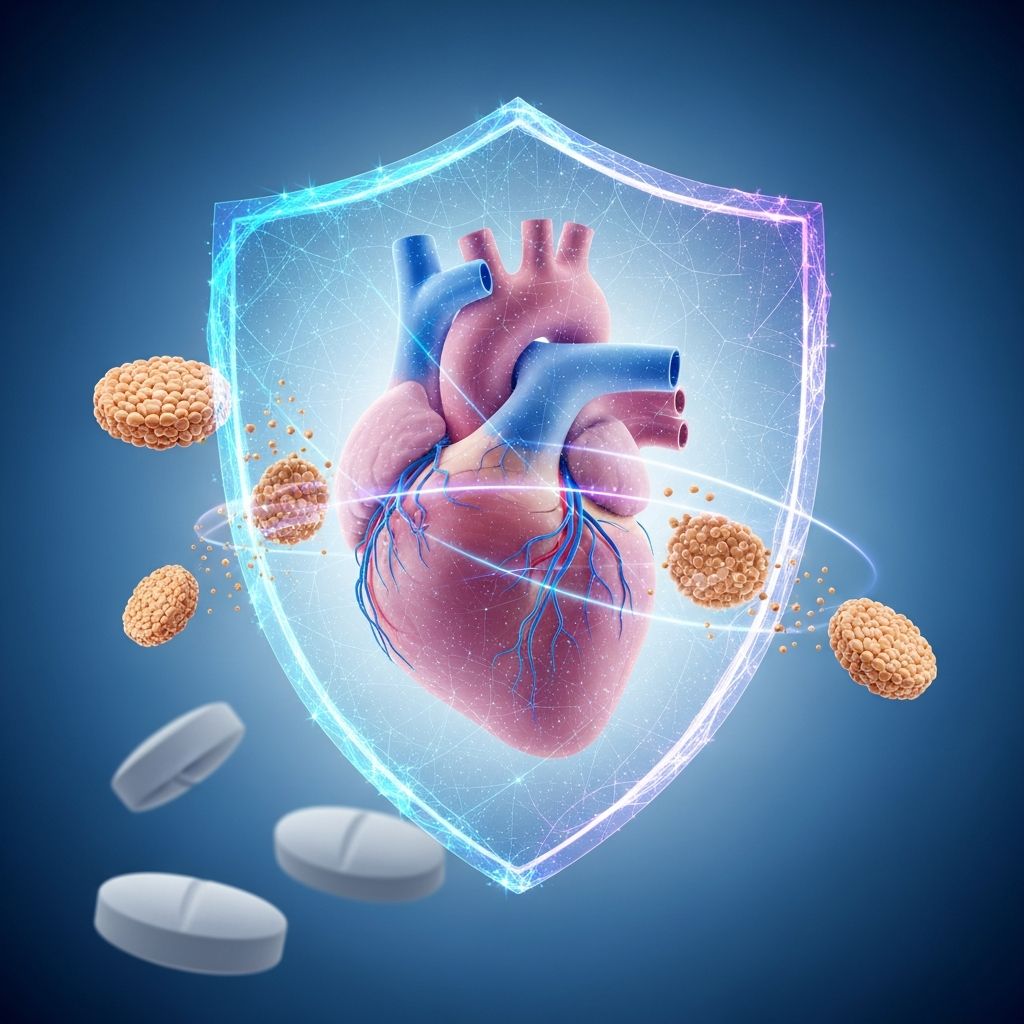
Statins are among the most commonly prescribed medications in the world, and they have revolutionized the approach to preventing heart disease and stroke. These powerful medications work through multiple mechanisms to protect your cardiovascular system, going far beyond simply lowering cholesterol numbers. Understanding how statins function can help patients and healthcare providers make informed decisions about their use in disease prevention and management.
Heart disease remains one of the leading causes of death globally, and elevated cholesterol is a major risk factor for developing this condition. Statins have been proven effective in reducing the incidence of heart attacks, strokes, and other cardiovascular events in millions of patients worldwide. This comprehensive guide explains the mechanisms behind statin therapy and how these medications provide protection for your heart.
What Are Statins?
Statins are a class of medications that belong to a group known as HMG-CoA reductase inhibitors. These drugs work by blocking a key enzyme in the liver that produces cholesterol. By inhibiting this enzyme, statins effectively reduce the amount of cholesterol your body manufactures, leading to lower cholesterol levels in your bloodstream.
The most commonly prescribed statins include atorvastatin, rosuvastatin, simvastatin, pravastatin, and lovastatin. Each of these medications works through the same basic mechanism but may have slightly different potencies and side effect profiles. Your healthcare provider will determine which statin is most appropriate based on your individual health profile and cholesterol levels.
Primary Mechanism: Lowering Cholesterol
The main way statins reduce your risk of heart attack and stroke is by lowering your cholesterol levels. Cholesterol is a fatty substance made by your liver that your body uses to make vitamin D, hormones, and other essential compounds. However, when cholesterol levels become too high, it can accumulate in your arteries and increase your risk of cardiovascular disease.
Statins work specifically in the liver to block the production of cholesterol. This action prompts your liver to absorb more LDL cholesterol (the “bad” cholesterol) from your bloodstream. The result is a significant reduction in circulating LDL cholesterol levels. Additionally, statins reduce the plasma concentrations of total cholesterol, VLDL cholesterol, triglycerides, and apoB, while increasing HDL cholesterol (the “good” cholesterol) levels.
Effects on Different Cholesterol Types
Statins have distinct effects on various types of cholesterol and lipids in your blood:
- LDL Cholesterol: Significantly reduced through increased hepatic uptake
- Total Cholesterol: Decreased through combined reduction of LDL and VLDL
- Triglycerides: Lowered through reduced VLDL production
- HDL Cholesterol: Modestly increased, providing additional cardiovascular benefit
- VLDL Cholesterol: Reduced through inhibition of hepatic cholesterol biosynthesis
Beyond Cholesterol: Pleiotropic Effects
One of the most exciting discoveries about statins is that they provide cardiovascular protection through mechanisms that are independent of cholesterol lowering. These additional benefits are called pleiotropic effects, and they represent important ways statins protect your heart beyond simply reducing cholesterol numbers.
Related Stories



These pleiotropic effects occur because statins inhibit the production of prenylated proteins in the cholesterol biosynthetic pathway, which affects multiple cellular processes throughout your cardiovascular system. This multi-targeted approach makes statins particularly effective at preventing cardiovascular disease.
Key Mechanisms of Statin-Mediated Heart Protection
Plaque Stabilization
Atherosclerotic plaque accumulation in your arteries is a major cause of heart attacks and strokes. A critical mechanism by which statins protect your heart is by stabilizing existing plaques and preventing them from rupturing. Coronary artery plaque rupture predisposes to acute coronary syndromes, which are life-threatening events.
Statins maintain the integrity of the fibrous cap of atherosclerotic plaque, which acts as a protective barrier around the plaque core. Additionally, statins inhibit the proliferation of macrophages and decrease the expression of matrix metalloproteinases (MMP), enzymes that can weaken the plaque structure. By strengthening plaques and preventing their rupture, statins reduce the likelihood of clot formation and subsequent heart attacks or strokes.
Reduction of Inflammation
Inflammation plays an essential role in atherosclerotic plaque rupture and is now recognized as a key driver of cardiovascular disease. Statins have potent anti-inflammatory properties that help protect your heart.
Statins reduce the level of pro-inflammatory cytokines, including tumor necrosis factor-alpha (TNF-α), interleukin-6 (IL-6), and interleukin-8 (IL-8). They also decrease the concentration of C-reactive protein (CRP), a marker of systemic inflammation that has been shown to predict future cardiovascular events. Through the inhibition of nuclear factor kappa B and other inflammatory pathways, statins systematically reduce the inflammatory environment in your cardiovascular system.
Improved Endothelial Function
The endothelium is the thin layer of cells that lines your blood vessels and plays a crucial role in vascular health. Statins improve endothelial function by increasing eNOS (endothelial nitric oxide synthase) activity within endothelial cells, resulting in vasodilation and improved myocardial blood flow.
This mechanism is particularly important because it means statins improve blood flow throughout your body, reducing the workload on your heart and ensuring that oxygen-rich blood reaches all tissues efficiently. Statins also increase nitric oxide (NO) availability, which has protective effects against ischemic injury and helps prevent platelet aggregation at sites of vascular lesions.
Decreased Blood Clotting Risk
Statins also work by making existing cholesterol deposits less likely to break off and cause a blood clot. This is an important mechanism because blood clots formed from ruptured plaques are the direct cause of most heart attacks and strokes.
Statins decrease the activity of platelets and reduce thromboxane A2 synthesis, both of which reduce your blood’s tendency to clot inappropriately. Additionally, statins decrease the expression of endothelial adhesion molecules such as ICAM-1, VCAM-1, and E-selectin, which further reduces platelet adhesion and the formation of dangerous clots.
Antioxidant and Anti-inflammatory Effects
Beyond their direct effects on cholesterol and inflammation, statins provide additional cardiovascular protection through antioxidant mechanisms. These drugs reduce reactive oxygen species production and regulate oxidative stress in blood vessels and heart tissue. This is particularly important in heart failure patients, where oxidative stress plays a significant role in disease progression.
Clinical Evidence for Statin Effectiveness
The cardiovascular benefits of statins are well-established through decades of clinical research. Landmark clinical trials have demonstrated the efficacy of statins for both primary prevention (preventing a first heart attack or stroke in people without known disease) and secondary prevention (preventing subsequent events in people with established cardiovascular disease).
Heart failure patients who take statins are less likely to suffer a second heart attack, and patients with acute coronary syndromes treated with statins show significant improvements in event-free survival. These clinical outcomes demonstrate that the protective effects of statins translate into real-world benefits for patients.
Special Populations and Benefits
Heart Failure Management
Statins have emerged as beneficial agents in heart failure treatment, providing benefits independent of cholesterol levels. Patients with both ischemic and nonischemic heart failure have shown improved survival with statin therapy, and patients receiving statin therapy are less likely to develop heart failure. Short-term statin therapy has been shown to improve cardiac function, reduce neurohormonal imbalance, and improve symptoms associated with dilated cardiomyopathy.
Hypertension Benefit
Statins benefit patients with hypertension due to their role in maintaining endothelial function and their interaction with the renin-angiotensin system. By improving blood vessel function and reducing vascular stiffness, statins help regulate blood pressure naturally.
Important Considerations for Statin Use
While statins are powerful protective medications, it is important to take your statin medication every day for maximum benefit. Consistency in medication use is essential to maintain the therapeutic effects and continue the cardiovascular protection these drugs provide.
Your healthcare provider will determine the appropriate statin and dose based on your individual cardiovascular risk factors, current cholesterol levels, and other health conditions. Some people may require dose adjustments over time as their cholesterol levels change or their health status evolves.
Table: Statin Benefits Summary
| Protective Mechanism | How It Works | Clinical Benefit |
|---|---|---|
| Cholesterol Lowering | Inhibits HMG-CoA reductase enzyme in the liver | Reduces LDL cholesterol and total cholesterol levels |
| Plaque Stabilization | Strengthens fibrous cap and reduces macrophage proliferation | Prevents plaque rupture and acute coronary syndromes |
| Anti-inflammatory Effects | Reduces pro-inflammatory cytokines and CRP levels | Decreases systemic inflammation and vascular damage |
| Endothelial Function | Increases eNOS activity and nitric oxide production | Improves blood flow and vascular relaxation |
| Antiplatelet Effects | Reduces platelet activity and thromboxane A2 synthesis | Decreases blood clot formation risk |
| Antioxidant Protection | Reduces reactive oxygen species production | Protects against oxidative stress damage |
Frequently Asked Questions About Statins
Q: How long does it take for statins to work?
A: Statins begin lowering cholesterol within two to four weeks of starting therapy, though maximum benefit may take six to eight weeks. The cardiovascular protective effects develop over time as plaque stabilizes and inflammation decreases.
Q: Can statins completely prevent heart attacks?
A: While statins significantly reduce the risk of heart attacks and strokes, they cannot guarantee prevention. They are most effective when combined with other healthy lifestyle changes including regular exercise, a heart-healthy diet, smoking cessation, and stress management.
Q: Are statins safe for long-term use?
A: Yes, statins have been safely used for over 30 years. They have an excellent safety profile when used as directed. Your healthcare provider will monitor your health and adjust treatment as needed.
Q: Do statins have side effects?
A: While most people tolerate statins well, some may experience muscle aches or fatigue. Serious side effects are rare but can include liver problems or severe muscle damage. Discuss any symptoms with your healthcare provider.
Q: Can I stop taking statins once my cholesterol is normal?
A: No, statins need to be taken continuously to maintain their protective benefits. Stopping statin therapy without medical guidance can result in rapid cholesterol elevation and loss of cardiovascular protection.
Q: Do lifestyle changes reduce the need for statins?
A: Healthy lifestyle choices are important and may help lower cholesterol, but for many people, statins are still necessary to achieve therapeutic cholesterol goals and maintain cardiovascular protection.
References
- HMG-CoA Reductase Inhibitors – StatPearls — National Center for Biotechnology Information (NCBI). 2024. https://www.ncbi.nlm.nih.gov/books/NBK542212/
- Pleiotropic Effects of Statins on the Cardiovascular System — American Heart Association, Circulation Research. 2016-11-18. https://www.ahajournals.org/doi/10.1161/circresaha.116.308537
- Statins: are they wonder drugs? — The British Journal of Cardiology. 2014-03. https://bjcardio.co.uk/2014/03/statins-are-they-wonder-drugs/
- Statins and Cardiovascular Diseases: From Cholesterol Lowering to Pleiotropic Effects — National Center for Biotechnology Information (PMC). 2009. https://pmc.ncbi.nlm.nih.gov/articles/PMC2896785/
- How do statins prevent heart attacks and strokes? — Centers for Disease Control and Prevention (CDC). 2024. https://www.cdc.gov/cholesterol/docs/Statins-English.pdf
- Drug Insight: statins for nonischemic heart failure—evidence and potential mechanisms — Nature Reviews Cardiology. 2008. https://www.nature.com/articles/ncpcardio0855
- Researchers solve mystery of how statins improve blood vessel health — Stanford University. 2023-05-08. https://med.stanford.edu/news/all-news/2023/05/statins-cardiovascular-vessels.html
Similar Articles








Read full bio of medha deb